Why You Look Pale in Perimenopause (and What to Check)
Pale skin in perimenopause is often from iron-deficiency anemia, low B12, or thyroid slowing. Targeted blood tests available—no referral needed.





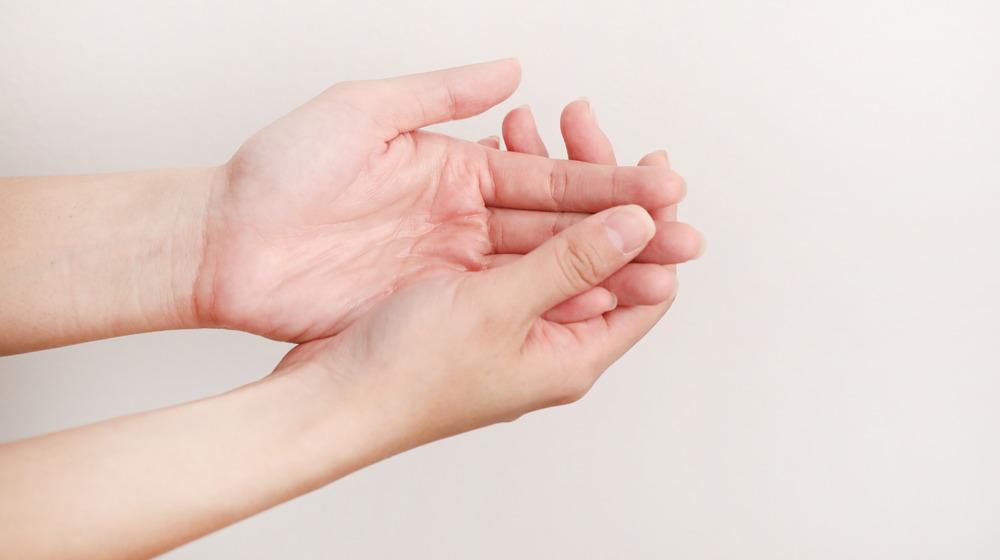
Pale skin in perimenopause is most often a “blood and oxygen” issue, not a skin issue. Heavy or more frequent bleeding can drain iron stores, low vitamin B12 can reduce healthy red blood cells, and a slowing thyroid can make your skin look washed out and feel cold. Simple labs can usually tell which one is driving it for you. Perimenopause is a time when your cycle can get unpredictable, and that alone can change how you look in the mirror. Some days you are fine, and other days you look grey, tired, or “not like yourself,” which is unsettling. The good news is that pallor has a short list of common explanations, and most of them are treatable once you know what you are dealing with. If you want help matching your symptoms to the most likely cause, PocketMD can talk it through with you, and VitalsVault labs can help you confirm what’s going on without guesswork. If your paleness comes with chest pain, fainting, severe shortness of breath, or black/tarry stools, treat that as urgent and get same-day care.
Why you look pale in perimenopause
Iron stores drop from heavy bleeding
Perimenopause can bring heavier or longer periods, and even “just a little more” bleeding each month can slowly drain your iron stores. When iron is low, your body struggles to make hemoglobin, which is the oxygen-carrying part of red blood cells, so your skin and lips can look lighter and you can feel wiped out. A practical clue is needing to change pads or tampons very often, passing large clots, or feeling lightheaded around your period. If that sounds like you, ferritin testing is usually more revealing than guessing from diet alone.
Anemia makes less oxygen delivery
Sometimes the issue is not just low iron stores but true anemia, meaning you have fewer red blood cells or they are smaller and carry less oxygen. That “less oxygen delivery” is what creates the pale, drained look, and it can also show up as shortness of breath on stairs or a fast heartbeat that feels out of proportion to your effort. Anemia has different patterns, and a complete blood count can point toward iron deficiency versus other causes. If you notice new exercise intolerance along with pallor, that is a strong reason to check a CBC soon.
Low B12 affects blood production
Vitamin B12 helps your bone marrow make healthy red blood cells, and when it is low, the cells can become large and inefficient. You might look pale but also feel “neurologically off,” like tingling in your hands or feet, balance changes, or brain fog that is more than typical perimenopause scatter. B12 can run low if you eat little animal protein, take acid-suppressing meds long-term, or have absorption issues. If pallor comes with numbness or burning sensations, do not just start iron — check B12 so you treat the right problem.
A slowing thyroid can wash you out
When your thyroid slows down (underactive thyroid [hypothyroidism]), circulation and skin turnover can slow too, which can make you look pale and feel cold, puffy, or “sluggish.” Perimenopause and thyroid issues can overlap because both can cause fatigue, sleep disruption, and mood changes, so it is easy to blame everything on hormones. A thyroid-stimulating hormone test is a straightforward way to see if your thyroid is part of the picture. If you are pale and also colder than everyone else in the room, it is worth checking.
Less sun and thinner skin tone
Not all pallor is anemia. If you have been avoiding sun, wearing more coverage, or spending more time indoors, your baseline skin tone can lighten, and perimenopause can also change how your skin reflects light as collagen shifts. This kind of “pale” usually does not come with new shortness of breath, racing heart, or major fatigue, and your gums and inner eyelids often look normal. The takeaway is to use your symptoms as the tie-breaker: if you feel fine, it may be cosmetic; if you feel depleted, check bloodwork rather than assuming it is just lighting or makeup.
What actually helps you look less pale
Treat heavy periods, not just iron
If heavy bleeding is the driver, you will keep losing ground unless you address the bleeding itself. Your clinician can talk with you about options like a hormonal IUD, cyclic progesterone, or tranexamic acid, depending on your health history and whether you still need contraception. This matters because stabilizing blood loss often improves energy and color more reliably than taking supplements forever. Track how many days are heavy and how often you soak through, because those details make the visit far more productive.
Use iron supplements strategically
If ferritin is low, iron can help, but the way you take it affects whether it works and whether you can tolerate it. Many people do better with a lower dose taken every other day, and taking it with vitamin C can improve absorption, while taking it with calcium or coffee can blunt it. You should expect it to take weeks to feel better and a few months to rebuild stores, so plan for follow-up labs rather than guessing. If iron makes you nauseated or constipated, switching the formulation or dosing schedule is often enough to stay consistent.
Replace B12 the right way
If B12 is low, replacement can be oral or injections, and the best choice depends on whether the problem is intake or absorption. People with absorption problems often feel improvement in energy and nerve symptoms only after more aggressive replacement, so it is worth discussing the plan rather than buying random gummies. Because B12 and iron deficiency can coexist, you want to correct both if needed so your body can actually build healthy blood. Ask for a recheck after treatment so you know you are truly back in a good range.
Correct thyroid imbalance if present
If your thyroid is underactive, treating it can improve pallor indirectly by improving circulation, skin turnover, and overall energy. The key is not to self-dose thyroid supplements, because too much thyroid hormone can cause palpitations, anxiety, and bone loss over time. A measured approach uses TSH (and sometimes free T4) to guide dosing and follow-up. If your TSH is high and you also have constipation, dry skin, and cold intolerance, thyroid treatment can be a turning point.
Support blood-building with food
Food will not fix severe anemia overnight, but it can support recovery and help prevent a repeat. Heme iron from meat and seafood is absorbed more efficiently than plant iron, and pairing plant sources with vitamin C helps your gut take more in. If you are mostly plant-based, you may need to be more intentional about iron and B12, because “eating healthy” is not the same as meeting those specific needs. A simple move is to build one daily meal around an iron source and add a vitamin C side, then recheck ferritin to see if it is enough.
Useful biomarkers to discuss with your clinician
Ferritin
Ferritin is your body's iron storage protein, reflecting total iron stores in the body. In functional medicine, ferritin assessment is crucial for identifying both iron deficiency and iron overload, conditions that can significantly impact energy levels and overall health. Low ferritin is the earliest sign of iron deficiency, often occurring before anemia develops. This can cause fatigue, weakness, restless leg syndrome, and cognitive impairment. Conversely, elevated ferritin may indicate iron overload, inflamma…
Learn moreVitamin B12
Vitamin B12 (cobalamin) is essential for DNA synthesis, red blood cell formation, neurological function, and energy metabolism. In functional medicine, we recognize that B12 deficiency is surprisingly common, especially in older adults, vegetarians, vegans, and those with digestive issues. B12 deficiency can cause irreversible neurological damage if left untreated. The vitamin is crucial for methylation reactions, which affect cardiovascular health, detoxification, and gene expression. Even subclinical deficienc…
Learn moreTSH
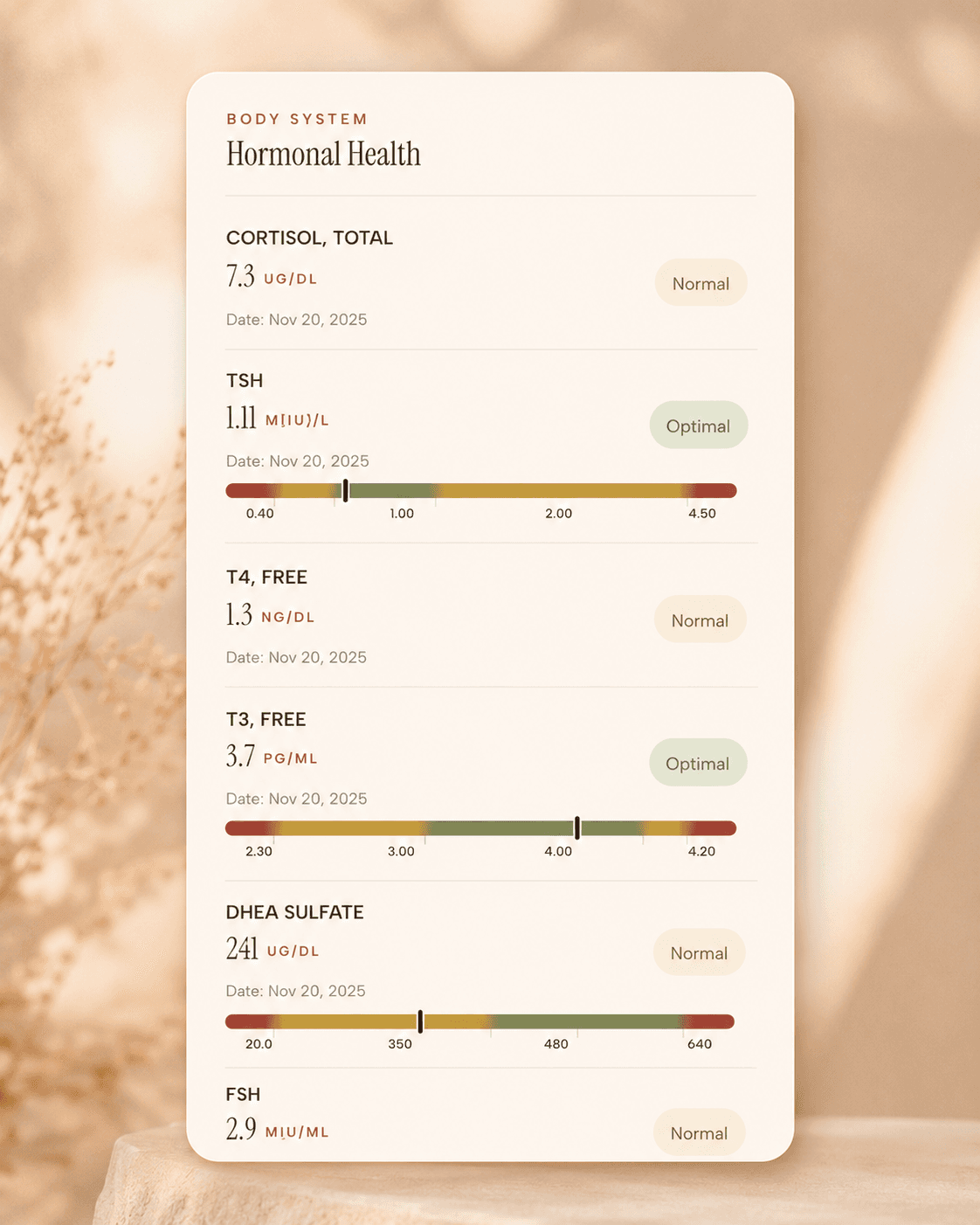
TSH is the master regulator of thyroid function, controlling the production of thyroid hormones T4 and T3. In functional medicine, we use narrower TSH ranges than conventional medicine to identify subclinical thyroid dysfunction early. Even mildly elevated TSH can indicate thyroid insufficiency, leading to fatigue, weight gain, depression, and metabolic dysfunction. TSH levels are influenced by stress, nutrient deficiencies, autoimmune conditions, and environmental toxins. Optimal TSH supports energy, metabolism…
Learn moreLab testing
Get a CBC, ferritin, and vitamin B12 checked at Quest
starting from $99 panel with 100+ tests, one visit
No referral needed
About 1 week
Schedule online — results typically within a week
Clear next steps
Guidance included, with follow-up care available
HSA / FSA
Eligible for pre-tax health spending accounts
Pro Tips
Do a quick “inner eyelid check” in good light: gently pull down your lower eyelid and look at the inside. If it looks pale pink instead of a healthy red, that supports anemia and makes a CBC and ferritin more urgent.
For two cycles, write down your heaviest-day details in plain language, like how often you soak through and whether you pass clots. That one note helps your clinician take heavy bleeding seriously and choose the right treatment faster.
If you start iron, set a calendar reminder to recheck ferritin in about 8–12 weeks. Your energy can improve before your stores are truly rebuilt, and stopping too early is a common reason pallor returns.
If you are taking a proton pump inhibitor or H2 blocker for reflux, mention it when you talk about pallor and fatigue. Long-term acid suppression can make it harder to absorb iron and B12, which changes the plan.
Take one “before” photo in the same bathroom lighting once a week for a month. Pallor is surprisingly hard to judge day-to-day, and photos help you see whether treatment is actually changing your color.
Frequently Asked Questions
Can perimenopause make your skin look pale?
Yes, but it is usually indirect. Perimenopause can cause heavier or more frequent bleeding that lowers iron stores, and it can overlap with thyroid slowing, both of which can make you look washed out. If pallor comes with fatigue or shortness of breath, a CBC and ferritin are the most useful first checks.
What does iron deficiency pallor look like?
Iron deficiency pallor often shows up as lighter skin tone plus paler lips, gums, or the inner lower eyelid, and you may notice you look “grey” in photos. It commonly comes with fatigue, headaches, or getting winded more easily than usual. Ferritin is the test that best reflects low iron stores, even before hemoglobin drops.
Is pale skin a sign of anemia even if my hemoglobin is normal?
It can be, because you can have low iron stores with a normal hemoglobin early on. That stage is sometimes called iron deficiency without anemia, and it can still cause fatigue, hair shedding, and a pale look. Checking ferritin alongside a CBC helps catch this earlier, and it also gives you a baseline to track improvement.
What ferritin level is too low for women in perimenopause?
Many labs flag ferritin below about 15–20 ng/mL as low, but symptoms can show up when ferritin is below roughly 30 ng/mL, especially if you are still menstruating. Some people feel better when ferritin is closer to 50–100 ng/mL, depending on the cause and ongoing blood loss. The most important step is pairing the number with your bleeding pattern so you fix the source, not just the lab value.
When is pale skin an emergency?
Get urgent care if pallor comes with chest pain, fainting, severe shortness of breath at rest, confusion, or black/tarry stools, because those can signal significant blood loss or poor oxygen delivery. Also seek same-day evaluation if you are soaking through pads or tampons every hour for several hours. If symptoms are milder but persistent, schedule labs (CBC, ferritin, and B12) and bring the results to a clinician to plan next steps.