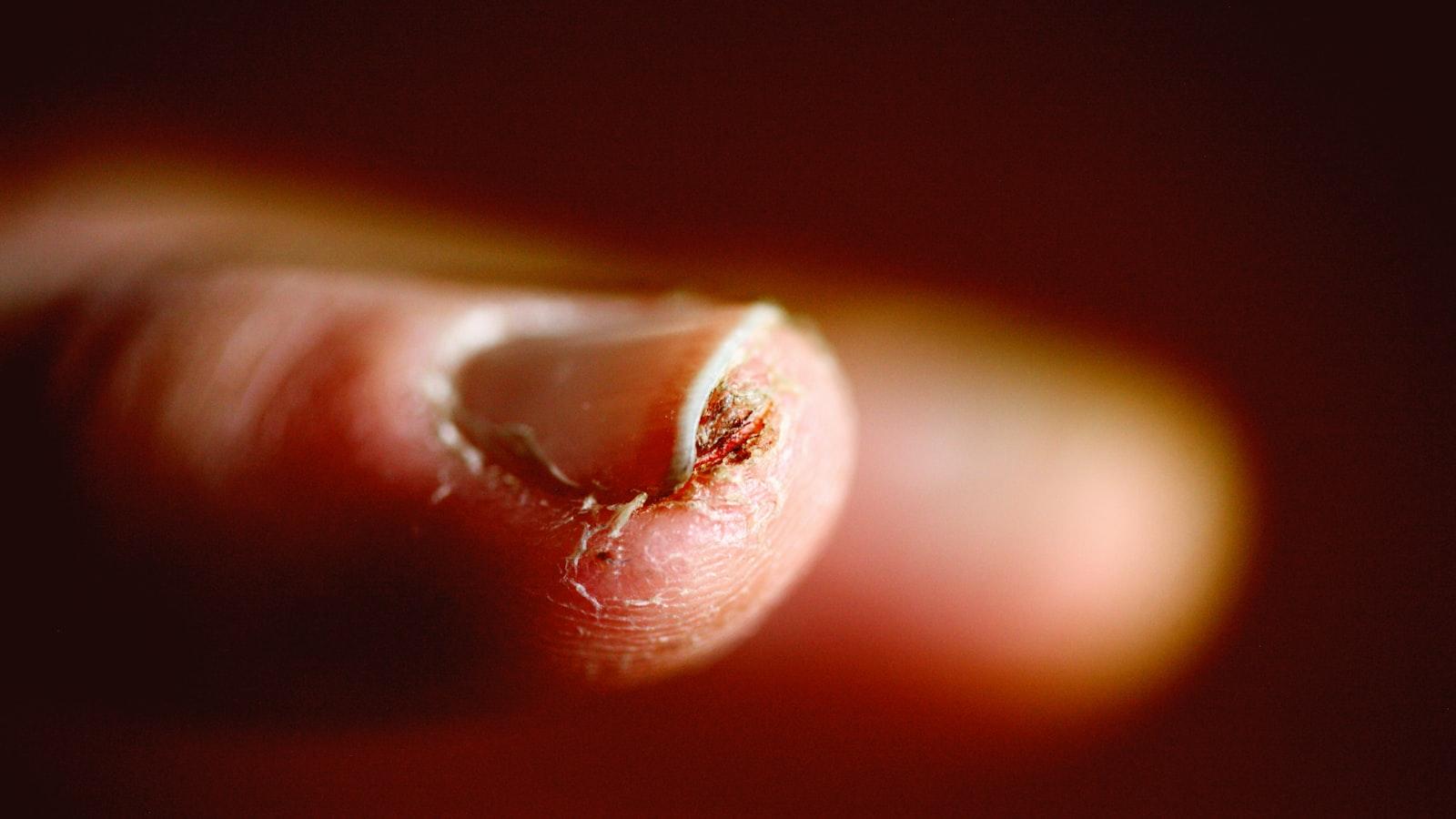
Why You Look Pale During Menopause (and When It Matters)
Pale skin during menopause is often from iron-deficiency anemia, low B12, or thyroid slowdown. Targeted blood tests at Quest—no referral needed.





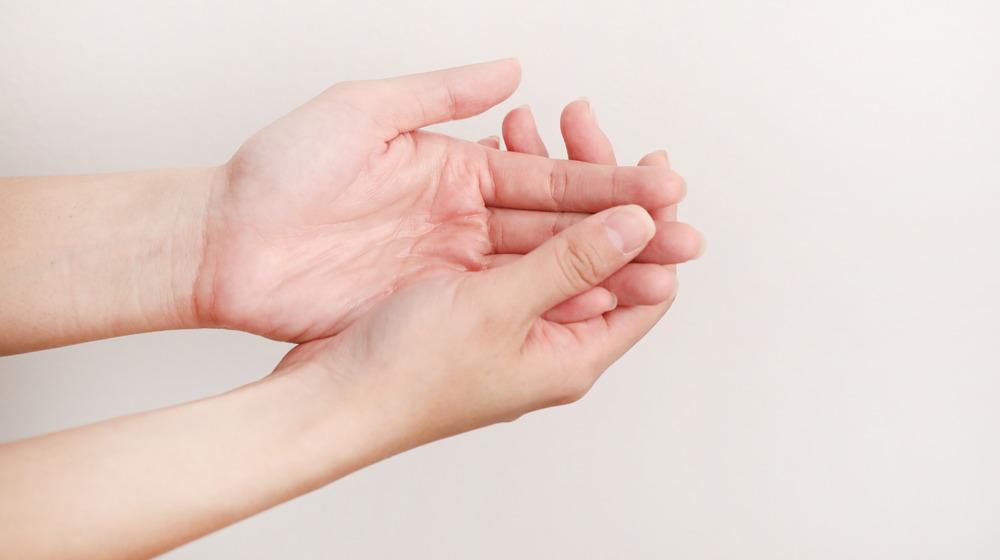
Pale skin during menopause usually comes down to one of three things: you are not carrying enough oxygen in your blood because of anemia, you are low on vitamin B12 or iron, or your thyroid has slowed down and your circulation and skin tone change. Menopause itself does not “bleach” your skin, but the transition can unmask nutrient gaps, heavier bleeding in perimenopause, and thyroid shifts that make pallor more noticeable. A few targeted blood tests can usually tell you which of these is driving it. It is also normal to second-guess yourself because lighting, makeup changes, and weight loss can make you look different overnight. Still, if your paleness comes with new fatigue, shortness of breath on stairs, chest discomfort, fainting, or black or bloody stools, treat that as urgent and get checked the same day. For everything else, this page will help you connect the dots and decide what to do next, and tools like PocketMD and VitalsVault labs can help you sort out whether this is a simple deficiency or something that deserves a closer look.
Why you look pale during menopause
Iron deficiency from blood loss
In perimenopause, cycles can get unpredictable, and some people bleed heavier or longer than they used to. Over time, that can drain your iron stores, so your body struggles to make healthy red blood cells and your skin can look washed out, especially in your lips, gums, and inner eyelids. The key clue is that you often feel more winded than you “should,” and you may notice restless legs or hair shedding along with the pallor.
Low B12 affecting red blood cells
Vitamin B12 helps your bone marrow build red blood cells that carry oxygen, and when B12 is low, those cells can become fewer and less effective. You can look pale and also feel foggy, off-balance, or tingly in your hands and feet, which is a big hint that this is not just “low iron.” If you eat little to no animal foods, take acid blockers, or have a history of stomach or gut issues, B12 becomes a particularly likely culprit.
Thyroid slowdown (hypothyroidism)
When your thyroid runs low, your whole system tends to idle down, including circulation to your skin. That can make your face look paler or slightly puffy, and it often comes with dry skin, constipation, and feeling cold when others are fine. Because thyroid shifts become more common with age and can overlap with menopause symptoms, a simple TSH test can be a surprisingly high-yield place to start.
Lower estrogen, thinner skin tone
As estrogen drops, your skin can become thinner and drier, and it may lose some of the “glow” that comes from good hydration and a plump outer layer. That does not mean you are anemic, but it can make any mild anemia or sleep deprivation look more dramatic in the mirror. If your paleness is mostly cosmetic and you feel otherwise okay, think of this as a skin-barrier issue first and a blood issue second.
Poor absorption from low stomach acid
You can eat enough iron and B12 and still not absorb them well if your stomach is not making enough acid, which becomes more common with age and with long-term acid-suppressing medications. The result can be slow-building fatigue and pallor that does not improve much with “iron-rich foods” alone. If supplements upset your stomach or do not seem to move the needle after a couple of months, it is worth discussing absorption and medication effects with a clinician.
What actually helps you look less pale (and feel better)
Confirm anemia before supplementing
Iron can help dramatically when you truly need it, but taking it blindly can cause constipation and nausea and can mask what is really going on. Start by checking a CBC and ferritin so you know whether you are iron-deficient, B12-deficient, or not anemic at all. Once you have numbers, you can match the fix to the problem instead of guessing.
Treat heavy bleeding, not just iron
If your periods are flooding your iron stores, you will keep sliding backward no matter how “perfect” your diet is. Talk with your clinician about options that reduce bleeding, such as a hormonal IUD, cyclic progesterone, or other therapies that fit your history. A practical at-home step is to track how often you change pads or tampons and whether you pass large clots, because those details help your clinician take you seriously and act faster.
Use iron in a way you can tolerate
If your labs show iron deficiency, you usually do better with a lower dose that you can stick with than a high dose you quit after three days. Many people tolerate iron bisglycinate, and taking iron every other day often improves absorption and reduces side effects. Pair it with vitamin C and avoid taking it with calcium, tea, or coffee, because those can block absorption right when you need it most.
Address B12 early if you have tingling
If you have numbness, tingling, balance issues, or memory changes along with pallor, do not wait months hoping food will fix it. B12 deficiency can affect nerves, and earlier treatment tends to mean better recovery. High-dose oral B12 or injections can both work depending on the cause, so the goal is to confirm the deficiency and start a plan quickly.
Support skin tone with barrier care
When estrogen-related dryness is the main driver, your skin often looks better when you treat it like a barrier problem instead of a “blood problem.” Use a gentle cleanser, moisturize on damp skin, and consider a fragrance-free cream with ceramides or urea to reduce the ashy, pale cast that comes from surface dryness. If you also have new easy bruising or your skin is paper-thin, mention it, because that can change which treatments are safest for you.
Useful biomarkers to discuss with your clinician
Ferritin
Ferritin is your body's iron storage protein, reflecting total iron stores in the body. In functional medicine, ferritin assessment is crucial for identifying both iron deficiency and iron overload, conditions that can significantly impact energy levels and overall health. Low ferritin is the earliest sign of iron deficiency, often occurring before anemia develops. This can cause fatigue, weakness, restless leg syndrome, and cognitive impairment. Conversely, elevated ferritin may indicate iron overload, inflamma…
Learn moreVitamin B12
Vitamin B12 (cobalamin) is essential for DNA synthesis, red blood cell formation, neurological function, and energy metabolism. In functional medicine, we recognize that B12 deficiency is surprisingly common, especially in older adults, vegetarians, vegans, and those with digestive issues. B12 deficiency can cause irreversible neurological damage if left untreated. The vitamin is crucial for methylation reactions, which affect cardiovascular health, detoxification, and gene expression. Even subclinical deficienc…
Learn moreTSH
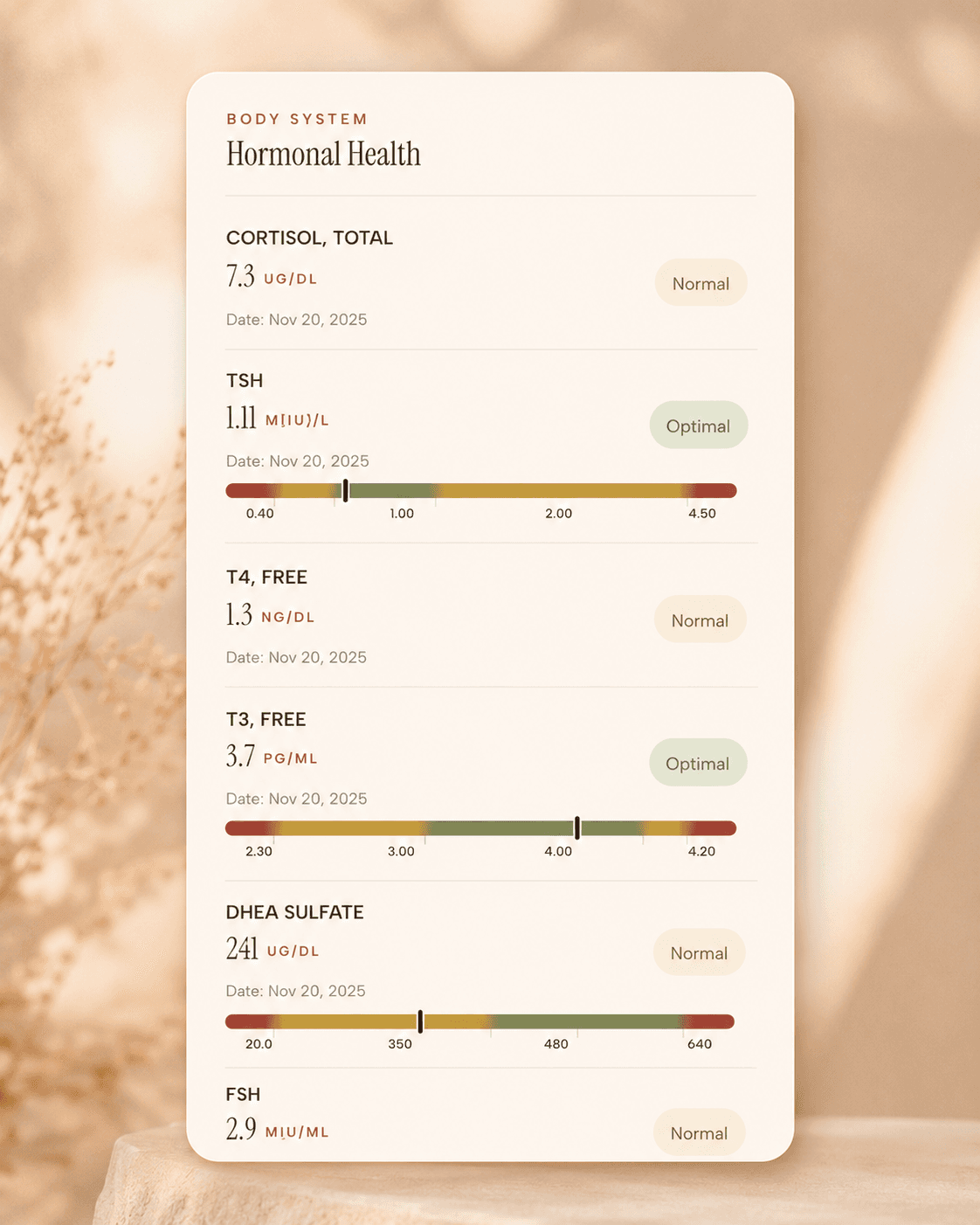
TSH is the master regulator of thyroid function, controlling the production of thyroid hormones T4 and T3. In functional medicine, we use narrower TSH ranges than conventional medicine to identify subclinical thyroid dysfunction early. Even mildly elevated TSH can indicate thyroid insufficiency, leading to fatigue, weight gain, depression, and metabolic dysfunction. TSH levels are influenced by stress, nutrient deficiencies, autoimmune conditions, and environmental toxins. Optimal TSH supports energy, metabolism…
Learn moreLab testing
Get a CBC, ferritin, and TSH checked at Quest
starting from $99 panel with 100+ tests, one visit
No referral needed
About 1 week
Schedule online — results typically within a week
Clear next steps
Guidance included, with follow-up care available
HSA / FSA
Eligible for pre-tax health spending accounts
Pro Tips
Do the “inner eyelid check” in daylight: gently pull down your lower lid and look at the inner rim. If it looks more pale than pink, that is a stronger anemia clue than your face in bathroom lighting.
If you are still having periods, track bleeding in a way a clinician can use: note the number of fully soaked pads or tampons per day and whether you need to change overnight. Bring that log to your visit because it speeds up the workup.
If you start iron, give it a fair trial and a clear endpoint: take it consistently for 6–8 weeks, then recheck ferritin and hemoglobin so you know whether you are absorbing it and whether the dose is enough.
When you get labs, look at trends, not just “normal”: a hemoglobin that drops from 13.5 to 12.2 over a year can feel like a big change in your body even if the lab prints it in black ink.
If your skin looks pale and dull but your energy is okay, try a two-week skin reset: gentle cleanser, thick moisturizer twice daily, and a humidifier at night. If your color improves, dryness was doing more of the “pale” than you realized.
Frequently Asked Questions
Is pale skin a normal menopause symptom?
Menopause can make your skin thinner and drier as estrogen drops, which can make you look paler, but true pallor is not something to ignore. The most common fixable causes are iron deficiency (often from heavy perimenopausal bleeding), low B12, and hypothyroidism. If paleness is new for you, checking a CBC, ferritin, and TSH is a practical first step.
How can I tell if my paleness is anemia?
Anemia often comes with fatigue that feels out of proportion, getting winded on stairs, and paleness in places like your lips and inner eyelids. The only way to confirm it is a blood test, starting with a CBC to see hemoglobin and red blood cell size. If the CBC suggests anemia, ferritin helps show whether iron deficiency is the reason.
What ferritin level is too low for women?
For many women, ferritin below about 30 ng/mL fits iron deficiency, even if your hemoglobin is still technically “normal.” If you have symptoms like fatigue, hair shedding, or restless legs, many clinicians aim for ferritin closer to 50–100 ng/mL once the cause is addressed. Ask for ferritin specifically, because a basic CBC alone can miss early iron depletion.
Can hypothyroidism make your skin look pale?
Yes. When your thyroid is underactive, circulation and skin turnover slow down, so your skin can look paler, drier, and sometimes puffy. A TSH test is the usual starting point, and if it is elevated, your clinician may add free T4 to confirm what your thyroid is actually producing. If you also feel cold, constipated, or unusually tired, bring those details to the conversation.
When is pale skin an emergency during menopause?
Get urgent care the same day if paleness comes with chest pain, fainting, severe shortness of breath, a racing heart at rest, or signs of bleeding such as black stools or vomiting blood. Those combinations can signal significant anemia or another serious problem that should not wait for routine labs. If you are unsure, err on the side of being checked quickly and bring a list of your symptoms and any recent bleeding.