Pale Skin After Menopause: Causes, Tests, and What Helps
Pale skin after menopause is often from iron-deficiency anemia, low B12, or thyroid slowdown. Targeted blood tests available—no referral needed.





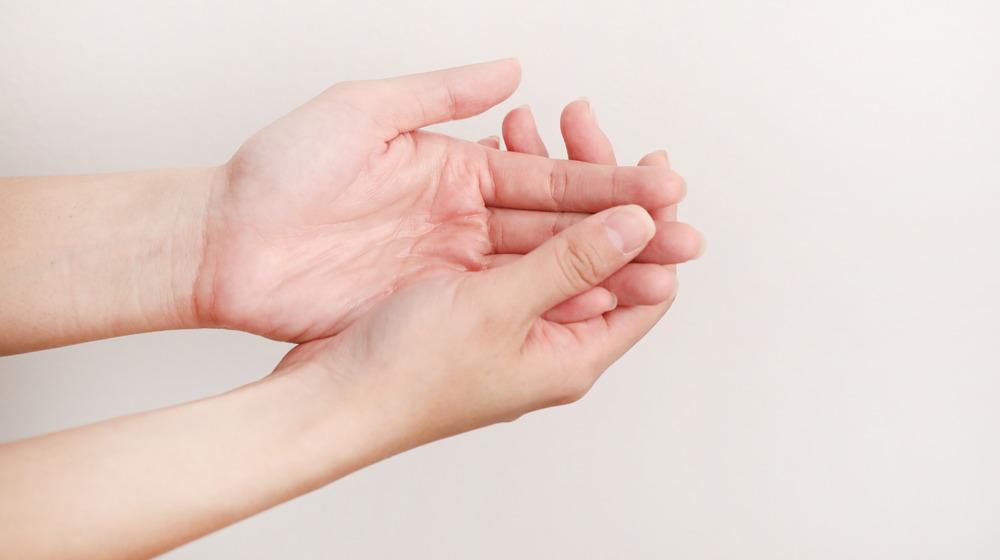
Pale skin after menopause is most often a sign that your blood is carrying less oxygen than usual, which can happen with iron-deficiency anemia, low vitamin B12, or an underactive thyroid. It can also be a “contrast problem,” where thinner, drier skin and less facial flushing make you look washed out even if your blood counts are normal. Simple labs can help you tell the difference so you do not guess wrong. It is unsettling to look in the mirror and not recognize your own color, especially if you also feel tired, short of breath, or cold. After menopause, new bleeding is not expected, so pallor plus fatigue deserves a real explanation rather than a shrug. In this guide, you will learn the most common reasons your skin can look paler, what you can try at home, and which blood tests tend to clarify the picture. If you want help matching your symptoms to the most likely cause, PocketMD can walk through your story, and targeted labs can confirm what is going on.
Why your skin can look paler after menopause
Iron-deficiency anemia from blood loss
When you do not have enough iron, your body cannot make hemoglobin, the oxygen-carrying part of red blood cells, so your skin and the inside of your lower eyelids can look noticeably lighter. After menopause, the most common reason is slow blood loss from the gut, such as a bleeding ulcer, frequent NSAID use, or colon polyps, and it can happen without obvious pain. If your pallor comes with new fatigue, breathlessness on stairs, or restless legs, it is worth checking a ferritin level and a complete blood count rather than assuming it is “just aging.”
Low vitamin B12 absorption
Vitamin B12 is needed to build healthy red blood cells and to protect your nerves, and absorption can drop with age, stomach inflammation, or long-term acid blockers and metformin. When B12 runs low, you can look pale or slightly yellow and also feel pins-and-needles, balance changes, or a sore, smooth tongue. Because nerve symptoms can become hard to reverse if you wait too long, pallor plus tingling or memory fog is a good reason to ask for B12 testing and treatment guidance.
Thyroid slowdown (hypothyroidism)
If your thyroid is underactive, your circulation and skin turnover slow down, which can make your face look dull or puffy and your skin feel dry and cool. This kind of “pale” often comes with constipation, weight gain that feels unfair, hair thinning, and a lower-than-usual energy baseline. A TSH test can quickly tell you whether your thyroid is likely part of the story, and treating it often improves both color and stamina over a few months.
Menopause-related skin thinning and dryness
Lower estrogen means your skin makes less collagen and holds less water, so it becomes thinner and more translucent. That can reduce the healthy-looking pink tone you used to get from tiny surface blood vessels, especially if you also stopped getting hot flashes and flushing. If you feel fine but look washed out, this “skin architecture” change may be the main driver, and consistent moisturizers with ceramides plus daily sunscreen can make a bigger difference than supplements.
Poor circulation or low blood pressure
If blood flow to the skin drops, you can look pale in your hands, lips, or face, particularly when you stand up quickly, skip meals, or get dehydrated. Some blood pressure medicines, diuretics, and even prolonged bed rest can contribute, and the clue is that your color improves when you lie down or warm up. If pallor comes with chest pain, fainting, or severe shortness of breath, that is not a “wait and see” situation and you should get urgent care.
What actually helps you look and feel better
Confirm anemia before you supplement
Iron pills can help when iron is truly low, but they can also cause constipation and nausea, and they will not fix pallor from thyroid or B12 issues. A ferritin result gives you a clearer answer than guessing, because ferritin reflects iron stores, not just what you ate yesterday. If your ferritin is low, ask about a dose you can tolerate and a plan to recheck labs in about 6–8 weeks.
Pair iron with the right timing
If you are treating iron deficiency, timing matters because your gut absorbs iron better away from calcium, tea, coffee, and many antacids. Taking iron with vitamin C, such as a small glass of orange juice, can improve absorption, which means you may need a lower dose to get the same benefit. If iron upsets your stomach, every-other-day dosing often works surprisingly well and is easier to stick with.
Treat low B12 the effective way
If your B12 is low, high-dose oral B12 can work for many people, but injections are sometimes needed when absorption is poor. The “so what” is energy and nerve function: B12 repletion can improve fatigue and tingling, but it usually takes weeks, not days. Ask for a follow-up plan that includes symptom tracking and repeat B12 testing so you know you are truly repleting, not just taking pills.
Support your skin barrier daily
When menopause makes your skin thinner and drier, your face can look paler simply because it reflects light differently. A fragrance-free moisturizer with ceramides or glycerin after showering helps your skin hold water, and a tinted mineral sunscreen can add back a natural-looking tone while protecting fragile skin. If you are using retinoids, consider reducing frequency because irritation can make you look more washed out.
Look for the hidden bleeding source
After menopause, new iron deficiency should trigger the question, “Where is the iron going?” even if you are not seeing blood. Your clinician may recommend stool testing, a colonoscopy, or an upper endoscopy depending on your age and symptoms, because treating the cause prevents the anemia from returning. If you have black stools, vomiting blood, or rapidly worsening weakness, seek urgent evaluation.
Useful biomarkers to discuss with your clinician
Ferritin
Ferritin is your body's iron storage protein, reflecting total iron stores in the body. In functional medicine, ferritin assessment is crucial for identifying both iron deficiency and iron overload, conditions that can significantly impact energy levels and overall health. Low ferritin is the earliest sign of iron deficiency, often occurring before anemia develops. This can cause fatigue, weakness, restless leg syndrome, and cognitive impairment. Conversely, elevated ferritin may indicate iron overload, inflamma…
Learn moreVitamin B12
Vitamin B12 (cobalamin) is essential for DNA synthesis, red blood cell formation, neurological function, and energy metabolism. In functional medicine, we recognize that B12 deficiency is surprisingly common, especially in older adults, vegetarians, vegans, and those with digestive issues. B12 deficiency can cause irreversible neurological damage if left untreated. The vitamin is crucial for methylation reactions, which affect cardiovascular health, detoxification, and gene expression. Even subclinical deficienc…
Learn moreTSH
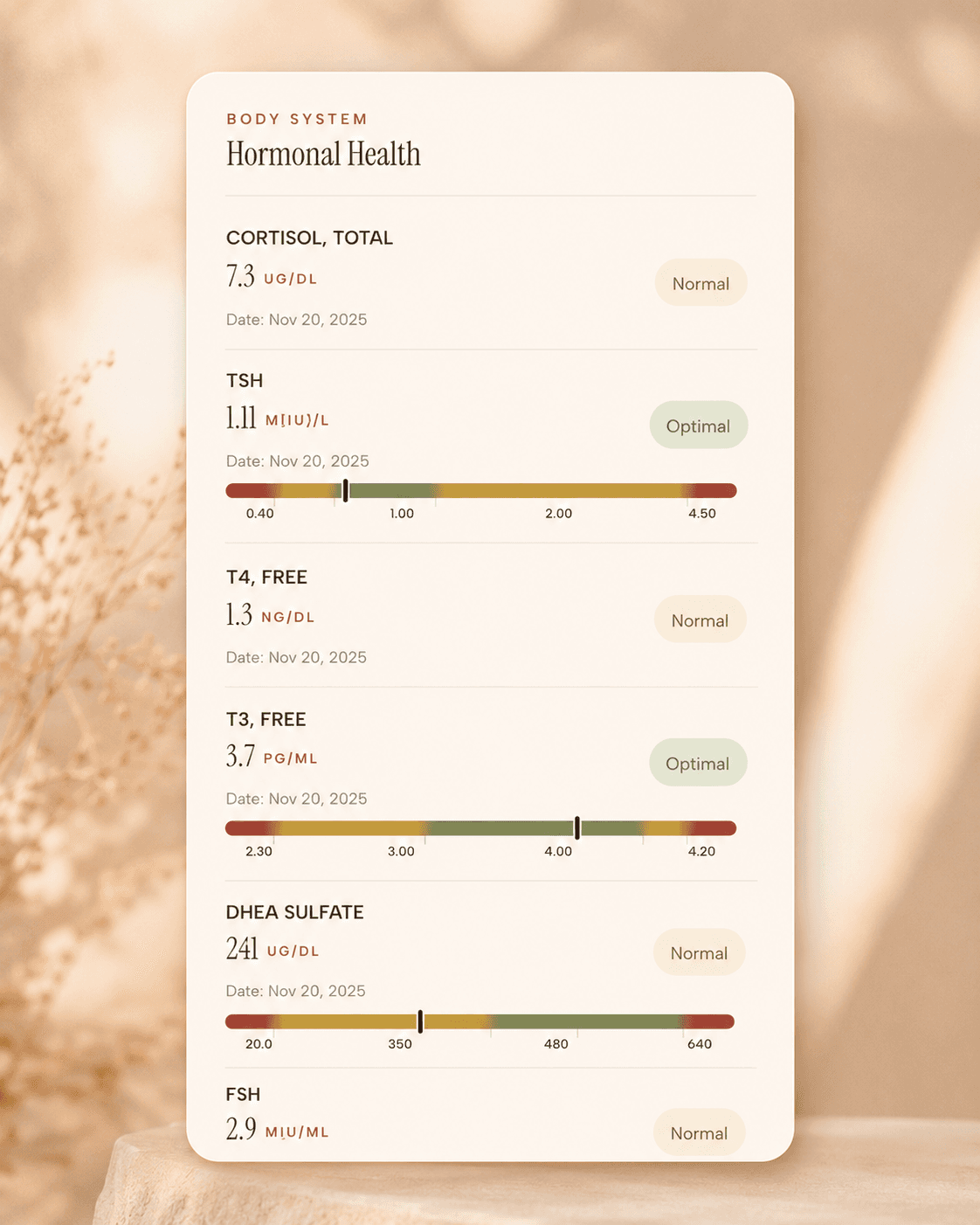
TSH is the master regulator of thyroid function, controlling the production of thyroid hormones T4 and T3. In functional medicine, we use narrower TSH ranges than conventional medicine to identify subclinical thyroid dysfunction early. Even mildly elevated TSH can indicate thyroid insufficiency, leading to fatigue, weight gain, depression, and metabolic dysfunction. TSH levels are influenced by stress, nutrient deficiencies, autoimmune conditions, and environmental toxins. Optimal TSH supports energy, metabolism…
Learn moreLab testing
Get a CBC, ferritin, and TSH checked at Quest
starting from $99 panel with 100+ tests, one visit
No referral needed
About 1 week
Schedule online — results typically within a week
Clear next steps
Guidance included, with follow-up care available
HSA / FSA
Eligible for pre-tax health spending accounts
Pro Tips
Do the “lower eyelid check” in bright natural light: gently pull down your lower lid and look at the inner rim. If it looks more white than pink and you feel winded on stairs, move anemia testing higher on your list.
If you start iron, set a calendar reminder to recheck ferritin and a CBC in 6–8 weeks. Feeling a little better is nice, but seeing your numbers climb tells you the plan is actually working.
Track one week of “cold intolerance” details, such as needing extra layers when others feel fine or having cold hands in a warm room. That pattern often points toward thyroid slowdown rather than diet alone.
Take two selfies in the same spot and lighting, one right after a warm shower and one at a neutral time. If your color returns with warmth, circulation and skin blood flow are likely part of the issue.
If you use acid-reducing meds most days, ask whether you still need the dose you are on. Long-term suppression can contribute to low B12 and iron absorption problems, and sometimes a step-down plan is possible.
Frequently Asked Questions
Is pale skin after menopause a sign of anemia?
It can be, especially if you also feel tired, short of breath, or notice a racing heart with mild activity. A complete blood count (CBC) tells you whether hemoglobin is low, and ferritin tells you whether iron stores are depleted even before hemoglobin drops. If either is low after menopause, ask your clinician to look for the reason, not just to prescribe iron.
What ferritin level is considered low for women with fatigue?
Many labs flag ferritin as “low” only at very low numbers, but symptoms can show up earlier. In practice, ferritin below about 30 ng/mL often supports iron deficiency in someone with fatigue or pallor, and some people feel better when ferritin is closer to 50–100 ng/mL once the cause is addressed. Use your ferritin result together with your CBC trend to guide treatment and follow-up.
Can menopause itself make you look paler even if labs are normal?
Yes. Lower estrogen can thin your skin and reduce the rosy tone you used to get from surface blood vessels, which can make you look washed out without true anemia. If your energy is stable and your CBC, ferritin, and TSH are normal, focus on barrier repair with a ceramide-based moisturizer and daily sunscreen, and reassess if new fatigue shows up.
Should you worry about cancer if you have pale skin after menopause?
Pale skin alone does not mean cancer, but new iron-deficiency anemia after menopause should be taken seriously because slow bleeding from the digestive tract is one possible cause. That is why clinicians often recommend stool testing and age-appropriate colon cancer screening, and sometimes an upper endoscopy, depending on your story. If your ferritin or hemoglobin is low, ask directly what the plan is to find the source.
What are the fastest tests to check for pale skin and fatigue?
A CBC and ferritin are the quickest way to check for anemia and iron deficiency, and a TSH helps catch thyroid slowdown that can mimic or worsen fatigue and pallor. If those are normal but you have tingling, balance issues, or a sore tongue, add a vitamin B12 test. Bring your results and a short symptom timeline to your next visit so you can make a targeted plan.
What research says
AGA guideline on GI evaluation of iron deficiency anemia (why postmenopausal iron deficiency needs a source check)
USPSTF recommendation on colorectal cancer screening (relevant when iron deficiency raises concern for occult bleeding)
Oral iron dosing strategy: alternate-day dosing improves absorption physiology (hepcidin effect)