Why You Look Pale During Your Period
Pale skin during period often comes from iron-deficiency anemia, heavy bleeding, or low blood pressure from cramps. Targeted labs at Quest—no referral needed.





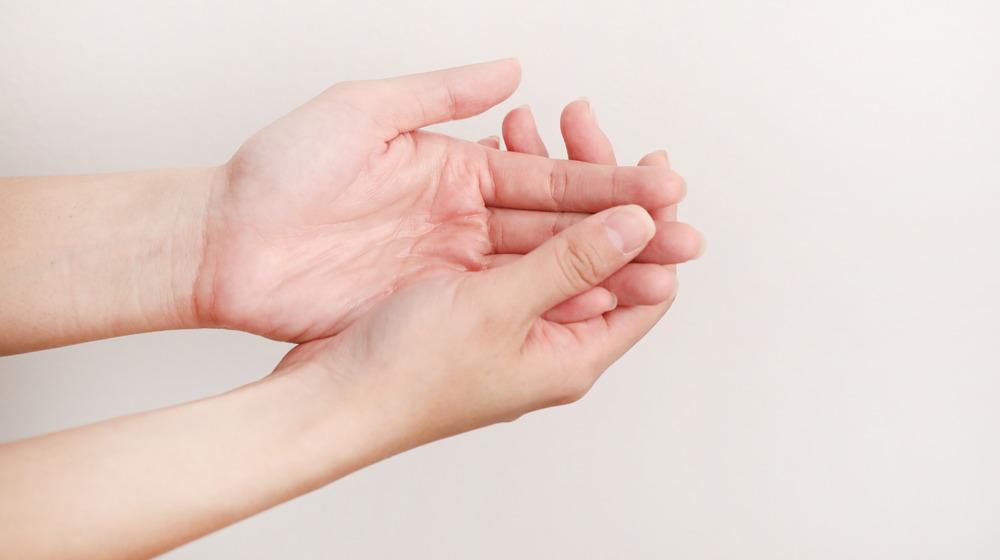
Pale skin during your period is most often your body showing reduced “color” from low iron and low red blood cells, especially if your bleeding is heavy. It can also happen when cramps, dehydration, or a vasovagal response briefly drop your blood pressure and pull blood away from the skin. Simple blood tests can usually tell which one is driving it for you. Seeing yourself look washed out can be unsettling, especially if it comes with fatigue, shortness of breath on stairs, or a racing heart. The tricky part is that “pale” is not one diagnosis: it can be a slow-building iron problem from months of heavy periods, or a short-lived circulation shift that happens only on day one. Below, you’ll learn the most common reasons this happens, what you can do at home right now, and which labs are most useful. If you want help matching your exact pattern to the most likely cause, PocketMD can talk it through with you, and Vitals Vault labs can help you confirm what’s going on.
Why you look pale during your period
Iron deficiency from heavy bleeding
If you lose more blood than you replace each month, your iron stores slowly drain, and your body cannot make red blood cells as efficiently. Less hemoglobin means less oxygen delivery and less “pink” tone in the skin, so you can look pale and feel wiped out. A big clue is needing to change pads or tampons very frequently, passing large clots, or feeling winded doing things that used to be easy. The takeaway is simple: if this has been building over months, you want ferritin checked, not just “iron.”
Low red blood cells (anemia)
Sometimes the issue is not just low iron stores but a measurable drop in red blood cells themselves, which can happen from heavy periods or other causes. When your red blood cell level is low, your body compensates by increasing heart rate, so you might notice paleness plus a pounding pulse or lightheadedness. This matters because it can sneak up on you and still be significant even if you are “used to” your periods. A complete blood count is the fastest way to see if you are actually anemic.
Day-one cramps causing a faint feeling
Strong uterine cramps can trigger a reflex that slows your heart rate and drops your blood pressure (vasovagal response), which can make you suddenly look pale and feel sweaty or nauseated. In that moment, blood flow shifts away from the skin and toward vital organs, so your face can lose color quickly. This tends to happen early in the period and improves once pain is controlled and you are lying down. If you ever fully faint, hit your head, or have chest pain, that is a reason to get urgent care rather than “wait it out.”
Dehydration and low blood volume
If you are not drinking much because you feel nauseated, or you are losing fluid from diarrhea around your period, your circulating volume can drop. That can make your skin look dull or pale and can worsen dizziness when you stand up. The “so what” is that this cause is usually quick to improve, but it can mimic anemia in how it feels. If your paleness improves noticeably after fluids and salt, that points more toward volume than iron.
Less common blood or nutrient issues
Not all anemia is from iron. Low vitamin B12 or folate can reduce healthy red blood cell production, and inherited conditions like thalassemia trait can cause chronically low hemoglobin that becomes more noticeable when you are on your period. These patterns often come with a long history of fatigue or “borderline anemia,” sometimes with a family background of similar labs. The takeaway is to avoid self-treating with high-dose iron forever if your ferritin is normal, because you may need a different workup.
What actually helps (and what to check)
Treat cramps early to prevent dips
If your paleness happens with intense day-one pain, the fastest fix is often pain control before the cramping peaks. Taking an anti-inflammatory like ibuprofen or naproxen at the first sign of bleeding (if you can take these safely) can reduce prostaglandins, which are the chemicals that drive cramps and heavy flow. Less pain means fewer vasovagal episodes, so you are less likely to get that sudden pale, sweaty feeling. Pair it with a heating pad and lying flat with your legs up for 10 minutes if dizziness hits.
Rehydrate with salt, not just water
When you feel pale and woozy, plain water alone can sometimes make you feel sloshy without fixing the low-volume feeling. An oral rehydration solution or a salty snack with water helps you hold onto fluid, which supports blood pressure. This is especially helpful if you have diarrhea around your period or you are sweating from pain. If you cannot keep fluids down, that is a sign to get medical help sooner.
If iron is low, supplement correctly
If your ferritin is low, iron supplements can make a real difference, but the way you take them matters. Many people absorb iron better with a smaller dose taken every other day, and taking it with vitamin C can help, while taking it with calcium or coffee can block absorption. You should expect energy and color to improve gradually over weeks, not overnight. Recheck labs after about 6–8 weeks so you know it is working and you are not guessing.
Address heavy flow at the source
If your period is heavy enough to cause iron loss, you usually need a plan to reduce bleeding, not just replace what you lose. Options include hormonal contraception, a hormonal IUD, or non-hormonal medication like tranexamic acid, and the best choice depends on your goals and medical history. This matters because otherwise you can end up in a cycle of “iron up, bleed it out” every few months. If your bleeding is suddenly much heavier than usual, ask about evaluation for fibroids, polyps, or thyroid issues.
Know when pallor is not “normal”
Paleness that comes with shortness of breath at rest, chest pain, fainting, black or tarry stools, or soaking through pads every hour for several hours is not something to monitor at home. Those combinations can signal significant blood loss or another urgent problem. Your body is good at compensating until it is not, and then symptoms can escalate quickly. If you are on blood thinners or you might be pregnant, take sudden heavy bleeding especially seriously.
Useful biomarkers to discuss with your clinician
Hemoglobin
Hemoglobin is the iron-containing protein in red blood cells that actually carries oxygen throughout your body. In functional medicine, hemoglobin is considered one of the most important markers of oxygen-carrying capacity and overall vitality. Low hemoglobin (anemia) significantly impacts energy levels, cognitive function, exercise tolerance, and quality of life. Even mild decreases can cause fatigue and reduced performance. Hemoglobin levels are influenced by iron status, vitamin B12, folate, protein intake, a…
Learn moreFerritin
Ferritin is your body's iron storage protein, reflecting total iron stores in the body. In functional medicine, ferritin assessment is crucial for identifying both iron deficiency and iron overload, conditions that can significantly impact energy levels and overall health. Low ferritin is the earliest sign of iron deficiency, often occurring before anemia develops. This can cause fatigue, weakness, restless leg syndrome, and cognitive impairment. Conversely, elevated ferritin may indicate iron overload, inflamma…
Learn moreLab testing
Get a CBC, ferritin, and iron studies checked at Quest
starting from $99 panel with 100+ tests, one visit
No referral needed
About 1 week
Schedule online — results typically within a week
Clear next steps
Guidance included, with follow-up care available
HSA / FSA
Eligible for pre-tax health spending accounts
Pro Tips
Do a two-cycle “bleed reality check.” Count how often you change protection on your heaviest day and whether you ever soak through in under 2 hours, because that pattern is a strong clue that iron loss is part of the story.
Try the “stand test” on a pale day: lie down for 5 minutes, then stand and note your symptoms. If you feel a head rush and your heart races, fluids plus salt and slower position changes can help while you arrange labs.
If you start iron, set a calendar reminder to recheck ferritin in 6–8 weeks. Feeling a bit better is nice, but seeing ferritin rise is how you know you are actually rebuilding stores.
When you take iron, separate it from coffee, tea, and calcium by at least 2 hours. That one change often fixes the “I took iron for months and nothing happened” problem.
Take a quick photo in consistent lighting on days you feel pale, and note your cycle day and flow level. It sounds simple, but it helps you and your clinician tell the difference between a day-one reflex episode and a month-to-month anemia trend.
Frequently Asked Questions
Is it normal to look pale on the first day of your period?
It can be common, especially if day-one cramps trigger a brief blood pressure drop or you are dehydrated. What is not “normal” is paleness with fainting, chest pain, shortness of breath at rest, or bleeding that soaks through a pad or tampon in about an hour for several hours. If it is a recurring pattern, a CBC and ferritin can tell you whether anemia is contributing. Track when it happens and what your flow is like so you can match the symptom to the cause.
Can heavy periods make you anemic even if you eat well?
Yes, because iron loss from bleeding can outpace what you can replace through food, even with a solid diet. Ferritin is the key test because it drops before hemoglobin does, and many people feel symptoms when ferritin is below about 30 ng/mL. If your ferritin is low, you usually need both iron replacement and a plan to reduce heavy flow. Ask specifically about heavy menstrual bleeding treatments rather than only changing your diet.
What labs should I get for pale skin during my period?
The most useful starting trio is a complete blood count (CBC), ferritin, and iron studies (iron, TIBC, and transferrin saturation). The CBC tells you if you are anemic right now, ferritin shows whether your iron “savings account” is low, and iron studies confirm whether iron is actually available to your body. If those are abnormal, your clinician may add tests like B12, folate, or thyroid labs depending on your history. Bring notes on your flow and symptoms so the results are interpreted in context.
How do I know if my paleness is anemia or low blood pressure?
Anemia tends to cause ongoing fatigue, getting winded on stairs, and paleness that is not limited to one day of your cycle. Low blood pressure episodes are often sudden, tied to severe cramps, standing up, or not eating and drinking, and they improve when you lie down and rehydrate. Labs help separate them: anemia shows up on a CBC and often low ferritin, while a brief blood pressure dip can happen with normal blood counts. If you are unsure, check your pulse and symptoms during an episode and consider getting the labs.
How long does it take to look less pale after starting iron?
If low iron is the reason you look pale, you might notice better energy within 2–4 weeks, but visible changes in color can take longer because your body needs time to make new red blood cells. Hemoglobin typically rises over weeks, while ferritin can take a few months to fully rebuild, especially if bleeding is still heavy. The most reliable way to know it is working is to recheck ferritin and a CBC after about 6–8 weeks. If numbers are not improving, ask about absorption issues or an alternate diagnosis.