Why Is Your Skin Looking Pale?
Pale skin in women often comes from iron-deficiency anemia, low B12, or thyroid slowdown. Targeted blood tests available—no referral needed.





Pale skin in women is most often your body showing reduced “red color” in the blood near the surface, usually from iron-deficiency anemia, low vitamin B12, or a slowed thyroid. It can also happen when blood flow shifts away from your skin during stress, pain, or illness, which is why sudden paleness can feel scary. A few targeted labs can usually tell which bucket you’re in so you’re not guessing. Paleness is tricky because it’s partly biology and partly lighting, undertone, and what you’re used to seeing in the mirror. Still, if you look noticeably lighter than your normal baseline and you also feel wiped out, short of breath, dizzy, or you’re craving ice, it’s worth taking seriously. This page walks you through the most common causes in women, what actually helps depending on the cause, and which blood tests tend to clarify things. If you want help connecting your symptoms to the most likely next step, PocketMD can talk it through with you, and VitalsVault labs can help you confirm what’s going on.
Why Is Your Skin Looking Pale?
Iron deficiency from blood loss
If you are low on iron, your body cannot make enough hemoglobin, which is the protein that gives blood its red color and carries oxygen. That can make your face, inner eyelids, and nail beds look washed out, and it often comes with fatigue that feels “heavy,” plus headaches or getting winded on stairs. In women, the most common reason is ongoing blood loss from periods, but stomach irritation or ulcers can also quietly drain iron. A practical clue is that paleness plus new cravings for ice or clay, or restless legs at night, often points toward low iron.
Low B12 or folate anemia
Vitamin B12 and folate help your bone marrow build healthy red blood cells, and when you are low, the cells can become large and inefficient. You may look pale but also feel pins-and-needles in your hands or feet, have a sore tongue, or notice brain fog that is out of proportion to your sleep. This is more likely if you avoid animal foods, have celiac disease, take acid-suppressing meds long term, or have an autoimmune stomach condition. If numbness is showing up, treat it as a “don’t wait months” problem because nerve symptoms can become harder to reverse.
Thyroid slowdown (hypothyroidism)
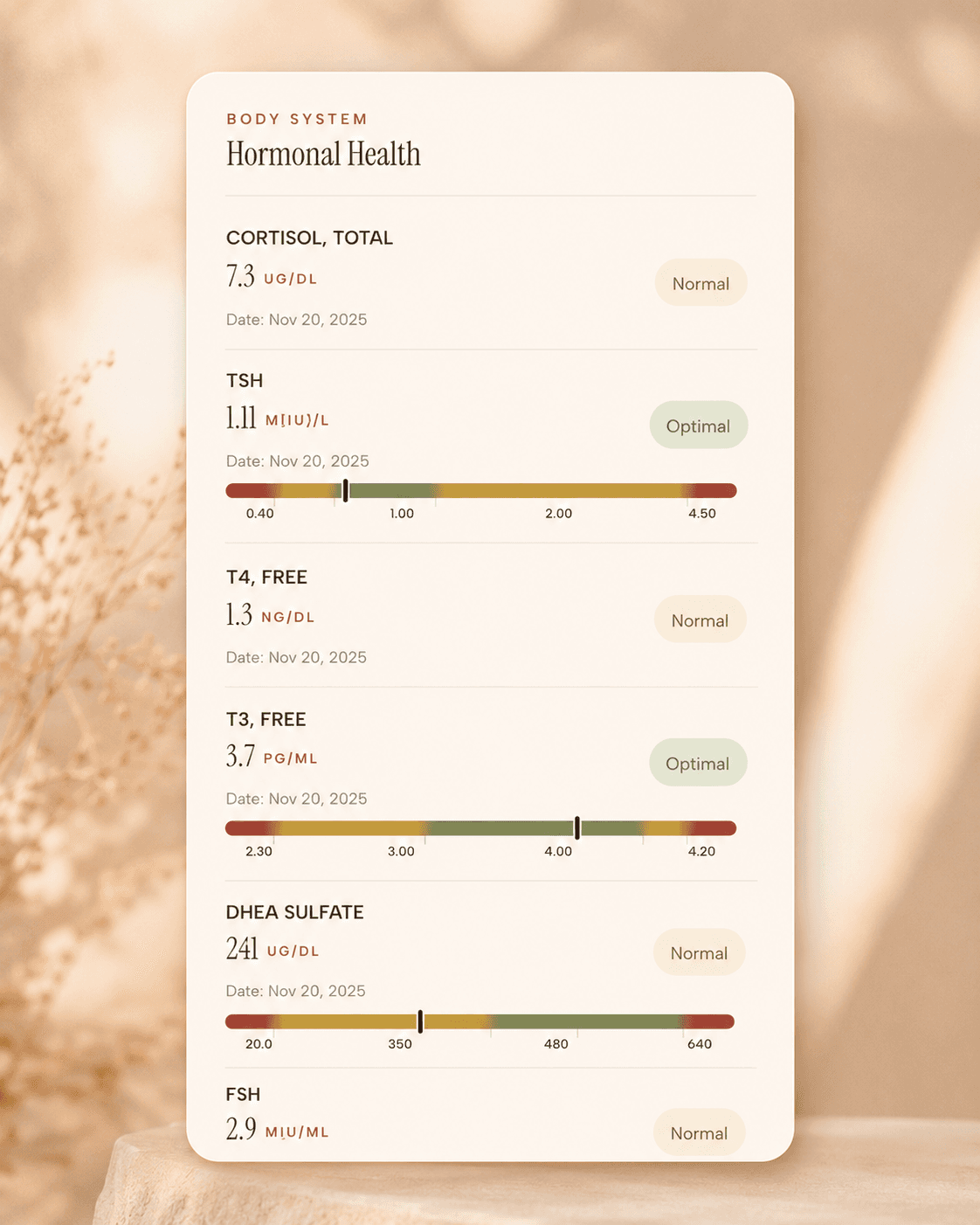
When your thyroid is underactive, your skin can look paler because circulation and skin turnover slow down, and some people also develop a slightly puffy face that changes how light hits the skin. The “so what” is that you usually do not just look different — you feel colder than everyone else, your hair may thin, and your periods can become heavier, which can then trigger iron deficiency on top of it. If paleness is paired with constipation, dry skin, and a noticeable drop in energy, checking thyroid labs is a high-yield next step.
Sudden low blood flow to skin
Your body can pull blood away from the skin when it thinks it needs to protect your core, which can happen with pain, panic, dehydration, or a vasovagal episode. This kind of paleness tends to come on quickly and may be paired with sweating, nausea, or feeling like you might faint. The key difference is timing: it often improves once you lie down, drink fluids, and your nervous system settles. If you become pale with chest pain, severe shortness of breath, black stools, or you actually faint, that is a reason to get urgent care rather than “watch and wait.”
Low pigment, not low blood
Sometimes you look pale because your skin pigment is lighter than usual, not because your blood is low. That can happen with less sun exposure, post-inflammatory color change after a rash, or patchy loss of pigment called vitiligo, which can be more noticeable around the eyes, hands, or mouth. The “so what” is that pigment changes do not usually cause fatigue or dizziness, so if you feel fine, labs may not be the first move. If you see sharply defined pale patches that are spreading, a clinician or dermatologist can confirm the pattern and check for related autoimmune issues if needed.
What Helps You Look (and Feel) Less Pale
Treat iron deficiency the right way
If iron deficiency is the driver, food alone often cannot catch you up quickly, especially if you are losing blood every month. Many people do better with a lower-dose iron supplement taken every other day, because it can improve absorption and reduce stomach upset. Taking it with vitamin C helps, while taking it with calcium, tea, or coffee can block it. The most important “fix” is also finding the source of the iron loss, because replacing iron without stopping the leak is frustrating and slow.
Address heavy periods directly
If your periods are the reason you are pale, you will keep sliding backward unless bleeding improves. Options range from anti-inflammatory meds during your period to hormonal contraception or a progesterone IUD, and which one fits depends on your goals and medical history. A useful next step is tracking how many pads or tampons you go through and whether you pass clots, because that information helps a clinician take your symptoms seriously. If you are soaking through protection every hour for several hours, that is not “normal heavy” and you should be evaluated promptly.
Replace B12 if you’re low
If your B12 is low, the fastest and safest improvement usually comes from replacing it consistently, either with high-dose oral B12 or injections depending on why you are low. You may notice energy and color improve within weeks, but nerve symptoms can take longer, which is why earlier treatment matters. If the cause is poor absorption, you may need ongoing supplementation rather than a short course. Pairing B12 replacement with a check of folate can prevent you from fixing one bottleneck while missing the other.
Correct thyroid issues thoughtfully
When a slow thyroid is the root cause, treating it can gradually improve skin tone, cold intolerance, and fatigue, but it is not an overnight change. The goal is not just a “normal” lab result — it is a dose that matches your symptoms and keeps your thyroid-stimulating hormone in a steady, healthy range. If you are trying to conceive, postpartum, or in perimenopause, thyroid shifts are more common and deserve a closer look. Ask for follow-up labs after any dose change so you are not stuck in a cycle of guessing.
Use a quick self-check for urgency
If you suddenly look pale, sit or lie down and check how you feel when you stand back up after a minute. If you are lightheaded, your heart is pounding, or you are short of breath at rest, your body may be struggling to deliver oxygen or maintain blood pressure. Drinking water and eating something salty can help if dehydration is the trigger, but it should not mask serious symptoms. If paleness is paired with fainting, severe weakness, black or bloody stools, or new chest pain, get urgent evaluation.
Useful biomarkers to discuss with your clinician
Hemoglobin
Hemoglobin is the iron-containing protein in red blood cells that actually carries oxygen throughout your body. In functional medicine, hemoglobin is considered one of the most important markers of oxygen-carrying capacity and overall vitality. Low hemoglobin (anemia) significantly impacts energy levels, cognitive function, exercise tolerance, and quality of life. Even mild decreases can cause fatigue and reduced performance. Hemoglobin levels are influenced by iron status, vitamin B12, folate, protein intake, a…
Learn moreFerritin
Ferritin is your body's iron storage protein, reflecting total iron stores in the body. In functional medicine, ferritin assessment is crucial for identifying both iron deficiency and iron overload, conditions that can significantly impact energy levels and overall health. Low ferritin is the earliest sign of iron deficiency, often occurring before anemia develops. This can cause fatigue, weakness, restless leg syndrome, and cognitive impairment. Conversely, elevated ferritin may indicate iron overload, inflamma…
Learn moreVitamin B12
Vitamin B12 (cobalamin) is essential for DNA synthesis, red blood cell formation, neurological function, and energy metabolism. In functional medicine, we recognize that B12 deficiency is surprisingly common, especially in older adults, vegetarians, vegans, and those with digestive issues. B12 deficiency can cause irreversible neurological damage if left untreated. The vitamin is crucial for methylation reactions, which affect cardiovascular health, detoxification, and gene expression. Even subclinical deficienc…
Learn moreLab testing
Get a CBC, ferritin, and vitamin B12 checked at Quest
starting from $99 panel with 100+ tests, one visit
No referral needed
About 1 week
Schedule online — results typically within a week
Clear next steps
Guidance included, with follow-up care available
HSA / FSA
Eligible for pre-tax health spending accounts
Pro Tips
Do the “lower eyelid check” in good daylight: gently pull down your lower lid and look at the inner rim. If it looks more pale than pink and you also feel tired or winded, a CBC and ferritin are worth prioritizing.
If you suspect heavy periods, track one full cycle with numbers, not vibes. Write down the day bleeding starts, the heaviest day, how often you change protection, and whether you leak through at night, because that data changes the conversation with your clinician.
When you take iron, separate it from coffee, tea, and calcium by at least two hours. That one timing change can make the same dose work noticeably better within a month.
If you are vegetarian or vegan, build a “B12 habit” you will actually keep, such as a weekly high-dose supplement on the same day you do laundry. B12 deficiency is common in low-animal-food diets and it is much easier to prevent than to chase once symptoms start.
Take a baseline photo of your face in the same spot and lighting once a month. It sounds silly, but it helps you tell the difference between true new pallor and normal variation from sleep, season, and indoor lighting.
Frequently Asked Questions
Is pale skin a sign of anemia in women?
It can be, especially if paleness comes with fatigue, shortness of breath on exertion, dizziness, or a fast heartbeat. A complete blood count (CBC) can confirm whether your hemoglobin is low, and ferritin can catch iron deficiency even before anemia shows up. If you are pale and your periods are heavy, testing is particularly high-yield. The next step is to check labs rather than guessing based on appearance alone.
What does low ferritin feel like?
Low ferritin often feels like persistent tiredness that sleep does not fix, reduced exercise tolerance, headaches, and sometimes restless legs or cravings for ice. You can have these symptoms even when your hemoglobin is still in the normal range because ferritin is your iron “savings account.” Many people feel better when ferritin is closer to 50–100 ng/mL rather than barely above the lab cutoff. If you suspect it, ask for ferritin along with a CBC.
Can heavy periods make you look pale?
Yes, because month-after-month blood loss can drain iron stores and lower hemoglobin over time. You might notice you look washed out around your period, and you may also feel more winded, get more headaches, or need to nap. If you are soaking through pads or tampons every hour for a stretch, passing large clots, or bleeding longer than a week, that is a strong reason to get evaluated. Treating the bleeding source is often as important as replacing iron.
Why do I look pale but my CBC is normal?
A normal CBC does not rule out early iron deficiency, because ferritin can be low before hemoglobin drops. You can also look pale from pigment changes, less sun exposure, or a sudden shift in blood flow from stress or dehydration, none of which will necessarily change your CBC. If you feel unwell, add ferritin and vitamin B12 to your workup, and consider thyroid testing if you are also cold, constipated, or losing hair. Bring a photo showing the change over time if it helps you explain what you’re seeing.
When is pale skin an emergency?
Treat it as urgent if paleness comes on suddenly with fainting, chest pain, severe shortness of breath, confusion, or black or bloody stools. Those combinations can signal significant blood loss, a heart or lung problem, or shock, and they need same-day evaluation. If you are pale and your heart is racing at rest or you feel too weak to stand, do not try to “power through.” Get urgent care and tell them when the paleness started and what symptoms came with it.