Brittle Nails During Period: Causes, Fixes, and Lab Tests
Brittle nails during period often come from low iron, thyroid shifts, or frequent wet-dry cycles from PMS routines. Targeted labs—no referral needed.





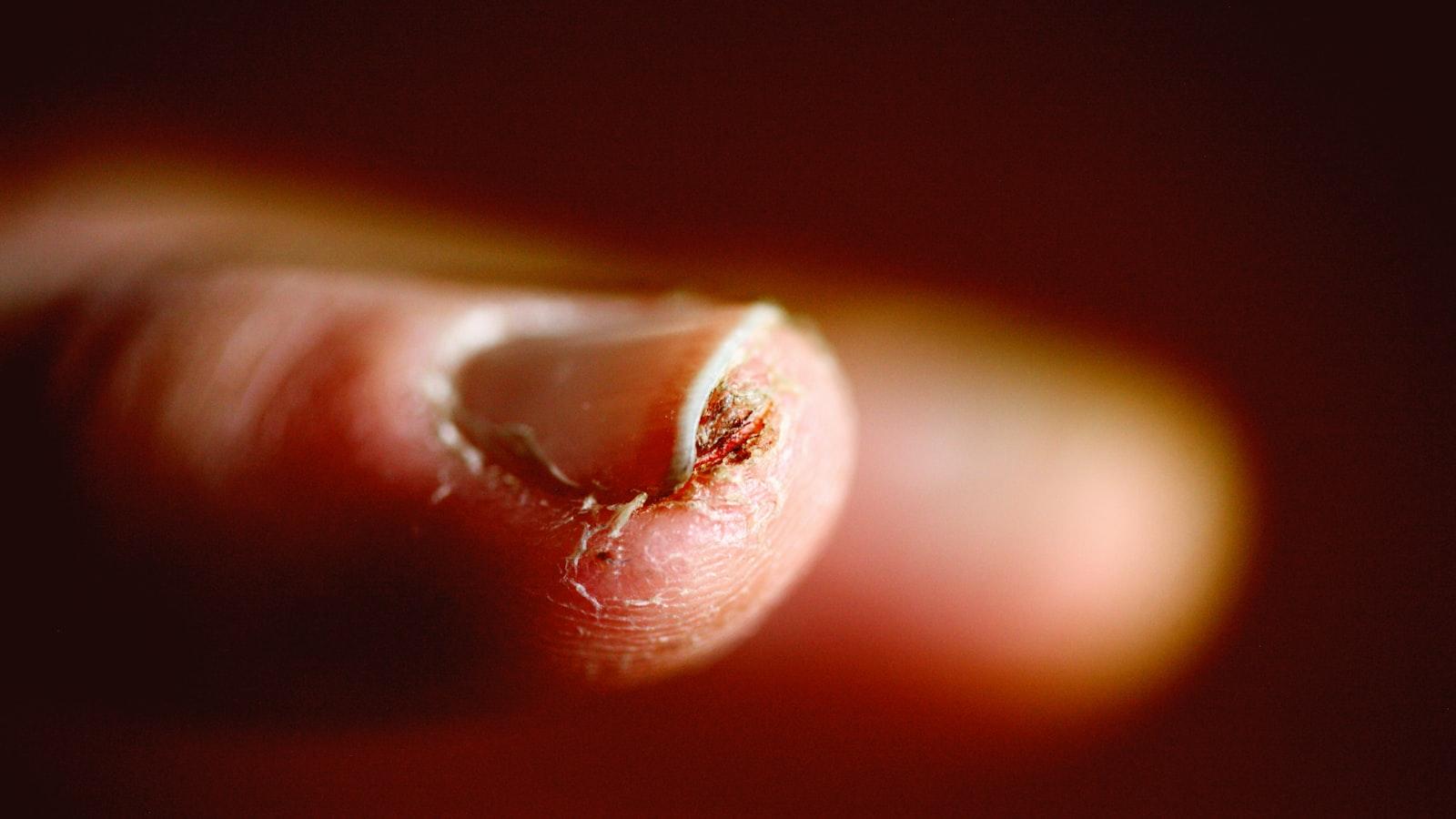
Brittle nails during your period usually come down to three things: low iron stores that show up most when you’re bleeding, hormone shifts that dry out your nail and cuticle, or extra “wet-to-dry” exposure from period-week handwashing and cleaning. The frustrating part is that your nails can look fine most of the month and then suddenly peel or split when your cycle hits. A few targeted blood tests can help you figure out which of these is actually driving it for you. If you’re staring at peeling layers at the tip of your nails, it’s easy to assume it’s “just hormones,” but nails are slow-growing tissue, so they also reflect what your body has been dealing with for the last couple of months. Your period can act like a stress test: it temporarily increases iron demand, it changes skin oil and water balance, and it often changes your routines. This guide walks you through the most common causes, what helps in real life, and which labs are worth checking. If you want help matching your pattern to a likely cause, PocketMD can talk it through with you, and Vitals Vault labs can help you confirm what’s going on without guesswork.
Why your nails get brittle around your period
Low iron stores show up fast
If your iron reserves are already low, the blood loss from your period can push you into a range where your nails stop building strong keratin and start peeling at the edges. This often comes with other “quiet” clues like feeling colder than usual, getting winded on stairs, or noticing more hair shedding. The most useful test here is ferritin, because you can have a normal hemoglobin and still have iron stores that are too low for healthy nails.
Hormone shifts dry the nail
In the days before and during your period, estrogen and progesterone drop, and your skin barrier can hold onto less water. Your nails are basically compacted skin, so they can become more brittle and prone to splitting, especially if your cuticles look dry or ragged at the same time. If this is your main driver, you’ll usually notice the brittleness tracks closely with cycle timing and improves again mid-cycle.
Thyroid slowdown affects nail growth
An underactive thyroid (hypothyroidism) slows down how quickly your nail matrix makes new nail, and it can also make nails drier and more ridged. You might feel this as nails that won’t “grow out” damage, plus fatigue, constipation, or feeling puffy. Your period doesn’t cause thyroid disease, but cycle stress and iron deficiency can make thyroid symptoms feel more obvious, which is why checking TSH can be clarifying.
Wet-dry cycles cause peeling layers
Nails absorb water and then lose it again, and that repeated swelling and shrinking can make the nail plate delaminate, which looks like peeling layers at the tip. Period week often means more handwashing, more cleaning, and more time with pads, cups, or laundry, which quietly increases water and detergent exposure. If your nails peel more than they crack, and your hands are dry too, this “environmental” cause is very likely.
Picking, biting, or gel removal
When you’re stressed, crampy, or distracted, you may pick at cuticles or bite nails without realizing it, and that creates tiny tears that later split. At-home gel or acrylic removal can also strip the top layers of the nail, and you might only notice the damage once it catches on fabric during your period. The giveaway is uneven breakage, rough patches, or a nail surface that looks scraped rather than uniformly thin.
What actually helps your nails feel stronger
Treat low ferritin, not just anemia
If ferritin is low, improving iron stores is often the fastest way to stop the “peel and snap” cycle, but it takes weeks because nails grow slowly. Many people do better with iron taken every other day, because absorption can be higher and stomach side effects can be lower, although your clinician can tailor the dose to your labs. Pairing iron with vitamin C and avoiding taking it with calcium or coffee can make a noticeable difference in how well it works.
Use a barrier routine for hands
For peeling nails, the goal is to reduce water and detergent damage, not to “strengthen” the nail with harsh hardeners. Put on a thick fragrance-free cream after every handwash, and seal the cuticle area with a simple ointment at night so your nail plate holds onto moisture. If you do dishes or cleaning, wearing gloves is not cosmetic advice—it is mechanical protection for a material that swells in water.
Skip aggressive nail hardeners
Formaldehyde-based hardeners can make nails feel tougher for a week, but they can also make them more brittle over time, which is the opposite of what you want during period-week splitting. If you like polish, a flexible base coat and regular oiling of the cuticle tends to work better than “extra strength” products. Think of it as keeping the nail slightly more elastic so it bends instead of shattering.
Consider biotin only if needed
Biotin can improve nail thickness in some people with brittle nails, but the evidence is limited and it is not a quick fix for iron deficiency or thyroid problems. The practical issue is that biotin can interfere with certain lab tests, including some thyroid and heart tests, which can lead to confusing results. If you try it, tell your clinician and stop it for a couple of days before bloodwork unless you’re told otherwise.
Get thyroid treated if abnormal
If TSH suggests hypothyroidism, treating the thyroid issue can gradually improve nail texture and growth, but it is a slow win because the damaged nail has to grow out. You’ll usually notice fewer splits at the base first, then stronger length over the next few months. The key takeaway is that nail changes alone are not enough to dose thyroid medication, so use symptoms plus labs to guide the plan.
Useful biomarkers to discuss with your clinician
Ferritin
Ferritin is your body's iron storage protein, reflecting total iron stores in the body. In functional medicine, ferritin assessment is crucial for identifying both iron deficiency and iron overload, conditions that can significantly impact energy levels and overall health. Low ferritin is the earliest sign of iron deficiency, often occurring before anemia develops. This can cause fatigue, weakness, restless leg syndrome, and cognitive impairment. Conversely, elevated ferritin may indicate iron overload, inflamma…
Learn moreTSH
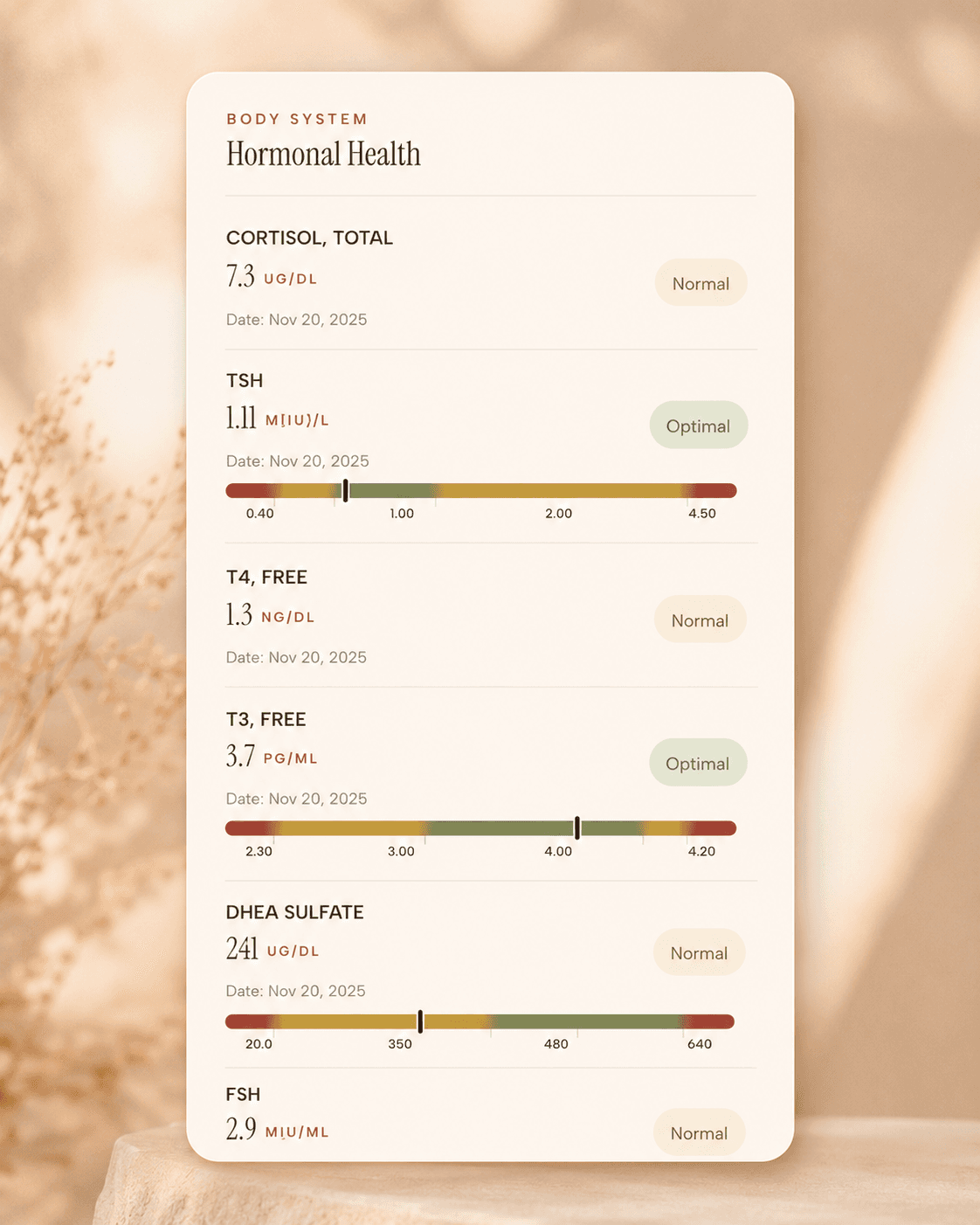
TSH is the master regulator of thyroid function, controlling the production of thyroid hormones T4 and T3. In functional medicine, we use narrower TSH ranges than conventional medicine to identify subclinical thyroid dysfunction early. Even mildly elevated TSH can indicate thyroid insufficiency, leading to fatigue, weight gain, depression, and metabolic dysfunction. TSH levels are influenced by stress, nutrient deficiencies, autoimmune conditions, and environmental toxins. Optimal TSH supports energy, metabolism…
Learn moreIron Binding Capacity
TIBC helps distinguish between different causes of abnormal iron levels. High TIBC indicates iron deficiency (the body increases transferrin to capture more iron), while low TIBC suggests iron overload or chronic disease. It's essential for accurate iron status assessment. Total Iron Binding Capacity (TIBC) measures the blood's capacity to bind iron with transferrin, the main iron transport protein. It indirectly reflects transferrin levels and iron status.
Learn moreLab testing
Get ferritin, TSH, and CBC checked at Quest
starting from $99 panel with 100+ tests, one visit
No referral needed
About 1 week
Schedule online — results typically within a week
Clear next steps
Guidance included, with follow-up care available
HSA / FSA
Eligible for pre-tax health spending accounts
Pro Tips
Do a two-cycle check-in: take clear photos of the same two nails on day 1 of your period and again around ovulation. If the peeling reliably worsens during bleeding, that pattern makes iron loss and hormone-linked dryness more likely than a random product reaction.
If your nails peel, switch to “less soaking” habits for two weeks: wash hands with lukewarm water, pat dry, and apply cream immediately. That one change often reduces delamination more than any supplement.
Use cuticle oil like a medication, not a treat: rub a drop into the cuticle and under the free edge morning and night for 14 days. You’re trying to keep the nail plate slightly flexible so it bends instead of splitting.
If you get gel manicures, ask for gentle removal or take a break for one full nail-growth cycle. When the top layers are stripped, your nails can feel weak exactly when your period-week dryness hits.
If your periods are heavy enough that you soak through a pad or tampon in about an hour for several hours, treat that as a real clue. Bringing that detail to a clinician helps them take iron testing and bleeding evaluation seriously.
Frequently Asked Questions
Can your period actually cause brittle nails?
Your period does not usually damage nails directly, but it can reveal a problem that was already brewing. Blood loss can lower iron stores, and the hormone drop around bleeding can dry out your nail and cuticle, which makes splitting more likely. If it happens in a predictable cycle pattern, checking ferritin and a CBC is a practical next step.
What vitamin deficiency causes brittle nails in women?
Low iron is one of the most common deficiencies linked to brittle or spoon-shaped nails, especially if you have heavy periods. Low zinc or low protein intake can also contribute, but iron deficiency is the one most tied to menstrual blood loss. Ask for ferritin, because it can be low even when hemoglobin still looks normal.
What ferritin level is too low for nail health?
Labs often flag ferritin as “low” only at very low numbers, but symptoms can show up earlier. For brittle nails and shedding, many clinicians consider ferritin below about 30 ng/mL suspicious, and many people do better once ferritin is at least 30–50 ng/mL. If you have heavy bleeding, you may need a higher target, so recheck after 8–12 weeks of treatment.
Is brittle nails a sign of thyroid problems?
It can be, especially when brittle nails come with slow nail growth, dry skin, constipation, or fatigue. An underactive thyroid can make nails drier and more prone to ridges and splitting over time. A TSH test is the simplest first screen, and if it is abnormal, follow-up thyroid labs can help confirm the pattern.
Do biotin supplements really help brittle nails?
Biotin may help some people with brittle nails, but the evidence is based on small studies and it will not fix iron deficiency or hypothyroidism. The bigger issue is that biotin can interfere with certain blood tests, including some thyroid tests, which can create misleading results. If you try biotin, pause it before lab work and focus just as much on reducing wet-dry damage to your nails.