Hair Thinning During Your Period: What It Usually Means
Hair thinning during period often reflects iron loss, thyroid shifts, or androgen sensitivity. Pinpoint the cause with targeted blood tests—no referral needed.





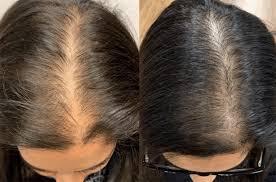
Hair thinning during your period is usually a timing issue, not your hair “dying” overnight. The most common drivers are low iron stores from monthly blood loss, a thyroid imbalance that shows up as shedding, or hair follicles that are extra sensitive to androgens (the “male-pattern” hormones that everyone has). Simple blood tests can help you figure out which one fits your body so you can stop guessing. It’s also normal for hair shedding to feel more noticeable around your cycle because you’re paying attention to your body, your scalp may be oilier or drier than usual, and you might be washing or styling differently. Still, if you’re seeing a widening part, more scalp showing at the temples, or handfuls of hair in the shower, you deserve a clear plan. This guide walks you through the most likely causes, what tends to help (and what is mostly hype), and which labs are most useful. If you want help connecting your symptoms, cycle pattern, and results, PocketMD and targeted labs through Vitals Vault can be practical tools—not a replacement for care, but a way to get clarity faster.
Why hair thinning can flare around your period
Low iron stores (low ferritin)
Even if your hemoglobin is “normal,” your iron storage tank can be low, and hair follicles are one of the first places your body cuts back. Heavy periods can slowly drain ferritin, which can push more hairs into the shedding phase and make your ponytail feel thinner. If your periods are long, clotty, or you also feel winded or restless at night, ferritin is a high-yield test to check.
Stress shedding (telogen effluvium)
Your hair has a built-in delay: a big stressor can trigger shedding two to three months later, which is why it can seem “period-related” even when the trigger was earlier. This kind of shedding is usually diffuse, meaning it comes from all over your scalp rather than one patch. The takeaway is timing—think back 8–12 weeks for triggers like illness, rapid weight loss, intense training, surgery, or a major life event.
Thyroid imbalance affecting growth
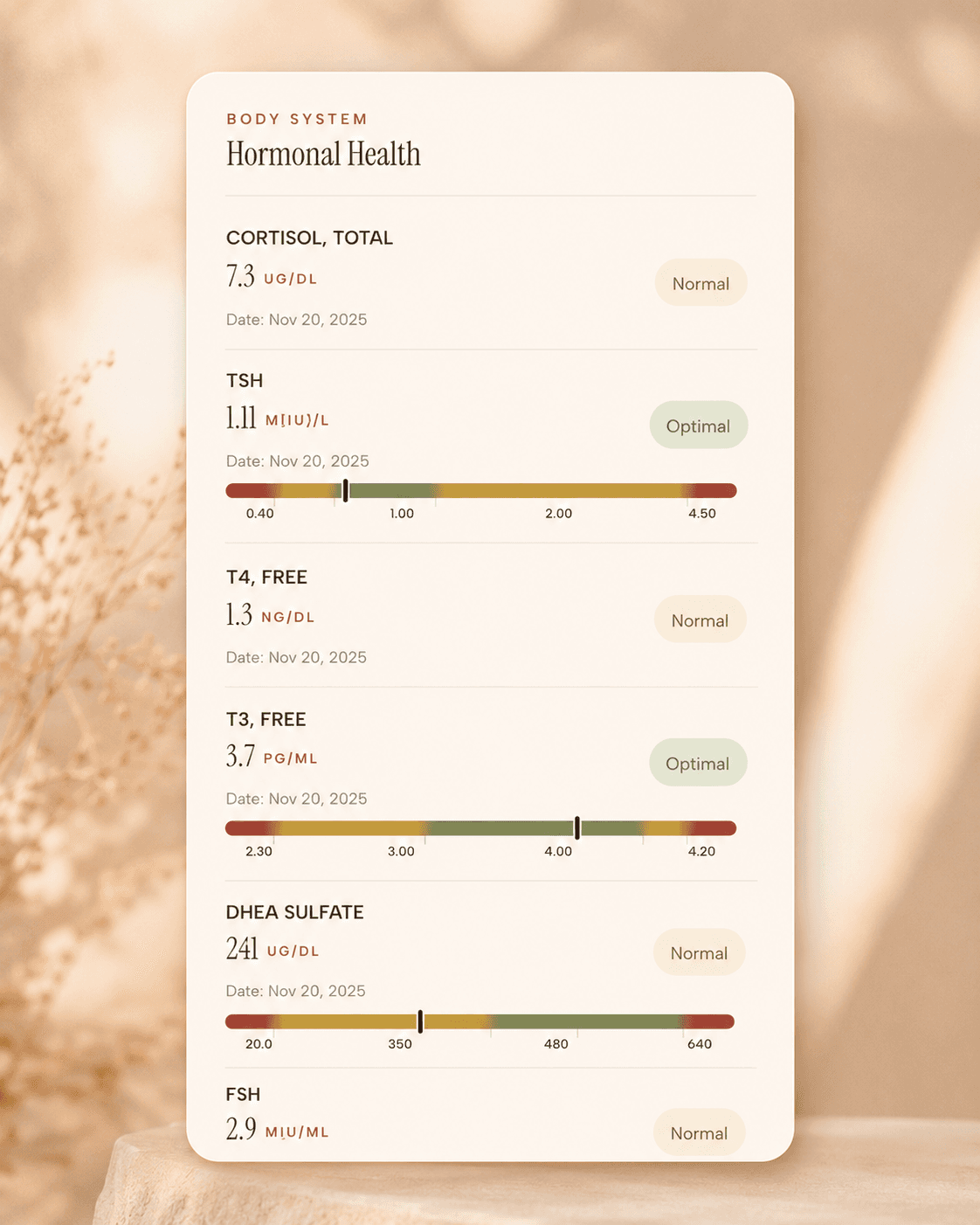
Your thyroid sets the pace for many tissues, including hair follicles, so when it runs slow or fast, hairs can shift out of the growth phase sooner. You might notice more shedding plus dry skin, constipation, anxiety, or a change in your heart rate, and those symptoms can also feel more intense around your period. A TSH test is a good starting point, and if it is off, you and your clinician can decide whether to add free T4 and thyroid antibodies.
Androgen-sensitive follicles (pattern thinning)
Some follicles are genetically more sensitive to androgens, which can gradually miniaturize hairs so they grow back finer each cycle. This often shows up as a widening part or thinning at the crown rather than sudden clumps, and it can feel more obvious around your period when hormones shift and scalp oil changes. If you also have acne, chin hair, or irregular cycles, it’s worth considering a hormone pattern like PCOS, even if your periods still arrive.
Low vitamin D and scalp inflammation
Vitamin D plays a role in hair follicle cycling and immune balance, so low levels can make shedding harder to recover from, especially if your scalp is itchy or flaky. This does not mean vitamin D is the only cause, but correcting a deficiency can remove a “brake” on regrowth. If you rarely get midday sun or you’ve had low levels before, testing helps you supplement with the right dose instead of guessing.
What actually helps your hair recover
Treat low ferritin with a plan
If ferritin is low, the fix is not just “eat more spinach,” because plant iron is hard to absorb and hair repletion takes time. Many people do well with an iron supplement taken every other day, paired with vitamin C, and kept away from calcium or coffee which block absorption. Recheck ferritin after about 8–12 weeks, because your goal is usually a steady climb into a hair-friendly range, not a one-week change.
Use minoxidil consistently
Topical minoxidil can help both pattern thinning and some forms of diffuse shedding because it nudges follicles back into the growth phase. The catch is consistency: early on you can see extra shedding for a few weeks, which is scary but often means old hairs are being pushed out to make room for new growth. If you try it, commit to at least 4–6 months before judging, and take monthly photos in the same lighting so you can see trends.
Protect your hair during “shed weeks”
When you’re shedding, the hair you have is more likely to break if you pull it tight or heat-style aggressively, which makes thinning look worse than it is. Switching to a looser style, using a wide-tooth comb on wet hair, and limiting high-heat tools for a couple of weeks can reduce breakage while your follicles catch up. This is especially helpful if you notice short, snapped hairs around your hairline.
Address thyroid issues, not just symptoms
If your TSH suggests hypothyroidism or hyperthyroidism, hair usually improves when your thyroid is brought back into a steady range, but it can take a few months because hair grows slowly. The practical move is to avoid frequent dose changes unless your clinician recommends it, because swings can prolong shedding. Ask what target range they are aiming for and when to recheck, so you are not stuck in limbo.
Check your cycle and bleeding pattern
If your hair thinning tracks with very heavy periods, the long-term solution may be reducing blood loss, not endlessly replacing iron. Options can include treating fibroids, adjusting contraception, or using medications that reduce bleeding, depending on your situation and goals. If you soak through a pad or tampon in an hour, pass large clots, or feel lightheaded during your period, bring that up directly because it changes the whole strategy.
Lab tests that help explain hair thinning during your period
Ferritin
Ferritin is your body's iron storage protein, reflecting total iron stores in the body. In functional medicine, ferritin assessment is crucial for identifying both iron deficiency and iron overload, conditions that can significantly impact energy levels and overall health. Low ferritin is the earliest sign of iron deficiency, often occurring before anemia develops. This can cause fatigue, weakness, restless leg syndrome, and cognitive impairment. Conversely, elevated ferritin may indicate iron overload, inflamma…
Learn moreTSH
TSH is the master regulator of thyroid function, controlling the production of thyroid hormones T4 and T3. In functional medicine, we use narrower TSH ranges than conventional medicine to identify subclinical thyroid dysfunction early. Even mildly elevated TSH can indicate thyroid insufficiency, leading to fatigue, weight gain, depression, and metabolic dysfunction. TSH levels are influenced by stress, nutrient deficiencies, autoimmune conditions, and environmental toxins. Optimal TSH supports energy, metabolism…
Learn moreTestosterone, Total, Ms
Total testosterone is the primary male sex hormone responsible for muscle mass, bone density, libido, energy levels, and cognitive function. In functional medicine, we recognize testosterone as a key marker of vitality and aging. Low testosterone (hypogonadism) affects up to 40% of men over 45 and is linked to metabolic syndrome, cardiovascular disease, depression, and reduced quality of life. Optimal testosterone levels support healthy body composition, sexual function, motivation, and overall masculine vitalit…
Learn moreLab testing
Check ferritin, TSH, and vitamin D at Quest
starting from $99 panel with 100+ tests, one visit
No referral needed
About 1 week
Schedule online — results typically within a week
Clear next steps
Guidance included, with follow-up care available
HSA / FSA
Eligible for pre-tax health spending accounts
Pro Tips
Do a two-week “shed check” around your cycle: each morning, count hairs in your brush after the first pass and write the number down. A clear pattern beats vague worry, and it helps you tell diffuse shedding from breakage.
If you suspect heavy bleeding, track how often you change pads or tampons on your heaviest day and whether you pass clots larger than a quarter. That one detail can explain low ferritin faster than any supplement routine.
Take three scalp photos once a month—middle part, crown, and each temple—in the same bathroom lighting. Hair changes are slow, and photos protect you from the day-to-day “it’s getting worse” feeling.
If you start iron, set a calendar reminder to recheck ferritin in 8–12 weeks and adjust the dose based on the number, not just how you feel. Hair is a long game, and you want steady improvement without overshooting.
When shedding spikes, wash your hair as often as your scalp needs rather than stretching washes to “save hair.” Loose shed hairs will come out anyway, and gentle washing can make the situation feel less dramatic.
Frequently Asked Questions
Can your period actually cause hair loss?
Your period does not usually cause instant hair loss, but it can reveal problems that affect hair growth, especially low iron stores from monthly blood loss. Hormone shifts can also make scalp oil and inflammation fluctuate, which makes thinning feel more noticeable. If the pattern repeats and you have heavy bleeding, checking ferritin is a smart first step.
How do I know if it’s shedding or female pattern hair loss?
Shedding (often stress shedding [telogen effluvium]) tends to be diffuse, so you notice more hair everywhere, including the sides and back. Female pattern hair loss more often shows a widening part or thinning at the crown while the hairline stays mostly intact. Taking monthly photos of your part and crown can make the pattern clearer than memory alone.
What ferritin level is too low for hair growth?
Many people with hair thinning feel best when ferritin is well above the minimum “normal” cutoff, because hair follicles are sensitive to low reserves. A commonly used target for hair support is roughly 50–100 ng/mL, although inflammation can falsely raise ferritin. If your ferritin is below about 30 ng/mL and you have heavy periods, it is worth discussing iron replacement and a recheck in 8–12 weeks.
Why is my hair thinning right before my period?
Right before your period, progesterone and estrogen drop, and that shift can change scalp oil, itch, and how “flat” your hair looks, which makes thinning easier to notice. The shedding you see that week is often hair that entered the shedding phase weeks earlier, so the timing can be misleading. If it happens every cycle, look for repeatable drivers like low ferritin or thyroid symptoms and confirm with labs.
When should I see a doctor for hair thinning during my period?
Get checked sooner if you have sudden patchy bald spots, scalp pain or pus, or hair loss after a new medication, because those patterns need targeted treatment. It is also worth booking a visit if you are soaking through pads or tampons hourly, feeling faint during periods, or your thinning is progressing over 3–6 months. Bring a short timeline, photos, and any ferritin or TSH results so the appointment is more productive.
Research worth knowing about
British Association of Dermatologists: patient guidance on female pattern hair loss and treatments
Review: Telogen effluvium triggers, timeline, and evaluation (useful for “why is this happening now?”)
Endocrine Society guideline: evaluation and treatment of hirsutism in premenopausal women (relevant when androgen sensitivity is part of thinning)