Night Sweats in Your 20s: What They Usually Mean
Night sweats in your 20s often come from infections, hormone shifts, or thyroid overactivity. Sort causes fast with targeted labs at Quest—no referral needed.





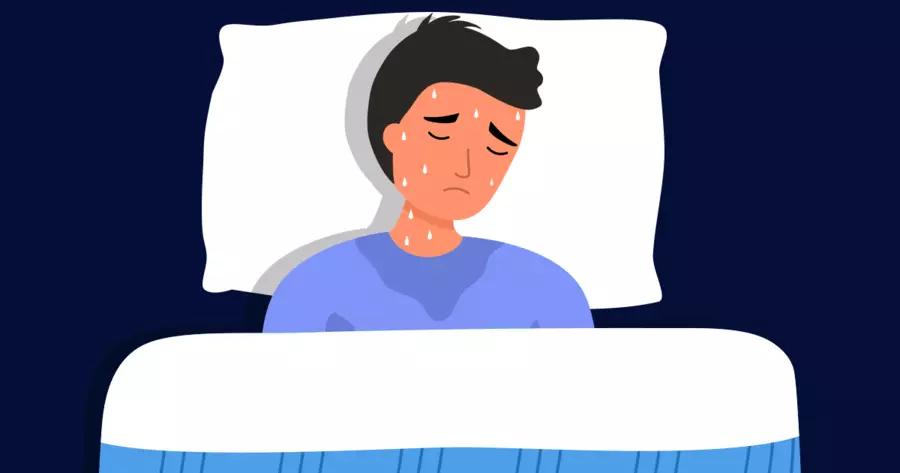
Night sweats in your 20s are usually your body dumping heat because something is pushing your “thermostat” too hard, such as an infection, a thyroid that is running fast, or a hormone shift (including low testosterone in men or cycle-related changes). Sometimes it is simply a sleep environment problem, but drenching sweats that keep happening deserve a quick, structured check. A few targeted labs can often point you toward the right bucket so you are not guessing. Waking up soaked is miserable because it steals sleep and it also messes with your head. It is easy to jump straight to scary possibilities, but most people in their 20s do not have something rare or catastrophic. The trick is separating “annoying but fixable” from “needs attention soon,” and doing it without spiraling. This guide walks you through the most common causes, what helps right away, and which blood tests can clarify what is going on. If you want help matching your exact pattern to the most likely cause, PocketMD can talk it through with you, and Vitals Vault labs can help you check the most relevant markers.
Why you’re getting night sweats in your 20s
A hidden infection is simmering
When your immune system is fighting something, your temperature set-point can rise and fall overnight, which makes you sweat as your body tries to cool down. This often comes with other clues, such as a lingering cough, sore throat that will not quit, new urinary symptoms, or a fever you only notice when you check. If your sweats started around the same time as feeling “off,” take your temperature before bed and again when you wake, because that pattern helps a clinician decide what to test and treat.
Your thyroid is running too fast
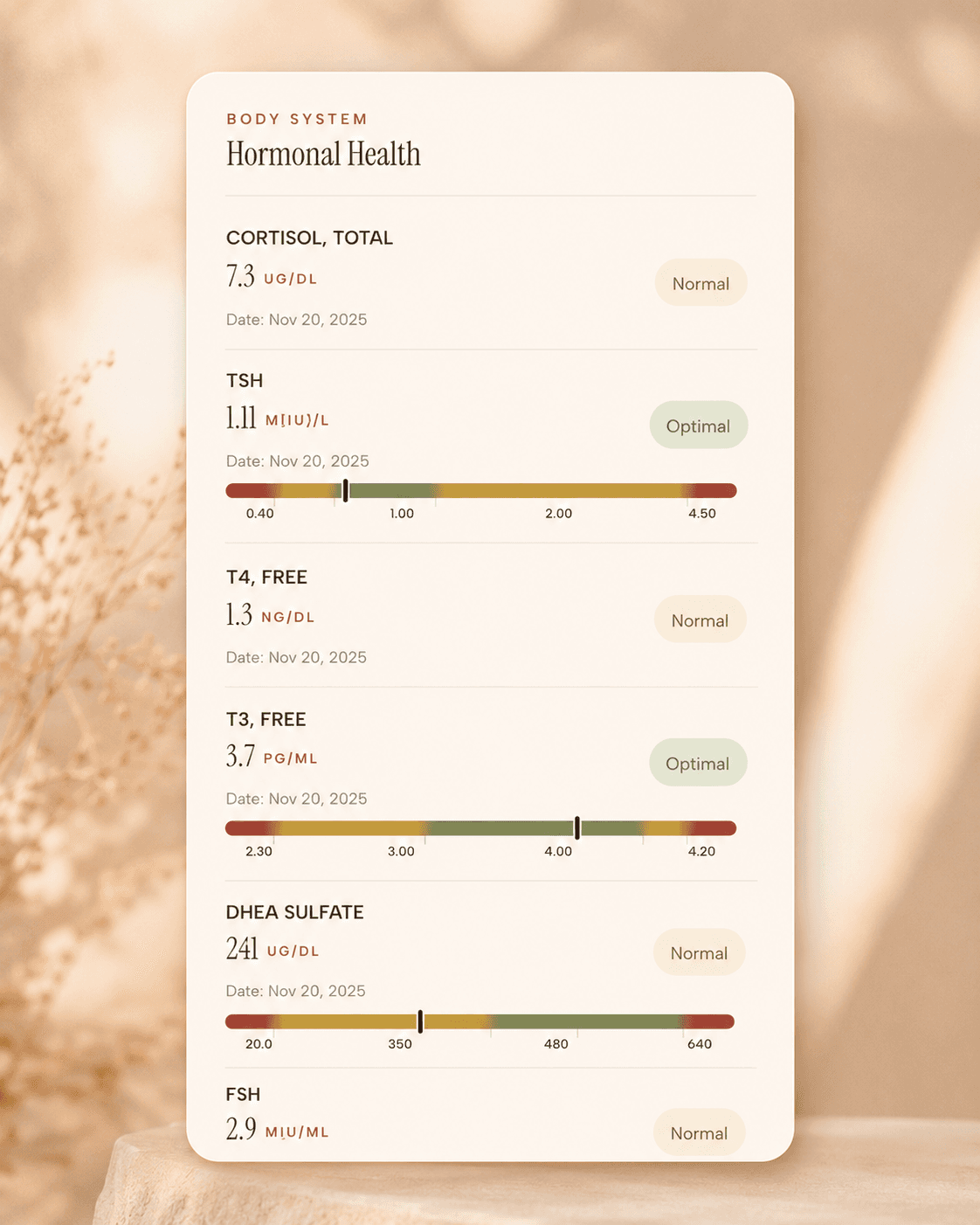
A thyroid that is overactive can keep your metabolism revved even when you are trying to sleep, so you feel overheated and wake up damp with a racing heart. You might also notice shakiness, more frequent bowel movements, or unexplained weight loss despite normal eating. The key takeaway is that this is one of the most testable causes, and treating the thyroid problem usually improves the sweating and the sleep.
Hormone swings trigger heat dumps
Even in your 20s, shifts in estrogen and progesterone across your cycle can change how sensitive your brain’s temperature control center (hypothalamus) is. That can feel like sudden warmth, flushing, and then sweating, especially in the week before your period or right after stopping hormonal birth control. If your night sweats track with your cycle, write down which cycle day they happen, because that timing is often more useful than a single hormone number.
Low testosterone can show up at night
In men, low testosterone can disrupt sleep architecture and temperature regulation, and it sometimes shows up as night sweats paired with low libido, fewer morning erections, or unusual fatigue. It is also common for sleep apnea, heavy alcohol use, and some medications to lower testosterone and worsen sweating, so the “cause” can be a chain rather than one thing. If this sounds like you, a morning testosterone test is the right starting point, not supplements from the internet.
Stress, panic, or nightmares
Adrenaline surges during anxiety, panic, or vivid nightmares can make you wake up sweaty with a pounding heart, even if your room is cool. The sweat is real, but the driver is your nervous system flipping into “fight or flight” while you are asleep. A useful clue is whether you wake up already anxious or with a clear mental trigger, and whether the sweats improve when you reduce evening stimulants and build a wind-down routine.
What actually helps you stop night sweats
Do a 7-night temperature experiment
Set your room to a specific target for a week, ideally around 65–67°F (18–19°C), and use breathable bedding so you can adjust layers without fully waking up. This matters because “too warm” is the simplest cause and also the easiest to rule out quickly. If the sweats drop by half with this change alone, you just saved yourself a lot of worry and testing.
Time your workouts and alcohol
Hard exercise late at night keeps your core temperature elevated for hours, and alcohol can cause a rebound adrenaline surge in the second half of the night that ends in sweating. Try moving intense workouts earlier in the day and taking a two-week break from alcohol to see if the pattern changes. If your sweats mostly happen after drinking, that is a strong signal that sleep disruption is a major driver.
Treat reflux if you wake up hot
Acid reflux can trigger micro-awakenings and stress-hormone spikes that feel like “random” sweating, especially if you also wake with a sour taste, cough, or throat burning. Avoid heavy meals within three hours of bed and try sleeping on a slight incline for a week. If that helps, it is worth discussing reflux treatment rather than chasing hormones first.
Address nasal blockage and snoring
If you snore, wake with a dry mouth, or feel unrefreshed even after enough hours, you might be having breathing disruptions that spike adrenaline and body temperature. Even mild sleep apnea can show up as sweating in younger adults, especially with weight changes or nasal congestion. A practical first step is to treat allergies or chronic congestion and ask about a sleep evaluation if symptoms persist.
Get targeted labs, not random panels
When night sweats keep happening for more than two to three weeks, labs can help you avoid months of guesswork. The goal is to check a few high-yield markers that connect directly to common causes in your 20s, such as thyroid overactivity, inflammation from infection, or low testosterone. Bring your symptom timeline and any fever readings to the conversation, because context makes the results far more meaningful.
Useful biomarkers to discuss with your clinician
TSH
TSH is the master regulator of thyroid function, controlling the production of thyroid hormones T4 and T3. In functional medicine, we use narrower TSH ranges than conventional medicine to identify subclinical thyroid dysfunction early. Even mildly elevated TSH can indicate thyroid insufficiency, leading to fatigue, weight gain, depression, and metabolic dysfunction. TSH levels are influenced by stress, nutrient deficiencies, autoimmune conditions, and environmental toxins. Optimal TSH supports energy, metabolism…
Learn moreTestosterone, Total, Ms
Total testosterone is the primary male sex hormone responsible for muscle mass, bone density, libido, energy levels, and cognitive function. In functional medicine, we recognize testosterone as a key marker of vitality and aging. Low testosterone (hypogonadism) affects up to 40% of men over 45 and is linked to metabolic syndrome, cardiovascular disease, depression, and reduced quality of life. Optimal testosterone levels support healthy body composition, sexual function, motivation, and overall masculine vitalit…
Learn moreEstradiol
Estradiol in men is produced from testosterone via aromatase enzyme. In functional medicine, we recognize that men need optimal estradiol levels for bone health, cognitive function, and cardiovascular protection. However, excessive estradiol can suppress testosterone production and cause feminizing effects. The testosterone-to-estradiol ratio is crucial for male health, with optimal balance supporting vitality while preventing estrogen dominance. Balanced estradiol levels in men support bone health and cognitive…
Learn moreLab testing
Check thyroid, inflammation, and testosterone at Quest
starting from $99 panel with 100+ tests, one visit
No referral needed
About 1 week
Schedule online — results typically within a week
Clear next steps
Guidance included, with follow-up care available
HSA / FSA
Eligible for pre-tax health spending accounts
Pro Tips
Use a towel “sandwich” tonight: put one towel on the sheet and one on top of you, so if you wake up drenched you can pull off the top towel and roll onto a dry spot without fully changing the bed.
For two weeks, log the exact wake time, whether your shirt is damp or soaked, and whether your heart is pounding when you wake. That one detail helps separate heat-driven sweating from adrenaline-driven sweating.
If you suspect fever, keep a thermometer by the bed and record a reading when you wake sweaty. A repeatable pattern of 100.4°F (38°C) or higher changes the urgency and the workup.
Try a “cool-down buffer” before sleep: a lukewarm shower 60–90 minutes before bed and then a fan aimed across (not directly at) you. It helps your body shed heat gradually instead of overshooting and sweating at 3 a.m.
If you are on an SSRI/SNRI antidepressant or you recently changed the dose, write down the start date and dose change date. Medication-related sweating often begins within days to weeks, and that timeline is a powerful clue to bring to your prescriber.
Frequently Asked Questions
Are night sweats in your 20s normal?
They can be common, but “normal” depends on the pattern. Occasional mild sweating after a warm room, a heavy blanket, alcohol, or a late workout is usually not concerning. Drenching sweats that happen repeatedly for more than two to three weeks, especially with fever, weight loss, or swollen lymph nodes, deserve a check-in and often basic labs like TSH and CRP.
When should I worry that night sweats are something serious like lymphoma?
Night sweats alone are rarely the only sign of lymphoma, and most people in their 20s with sweats do not have it. The red-flag combo is drenching sweats plus unexplained weight loss, persistent fevers, or enlarged lymph nodes that keep growing over weeks. If you have that pattern, book an urgent appointment rather than trying to self-diagnose from symptoms.
Can anxiety cause night sweats even if I’m asleep?
Yes. Anxiety can trigger adrenaline surges during sleep, which can wake you with a racing heart and sweat even in a cool room. If your temperature is normal and the sweat episodes come with panic sensations or vivid nightmares, that points toward a nervous-system driver. Track whether caffeine, nicotine, or late-night scrolling makes it worse, and consider targeted anxiety treatment if it is frequent.
What blood tests are best for night sweats in your 20s?
High-yield starters are TSH for thyroid overactivity, CRP for inflammation that can suggest infection, and morning total testosterone for men when symptoms fit. These tests do not diagnose everything, but they often tell you which direction to investigate next. If results are abnormal, bring the numbers and your symptom timeline to a clinician so the follow-up testing is focused.
Can low testosterone cause night sweats in men in their 20s?
It can, especially when night sweats come with low libido, fewer morning erections, and unrefreshing sleep. The right way to check is a morning total testosterone test, and many clinicians repeat it to confirm because sleep and illness can temporarily lower levels. If it is low, ask about contributors like sleep apnea, alcohol, and medications before jumping to any treatment.
Research worth knowing about
International guidance on diagnosing and treating hyperthyroidism (which can cause heat intolerance and sweating)
AASM clinical practice guideline on diagnostic testing for adult obstructive sleep apnea (night sweats can be a clue of sleep fragmentation)
Endocrine Society clinical practice guideline on testosterone therapy in men (testing and interpretation basics)