Why Is Your Sleep So Bad in Your 20s?
Poor sleep in your 20s often comes from stress hormones, a shifted body clock, or low iron. Targeted labs available at Quest—no referral needed.






Poor sleep in your 20s is usually your brain staying “on” from stress, your body clock drifting later than your schedule, or a physical issue like low iron that makes sleep lighter and less restorative. It can also be pushed along by caffeine timing, alcohol, and screens, even if you feel like you’re doing “everything right.” Basic labs can help you tell the difference between a lifestyle-driven sleep problem and something your body is struggling to compensate for. This is frustrating because your 20s are supposed to be the years you can run on anything, but your sleep system is actually pretty sensitive. Work stress, studying, shift work, new parenting, and social schedules all tug at your circadian rhythm (your internal clock), and once you start sleeping poorly, the worry about sleep becomes its own fuel. Below, you’ll see the most common causes, what tends to work in real life (including CBT-I style strategies), and which blood tests can be worth checking. If you want help matching your exact pattern to the most likely cause, PocketMD can talk it through with you, and Vitals Vault labs can help you confirm what’s going on.
Why your sleep gets worse in your 20s
Stress keeps your brain alert
When you’re under pressure, your body leans on stress chemistry like cortisol (your main stress hormone), which is great for deadlines but terrible for drifting off. You might feel “tired but wired,” with a busy mind and a body that won’t fully relax. A useful clue is that you can fall asleep on weekends or vacations, but not on work nights. Your best first move is to protect a 30–60 minute wind-down that is boring on purpose, because your nervous system needs repetition to learn that bedtime is safe.
Your body clock runs late
Many people in their 20s naturally drift toward a later sleep schedule, which means you can feel wide awake at midnight and miserable at 7 a.m. This is a circadian rhythm delay, and it is not a character flaw. The “so what” is that you can be sleeping enough hours but at the wrong time for your obligations, so you still feel foggy and irritable. Morning light within an hour of waking is one of the strongest ways to pull your clock earlier, especially if you keep wake time consistent.
Caffeine and alcohol disrupt deep sleep
Caffeine can hang around longer than you think, so an afternoon coffee can still be blocking sleep pressure at bedtime even if you feel calm. Alcohol can make you drowsy at first, but it tends to fragment the second half of the night, which is when your brain normally gets more REM sleep (the dreaming stage tied to mood and learning). The result is that you wake up at 3–5 a.m. and feel strangely alert or anxious. If this sounds like you, try moving caffeine earlier and taking a two-week break from alcohol to see whether your sleep stops “splitting” in the middle.
Low iron makes sleep restless
Low iron stores can show up as light, unrefreshing sleep even before you become anemic, because iron is tied to dopamine signaling that helps regulate movement and sleep stability. You might notice restless legs at night, a need to move, or a “buzzing” discomfort that gets worse when you lie still. Heavy periods, frequent blood donation, and endurance training make this more likely in your 20s. Checking ferritin (your iron storage marker) is often more informative than a basic hemoglobin alone.
Thyroid shifts can mimic anxiety
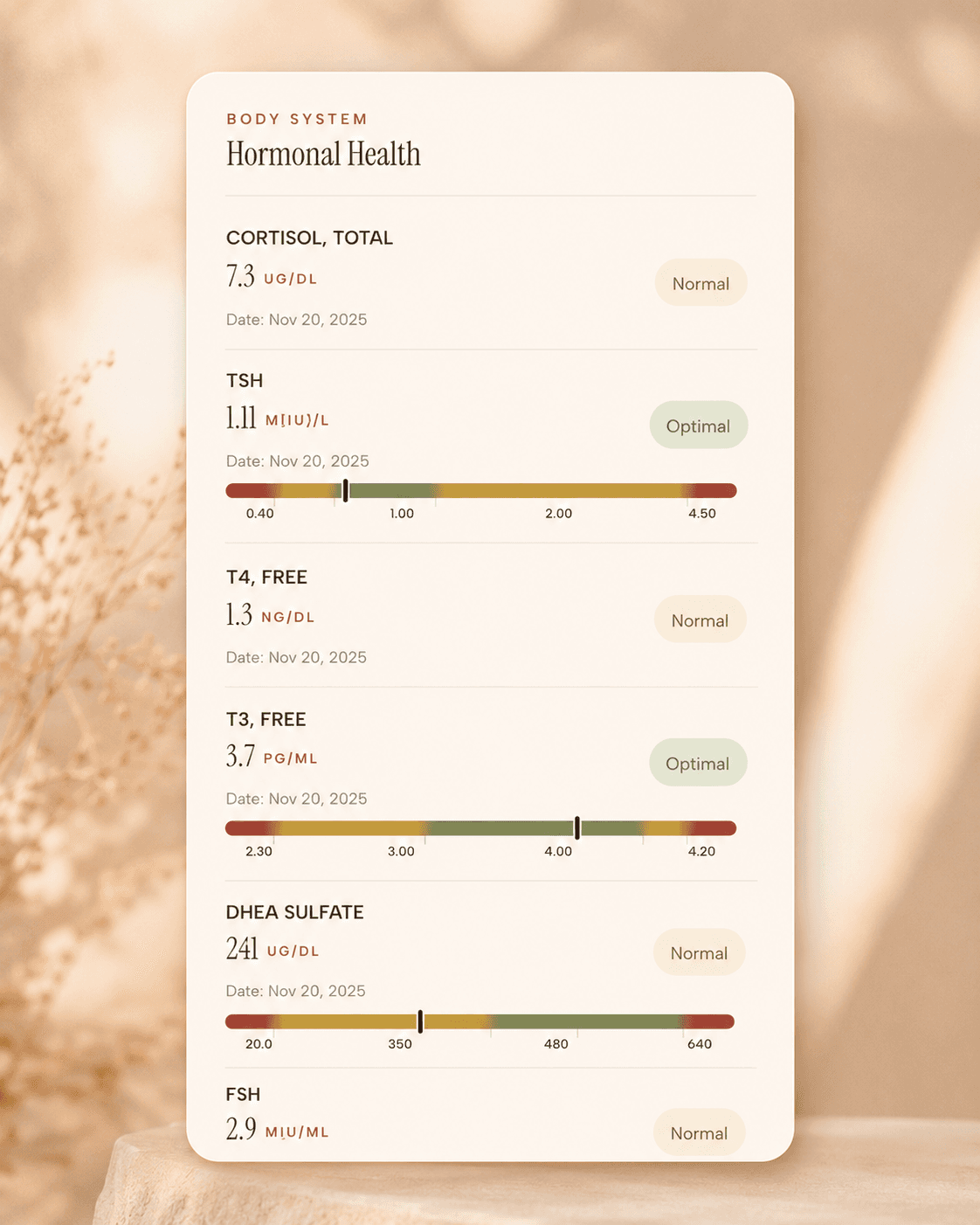
If your thyroid is overactive, your metabolism runs hot and fast, which can feel like insomnia even when you’re exhausted. You might also notice a racing heart, heat intolerance, shakiness, or unexplained weight change. The key point is that sleep fixes won’t stick if the underlying “engine speed” is too high. A TSH test (your thyroid control signal) is a simple way to screen for this, especially if your sleep changed quickly and you feel physically revved up.
What actually helps you sleep better (without feeling like a robot)
Use a CBT-I style sleep window
If you spend a long time in bed awake, your brain starts associating bed with frustration instead of sleep. A CBT-I approach (cognitive behavioral therapy for insomnia) tightens your time in bed for a couple of weeks so sleep becomes more “automatic” again. Pick a consistent wake time, then set bedtime so you’re in bed only about the amount you’re actually sleeping right now, and expand it slowly as sleep consolidates. It sounds strict, but it often works faster than adding another supplement.
Anchor mornings with bright light
Light is your body clock’s steering wheel, and morning light is the strongest signal for an earlier, steadier rhythm. Go outside for 10–20 minutes within an hour of waking, even if it’s cloudy, because outdoor light is still far brighter than indoor lighting. This helps you feel sleepy earlier at night and can reduce that “second wind” at 10–11 p.m. If you can’t get outside, a bright light box can be a practical substitute.
Make nights dim and predictable
Your brain uses darkness to start melatonin (your sleepiness signal), but bright screens and overhead lights tell it to stay in daytime mode. Two hours before bed, switch to warm, dim lighting and keep your phone out of your face, because distance matters as much as brightness. The payoff is that you fall asleep with less effort, which reduces the anxiety loop around bedtime. If you need something to do, choose a low-stakes routine like a shower, stretching, or reading paper pages.
Treat the 3 a.m. wake-up differently
If you wake in the middle of the night and start clock-watching, your stress response turns on and sleep gets harder. Give yourself a simple rule: if you feel awake for about 20 minutes, get out of bed and do something quiet in dim light until you feel sleepy again. This retrains your brain to link bed with sleeping, not with thinking. A small snack with protein and carbs can help some people who wake with adrenaline-like symptoms, especially if dinner was early.
Fix the physical driver you find
If ferritin is low, replenishing iron stores can reduce restless legs and improve sleep depth, but it usually takes weeks, not days. If TSH suggests thyroid overactivity, treating that can be the difference between “I’m doing everything” and finally sleeping normally. If vitamin D is low, correcting it won’t knock you out like a sedative, but it can support mood and circadian stability over time. The practical move is to pick one likely driver, measure it, and then follow through long enough to see a real change.
Useful biomarkers to discuss with your clinician
Cortisol, Total
Cortisol is the primary stress hormone that regulates metabolism, immune function, and blood pressure. In functional medicine, cortisol assessment is crucial for understanding stress response and its impact on overall health. Chronic elevation suppresses testosterone production and immune function, while low cortisol indicates adrenal insufficiency. Optimal cortisol rhythm supports energy, mood stability, and hormone balance. Cortisol orchestrates the body's stress response and daily energy rhythms. Balanced cor…
Learn moreFerritin
Ferritin is your body's iron storage protein, reflecting total iron stores in the body. In functional medicine, ferritin assessment is crucial for identifying both iron deficiency and iron overload, conditions that can significantly impact energy levels and overall health. Low ferritin is the earliest sign of iron deficiency, often occurring before anemia develops. This can cause fatigue, weakness, restless leg syndrome, and cognitive impairment. Conversely, elevated ferritin may indicate iron overload, inflamma…
Learn moreIron, Total
Serum iron measures the amount of iron circulating in your blood at the time of testing. In functional medicine, we recognize that serum iron alone provides limited information about iron status, as it fluctuates throughout the day and is affected by recent iron intake, inflammation, and diurnal variation. However, when combined with other iron studies, it helps assess iron metabolism and transport. Iron is essential for oxygen transport, energy production, DNA synthesis, and immune function. Optimal serum iron…
Learn moreLab testing
Get ferritin, TSH, and vitamin D tested at Quest
starting from $99 panel with 100+ tests, one visit
No referral needed
About 1 week
Schedule online — results typically within a week
Clear next steps
Guidance included, with follow-up care available
HSA / FSA
Eligible for pre-tax health spending accounts
Pro Tips
Run a 14-night “sleep experiment” where you keep wake time the same every day, even after a bad night, because that consistency is what rebuilds sleep drive.
If you suspect a late body clock, try morning outdoor light plus a hard stop on bright screens one hour before bed, and track whether your natural bedtime shifts earlier within 7–10 days.
When you can’t sleep, don’t negotiate with your brain in bed. Get up, keep lights dim, and do something boring until your eyelids feel heavy, then return to bed.
If you wake at 3–5 a.m. after drinking, treat it as data, not failure. A two-week alcohol break is often the fastest way to see whether your sleep architecture is the main issue.
If your legs feel jumpy at night, ask for ferritin specifically and aim to recheck it after 8–12 weeks of a plan, because symptom improvement usually lags behind the first few doses.
Frequently Asked Questions
Is it normal to have insomnia in your 20s?
It is common, but it is not something you have to just accept. In your 20s, insomnia often comes from stress-driven hyperarousal, a delayed body clock, or habits that accidentally train your brain to stay alert in bed. If it lasts more than 3 months or happens at least 3 nights a week, CBT-I style strategies are usually the most effective next step.
Why can’t I fall asleep even when I’m exhausted?
That “tired but wired” feeling usually means your stress system is still active, so your brain is scanning for problems instead of powering down. It can also happen when you spend extra time in bed trying to catch up, which weakens the bed-sleep association. Try a consistent wake time plus a shorter, more realistic sleep window for two weeks, and you often get sleepiness back at the right time.
What blood tests help explain poor sleep?
Ferritin can uncover low iron stores that contribute to restless legs and fragmented sleep, while TSH screens for thyroid overactivity that can feel like anxiety at night. A 25-hydroxy vitamin D level can be useful when low mood, wintertime symptoms, or low sun exposure are part of the picture. If you are not improving with solid sleep habits, these three tests are a reasonable, targeted starting point.
How much sleep do you actually need in your 20s?
Most adults do best with about 7–9 hours, but the more important question is whether you feel functional and emotionally steady during the day. If you are getting 7–8 hours and still feel wiped out, your sleep may be fragmented, mistimed, or less restorative due to something like low iron or alcohol-related disruption. Track total sleep time and how often you wake for a week, then adjust one variable at a time.
When should you worry about poor sleep and see a doctor?
Get help sooner if you have loud snoring with choking or gasping, you fall asleep unintentionally during the day, or your insomnia comes with a racing heart, tremor, or unexplained weight change. You should also check in if sleep problems persist beyond 3 months, because chronic insomnia is very treatable but easier to reverse early. Bring a one-week sleep log and ask whether ferritin and TSH make sense for your symptoms.