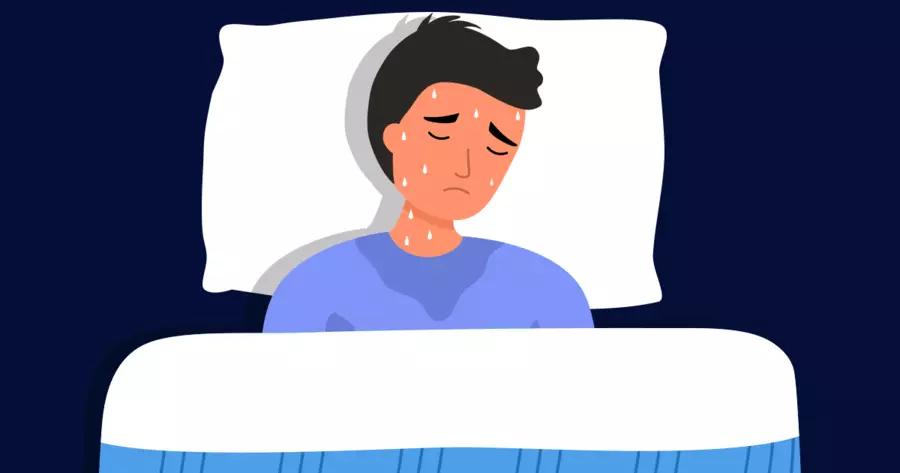
Hot Flashes in Your 20s: What They Usually Mean
Hot flashes in your 20s often come from hormone shifts, thyroid overactivity, or medication effects. Targeted blood tests available—no referral needed.





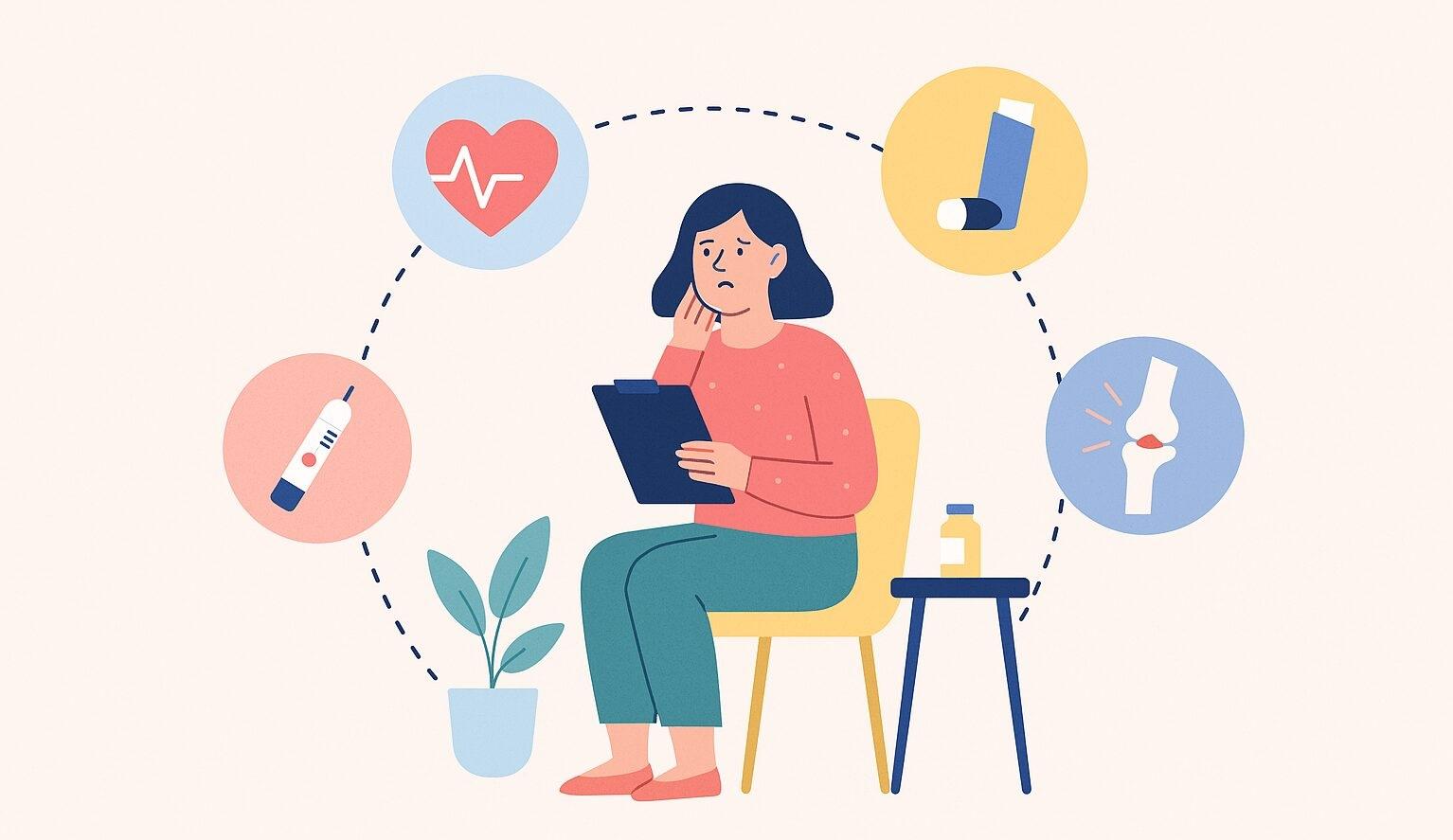
Hot flashes in your 20s usually happen when your brain’s temperature control system becomes easier to “trip,” often from hormone shifts (including early ovarian changes), an overactive thyroid, or side effects from medications. They can also show up with anxiety surges or after stopping hormonal birth control, which can make your body feel unpredictable. Simple blood tests can help sort out which of these is most likely for you. If you’re reading this at 2 a.m. after waking up drenched or you’re suddenly flushing at work for no obvious reason, you’re not being dramatic. Hot flashes are more common in midlife, but they absolutely can happen in your 20s, especially if your hormones are being pushed around by stress, medications, or underlying conditions. The goal is not to “tough it out,” but to figure out your pattern and rule out the few causes that actually need treatment. If you want help connecting your symptoms to the most likely causes, PocketMD can talk it through with you, and Vitals Vault labs can give you objective data to bring to a clinician.
Why you get hot flashes in your 20s
Thyroid running too fast
If your thyroid is overactive (hyperthyroidism), your metabolism speeds up, which can make you feel hot, sweaty, and “revved,” even in a normal room. You might also notice a racing heart, shakier hands, more frequent bowel movements, or unexplained weight loss. The takeaway is simple: if hot flashes come with a fast pulse or new anxiety, checking a TSH blood test is one of the quickest ways to rule this in or out.
Early ovarian hormone changes
In your 20s, true menopause is uncommon, but your ovaries can still under-produce estrogen for different reasons, including primary ovarian insufficiency (POI). When estrogen drops, your brain’s thermostat (hypothalamus) becomes more sensitive, so small changes trigger a sudden heat surge and sweating. If your hot flashes come with missed periods, lighter periods than usual, or new vaginal dryness, it’s worth asking about FSH and estradiol testing rather than assuming it is “just stress.”
Birth control start or stop
Hormonal contraception can smooth out hormone swings for some people, but starting, switching, or stopping it can briefly create a mismatch between your natural cycle and the hormones you’re taking. That mismatch can feel like flushing, night sweats, or a warm “wave” that hits out of nowhere, especially in the first 1–3 months after a change. A practical move is to note exactly when you changed methods and whether the flashes cluster in the week before your period, because that timing helps your clinician decide whether to wait, switch formulations, or look for another cause.
Medication side effects and withdrawal
Some medications can trigger flushing by affecting serotonin, norepinephrine, or blood vessel tone, which changes how your body dumps heat. This can happen with antidepressants, stimulant medications, opioids, or after tapering certain drugs, and it often shows up as sudden warmth with sweating but no fever. If your hot flashes started within a few weeks of a new prescription or dose change, bring the exact timeline to your prescriber, because a small adjustment or slower taper can make a big difference.
Panic surges that mimic flushing
A panic surge is a burst of adrenaline that can make your face and chest feel hot, your heart pound, and your skin sweat, even though your core temperature is normal. The “so what” is that it can look exactly like a hot flash, but the treatment focus is different: you’re calming an overactive alarm system, not chasing hormones. If episodes come with a sense of doom, tingling, or feeling like you can’t get a full breath, it’s reasonable to screen for anxiety and still check basics like thyroid, because the two can overlap.
What actually helps with hot flashes
Use a fast trigger log
For two weeks, track each episode with a 1–10 intensity score and write what happened in the 30 minutes before it started, because hot flashes often have a short lead-in. You’re not trying to be perfect; you’re trying to spot repeatable patterns like “after coffee on an empty stomach” or “right after a stressful meeting.” Once you identify your top trigger, you can test a single change for a week and see if frequency drops.
Cool your body strategically
When a flash hits, cooling your skin quickly helps your brain’s thermostat settle down faster, which can shorten the episode. Try a cold drink, a cool pack on the back of your neck, or rinsing wrists with cool water, and keep breathable layers so you can vent heat without feeling exposed. If night sweats are the main issue, a fan plus moisture-wicking sleepwear often works better than blasting the AC all night.
Adjust caffeine and alcohol timing
Caffeine and alcohol can widen blood vessels and make your body dump heat more dramatically, which is why they are common “I didn’t expect that” triggers. Instead of quitting everything, try moving caffeine earlier in the day and avoiding alcohol within three hours of bedtime for one week. If your night sweats improve, you’ve learned something concrete about your physiology, not your willpower.
Talk to your prescriber about meds
If a medication change lines up with the start of your hot flashes, you don’t have to choose between suffering and stopping it abruptly. Many side effects improve with a dose tweak, a slower taper, or a switch within the same class, and your prescriber can help you do that safely. Bring a short list of what you’ve tried and how often episodes happen, because that makes the conversation much more productive.
Treat the root cause when found
If testing shows an overactive thyroid, treating it often reduces heat episodes because your metabolism stops running “hot.” If results suggest early ovarian hormone changes, your clinician may discuss hormone therapy or fertility-focused evaluation depending on your goals and medical history. The key is that hot flashes in your 20s are not a one-size-fits-all problem, so matching treatment to the cause is what gets you real relief.
Useful biomarkers to discuss with your clinician
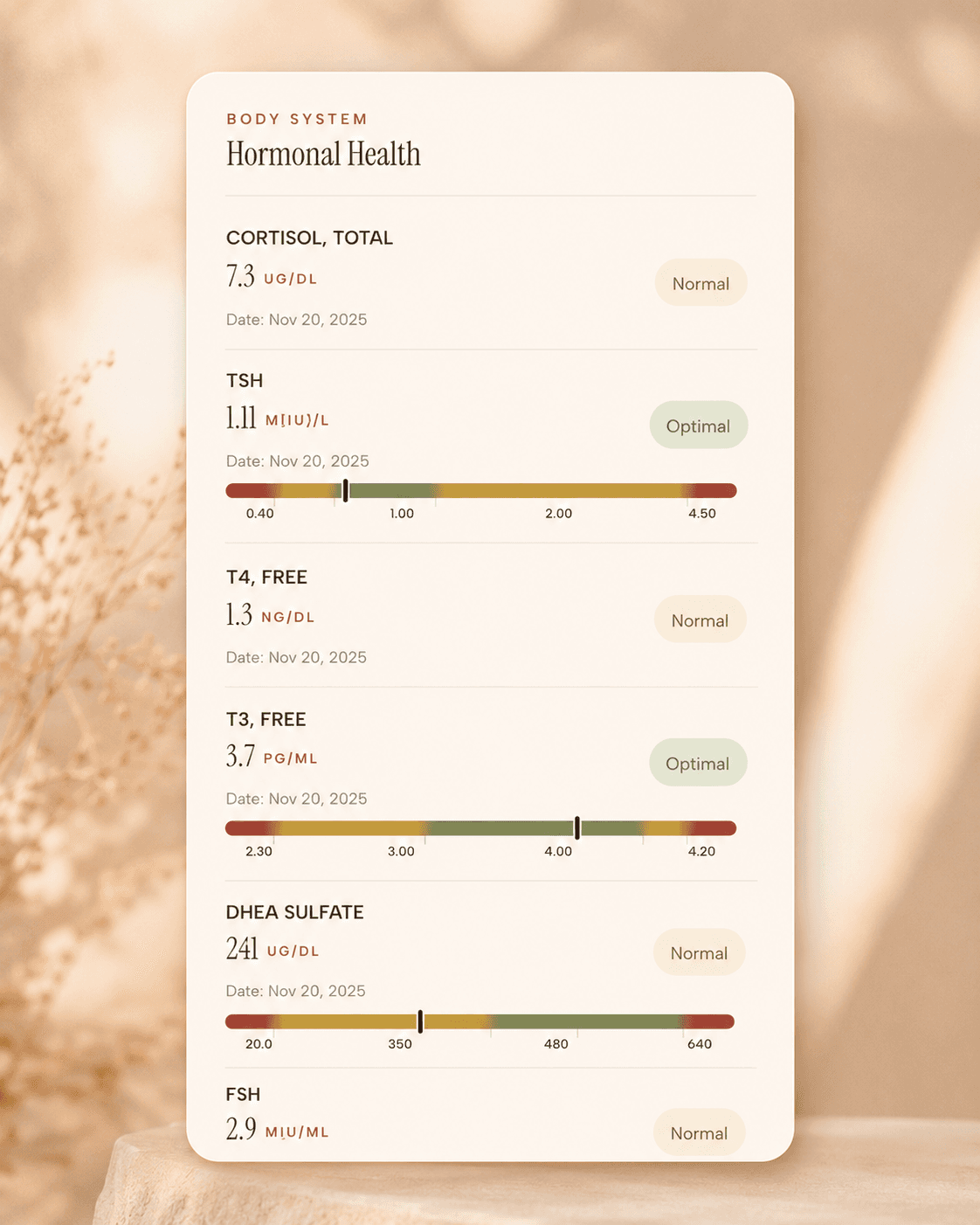
TSH
TSH is the master regulator of thyroid function, controlling the production of thyroid hormones T4 and T3. In functional medicine, we use narrower TSH ranges than conventional medicine to identify subclinical thyroid dysfunction early. Even mildly elevated TSH can indicate thyroid insufficiency, leading to fatigue, weight gain, depression, and metabolic dysfunction. TSH levels are influenced by stress, nutrient deficiencies, autoimmune conditions, and environmental toxins. Optimal TSH supports energy, metabolism…
Learn moreEstradiol
Estradiol in men is produced from testosterone via aromatase enzyme. In functional medicine, we recognize that men need optimal estradiol levels for bone health, cognitive function, and cardiovascular protection. However, excessive estradiol can suppress testosterone production and cause feminizing effects. The testosterone-to-estradiol ratio is crucial for male health, with optimal balance supporting vitality while preventing estrogen dominance. Balanced estradiol levels in men support bone health and cognitive…
Learn moreProgesterone
While primarily known as a female hormone, progesterone plays important roles in men including neuroprotection, sleep quality, and as a precursor to other hormones. In functional medicine, male progesterone assessment helps evaluate overall hormone synthesis pathways and stress response. Low progesterone in men may indicate chronic stress or adrenal dysfunction, while optimal levels support brain health and sleep quality. Progesterone in men supports neurological health, sleep quality, and serves as a building b…
Learn moreLab testing
Get TSH, FSH, and estradiol checked at Quest
starting from $99 panel with 100+ tests, one visit
No referral needed
About 1 week
Schedule online — results typically within a week
Clear next steps
Guidance included, with follow-up care available
HSA / FSA
Eligible for pre-tax health spending accounts
Pro Tips
If you wake up sweaty, check whether you are actually hot or just damp: keep a thermometer by the bed for a week and note your temperature during an episode. A normal temp supports “hot flash” physiology, while a true fever points you toward infection or inflammation.
Try the “two-layer sleep setup”: a moisture-wicking base layer plus a light top blanket you can kick off fast. It reduces the cycle of overheating, sweating, then getting chilled and waking up again.
If episodes cluster around your cycle, mark them on a calendar with day 1 as the first day of bleeding. A clear luteal-phase pattern (the week before your period) often responds to different strategies than random, daily flashes.
If your face flushes but your chest and back do not, test a gentle skincare trigger experiment for one week by pausing new actives like retinoids or acids. Skin irritation can amplify visible flushing even when the underlying driver is hormonal or stress-related.
Bring one concrete number to appointments: either “episodes per week” or “nights woken per week.” Clinicians make faster decisions when you can say, for example, that you went from 2 nights a week to 6.
Frequently Asked Questions
Is it normal to have hot flashes in your 20s?
It can be normal in the sense that it happens, but it is not something you should automatically ignore. In your 20s, hot flashes are more often linked to thyroid overactivity, medication effects, anxiety surges, or hormone disruption from birth control changes than to menopause. If you also have missed periods, palpitations, or new weight changes, consider checking TSH, FSH, and estradiol and bringing the results to a clinician.
Can anxiety cause hot flashes even without menopause?
Yes. Anxiety and panic can trigger adrenaline bursts that widen blood vessels and activate sweating, so you feel a sudden wave of heat with a pounding heart even though your body temperature is normal. The clue is that episodes often come with racing thoughts, tingling, or a sense of impending doom. If this sounds like you, it is still smart to rule out thyroid issues with a TSH test, because hyperthyroidism can mimic anxiety.
What hormone imbalance causes hot flashes in your 20s?
The pattern most associated with true hot flashes is low estrogen, especially when it is paired with higher FSH because your brain is trying to stimulate the ovaries more strongly. That can happen with primary ovarian insufficiency, after stopping certain hormonal contraceptives, or with other conditions that disrupt ovulation. If you have irregular or absent periods, testing estradiol and FSH with cycle timing noted is a practical next step.
Could my thyroid be causing my hot flashes?
Absolutely. An overactive thyroid can make you feel overheated, sweaty, and jittery, and it often comes with a fast heart rate or shakiness. A low TSH is the classic screening clue, and your clinician may add free T4 and free T3 to confirm. If your resting pulse is consistently above about 90–100 or you have new tremor, move thyroid testing higher on your list.
When should I worry about hot flashes in my 20s?
You should get checked promptly if hot flashes come with fainting, chest pain, severe shortness of breath, or a true fever that does not resolve, because those are not typical hot-flash patterns. You should also follow up if you have hot flashes plus missed periods for 3 months, new infertility concerns, or rapid weight loss, since those combinations point toward treatable endocrine causes. A good first step is documenting frequency for two weeks and asking about TSH, FSH, and estradiol testing.
Research worth knowing about
North American Menopause Society (NAMS) 2023 position statement on nonhormone therapy for vasomotor symptoms
ACOG Committee Opinion on Primary Ovarian Insufficiency in adolescents and young women
Endocrine Society Clinical Practice Guideline on the management of hyperthyroidism and other causes of thyrotoxicosis