Night Sweats in Your 30s: What They Usually Mean
Night sweats in your 30s often come from hormone shifts, infections, or thyroid overactivity. Sort causes fast with targeted labs—no referral needed.





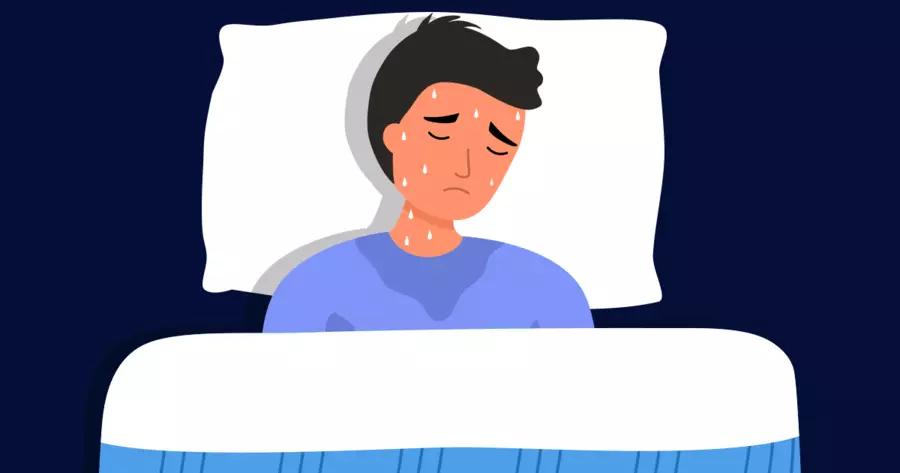
Night sweats in your 30s are usually your body overheating at night because of hormone shifts (like early perimenopause or low testosterone), an overactive thyroid, or an infection that’s revving up your immune system. The pattern matters: drenching sweats with fever feel very different from heat surges that come with stress, alcohol, or a warm room. A few targeted blood tests can often point to which bucket you’re in. It’s also a uniquely stressful symptom because it interrupts sleep and it can trigger scary thoughts about “something serious.” Most of the time, the explanation is common and fixable, but you do want to take it seriously if it’s new, persistent, or paired with other changes in your body. This guide walks you through the most likely causes in your 30s, what you can do tonight to sleep better, and which labs are most useful. If you want help matching your exact pattern to the most likely cause, PocketMD can talk it through with you, and Vitals Vault labs can help you confirm what’s going on without a referral.
Why you’re sweating through the sheets
Hormone shifts and heat surges
In your 30s, night sweats are often a “hot flash at night,” where your brain’s temperature control center (hypothalamus) reacts too strongly to small changes. For many women this can happen in early perimenopause, and for some men it can happen when testosterone is low or fluctuating. It tends to feel like a sudden wave of heat with sweating and then chills afterward, so tracking whether it clusters around your cycle, postpartum changes, or new hormonal contraception is a useful clue.
Overactive thyroid revving you up
When your thyroid is running fast, your metabolism runs hot, which means you can sweat more even in a cool room. You might also notice a racing heart, shakiness, more frequent bowel movements, or feeling “wired but tired” at bedtime. If your night sweats come with unexplained weight loss or persistent palpitations, thyroid testing is one of the quickest ways to rule in or rule out a fixable cause.
Infection or inflammation at night
Your immune system releases chemical signals (cytokines) that can raise your set point for temperature, and you can sweat as your body tries to cool back down. This is more likely if you also have fever, chills, a new cough, urinary symptoms, dental pain, or a recent travel exposure. If you’re waking up drenched and you also feel sick during the day, treat it like a medical problem to evaluate rather than “just sweating.”
Sleep apnea and adrenaline spikes
With obstructive sleep apnea, your airway narrows during sleep and your brain briefly jolts you awake to breathe, even if you don’t remember it. Those repeated jolts trigger adrenaline, and adrenaline can cause sweating and a pounding heartbeat in the middle of the night. Loud snoring, gasping, morning headaches, or daytime sleepiness make this cause much more likely, and treating the breathing issue often improves the sweating quickly.
Medication, alcohol, or withdrawal effects
Some medicines change how your nervous system handles temperature and sweating, and the timing often gives it away. Antidepressants (especially SSRIs/SNRIs), steroids, and fever-reducers wearing off overnight can all cause night sweats, and alcohol can trigger sweating as it metabolizes and then disrupts sleep later in the night. If your night sweats started within a few weeks of a new medication or a change in drinking, bring that timeline to your clinician because it can prevent a long, expensive workup.
What actually helps (and what to try first)
Do a two-week night-sweat log
This sounds simple, but it’s the fastest way to separate “body overheating” from “immune system problem” from “sleep disruption.” Each morning, rate the sweat from 0–10, note the time you woke up, and write what happened in the 3 hours before bed, including alcohol, spicy food, exercise, and any new meds. After 10–14 nights, you usually see a pattern that points to a next step instead of guessing.
Cool the bed, not the whole house
Night sweats often happen in short bursts, so you want fast heat release right where you sleep. Try moisture-wicking sleepwear, a breathable top sheet instead of a heavy comforter, and a fan aimed across (not directly at) your body so sweat can evaporate. If you wake up soaked, changing into a dry shirt and laying a towel down can help you fall back asleep without fully resetting the bed.
Time your alcohol and late meals
Alcohol can make you feel sleepy at first, but it fragments sleep later and can trigger sweating as your body processes it. A practical experiment is to avoid alcohol for 7 nights, or at least stop 4–5 hours before bed, and see if the “second half of the night” sweating improves. Late heavy meals can do something similar by increasing heat production during digestion, so moving dinner earlier is worth trying if your sweats start soon after falling asleep.
Treat the trigger you can identify
If the pattern looks hormonal, options like adjusting contraception, addressing postpartum changes, or discussing non-hormonal hot-flash meds can make a real difference. If it looks like reflux, elevating the head of the bed and avoiding late acidic meals can reduce nighttime arousals that feel like sweating. If it looks like sleep apnea, a sleep study is the direct path, because fixing breathing events often fixes the sweats.
Know when to get checked promptly
Night sweats deserve faster evaluation if they’re drenching and new, if they come with persistent fever, or if you’re losing weight without trying. Swollen lymph nodes that don’t go away after a couple of weeks, chest pain, or shortness of breath are also reasons not to wait. In those situations, a basic exam plus a CBC and thyroid test can quickly separate common causes from the ones you don’t want to miss.
Useful biomarkers to discuss with your clinician
TSH
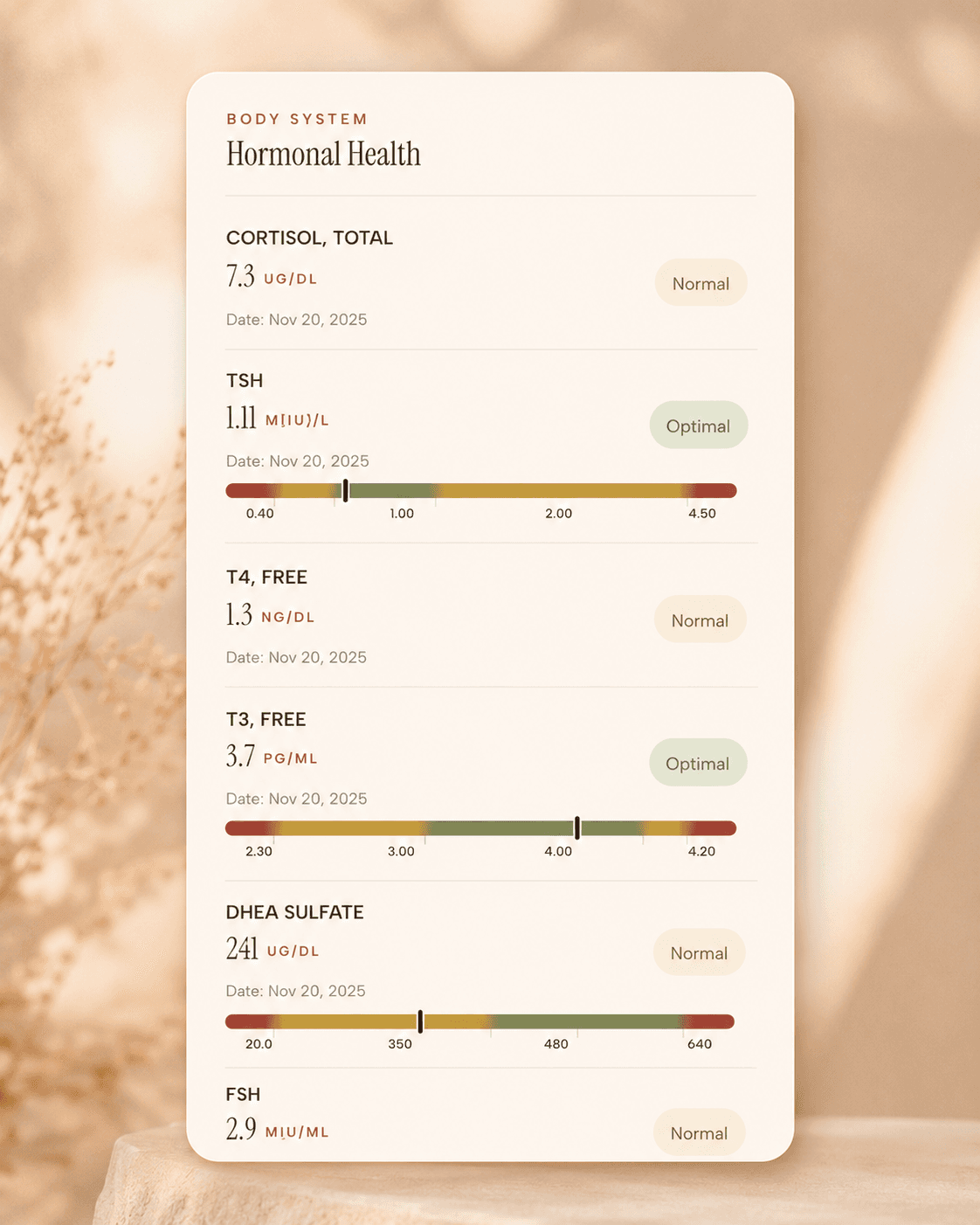
TSH is the master regulator of thyroid function, controlling the production of thyroid hormones T4 and T3. In functional medicine, we use narrower TSH ranges than conventional medicine to identify subclinical thyroid dysfunction early. Even mildly elevated TSH can indicate thyroid insufficiency, leading to fatigue, weight gain, depression, and metabolic dysfunction. TSH levels are influenced by stress, nutrient deficiencies, autoimmune conditions, and environmental toxins. Optimal TSH supports energy, metabolism…
Learn moreEstradiol
Estradiol in men is produced from testosterone via aromatase enzyme. In functional medicine, we recognize that men need optimal estradiol levels for bone health, cognitive function, and cardiovascular protection. However, excessive estradiol can suppress testosterone production and cause feminizing effects. The testosterone-to-estradiol ratio is crucial for male health, with optimal balance supporting vitality while preventing estrogen dominance. Balanced estradiol levels in men support bone health and cognitive…
Learn moreTestosterone, Total, Ms
Total testosterone is the primary male sex hormone responsible for muscle mass, bone density, libido, energy levels, and cognitive function. In functional medicine, we recognize testosterone as a key marker of vitality and aging. Low testosterone (hypogonadism) affects up to 40% of men over 45 and is linked to metabolic syndrome, cardiovascular disease, depression, and reduced quality of life. Optimal testosterone levels support healthy body composition, sexual function, motivation, and overall masculine vitalit…
Learn moreLab testing
Get TSH, CBC, and estradiol checked at Quest
starting from $99 panel with 100+ tests, one visit
No referral needed
About 1 week
Schedule online — results typically within a week
Clear next steps
Guidance included, with follow-up care available
HSA / FSA
Eligible for pre-tax health spending accounts
Pro Tips
Do the “dry shirt test”: keep a clean T-shirt and a towel by the bed, and if you wake up sweaty, change immediately. Falling back asleep faster matters more than toughing it out in damp clothes.
If you suspect hot-flash-style sweats, try a 7-night trigger reset by skipping alcohol and spicy foods and keeping your bedroom at a steady cool temperature. If the sweats drop sharply, you’ve learned something actionable without a single test.
Set your thermostat to drop 1–2°F about an hour after bedtime rather than at bedtime. Many people sweat most in the first sleep cycles, so a timed drop can prevent the “heat spike then drench” pattern.
If you snore or wake up with a dry mouth, record 30 seconds of your breathing with your phone (audio only) on two different nights. Bringing that to a clinician makes the sleep-apnea conversation much more concrete.
When you talk to a clinician, lead with your pattern in one sentence: “Drenching sweats at 2–3 a.m. plus a racing heart,” or “heat surges around my period.” That framing usually gets you to the right workup faster.
Frequently Asked Questions
Are night sweats in your 30s normal?
They can be, especially if they behave like hot flashes and you’re in an early hormone transition, postpartum, or under heavy stress. But “normal” depends on the pattern: occasional mild sweating is different from repeatedly waking up drenched. If it’s new, frequent (more than 2–3 nights a week), or paired with fever or weight loss, it’s worth getting checked.
When should I worry about lymphoma with night sweats?
Night sweats alone are rarely lymphoma, but concern goes up if you also have unexplained weight loss, persistent fevers, or swollen lymph nodes that keep growing or last longer than about 2–4 weeks. A CBC is a reasonable first test, but an exam matters because lymph nodes and spleen findings can’t be seen on a blood test. If you’re noticing those red flags, book an in-person visit rather than waiting it out.
Can thyroid problems cause night sweats even if I’m not losing weight?
Yes. Some people with an overactive thyroid sweat at night mainly because their heart rate and heat production are higher, even if weight stays stable. Testing TSH with free T4 is the most direct way to check, and a low TSH is the classic clue. If you also feel shaky or have palpitations, mention that because it strengthens the thyroid story.
Do SSRIs or antidepressants cause night sweats?
They can. SSRIs and SNRIs are well known for increasing sweating in some people, and it often starts after a dose change or within the first month of a new medication. Don’t stop your medication abruptly, but do tell your prescriber because timing the dose earlier, adjusting the dose, or switching agents can help.
What blood tests are most useful for night sweats?
If you want a focused starting point, TSH with free T4 checks for thyroid overactivity, a CBC looks for infection or blood-cell abnormalities, and estradiol with FSH can support a hormone-transition explanation when the pattern fits. The most helpful result is one that matches your symptoms, so bring your timing notes with you. If your tests are normal but the sweats persist, ask about sleep apnea screening and a medication review next.
Research and guidelines worth knowing
NICE guideline on menopause: recognizing symptoms like night sweats and choosing treatment options
AASM clinical practice guideline for diagnostic testing for adult obstructive sleep apnea
Endocrine Society guideline on testosterone therapy in men, including evaluation of symptoms and lab confirmation