Night Sweats in Teenagers: What They Mean and What Helps
Night sweats in teenagers often come from overheating, infections, or thyroid overactivity. Know red flags and get targeted labs—no referral needed.





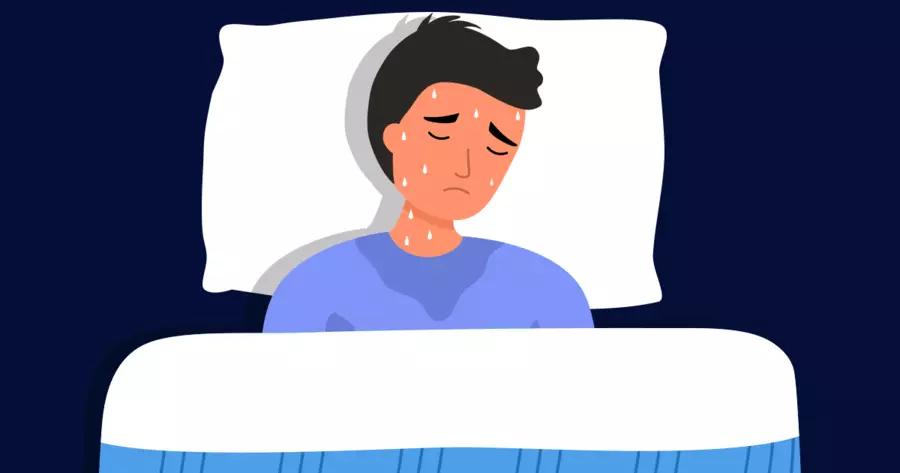
Night sweats in teenagers are most often caused by simple overheating during sleep, a short-term infection, or an overactive thyroid that keeps your body stuck in “high gear.” The pattern matters: sweating only when your room is warm is very different from drenching sweats with fevers, weight loss, or swollen glands. A few targeted blood tests can help sort out which bucket you’re in. If you’re waking up soaked, changing pajamas, or stripping the bed in the middle of the night, it makes sense to worry. Most of the time, the fix is practical and boring, but there are a few situations where night sweats are your body’s way of waving a flag. This guide walks you through the most common causes, what to try at home, and what to check if it keeps happening. If you want help matching your exact symptoms to the most likely cause, PocketMD can talk it through with you, and Vitals Vault labs can help confirm what’s going on without turning it into a months-long guessing game.
Why you might be sweating through the night
Your room and bedding trap heat
Teen bodies run warm, and deep sleep makes it harder to wake up and adjust covers, so you can quietly overheat for hours. This usually looks like sweating that improves when you lower the thermostat, switch to breathable sheets, or stop wearing heavy pajamas. A quick clue is that you feel fine during the day and you do not have fevers, weight loss, or new daytime symptoms.
A short-term infection is brewing
When your immune system is fighting a virus or bacteria, your temperature can rise and fall overnight, and sweating is one way your body cools itself back down. You might notice a sore throat, cough, stomach bug symptoms, or a low-grade fever that comes and goes. If the sweats started suddenly and fade as you recover within a week, infection is a very common explanation.
Anxiety or panic during sleep
Stress can keep your “fight or flight” system (sympathetic nervous system) switched on even when you’re asleep, which can trigger sweating, a racing heart, and vivid dreams. This often shows up on nights before tests, games, or social stress, and it can happen even if you do not feel “anxious” all day. The takeaway is to look for the pattern: if the sweats track with worry, treating the stress and sleep routine usually helps more than changing your diet.
Overactive thyroid keeps you hot
If your thyroid is overactive, your metabolism speeds up, which can make you feel hot, sweaty, and restless at night. During the day you might also notice shakiness, frequent bowel movements, unexplained weight loss, or a heart rate that feels too fast for what you’re doing. This is one of the most testable causes, so persistent night sweats plus those daytime clues is a good reason to check thyroid labs.
Red flags that need a checkup
Most teen night sweats are harmless, but drenching sweats that keep happening alongside fevers, unexplained weight loss, ongoing fatigue, or swollen lymph nodes in your neck or armpits deserve medical attention. These symptoms can point to longer-lasting infections like tuberculosis or, rarely, blood cancers such as lymphoma, and you do not want to “wait it out” for months. If you also have chest pain, trouble breathing, or you look very ill, get urgent care the same day.
What actually helps night sweats
Run a two-week sweat experiment
For 14 nights, keep one change consistent at a time so you can tell what’s doing the work. Start with a cooler room (around 65–68°F if comfortable) and lighter bedding, then note whether you still wake up damp or fully soaked. The goal is not perfection; it’s figuring out whether this is mainly an environment problem or something your body is driving.
Use breathable layers, not one heavy blanket
A single thick comforter traps heat and makes sweating more likely once you cross your personal “too warm” threshold. Try cotton or bamboo sheets and two lighter layers so you can peel one off half-asleep without fully waking up. If you’re a teen who falls asleep in a hoodie or sweatpants, switching to a thin T-shirt and shorts is often the simplest win.
Treat fever nights differently
If you have a fever, sweating can happen when the fever breaks, and that is your body cooling itself. Focus on fluids, rest, and checking your temperature once or twice rather than repeatedly, because constant checking can ramp up anxiety and make sleep worse. If fever lasts more than 3 days, or you have severe sore throat, stiff neck, or dehydration, it’s time to be seen.
Calm your nervous system before bed
If stress is part of the picture, you want to lower your body’s “alertness” before you lie down, because you cannot outthink adrenaline at 2 a.m. A practical routine is 10 minutes of slow breathing (longer exhale than inhale) plus a phone-off cutoff 30–60 minutes before sleep. If you wake sweaty and wired, sit up, sip water, and do two minutes of breathing before deciding you “can’t sleep,” because that reset often works faster than scrolling.
Get labs if it’s persistent or drenching
If night sweats are happening most nights for more than 2–3 weeks, or they are soaking the sheets, it’s reasonable to check a few basics that can reveal thyroid disease, inflammation, or blood count changes. Labs do not replace a clinician exam, but they can quickly narrow the possibilities and reduce the fear spiral. If you’re using Vitals Vault, choose tests that match your symptoms instead of a random “everything panel.”
Useful biomarkers to discuss with your clinician
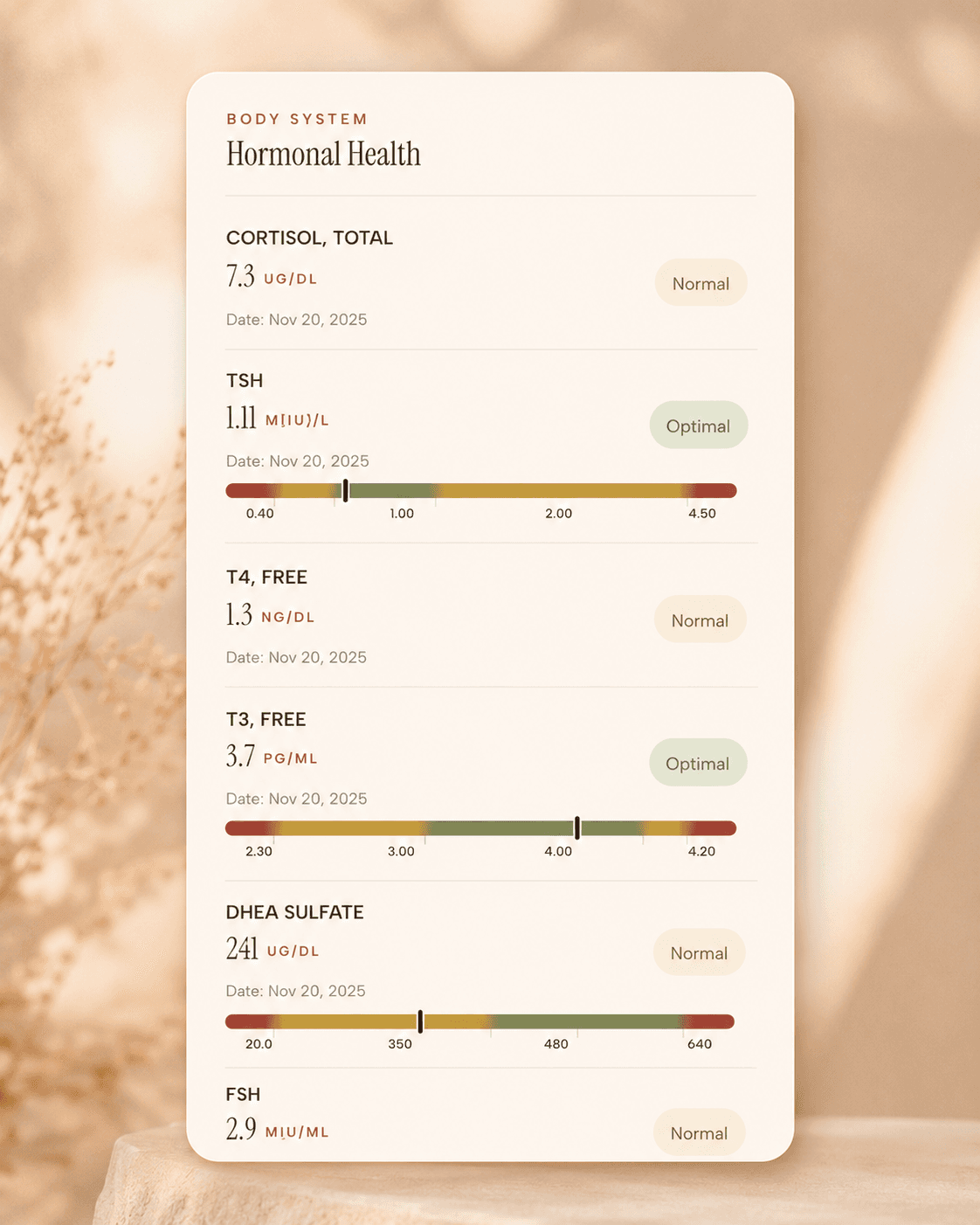
TSH
TSH is the master regulator of thyroid function, controlling the production of thyroid hormones T4 and T3. In functional medicine, we use narrower TSH ranges than conventional medicine to identify subclinical thyroid dysfunction early. Even mildly elevated TSH can indicate thyroid insufficiency, leading to fatigue, weight gain, depression, and metabolic dysfunction. TSH levels are influenced by stress, nutrient deficiencies, autoimmune conditions, and environmental toxins. Optimal TSH supports energy, metabolism…
Learn moreWhite Blood Cell Count
White blood cell count (WBC) measures the total number of immune cells and is fundamental for assessing immune system health. In functional medicine, WBC count reflects immune system activity, infection status, and overall health resilience. Low WBC may indicate immunosuppression, nutritional deficiencies, or bone marrow dysfunction. High WBC suggests infection, inflammation, stress, or hematologic conditions. The WBC differential provides detailed information about specific immune cell types and their functions…
Learn moreFerritin
Ferritin is your body's iron storage protein, reflecting total iron stores in the body. In functional medicine, ferritin assessment is crucial for identifying both iron deficiency and iron overload, conditions that can significantly impact energy levels and overall health. Low ferritin is the earliest sign of iron deficiency, often occurring before anemia develops. This can cause fatigue, weakness, restless leg syndrome, and cognitive impairment. Conversely, elevated ferritin may indicate iron overload, inflamma…
Learn moreLab testing
Get TSH, CBC, and CRP checked at Quest
starting from $99 panel with 100+ tests, one visit
No referral needed
About 1 week
Schedule online — results typically within a week
Clear next steps
Guidance included, with follow-up care available
HSA / FSA
Eligible for pre-tax health spending accounts
Pro Tips
Do a “sweat severity” check for three nights: if you only have a damp neck or hairline, it’s often overheating; if you need to change clothes or sheets, treat it as drenching and take it more seriously.
Set up your bed like a thermostat: keep one light blanket folded at your feet so you can cover and uncover without fully waking up, which reduces the cycle of sweating and chills.
If you wake up sweaty, take your temperature once and write it down. A real fever (100.4°F / 38°C or higher) changes the story and makes infection more likely than “just sleeping hot.”
Try a 7-day stimulant audit: avoid energy drinks and pre-workout after lunch, because they can raise your heart rate and body heat at night even if you fall asleep easily.
If you’re tracking symptoms, add one daytime clue each day—resting heart rate, weight change, and whether you feel shaky—because those details are what help a clinician decide if thyroid testing is urgent.
Frequently Asked Questions
Are night sweats normal during puberty?
They can be, especially if you’re sleeping hot, wearing heavy clothes, or your room is warm. Puberty hormones can make your temperature regulation a little more sensitive, so small changes in bedding or room temperature can tip you into sweating. If the sweats are drenching or come with fever, weight loss, or swollen lymph nodes, get checked rather than assuming it’s “just hormones.”
When should a teenager worry about night sweats?
Worry less about occasional sweating and more about a pattern of drenching sweats that happen most nights for more than 2–3 weeks. Night sweats plus fever, unexplained weight loss, persistent fatigue, or swollen glands should be evaluated. If you feel very unwell, have trouble breathing, or have chest pain, seek urgent care the same day.
Can anxiety cause night sweats even if I’m asleep?
Yes. Your stress system can stay activated overnight, which can trigger sweating, a racing heart, and sudden wake-ups that feel like you “popped awake.” If your sweats cluster around stressful weeks, try a consistent wind-down routine and consider talking to a clinician or counselor if panic symptoms are showing up.
What thyroid test should I ask for with night sweats?
Start with TSH, because a low TSH can be the first sign your thyroid is overactive and driving heat intolerance and sweating. If TSH is low or your symptoms are strong, clinicians often add free T4 and sometimes free T3 to see how high thyroid hormone levels actually are. Bring a note of daytime symptoms like tremor, weight change, and resting heart rate to make the result easier to interpret.
Why do I wake up soaked but have no fever?
The most common reasons are overheating from your sleep setup or stress-related surges that make you sweat without raising your temperature. Stimulants like energy drinks and some medications can also push your body toward sweating at night. If it keeps happening despite a cooler room and lighter bedding, consider basic labs like CBC and CRP to look for hidden inflammation, and add TSH if you also feel hot or “wired.”