Why You’re Getting Night Sweats in Perimenopause
Night sweats perimenopause often come from estrogen shifts, an oversensitive brain thermostat, or thyroid changes. Targeted labs available—no referral needed.





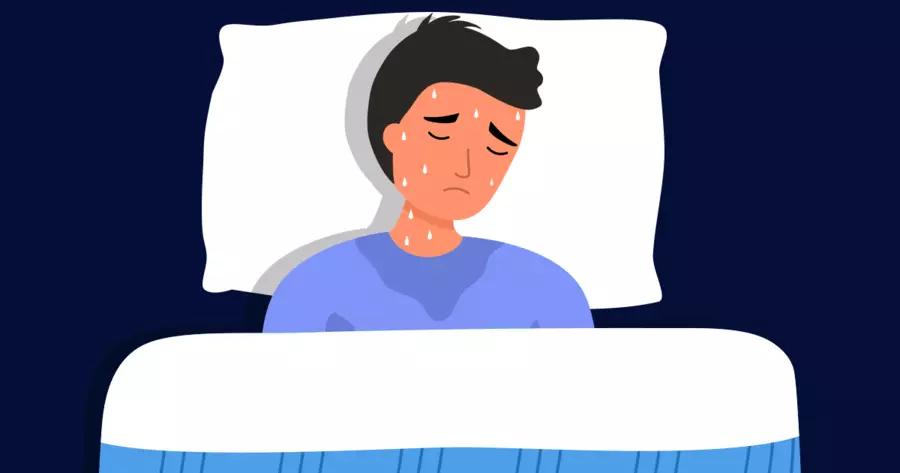
Night sweats in perimenopause are usually a form of hot flash that happens at night, triggered by shifting estrogen and an oversensitive temperature-control center in your brain. They can also be worsened by thyroid changes or sleep problems that make your body more likely to “flip” into a sweat episode. A few targeted blood tests can help sort out which pattern fits you, especially if your symptoms feel new, intense, or out of character. If you’re waking up drenched, it can feel both miserable and scary. The good news is that perimenopause is a very common time for this to start, and there are practical ways to reduce how often it happens and how disruptive it is. The tricky part is that “night sweats” is a symptom, not a diagnosis, so it helps to think in buckets: hormone-driven temperature swings, sleep and stress physiology, medication effects, and the less-common but important medical causes. If you want help making sense of your specific mix of symptoms, PocketMD can walk through your timeline and red flags, and VitalsVault labs can give you objective clues without a long wait.
Why you’re getting night sweats in perimenopause
Your brain’s thermostat gets twitchy
As estrogen becomes more unpredictable, the part of your brain that controls body temperature (hypothalamus) can start reacting to tiny shifts as if you’re overheating. That reaction triggers a sudden widening of blood vessels and sweating, which is why you can go from comfortable to drenched in minutes. A useful clue is timing: these episodes often come in waves and may cluster around certain parts of your cycle, even if your periods are irregular.
Progesterone dips disrupt deep sleep
In perimenopause, you can have cycles where you don’t ovulate, which means your progesterone stays lower than you’re used to. Progesterone normally supports steadier sleep, so when it drops, you may wake more easily and notice sweating that you might have slept through before. If your night sweats come with more 2–4 a.m. awakenings and a “wired” feeling, focusing on sleep stability can reduce the intensity even when hormones are still shifting.
Thyroid overactivity can mimic hot flashes
An overactive thyroid speeds up your metabolism, which can make you feel hot, sweaty, and restless at night. The experience can overlap with perimenopause, but thyroid-related sweating often comes with a persistent fast heartbeat, shakiness, or unexplained weight loss. If your night sweats started alongside new palpitations or heat intolerance during the day, a thyroid check is one of the highest-yield tests to do early.
Alcohol, sugar, and late meals trigger sweats
Even when hormones are the underlying reason, your evening choices can be the match that lights the fire. Alcohol and high-sugar snacks can cause a rebound stress-hormone surge as your blood sugar shifts overnight, and that can set off sweating and a racing heart. If you want a simple experiment, try a two-week “no alcohol after dinner” rule and move your last substantial meal at least three hours before bed, then compare nights.
Less common: infection or blood cancers
Most perimenopause night sweats are benign, but it’s worth knowing what doesn’t fit the pattern. Night sweats that are truly drenching and happen with fever, a new persistent cough, unexplained weight loss, or swollen lymph nodes deserve prompt medical evaluation because infections like tuberculosis and conditions like lymphoma can present this way. If you’re changing pajamas or sheets repeatedly and you also feel systemically unwell, don’t “wait it out” as hormones.
What actually helps with perimenopause night sweats
Cool the microclimate, not the whole house
Your body loses heat best when air can move across your skin, so a bedside fan aimed at your torso often works better than dropping the thermostat dramatically. Moisture-wicking sleepwear and breathable sheets reduce that clammy “trapped heat” feeling that wakes you up. If you’re waking soaked, keep a second set of pajamas and a towel within reach so you can reset quickly and fall back asleep.
Try a trigger log for 14 nights
Night sweats feel random until you track them in a way your brain can actually use. For two weeks, rate each episode from 1–10 and write down what happened in the three hours before bed, including alcohol, spicy food, a stressful conversation, or a workout. Most people find two repeatable triggers, and removing just one can cut episodes noticeably.
Talk to a clinician about hormone therapy
If night sweats are frequent and wrecking your sleep, menopausal hormone therapy can be one of the most effective options because it treats the underlying temperature-instability. The right choice depends on your age, time since symptoms started, uterus status, migraine history, and clot or breast cancer risk factors, so it’s not a one-size-fits-all decision. Bring a symptom log and ask specifically about options for vasomotor symptoms, not just “sleep meds.”
Non-hormonal prescriptions can help
Some medications calm the nervous system signals that drive hot flashes, even when hormones are still fluctuating. Low-dose SSRIs or SNRIs, gabapentin at night, or clonidine are commonly used options, and the best fit depends on whether you also have anxiety, nerve pain, or high blood pressure. A practical approach is to ask for a time-limited trial with a clear goal, such as reducing episodes by 50% in four weeks.
Review meds and supplements that increase sweating
Night sweats can be a side effect, especially after a dose change, and it’s easy to miss because the timing overlaps with perimenopause. Antidepressants, steroids, thyroid hormone that’s too high, and some diabetes medications can all contribute by changing adrenaline, metabolism, or blood sugar overnight. If your sweating started within a month of a new medication or a higher dose, ask whether an adjustment or alternative is reasonable rather than assuming it’s “just hormones.”
Useful biomarkers to discuss with your clinician
Estradiol
Estradiol in men is produced from testosterone via aromatase enzyme. In functional medicine, we recognize that men need optimal estradiol levels for bone health, cognitive function, and cardiovascular protection. However, excessive estradiol can suppress testosterone production and cause feminizing effects. The testosterone-to-estradiol ratio is crucial for male health, with optimal balance supporting vitality while preventing estrogen dominance. Balanced estradiol levels in men support bone health and cognitive…
Learn moreProgesterone
While primarily known as a female hormone, progesterone plays important roles in men including neuroprotection, sleep quality, and as a precursor to other hormones. In functional medicine, male progesterone assessment helps evaluate overall hormone synthesis pathways and stress response. Low progesterone in men may indicate chronic stress or adrenal dysfunction, while optimal levels support brain health and sleep quality. Progesterone in men supports neurological health, sleep quality, and serves as a building b…
Learn moreTSH
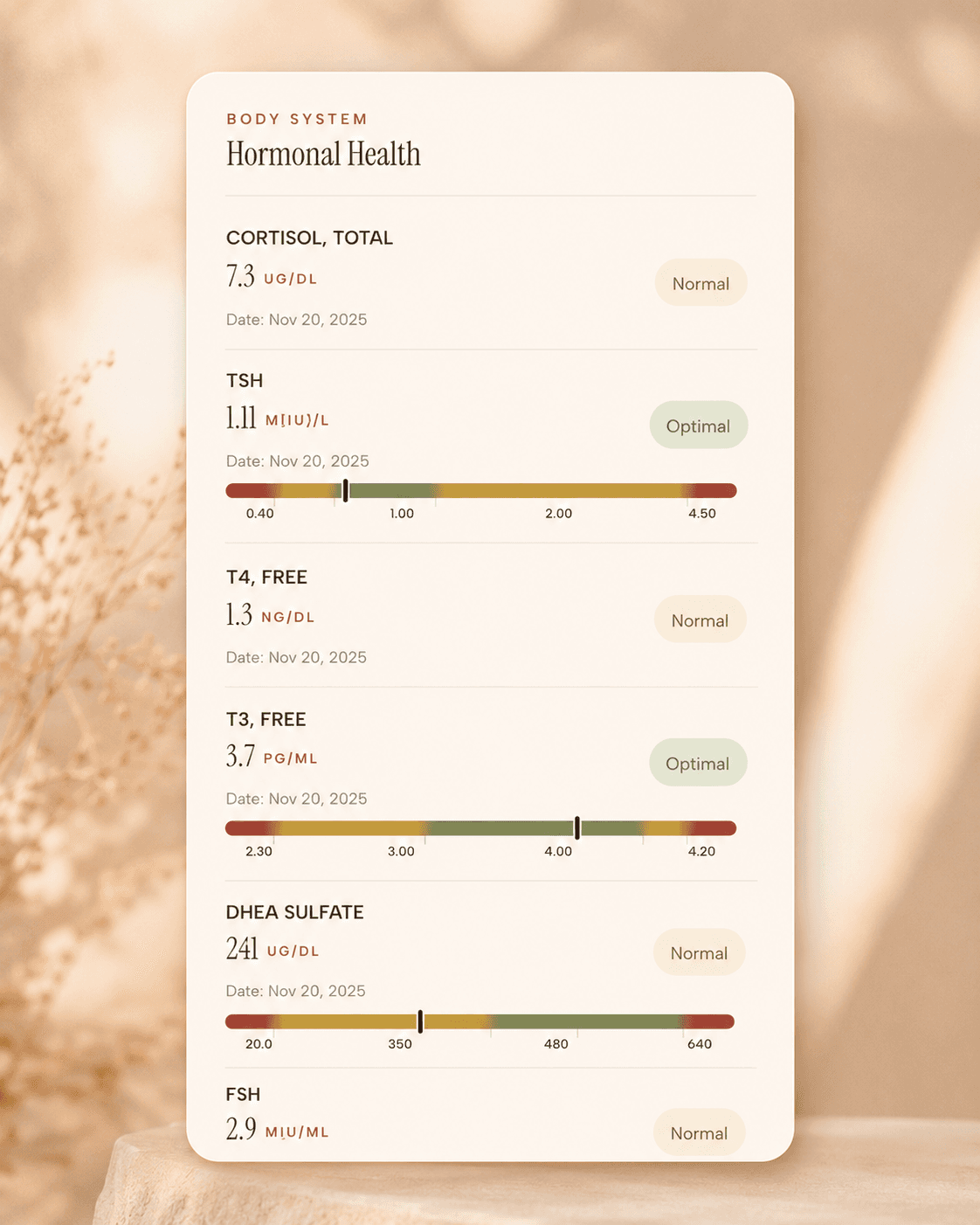
TSH is the master regulator of thyroid function, controlling the production of thyroid hormones T4 and T3. In functional medicine, we use narrower TSH ranges than conventional medicine to identify subclinical thyroid dysfunction early. Even mildly elevated TSH can indicate thyroid insufficiency, leading to fatigue, weight gain, depression, and metabolic dysfunction. TSH levels are influenced by stress, nutrient deficiencies, autoimmune conditions, and environmental toxins. Optimal TSH supports energy, metabolism…
Learn moreLab testing
Get TSH, free T4, FSH, and estradiol checked at Quest
starting from $99 panel with 100+ tests, one visit
No referral needed
About 1 week
Schedule online — results typically within a week
Clear next steps
Guidance included, with follow-up care available
HSA / FSA
Eligible for pre-tax health spending accounts
Pro Tips
If you wake up sweating, try the “cool-down reset”: sit up, throw the covers off for 2–3 minutes, and take slow breaths while a fan hits your chest and neck. It shortens the episode because it helps your body dump heat faster.
Put a spare T-shirt and a towel on your nightstand instead of in a drawer. The goal is to change and lie back down in under two minutes so you don’t fully wake your brain into insomnia mode.
If you suspect alcohol is a trigger, don’t just cut it “most nights.” Do a clean 14-night trial with zero drinks after 5 p.m., because even one glass can affect your overnight temperature and sleep architecture.
Try a lighter, protein-forward evening snack if you wake sweaty and hungry at 2–4 a.m. A small option like yogurt or a handful of nuts before bed can smooth overnight blood sugar swings for some people.
If you’re using a wearable, look at your resting heart rate overnight on sweaty nights. A consistent spike can be a clue that stress physiology, alcohol, or thyroid overactivity is part of the picture, which helps you choose the right next step.
Frequently Asked Questions
Are night sweats a normal part of perimenopause?
Yes, they’re very common, and they’re usually the nighttime version of hot flashes caused by shifting estrogen and a more sensitive brain “thermostat.” They often come in waves and can be worse during certain parts of your cycle, even when your periods are irregular. If they’re new and frequent, tracking patterns for two weeks helps you confirm the hormone-style pattern and spot triggers.
When should I worry that night sweats are something serious?
It’s worth getting checked promptly if your night sweats are drenching and you also have fever, unexplained weight loss, swollen lymph nodes, or a new persistent cough. Those combinations can point to infection or, less commonly, conditions like lymphoma. If you feel generally unwell in addition to sweating, don’t chalk it up to perimenopause—book a medical visit.
What blood tests help with perimenopause night sweats?
A practical starting set is TSH with free T4 to rule out thyroid overactivity, plus FSH and estradiol (E2) to support a perimenopause pattern when your symptoms and cycle changes fit. FSH and estradiol can swing day to day, so they’re most useful when interpreted with your timeline rather than as a single “yes/no” answer. Bring your symptom log when you review results so the numbers match what you’re feeling.
Can anxiety cause night sweats during perimenopause?
It can, and perimenopause can make anxiety more likely because sleep disruption and hormone shifts both lower your stress threshold. Anxiety-related sweating often comes with a racing heart, a sense of dread, or waking abruptly from vivid dreams, and it may happen even in a cool room. If you notice that pattern, treating the sleep-and-stress loop can reduce sweating even before hormones fully settle.
How can I stop night sweats tonight?
Start with the fastest levers: keep your bedroom cool, use a fan aimed at your upper body, and switch to breathable sheets and moisture-wicking sleepwear. Avoid alcohol and heavy or spicy food within three hours of bed, because those are common immediate triggers. If you still wake drenched, do a quick change-and-reset routine so you can fall back asleep before your brain fully wakes up.