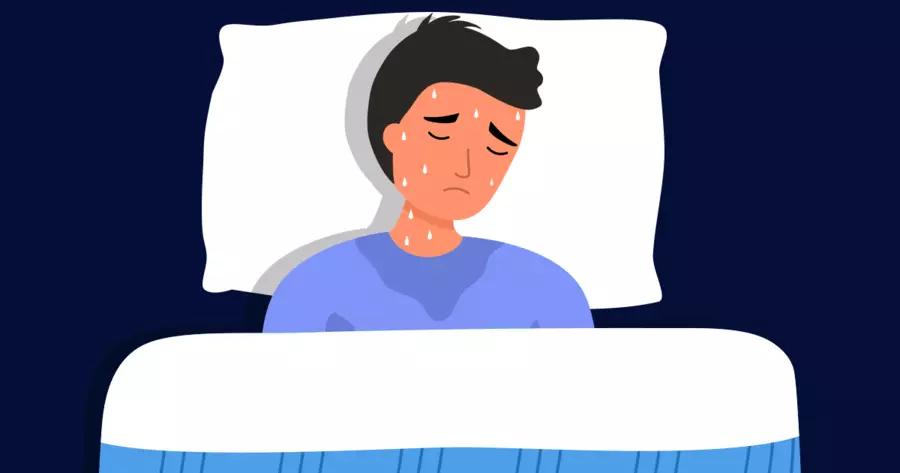
Hot Flashes During Your Period: What They Mean
Hot flashes during period often come from estrogen drops, thyroid overactivity, or low iron stress. Targeted labs can help—no referral needed.





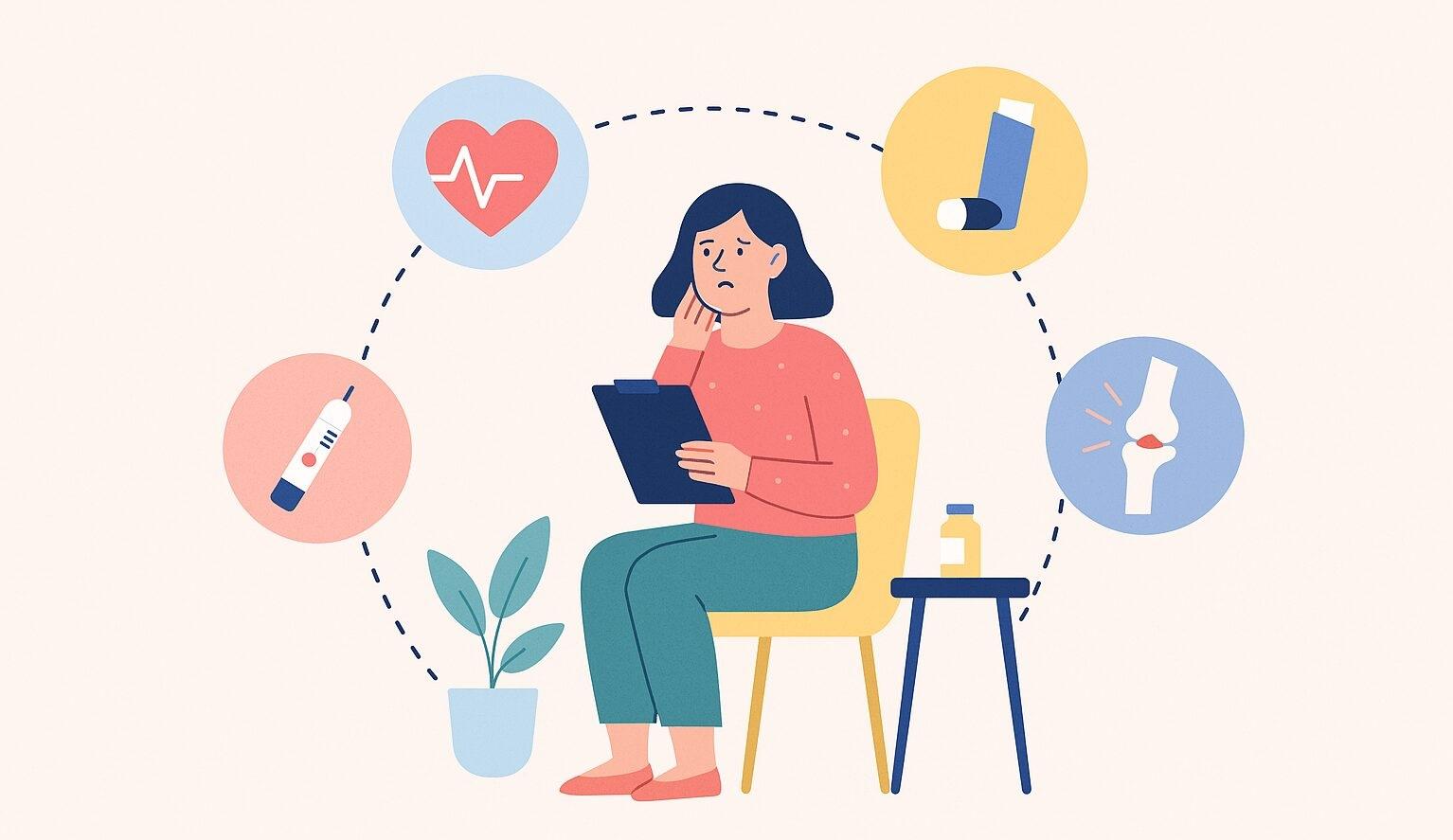
Hot flashes during your period usually happen because your estrogen drops right before and during bleeding, which can make your brain’s temperature control center (hypothalamus) overreact. They can also show up when your thyroid is running fast or when low iron from heavy periods leaves your body stressed and jittery. A few targeted blood tests can help sort out which pattern fits you. This symptom can feel unfair because you expect cramps and mood shifts, not sudden waves of heat, sweating, and a racing heart. The tricky part is that “hot flash” is a sensation, not a diagnosis, and several different body systems can create the same experience. Below you’ll see the most common reasons it happens around your cycle, what tends to help in real life, and which labs are most useful if you want clarity. If you’re stuck between a few possibilities, PocketMD can help you talk through your timeline and symptoms in plain language, and VitalsVault labs can help you confirm what’s going on.
Why you get hot flashes during your period
Estrogen drop narrows your comfort zone
Right before your period, estrogen often falls quickly, and that can make your brain’s thermostat more “twitchy” than usual. Small things that never bothered you before — a warm room, a hot shower, a glass of wine — can suddenly feel like too much, so you flush and sweat to cool down. If this is your pattern, the timing is the clue: symptoms peak in the few days before bleeding and the first day or two of your period.
Perimenopause overlaps with your cycle
In perimenopause, your ovaries don’t release hormones in a smooth rhythm anymore, so you can get big swings even if you’re still having periods. That “roller coaster” can make hot flashes cluster around bleeding, but you might also notice shorter cycles, skipped cycles, or new sleep problems. A useful takeaway is to look at the whole year, not just one month, because the trend over time is what separates perimenopause from a one-off hormonal blip.
Thyroid running fast mimics hot flashes
If your thyroid is overactive, your metabolism runs hotter, and you can feel sweaty, warm, and keyed up in a way that looks like hormonal hot flashes. People often also notice a faster heart rate, shakiness, more frequent bowel movements, or unexplained weight loss. If your heat episodes are not tightly tied to your cycle, or they come with persistent palpitations, a thyroid check is one of the highest-yield next steps.
Low iron from heavy bleeding
Heavy periods can gradually drain your iron stores, and low iron can make your body feel on edge because your tissues are working harder to get oxygen. That can translate into pounding heartbeats, shortness of breath on stairs, and sudden heat or sweating that feels like a flush. If you soak through pads or tampons quickly, pass large clots, or feel wiped out for days, ask specifically for ferritin, because “normal hemoglobin” can miss early iron depletion.
Medication or supplement timing effects
Some medicines and supplements can trigger flushing or sweating, and your period week is when you might change how you take them. Common examples include starting or stopping hormonal contraception, changing antidepressant doses, taking decongestants, or using high-dose niacin. The practical move here is simple: write down anything you changed in the two weeks before the hot flashes started, because the timeline often points to the culprit faster than guessing.
What actually helps with period hot flashes
Use a two-week trigger map
For two cycles, track each hot flash with a quick 10-second note: time, intensity from 1–10, and what happened in the 30 minutes before. You’re not trying to be perfect — you’re trying to catch patterns like “always after coffee on day 1” or “only when I’m rushing and stressed.” Once you see your top trigger or two, you can test a targeted change instead of overhauling your whole life.
Cool your body before you overheat
Hot flashes often escalate because your body crosses a threshold and then overcorrects. Pre-cooling helps: try a cold pack on the back of your neck for 2–3 minutes, sip ice water, or use a fan while you’re getting ready for bed during period week. It sounds basic, but lowering your starting temperature can reduce the intensity and the “after-sweat” crash.
Adjust caffeine and alcohol just for period week
You don’t necessarily need to quit coffee forever, but caffeine can amplify adrenaline and make flushing feel more intense when hormones are already shifting. Alcohol can widen blood vessels and trigger a sudden heat wave, especially in the evening when you’re trying to sleep. A realistic experiment is to cut back only from two days before bleeding through day two, and then see if your night sweats and wake-ups improve.
Treat low iron if ferritin is low
If your ferritin is low, fixing iron stores can reduce the “wired but tired” feeling that makes heat episodes more likely. Many people do well with an iron supplement taken every other day, because that schedule can improve absorption and reduce stomach upset, but the right dose depends on your labs and your bleeding. Pair it with a plan to address heavy periods too, because replacing iron without reducing losses can feel like bailing water without fixing the leak.
Talk through hormone options if needed
If perimenopause or hormone swings are the driver, options like certain birth control formulations or menopausal hormone therapy can smooth the peaks and dips that trigger flushing. The best choice depends on your age, migraine history, clot risk, and whether you’ve had breast cancer treatment, so this is one place where personalized guidance matters. Bring a symptom timeline to the visit, because it helps your clinician match the treatment to your cycle pattern instead of guessing.
Useful biomarkers to discuss with your clinician
Ferritin
Ferritin is your body's iron storage protein, reflecting total iron stores in the body. In functional medicine, ferritin assessment is crucial for identifying both iron deficiency and iron overload, conditions that can significantly impact energy levels and overall health. Low ferritin is the earliest sign of iron deficiency, often occurring before anemia develops. This can cause fatigue, weakness, restless leg syndrome, and cognitive impairment. Conversely, elevated ferritin may indicate iron overload, inflamma…
Learn moreTSH
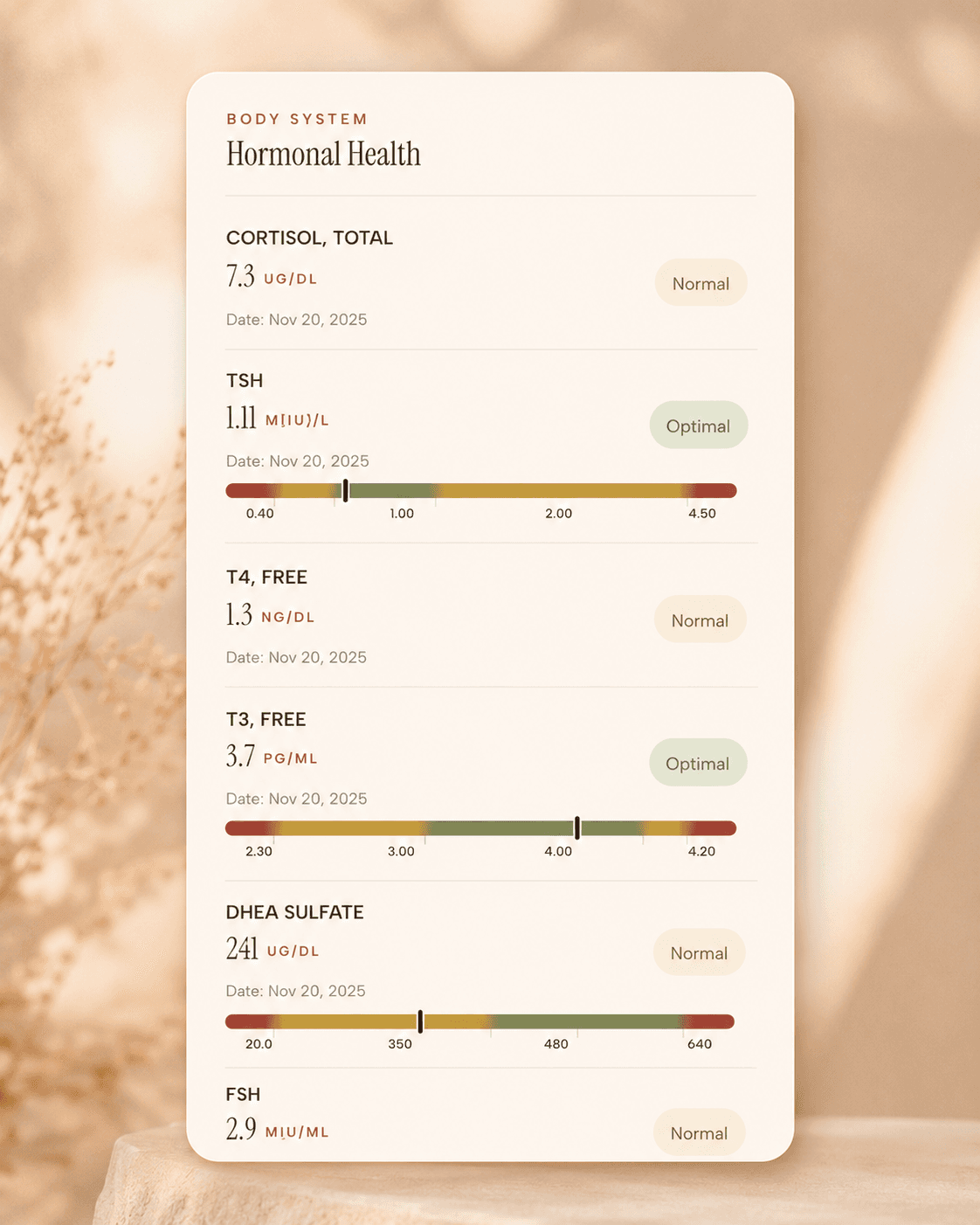
TSH is the master regulator of thyroid function, controlling the production of thyroid hormones T4 and T3. In functional medicine, we use narrower TSH ranges than conventional medicine to identify subclinical thyroid dysfunction early. Even mildly elevated TSH can indicate thyroid insufficiency, leading to fatigue, weight gain, depression, and metabolic dysfunction. TSH levels are influenced by stress, nutrient deficiencies, autoimmune conditions, and environmental toxins. Optimal TSH supports energy, metabolism…
Learn moreEstradiol
Estradiol in men is produced from testosterone via aromatase enzyme. In functional medicine, we recognize that men need optimal estradiol levels for bone health, cognitive function, and cardiovascular protection. However, excessive estradiol can suppress testosterone production and cause feminizing effects. The testosterone-to-estradiol ratio is crucial for male health, with optimal balance supporting vitality while preventing estrogen dominance. Balanced estradiol levels in men support bone health and cognitive…
Learn moreLab testing
Get TSH, free T4, ferritin, and CBC checked at Quest
starting from $99 panel with 100+ tests, one visit
No referral needed
About 1 week
Schedule online — results typically within a week
Clear next steps
Guidance included, with follow-up care available
HSA / FSA
Eligible for pre-tax health spending accounts
Pro Tips
Try a “period-week thermostat plan”: set your bedroom 1–2°C cooler than usual, use breathable sleepwear, and keep a spare shirt by the bed so a night sweat doesn’t turn into an hour of wakefulness.
If your hot flashes spike on day 1–2, experiment with moving your hottest shower to earlier in the day and finishing with 30–60 seconds of cooler water to reduce that post-shower flush.
When a flash hits, slow your exhale on purpose: breathe in for 4 seconds and out for 6–8 seconds for one minute, because longer exhales nudge your nervous system out of “alarm mode.”
If you suspect heavy bleeding, quantify it for one cycle by counting how often you change protection and whether you leak overnight, because those details help a clinician take your symptoms seriously and choose the right workup.
If you take iron, take it away from calcium and coffee, and consider every-other-day dosing; then recheck ferritin in about 8–12 weeks so you know you’re actually rebuilding stores.
Frequently Asked Questions
Is it normal to get hot flashes during your period?
It can be normal, especially if it happens in a predictable window right before bleeding or on day 1–2, because estrogen often drops at that time. It is also common in perimenopause, when hormone swings get bigger even if you still have periods. If it’s new, intense, or not tied to your cycle, it’s worth checking thyroid labs (TSH and free T4) and iron stores (ferritin).
Can low iron cause hot flashes during my period?
Low iron can contribute, especially if you have heavy periods and you also feel breathless on stairs, notice a pounding heartbeat, or feel unusually wiped out. Ferritin is the most useful test because it reflects iron stores, and symptoms often show up when ferritin drops below about 30 ng/mL even before anemia appears. Ask for ferritin plus a CBC, and bring up your bleeding pattern so the root cause gets addressed.
How do I know if it’s perimenopause or just PMS?
PMS tends to follow a similar pattern month to month, while perimenopause often brings change over time, like shorter cycles, skipped periods, new sleep disruption, or hot flashes that start appearing outside your usual PMS window. Hot flashes that begin in your late 30s or 40s and gradually become more frequent are especially suggestive. Track symptoms for 2–3 cycles and note cycle length, because the trend is more informative than a single month.
What blood tests should I get for hot flashes during my period?
The most practical starting trio is TSH with free T4 to screen for thyroid-driven heat intolerance, ferritin to check iron stores, and a CBC to see whether heavy bleeding has led to anemia. These tests don’t “diagnose hormones,” but they can rule in common, fixable contributors that mimic hormonal hot flashes. If results are abnormal or symptoms persist, use that data to guide the next step with your clinician.
When should I worry about hot flashes during my period?
Get urgent help if a heat episode comes with chest pain, fainting, severe shortness of breath, or confusion, because those are not typical period symptoms. You should also book a prompt visit if you have persistent palpitations, unintentional weight loss, or soaking-heavy bleeding, since thyroid disease and iron deficiency are treatable but can worsen if ignored. Bring a short symptom timeline and, if you can, your last 2–3 cycle dates to make the visit more productive.