Why You Sleep Lightly During Your Period
Light sleep during period often comes from progesterone drop, cramps or bloating, and low iron. Targeted blood tests available at Quest—no referral needed.





Light sleep during your period usually happens because progesterone drops, your nervous system becomes easier to “wake,” and period symptoms like cramps or bloating keep nudging you out of deeper sleep. Low iron from heavier bleeding can add a second problem by making your body feel wired-tired and restless at night. A few targeted labs can help you figure out whether hormones, iron status, or thyroid strain is the main driver for you. If you feel like you are sleeping “with one eye open” during the days you bleed, you are not imagining it. Your cycle changes pain sensitivity, body temperature, and even how stable your breathing is during sleep, so the same bedroom and the same bedtime routine can suddenly stop working for a week. The good news is that period-week sleep is often very fixable once you match the strategy to the cause. This guide walks you through the most common reasons, what helps in real life, and where PocketMD and VitalsVault labs can be useful when you want a clearer answer than guesswork.
Why you sleep lightly during your period
Progesterone drops and sleep lightens
In the days right before and during bleeding, progesterone falls fast, and that hormone is one of your body’s natural “calming” signals. When it drops, your brain tends to spend less time in deeper stages and more time in lighter sleep, which means small noises or a quick thought can wake you fully. If this pattern is predictable every cycle, it is a clue that timing-based strategies (not just general sleep hygiene) will work best.
Cramps trigger micro-awakenings
Period cramps are driven by uterine chemicals called prostaglandins, and they can cause brief pain spikes even if you do not fully remember them. Your body reacts by tensing and releasing, which fragments sleep and leaves you feeling unrefreshed. The takeaway is simple: if cramps are part of your story, treating pain earlier in the evening often improves sleep more than adding another supplement.
Bloating and reflux disturb sleep
Hormone shifts can slow digestion and increase water retention, so you may feel more bloated or gassy during your period. A stretched abdomen can make it harder to get comfortable, and reflux can cause subtle throat irritation that wakes you up repeatedly. If you notice more burping, a sour taste, or waking after lying flat, a “sleep position plus meal timing” tweak can make a bigger difference than forcing yourself to relax.
Low iron from heavier bleeding
If your periods are heavy, your iron stores can slowly drain, even when your hemoglobin looks “normal.” Low iron stores can feel like restless legs, a racing mind at bedtime, or waking too early and not being able to drop back into deep sleep. A ferritin test is the most useful starting point here because it reflects your iron reserves, not just what is circulating today.
Stress and temperature sensitivity rise
During your period, your body can run a little warmer and your stress response can feel sharper, especially if you are already stretched thin. That combination makes you more sensitive to a room that is slightly too warm, a partner moving, or a work thought that pops up at 3 a.m. If you are also having panic-y awakenings, chest tightness, or a pounding heartbeat, it is worth addressing stress physiology directly rather than blaming willpower.
What actually helps you sleep deeper
Treat cramps before they peak
If cramps wake you, do not wait until you are already in pain at midnight. Many people do better taking an anti-inflammatory option earlier in the evening with food, then using heat (a heating pad or hot water bottle) as you get into bed. If you cannot take NSAIDs or you have stomach issues, ask a clinician about alternatives, because untreated pain is one of the most common reasons period-week sleep stays light.
Cool your sleep environment on purpose
Lighter sleep is easier to trigger when your body is warm, so make cooling a deliberate experiment for one cycle. Try setting the room a few degrees cooler, using breathable bedding, and taking a warm shower 60–90 minutes before bed so your core temperature drops afterward. If you wake sweaty or “on alert,” this can be the simplest lever with the fastest payoff.
Use magnesium for tension and restlessness
Magnesium supports muscle relaxation and steadier nerve signaling, which can matter when cramps, jaw clenching, or restless legs are part of your nights. Many people tolerate magnesium glycinate best, and taking it 1–2 hours before bed is a practical timing. If it causes loose stools, that is a sign to lower the dose or switch forms rather than pushing through.
Adjust food timing for bloating or reflux
If your sleep breaks after you lie down, your stomach may be the culprit. Aim to finish your last larger meal about 3 hours before bed, and keep late snacks small and low-acid if reflux shows up during your period. Sleeping on your left side or slightly elevating your upper body can reduce nighttime reflux enough to stop the repeated wake-ups.
Build a “back-to-sleep” script
When hormones make you more wake-prone, the goal is not perfect sleep, it is faster recovery after a wake-up. Keep lights low, avoid checking the time, and use a short routine you repeat every time, such as slow breathing with a longer exhale or a brief body scan. If you are awake more than about 20–30 minutes, get up for a dim-light reset and return to bed when sleepy, because struggling in bed trains your brain to stay alert there.
Useful biomarkers to discuss with your clinician
Ferritin
Ferritin is your body's iron storage protein, reflecting total iron stores in the body. In functional medicine, ferritin assessment is crucial for identifying both iron deficiency and iron overload, conditions that can significantly impact energy levels and overall health. Low ferritin is the earliest sign of iron deficiency, often occurring before anemia develops. This can cause fatigue, weakness, restless leg syndrome, and cognitive impairment. Conversely, elevated ferritin may indicate iron overload, inflamma…
Learn moreProgesterone
While primarily known as a female hormone, progesterone plays important roles in men including neuroprotection, sleep quality, and as a precursor to other hormones. In functional medicine, male progesterone assessment helps evaluate overall hormone synthesis pathways and stress response. Low progesterone in men may indicate chronic stress or adrenal dysfunction, while optimal levels support brain health and sleep quality. Progesterone in men supports neurological health, sleep quality, and serves as a building b…
Learn moreIron Binding Capacity
TIBC helps distinguish between different causes of abnormal iron levels. High TIBC indicates iron deficiency (the body increases transferrin to capture more iron), while low TIBC suggests iron overload or chronic disease. It's essential for accurate iron status assessment. Total Iron Binding Capacity (TIBC) measures the blood's capacity to bind iron with transferrin, the main iron transport protein. It indirectly reflects transferrin levels and iron status.
Learn moreLab testing
Check ferritin, TSH, and magnesium at Quest
starting from $99 panel with 100+ tests, one visit
No referral needed
About 1 week
Schedule online — results typically within a week
Clear next steps
Guidance included, with follow-up care available
HSA / FSA
Eligible for pre-tax health spending accounts
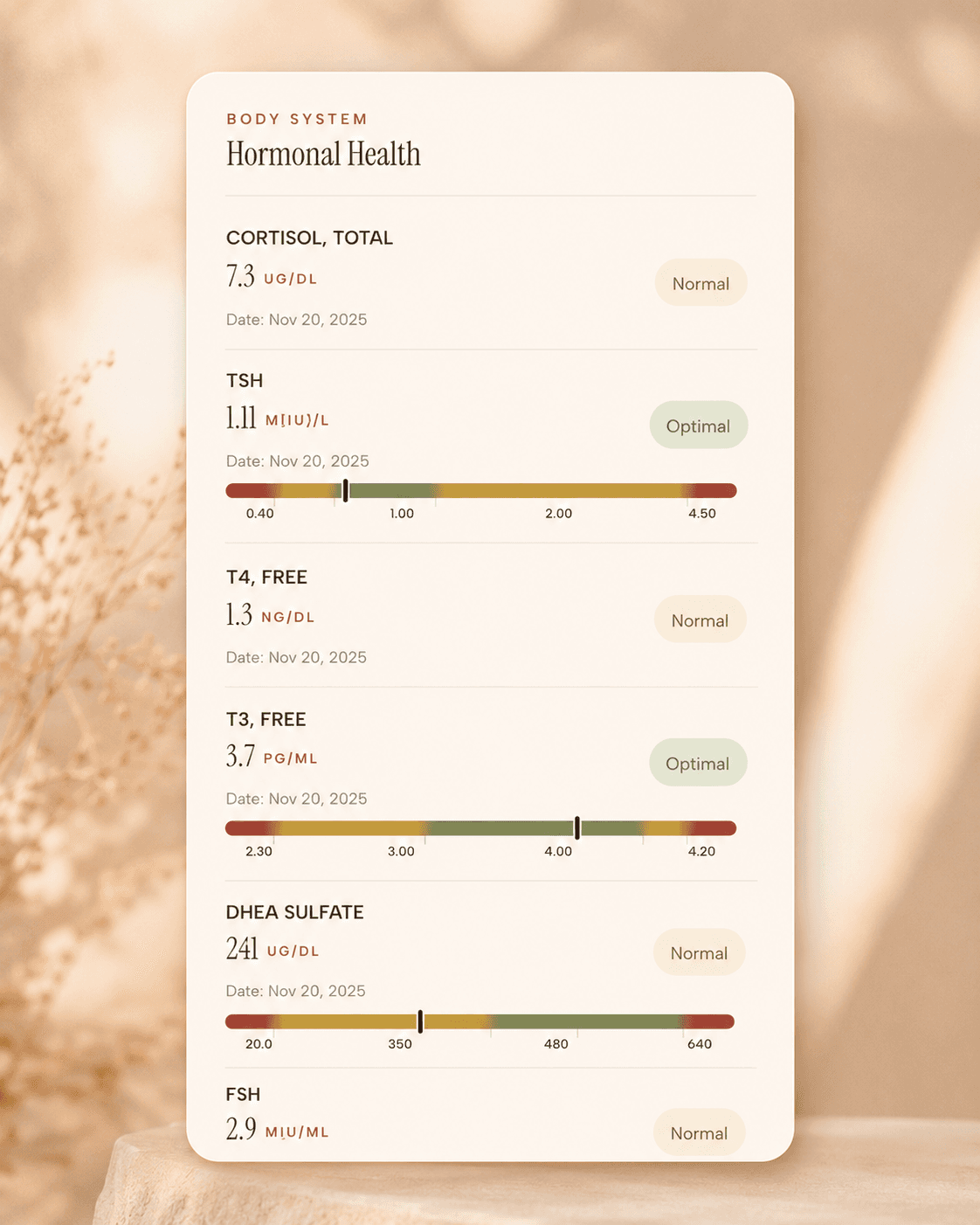
Pro Tips
Run a two-cycle experiment: for the first two nights of bleeding, treat cramps proactively (heat plus your preferred pain plan) and write down how many times you wake. If wake-ups drop, you just proved pain was the main driver.
If you suspect low iron, do not rely on “normal hemoglobin” as reassurance. Ask for ferritin and note your flow pattern, because heavy bleeding plus ferritin under about 30 ng/mL is a common, fixable setup for light sleep.
Make your bedroom “period-proof” for one week by pre-setting a cooler thermostat, swapping to breathable sheets, and keeping a spare layer nearby so you can adjust without fully waking.
If bloating is your issue, try a 3-hour food cutoff before bed during your period week and keep a simple note of reflux signs like throat clearing or a sour taste. The pattern is often obvious within a few nights.
Use a single, boring wind-down cue that your brain learns fast, such as the same low-light playlist plus 5 minutes of slow exhale breathing. Consistency matters more than intensity when your sleep is already fragile.
Frequently Asked Questions
Is it normal to sleep lightly during your period?
Yes, it can be normal because progesterone drops and your body is more sensitive to pain, temperature, and stress signals during bleeding. That combination makes you easier to wake and can reduce deep sleep for a few nights. If it is new, severe, or paired with very heavy bleeding, checking ferritin and thyroid markers like TSH is a practical next step.
Why do I keep waking up at 3 a.m. on my period?
A 3 a.m. wake-up often happens when light sleep meets a trigger, such as a cramp wave, reflux after lying flat, or a warmer body temperature that pushes you out of deeper sleep. Your brain then grabs onto a thought and you feel wide awake. Try cooling the room and treating cramps earlier in the evening, and use a repeatable back-to-sleep routine so the wake-up does not turn into insomnia.
Can low iron cause insomnia during menstruation?
Low iron stores can contribute to insomnia-like sleep, especially if you get restless legs, a “wired but tired” feeling, or frequent waking. Ferritin is the key test because it reflects iron reserves, and many people feel better when ferritin is closer to 50–100 ng/mL rather than low-normal. If your ferritin is low, ask about an iron plan and also address heavy bleeding so the problem does not keep returning.
What is the best magnesium for sleep during your period?
Many people find magnesium glycinate helpful because it is often gentler on the stomach and can support relaxation when cramps or muscle tension are part of the picture. Taking it 1–2 hours before bed is a reasonable timing, and you can adjust the dose based on how you feel the next day. If you want a lab-guided approach, RBC magnesium can help you see whether you are truly running low.
When should I worry about sleep problems during my period?
It is worth getting checked if your sleep disruption lasts most of the month, if you are missing work or feeling unsafe to drive, or if you have heavy bleeding that soaks through pads or tampons every 1–2 hours. New palpitations, shortness of breath, or fainting are also reasons to seek urgent care because anemia or other issues can be involved. For a non-urgent but clear next step, start with ferritin and TSH and bring a one-cycle sleep-and-symptom log to your clinician.