Mental Fatigue in Perimenopause: Why Your Brain Feels Done
Mental fatigue in perimenopause often comes from sleep disruption, hormone swings, or iron and thyroid shifts. Targeted labs available at Quest—no referral needed.





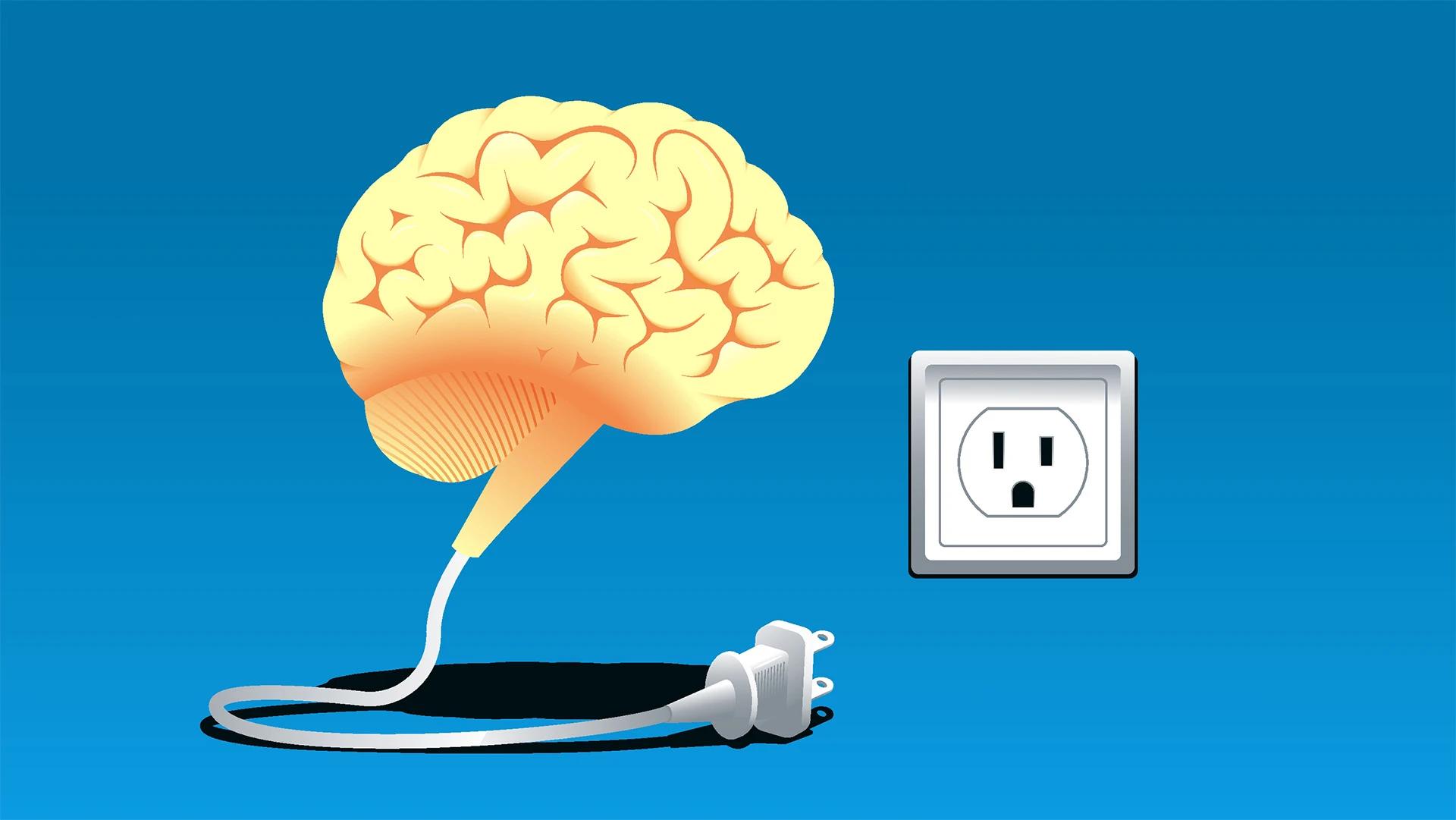
Mental fatigue in perimenopause is usually a mix of disrupted sleep, shifting estrogen and progesterone that change how your brain uses serotonin and stress hormones, and “quiet” issues like low iron stores or thyroid changes. It can feel like your brain battery won’t charge, even when you’re trying hard. Simple blood tests can help sort out which driver is most likely for you. Perimenopause is a high-demand season for your body and your life, so it’s common to blame yourself for feeling foggy, flat, or mentally tapped out. But this symptom is often mechanical: your sleep gets lighter, your stress response runs hotter, and your brain has to work harder to do the same tasks. The good news is that you can usually improve it with a few targeted changes, and tools like PocketMD and Vitals Vault labs can help you decide what to try first instead of guessing.
Why mental fatigue hits in perimenopause
Sleep gets lighter and fragmented
In perimenopause, you can lose deep, restorative sleep even if you still spend “enough” hours in bed. Night sweats, early waking, and a more reactive nervous system mean your brain never fully powers down, so the next day feels like you’re thinking through mud. A useful clue is when your worst mental fatigue follows nights with 2–3 awakenings or a 3–5 a.m. wake-up that won’t settle.
Hormone swings tax your brain
It’s not only low estrogen, it’s the up-and-down pattern that can make your brain feel unpredictable. Estrogen helps regulate brain chemicals that affect focus and motivation, and progesterone tends to have a calming effect, so when both fluctuate you can feel wired, flat, or emotionally numb in the same week. If your mental stamina changes with your cycle length, spotting, or new PMS-like symptoms, that pattern is a strong hint.
Low iron stores without anemia
You can have normal hemoglobin and still have low iron reserves, which is called low ferritin. When ferritin is low, your brain and muscles have less “backup fuel” for oxygen delivery and energy production, so concentration drops and everything feels harder than it should. This is especially common if your periods have gotten heavier or closer together, so it’s worth checking ferritin rather than assuming it’s just stress.
Thyroid slowdown or overdrive
Thyroid hormone sets the pace for how your cells make energy, and perimenopause is also a common time for thyroid issues to show up. When thyroid function is low, you can feel slowed down, forgetful, and unmotivated, but when it’s high you can feel anxious and mentally scattered while still exhausted. If mental fatigue comes with new sensitivity to cold or heat, hair shedding, or a noticeable change in resting heart rate, a TSH test is a smart first screen.
Chronic stress response stays “on”
When you’re juggling work, caregiving, and life admin, your stress system can start acting like a smoke alarm that’s too sensitive. Over time, high stress hormones can make sleep shallower and attention more jumpy, which creates the specific feeling of decision fatigue where even small choices feel heavy. A practical takeaway is to treat this as a body state, not a character flaw, and build in short “downshifts” during the day so your brain can reset.
What actually helps your mental energy
Protect deep sleep on purpose
If your sleep is fragmented, your first goal is fewer awakenings, not a perfect bedtime routine. Try a two-week experiment where you keep the bedroom cool, stop alcohol within 4 hours of bed, and use a consistent wake time even on weekends, because that anchors your brain’s sleep drive. If hot flashes or night sweats are the main disruptor, bring that up specifically with your clinician because treating the night symptoms often improves daytime mental stamina fast.
Lower your daily cognitive load
Mental fatigue improves when you stop forcing your brain to hold everything in working memory. Pick one “external brain” system for two weeks, such as a single notes app or a paper planner, and move every open loop into it so your mind doesn’t keep re-checking it. Then set two short decision windows per day for admin tasks, because batching decisions reduces the constant drain that makes you feel numb and uncreative.
Use caffeine like a tool, not a rescue
In perimenopause, caffeine can temporarily sharpen focus but also worsen anxiety and sleep, which backfires the next day. A simple rule that works for many people is to delay your first caffeine by 60–90 minutes after waking and stop by early afternoon, so you get the benefit without stealing deep sleep. If you notice a 3 p.m. crash, try a 10-minute brisk walk or bright outdoor light first, because that often lifts alertness without the rebound.
Target iron or B12 if low
If ferritin or vitamin B12 comes back low, treating the deficiency can feel like someone turned the lights back on in your brain. The key is to treat based on numbers and symptoms, and to recheck so you know it’s actually improving rather than guessing. If your periods are heavy, also ask about addressing the bleeding itself, because replacing iron without fixing the leak can keep you stuck in the same cycle.
Consider menopause-specific treatment
When mental fatigue is tied to classic perimenopause symptoms like night sweats, mood swings, and cycle changes, hormone therapy may be an option for some people, and it can improve sleep and quality of life. It is not a DIY project, because the right choice depends on your uterus status, migraine history, clot risk, and personal preferences. A good next step is to bring a short symptom timeline to your appointment so the conversation is concrete rather than vague.
Useful biomarkers to discuss with your clinician
Ferritin
Ferritin is your body's iron storage protein, reflecting total iron stores in the body. In functional medicine, ferritin assessment is crucial for identifying both iron deficiency and iron overload, conditions that can significantly impact energy levels and overall health. Low ferritin is the earliest sign of iron deficiency, often occurring before anemia develops. This can cause fatigue, weakness, restless leg syndrome, and cognitive impairment. Conversely, elevated ferritin may indicate iron overload, inflamma…
Learn moreVitamin B12
Vitamin B12 (cobalamin) is essential for DNA synthesis, red blood cell formation, neurological function, and energy metabolism. In functional medicine, we recognize that B12 deficiency is surprisingly common, especially in older adults, vegetarians, vegans, and those with digestive issues. B12 deficiency can cause irreversible neurological damage if left untreated. The vitamin is crucial for methylation reactions, which affect cardiovascular health, detoxification, and gene expression. Even subclinical deficienc…
Learn moreTSH
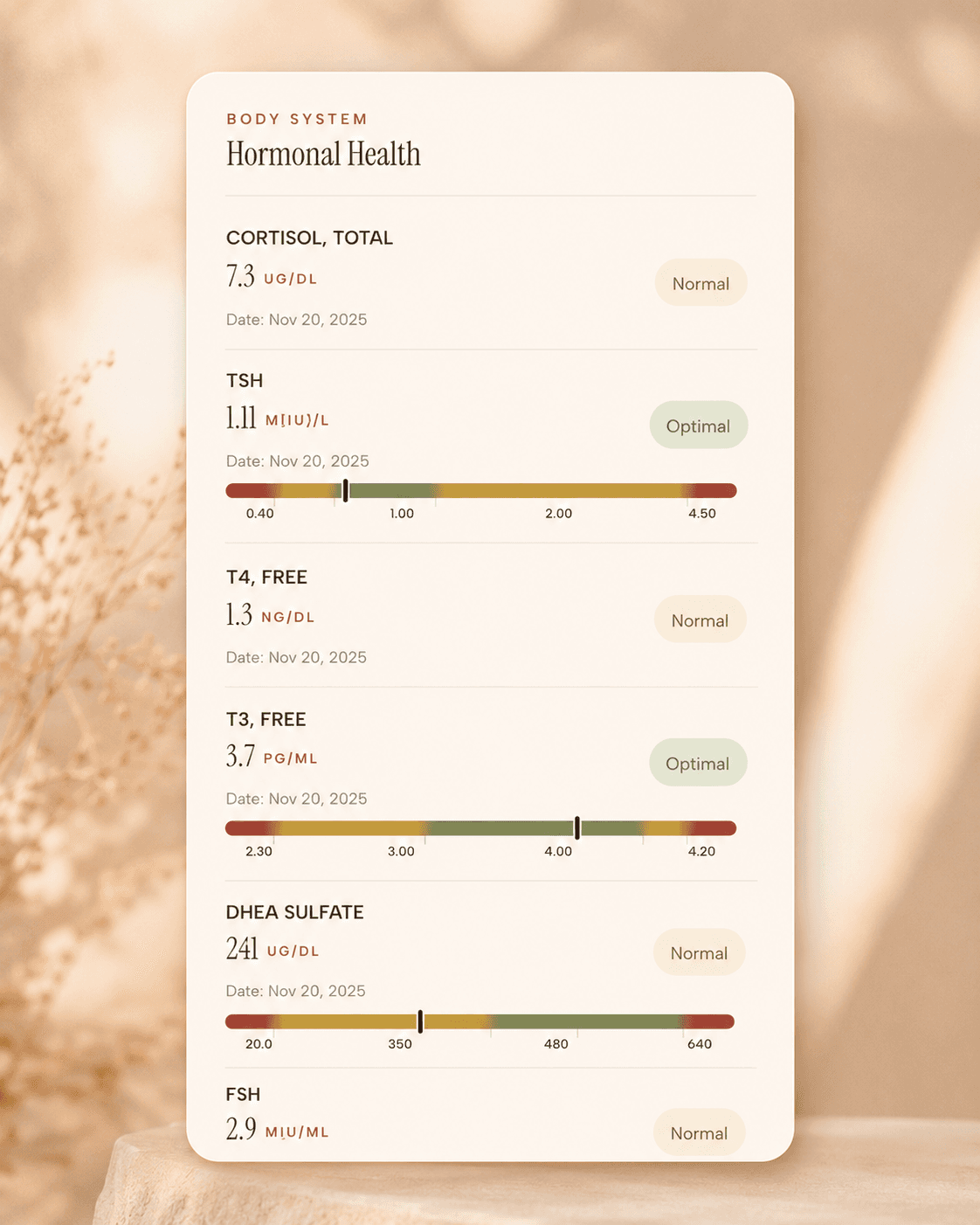
TSH is the master regulator of thyroid function, controlling the production of thyroid hormones T4 and T3. In functional medicine, we use narrower TSH ranges than conventional medicine to identify subclinical thyroid dysfunction early. Even mildly elevated TSH can indicate thyroid insufficiency, leading to fatigue, weight gain, depression, and metabolic dysfunction. TSH levels are influenced by stress, nutrient deficiencies, autoimmune conditions, and environmental toxins. Optimal TSH supports energy, metabolism…
Learn moreLab testing
Check ferritin, TSH, and vitamin B12 at Quest
starting from $99 panel with 100+ tests, one visit
No referral needed
About 1 week
Schedule online — results typically within a week
Clear next steps
Guidance included, with follow-up care available
HSA / FSA
Eligible for pre-tax health spending accounts
Pro Tips
Try a 14-day “mental energy audit” where you rate your brain energy from 1–10 at three set times (morning, mid-afternoon, evening) and write one sentence about what happened before the dip; patterns show up faster than you think.
If you wake between 3 and 5 a.m., keep the lights low and avoid checking your phone, because bright light teaches your brain that it’s morning; a boring audiobook or a short breathing track is often enough to get you back to sleep.
On heavy brain days, use the “two-task rule”: pick one must-do task and one small reset task, and let everything else wait, because trying to push through a full list usually makes you crash harder.
If you suspect iron is part of the story, track your period flow for two cycles using a simple scale (light, medium, heavy) and note clots or flooding, because that information changes what your clinician does next.
Move one meeting, study block, or creative task to your best focus window for a week, even if it’s inconvenient, because perimenopause often shifts your peak cognition earlier in the day.
Frequently Asked Questions
Is mental fatigue a normal symptom of perimenopause?
Yes, it’s common, and it often comes from sleep disruption plus hormone swings that change how your brain regulates stress and focus. It still deserves attention because low ferritin, thyroid changes (TSH), and vitamin B12 deficiency can mimic “just perimenopause.” If it’s new, persistent for more than a few weeks, or affecting work and relationships, get a basic lab check and bring a symptom timeline to your clinician.
How do I know if my mental fatigue is from low iron?
Low iron stores often show up as low ferritin even when your hemoglobin is normal, and it can feel like low motivation, poor concentration, and getting wiped out by normal days. Heavy or more frequent periods during perimenopause make this more likely. Ask for ferritin and discuss aiming for roughly above 30–50 ng/mL if you have symptoms.
Can thyroid problems cause brain fog during perimenopause?
They can, and perimenopause is a common time for thyroid issues to appear. A simple starting test is TSH, and if it’s abnormal your clinician may add free T4 and thyroid antibodies to clarify the cause. If you also notice hair shedding, temperature intolerance, constipation, or a big change in resting heart rate, put that in your notes before your visit.
Does hormone therapy help mental fatigue in perimenopause?
It can help indirectly by improving night sweats, sleep quality, and mood stability, which often restores daytime mental stamina. It is most likely to help when your fatigue tracks with other perimenopause symptoms and cycle changes. The safest next step is a clinician-guided discussion using your personal risk factors, rather than trying to self-dose hormones.
What labs should I ask for when I feel mentally exhausted?
For perimenopause-related mental fatigue, a practical trio is ferritin (iron stores), TSH (thyroid screen), and vitamin B12, because all three can drive brain fog and low mental stamina. Results are most useful when you pair them with your symptom pattern, sleep quality, and bleeding history. If you want a streamlined option, Vitals Vault can help you order targeted labs and then you can review the results with your clinician.