Why You Feel Mentally Exhausted During Menopause
Mental fatigue during menopause often comes from sleep disruption, shifting estrogen effects in the brain, or thyroid/iron issues. Targeted labs, no referral needed.





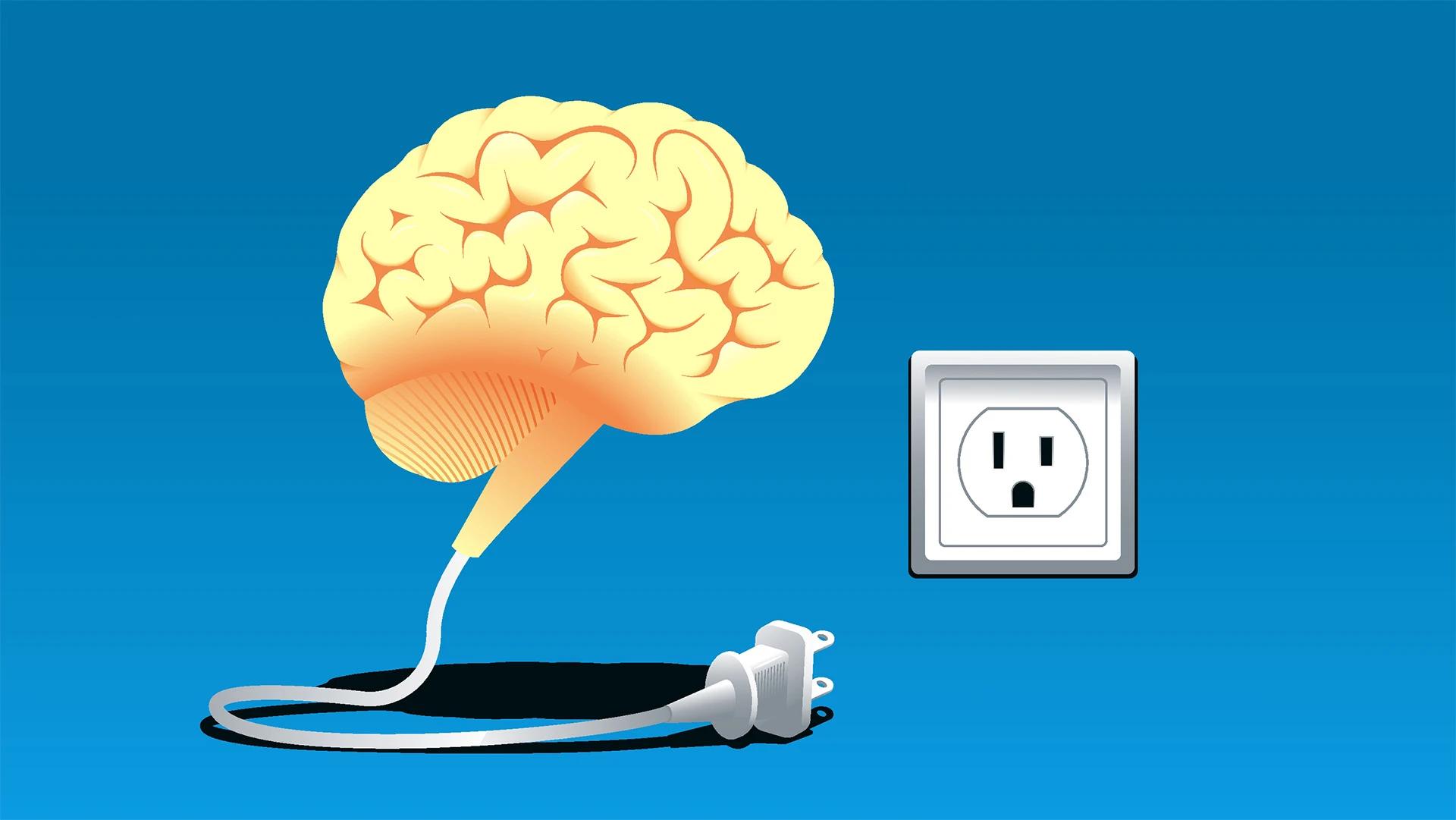
Mental fatigue during menopause is usually a mix of sleep getting fragmented, estrogen shifts changing how your brain uses energy and stress chemicals, and “fixable” medical contributors like low iron stores or thyroid changes. It can feel like your mind is running on low battery even when you are trying hard. A few targeted labs can help you sort out which driver is biggest for you. This kind of exhaustion is especially frustrating because it is not just being tired. You might notice decision-making feels heavy, your motivation goes flat, and even simple tasks take more mental effort than they used to. The good news is that mental fatigue in the menopause transition is often very responsive once you address the right bottleneck, whether that is sleep, hormones, iron, or overload. If you want help connecting your symptoms to a plan, PocketMD can talk it through with you, and Vitals Vault labs can give you objective data to work with. If your mental fatigue comes with chest pain, fainting, new severe headaches, or sudden one-sided weakness, treat that as urgent and get checked right away.
Why mental fatigue hits during menopause
Sleep gets lighter and broken
During perimenopause and menopause, your sleep architecture often changes, and you may wake more easily even if you still get “enough hours.” Hot flashes at night, anxiety spikes, or early-morning waking can keep you from getting the deep sleep your brain uses to reset attention and emotional control. The takeaway is to treat sleep as the first domino: if you are waking unrefreshed most days, your mental stamina will be capped no matter how motivated you are.
Estrogen shifts change brain chemistry
Estrogen does more than affect periods. It also influences brain messengers that support focus and drive, like serotonin and dopamine, which means fluctuating levels can feel like mental drag, low motivation, or “I can’t start.” If your fatigue comes in waves that track cycle changes or started around skipped periods, that pattern is a clue that hormone variability is part of the story.
Stress system stuck “on”
When you are juggling work, caregiving, and life, your stress response can stay activated, and your brain ends up spending energy on vigilance instead of creativity and memory. Over time, that can look like emotional numbness, decision fatigue, and a shorter fuse, even if you are still functioning. A useful clue is timing: if your mind feels worst after long stretches without breaks, you may need a recovery strategy as much as a medical workup.
Low iron stores without anemia
You can have normal hemoglobin and still have low iron reserves, which is called low iron stores (low ferritin). Your brain needs iron for oxygen handling and neurotransmitter production, so low ferritin can feel like mental heaviness, poor concentration, and getting wiped out by tasks that used to be easy. If you have a history of heavy periods earlier in perimenopause or you avoid iron-rich foods, ferritin is worth checking.
Thyroid slowing down
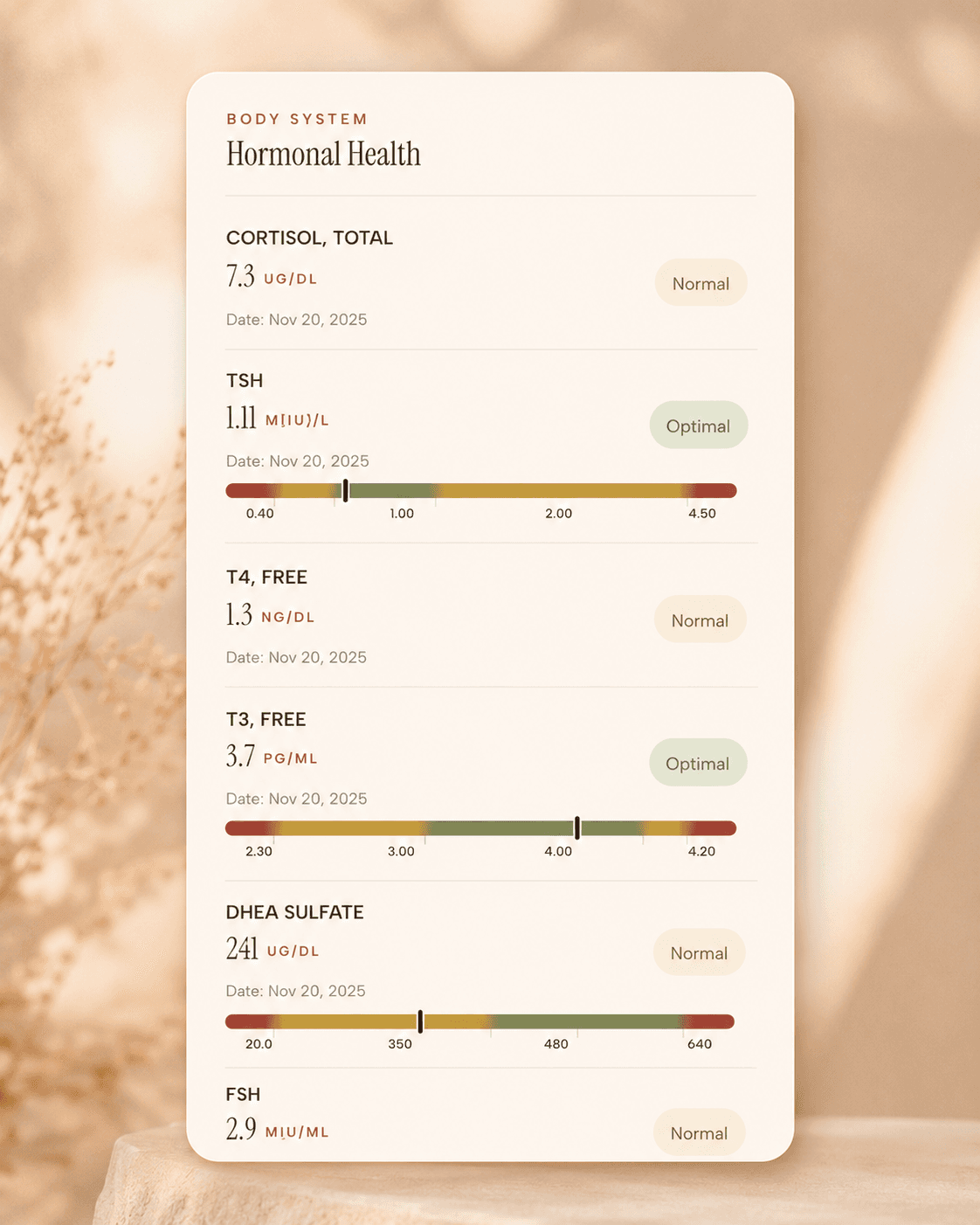
Thyroid hormone sets your body’s baseline “metabolic speed,” including how alert your brain feels. If your thyroid is underactive, mental fatigue can come with feeling cold, constipation, dry skin, or a sense that your thoughts are moving through molasses. Because thyroid changes become more common with age and can mimic menopause symptoms, a simple TSH test can prevent months of guessing.
What actually helps your mental energy
Fix the sleep bottleneck first
Pick one sleep target for two weeks: either reducing night awakenings or getting back to sleep faster. A cool bedroom, a consistent wake time, and limiting alcohol close to bedtime often make a bigger difference in menopause than people expect because they reduce the “micro-wakes” that wreck mental clarity. If hot flashes are waking you, bring that up specifically, because treating night symptoms can improve daytime brain function quickly.
Use a “cognitive load” budget
When your brain is fatigued, it cannot handle the same number of decisions, even if your calendar says it should. Try a daily budget: choose one high-focus task, one medium task, and keep everything else as routine or delegated, then protect a 30–60 minute buffer after the high-focus block. This is not laziness; it is how you stop the crash-and-burn cycle that makes menopause fatigue feel endless.
Strategic caffeine, not all-day caffeine
Caffeine can help, but in menopause it can also worsen anxiety and sleep, which then backfires into more mental fatigue. A practical approach is to keep caffeine to the morning and pair it with food, then switch to decaf or tea after lunch so your sleep pressure can build. If you notice your “tired but wired” feeling ramps up on higher-caffeine days, that pattern is useful data.
Consider menopause hormone therapy
For some people, menopause hormone therapy (MHT) improves sleep and mood symptoms that drive mental fatigue, especially when symptoms started with the menopause transition. It is not a universal fix, and it is not right for everyone, but it can be a meaningful option if you also have hot flashes, night sweats, or new anxiety. The actionable step is to discuss your specific risks and goals with a clinician, because the best choice depends on your health history and symptom pattern.
Treat the “fixable” lab findings
If labs show low ferritin, low vitamin B12, or thyroid dysfunction, addressing that can lift mental fatigue in a way that no productivity hack can. The key is dosing and follow-up: iron and B12 repletion should be guided by your results, and thyroid treatment should be adjusted based on repeat TSH and how you feel. Ask for a recheck plan up front so you are not stuck wondering whether anything is working.
Useful biomarkers to discuss with your clinician
Ferritin
Ferritin is your body's iron storage protein, reflecting total iron stores in the body. In functional medicine, ferritin assessment is crucial for identifying both iron deficiency and iron overload, conditions that can significantly impact energy levels and overall health. Low ferritin is the earliest sign of iron deficiency, often occurring before anemia develops. This can cause fatigue, weakness, restless leg syndrome, and cognitive impairment. Conversely, elevated ferritin may indicate iron overload, inflamma…
Learn moreEstradiol
Estradiol in men is produced from testosterone via aromatase enzyme. In functional medicine, we recognize that men need optimal estradiol levels for bone health, cognitive function, and cardiovascular protection. However, excessive estradiol can suppress testosterone production and cause feminizing effects. The testosterone-to-estradiol ratio is crucial for male health, with optimal balance supporting vitality while preventing estrogen dominance. Balanced estradiol levels in men support bone health and cognitive…
Learn moreTSH
TSH is the master regulator of thyroid function, controlling the production of thyroid hormones T4 and T3. In functional medicine, we use narrower TSH ranges than conventional medicine to identify subclinical thyroid dysfunction early. Even mildly elevated TSH can indicate thyroid insufficiency, leading to fatigue, weight gain, depression, and metabolic dysfunction. TSH levels are influenced by stress, nutrient deficiencies, autoimmune conditions, and environmental toxins. Optimal TSH supports energy, metabolism…
Learn moreLab testing
Get TSH, ferritin, and vitamin B12 checked at Quest
starting from $99 panel with 100+ tests, one visit
No referral needed
About 1 week
Schedule online — results typically within a week
Clear next steps
Guidance included, with follow-up care available
HSA / FSA
Eligible for pre-tax health spending accounts
Pro Tips
Try a 7-day “energy map”: rate your mental energy at 9am, 1pm, and 7pm on a 1–10 scale, and write one sentence about what happened right before the dip. Patterns show up fast, and they are more useful than guessing.
If you wake between 2–4am, keep the lights low and avoid checking the time. Do a boring reset routine for 10 minutes (slow breathing or a familiar audiobook) so your brain does not learn that 3am is “thinking time.”
Use a two-list system when your brain feels full: a “today list” with only 3 items and a “not lost” list where everything else goes. The point is to stop carrying tasks in your working memory, which is exactly what feels broken during menopause fatigue.
If you suspect low iron, do not start high-dose iron blindly. Get ferritin first, then choose a plan with your clinician, because the right dose and schedule depend on your baseline and your stomach tolerance.
Schedule one weekly block that is deliberately low-stimulation, even if it is only 45 minutes. Menopause mental fatigue often improves when your brain gets predictable recovery time, not just more sleep.
Frequently Asked Questions
Is mental fatigue during menopause normal, or is something wrong with me?
It is common, and it is often driven by sleep disruption plus hormone-related changes in brain signaling, so it can feel very real even when you “look fine.” That said, it is still worth checking for contributors like thyroid dysfunction (TSH) and low iron stores (ferritin), because those are treatable and can mimic menopause fatigue. If your fatigue is new, persistent for more than a few months, or worsening, make a plan to evaluate it rather than pushing through.
What’s the difference between menopause brain fog and mental fatigue?
Brain fog is more about clarity and recall, like word-finding trouble or feeling mentally “cloudy,” while mental fatigue is the sense that your brain runs out of fuel quickly. In real life they overlap, because poor sleep and stress can cause both at the same time. If you track when each one is worst, you can often tell whether sleep, overload, or a medical issue is the main driver.
Can low ferritin cause mental fatigue even if my hemoglobin is normal?
Yes. Ferritin reflects iron reserves, and low reserves can affect brain energy and neurotransmitters before you ever become anemic. Many people with fatigue feel better when ferritin is brought up into a more robust range, often at least 50 ng/mL, depending on your situation. Ask for ferritin specifically, because a basic CBC can look normal while ferritin is low.
What thyroid test should I ask for if I feel mentally exhausted?
Start with TSH, because it is the most sensitive screening test for thyroid underactivity or overactivity. If TSH is abnormal, clinicians often add free T4 (and sometimes thyroid antibodies) to clarify what is going on and whether it is autoimmune. If you also feel cold, constipated, or notice hair and skin changes, mention those symptoms because they strengthen the case for thyroid evaluation.
Does menopause hormone therapy help mental fatigue?
It can, especially when mental fatigue is being driven by night sweats, hot flashes, or new mood changes that disrupt sleep. The benefit is often indirect: better sleep and steadier mood can restore daytime focus and motivation. The practical next step is to discuss MHT alongside your personal risk factors and symptom goals, rather than trying to “tough it out” without options.
What research says about menopause and mental fatigue
NAMS 2023 position statement on nonhormone therapy for vasomotor symptoms (sleep disruption is a major driver of daytime fatigue)
Perimenopause and cognition review (evidence that cognitive complaints cluster with sleep and mood symptoms during the transition)
USPSTF recommendation on screening for iron deficiency anemia (context for evaluating iron status when fatigue is present)