Why You Get Mental Fatigue After Exercise (and What Helps)
Mental fatigue after exercise often comes from low fuel, poor sleep, or stress hormones staying high. Targeted labs available—no referral needed.





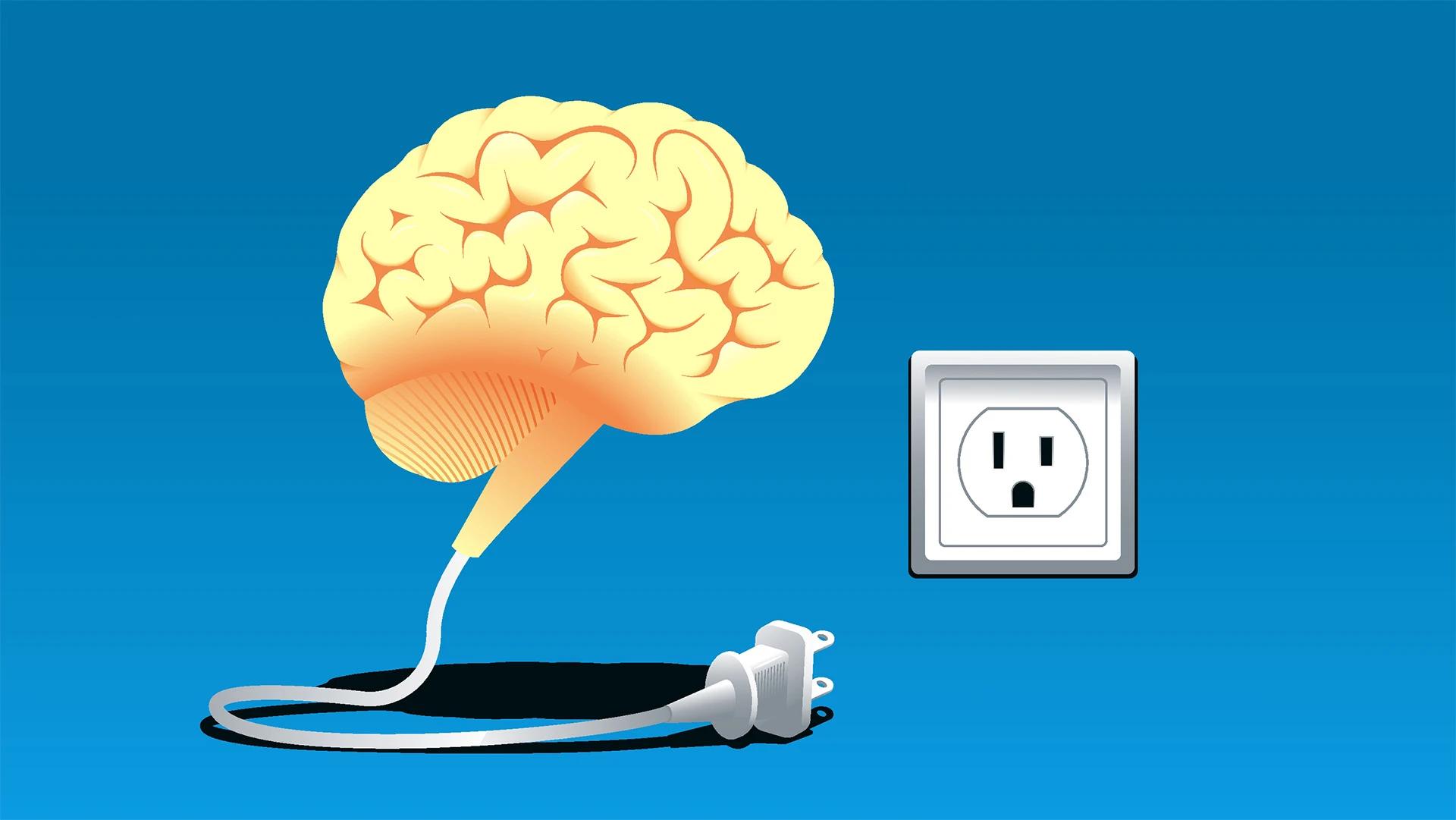
Mental fatigue after exercise usually means your brain didn’t get what it needed to recover, even if your muscles feel “fine.” The most common culprits are under-fueling (especially carbs), sleep debt, and stress hormones staying elevated after training. A few targeted labs can help you tell the difference between a training/recovery mismatch and something like low iron or thyroid slowdown. This symptom is extra common if you are already mentally loaded from work, caregiving, or exams, because your brain is doing “two workouts” in the same day. The frustrating part is that the fix is not always “train less.” Sometimes you need to change when you train, how you refuel, or how hard you push relative to your current stress. If you want help sorting your pattern, PocketMD can walk through your timeline and red flags, and Vitals Vault labs can help confirm whether physiology is part of the story.
Why mental fatigue hits after exercise
You ran low on brain fuel
Your brain runs heavily on glucose, so if you train hard while under-eating, fasting, or skimping on carbs, you can finish the workout with a “blank” feeling and poor focus. This often shows up as decision fatigue, irritability, or feeling emotionally flat later in the day. A useful clue is timing: if the mental crash starts within 0–3 hours of training and improves after a real meal, fuel is a likely driver. Try a simple experiment for a week by adding 30–60 g of carbs in the hour after training and see if your brain comes back faster.
Sleep debt makes workouts feel harder
When you are short on sleep, your brain’s attention and impulse control systems are already strained, and exercise becomes a bigger stressor than it would be on a well-rested day. You might notice you can physically complete the session, but afterward you feel scattered, unmotivated, or unable to concentrate on reading or emails. The takeaway is not “never train tired,” but to match intensity to sleep: if you slept under 6–7 hours, keep the session easy or shorter and protect your next night of sleep.
Stress hormones stay switched on
Hard training raises adrenaline and cortisol (your “get things done” hormones), and they are supposed to come back down after. If you are already under chronic stress, that downshift can be delayed, which can feel like a wired-but-foggy brain, shallow breathing, and trouble settling into deep work. This pattern is common when you train late at night or stack intense workouts on top of a high-pressure day. A practical move is to shift intense sessions earlier, and finish with 5–10 minutes of very easy movement plus slow exhale breathing to signal “safe now” to your nervous system.
You pushed past your recovery capacity
Overreaching is the short-term version of overtraining, where your training load outpaces your recovery for days to weeks. The mental side can show up first: lower motivation, reduced creativity, and a sense that everything takes more effort, even if your performance hasn’t crashed yet. If your resting heart rate is creeping up, your mood is flatter, and your workouts feel harder at the same pace, your body is asking for a deload week. Reducing volume by about 30–50% for 5–7 days often restores mental sharpness faster than trying to “push through.”
Low iron or thyroid slowdown
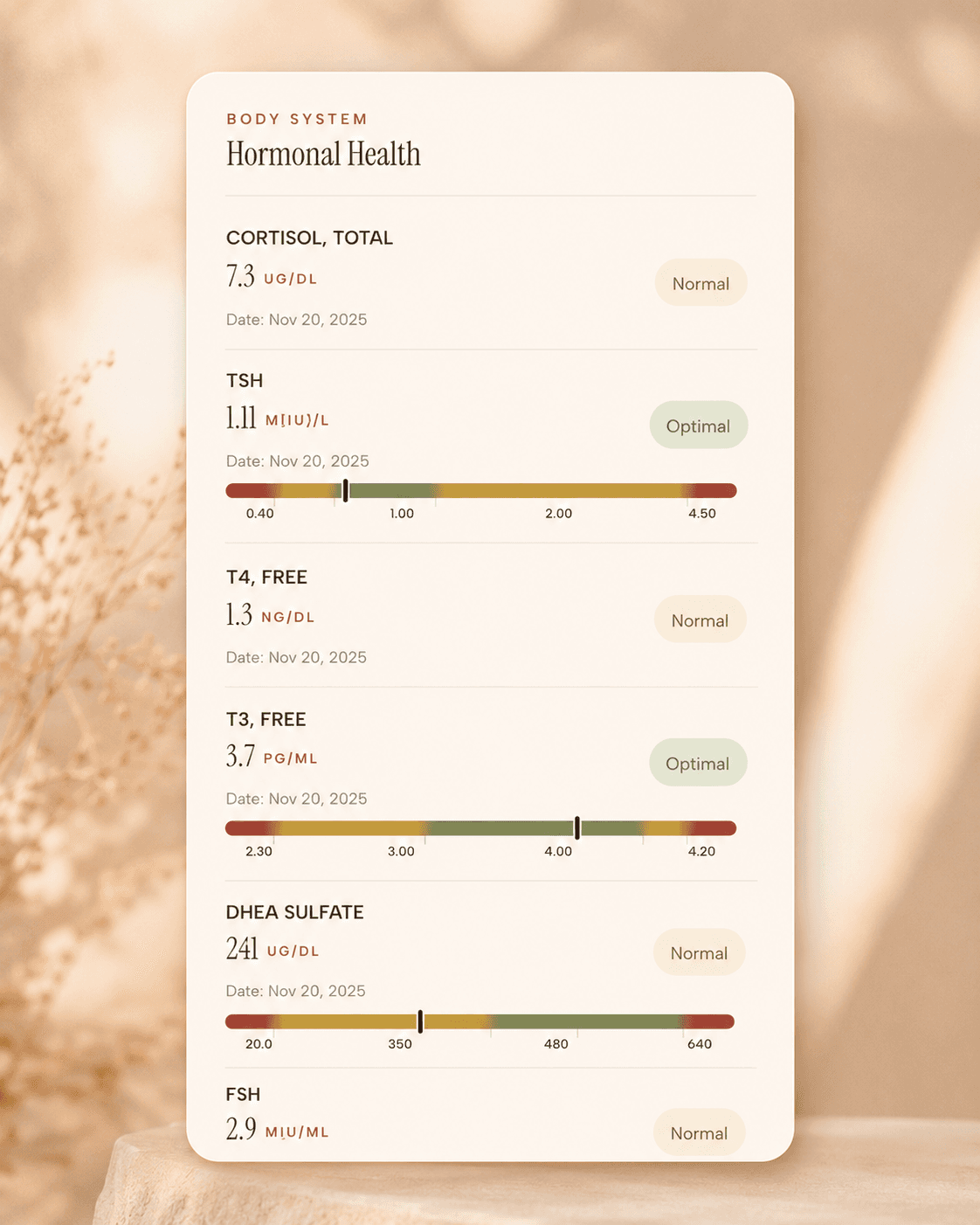
If your oxygen delivery is limited from low iron stores, or your metabolism is slowed by thyroid underactivity, exercise can leave you mentally drained because your brain and muscles are working with less energy than they need. This can feel like heavy limbs plus brain fog that lasts into the next day, not just a brief post-workout dip. It is especially worth considering if you have heavy periods, follow a low-meat diet, or have new cold intolerance or constipation. The actionable step is to check ferritin and TSH rather than guessing with supplements, because the “normal” range is not always the same as the “feels good” range for you.
What actually helps you recover (and think clearly again)
Refuel on purpose, not vibes
If mental fatigue is your main complaint, prioritize carbs after training because that is the fastest way to restore brain fuel. A practical target for many people is 30–60 g of carbs plus 20–30 g of protein within 1–2 hours, especially after intervals, long runs, or heavy lifting. This is not about “earning food,” it is about telling your body the stress is over so it can switch into repair mode. If you train early, even a small carb source before the workout can prevent the later crash.
Move intensity earlier in the day
Late intense workouts can keep your nervous system revved up and steal deep sleep, which then sets you up for mental fatigue the next day. If you can, put intervals, heavy lifting, or long endurance sessions earlier, and keep evening movement easy and calming. You will often notice that your brain feels clearer at night when your body is not still “on alert.” If evenings are your only option, shorten the hard portion and extend the cool-down.
Use a deload week strategically
When your brain is the thing that feels overworked, a deload is not quitting—it is a reset. Keep frequency the same so the habit stays intact, but cut total volume by about a third and avoid training to failure for one week. Most people notice better mood and focus within 3–7 days, which is a strong sign you were simply out-training your recovery. After the deload, build back gradually instead of jumping straight to your previous peak.
Add a real cool-down for your brain
A cool-down is not just for sore legs; it helps your body shift from “go” to “recover.” Spend 5–10 minutes at a very easy pace, then do 2–3 minutes of slow breathing where your exhale is longer than your inhale. This can reduce the wired, buzzy feeling that turns into fog later. If you tend to rush from workout to laptop, treat the cool-down as the bridge that protects your next few hours of thinking.
Check and correct the bottleneck
If you keep getting mental fatigue despite reasonable training and food, it is time to look for a bottleneck you cannot willpower away. Low ferritin, thyroid underactivity, and unstable blood sugar can all make exercise feel like it “costs” too much. The win here is specificity: once you know what is off, you can correct it with your clinician rather than endlessly tweaking workouts. Start with a small set of labs and use your symptoms to guide what to add next.
Useful biomarkers to discuss with your clinician
Glucose
Fasting glucose is a fundamental marker of glucose metabolism and insulin function. In functional medicine, we recognize that even 'normal' glucose levels in the upper range may indicate early insulin resistance. Optimal fasting glucose reflects efficient glucose regulation and insulin sensitivity. Elevated fasting glucose suggests the body's inability to maintain normal glucose levels overnight, indicating hepatic insulin resistance or insufficient insulin production. This marker is essential for early detectio…
Learn moreCortisol, Total
Cortisol is the primary stress hormone that regulates metabolism, immune function, and blood pressure. In functional medicine, cortisol assessment is crucial for understanding stress response and its impact on overall health. Chronic elevation suppresses testosterone production and immune function, while low cortisol indicates adrenal insufficiency. Optimal cortisol rhythm supports energy, mood stability, and hormone balance. Cortisol orchestrates the body's stress response and daily energy rhythms. Balanced cor…
Learn moreVitamin B12
Vitamin B12 (cobalamin) is essential for DNA synthesis, red blood cell formation, neurological function, and energy metabolism. In functional medicine, we recognize that B12 deficiency is surprisingly common, especially in older adults, vegetarians, vegans, and those with digestive issues. B12 deficiency can cause irreversible neurological damage if left untreated. The vitamin is crucial for methylation reactions, which affect cardiovascular health, detoxification, and gene expression. Even subclinical deficienc…
Learn moreLab testing
Check ferritin, TSH, and fasting glucose at Quest
starting from $99 panel with 100+ tests, one visit
No referral needed
About 1 week
Schedule online — results typically within a week
Clear next steps
Guidance included, with follow-up care available
HSA / FSA
Eligible for pre-tax health spending accounts
Pro Tips
Run a 7-day “fuel test” by keeping your workouts the same but adding a consistent post-workout meal with 30–60 g carbs and 20–30 g protein; if your mental fatigue drops noticeably, you just found a high-leverage fix.
If you train before work, set a 30-minute timer after you finish to eat something real; waiting until “after the first meeting” is a common reason the brain crash hits at 11 a.m.
Use a simple recovery score each morning (sleep hours, mood, and resting heart rate) and treat two low-score days in a row as a cue to swap intensity for easy zone 2 or a walk.
If your mental fatigue is worst after high-intensity sessions, keep the intensity but reduce the number of hard intervals for two weeks; your brain often recovers faster from less volume than from less intensity.
If you suspect low iron, do not start high-dose iron blindly; get ferritin checked first, and if it is low, take iron with vitamin C and away from coffee or calcium to improve absorption.
Frequently Asked Questions
Is it normal to feel mentally exhausted after a workout?
It can be normal occasionally, especially after a new training block, poor sleep, or a hard interval day, because your brain is part of the stress response. It becomes a signal to pay attention when it happens most workouts, lasts into the next day, or comes with mood changes and poor concentration. In that case, try a one-week recovery reset (more carbs after training plus a deload) and consider checking ferritin and TSH if it keeps happening.
Why do I get brain fog after cardio but not lifting?
Long or intense cardio can drain glycogen (stored carbs) more aggressively, and that can leave your brain short on quick fuel afterward. Cardio also tends to raise body temperature and stress hormones more, which can create a wired-but-foggy feeling later. Try adding carbs during longer sessions or immediately after, and see if the fog improves within 1–2 hours.
How long should post-workout mental fatigue last?
A mild dip for 30–90 minutes can happen, particularly if you trained hard and have not eaten yet. If you are still foggy 6–12 hours later, or you wake up the next day feeling mentally “hungover,” that is more consistent with under-recovery, sleep disruption, or an underlying issue like low ferritin. Track duration for two weeks and use it to guide whether you need a deload or labs.
Can low iron cause mental fatigue after exercise even if my hemoglobin is normal?
Yes. Low iron stores show up first as low ferritin, and you can feel brain fog, low motivation, and poor exercise tolerance before you develop anemia. Many active people start noticing symptoms when ferritin drops below about 30 ng/mL, although the threshold varies. Ask for ferritin specifically and discuss the result in the context of your training and menstrual history.
What are red flags with mental fatigue after exercise?
Get urgent help if you have chest pain, fainting, severe shortness of breath, new one-sided weakness, or confusion that is out of proportion to the workout. More “non-urgent but important” flags include unintentional weight loss, persistent fever, palpitations at rest, or fatigue that is steadily worsening over weeks. If any of those fit, book a clinician visit and bring a short log of workouts, sleep, and symptoms.
What the research says (in plain English)
Overtraining syndrome consensus: mood and cognitive changes can be early warning signs
Carbohydrate availability influences perceived effort and central fatigue during endurance exercise
Sleep loss impairs cognitive performance and increases perceived exertion, which can worsen post-exercise mental fatigue