Why You Feel Mentally Drained While Fasting
Mental fatigue during fasting often comes from low blood sugar swings, dehydration, or stress hormones. Targeted labs are available at Quest—no referral needed.





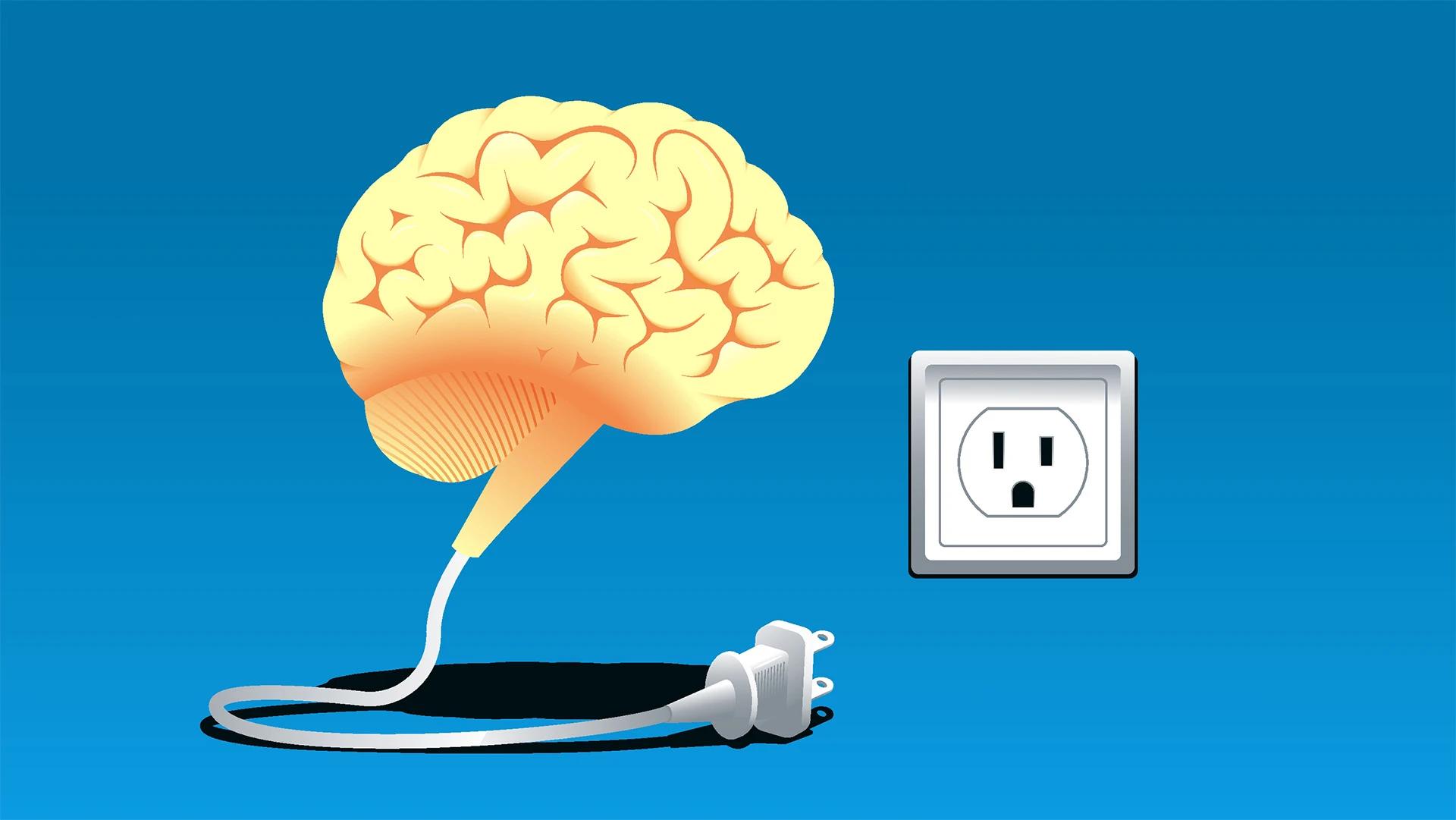
Mental fatigue during fasting usually happens because your brain is running short on steady fuel, your fluids and electrolytes are drifting low, or your stress hormones are running the show. That can feel like decision fatigue, emotional flatness, and a weird “I can’t think” heaviness even if your body isn’t that tired. A few targeted labs can help you figure out which pattern you’re in so you stop guessing. Fasting can feel great for some people, but if you’re already juggling work, caregiving, or exam-level focus, you’re asking your brain to do high-output work while your body is in “resource management” mode. That mismatch is why the same fasting plan can feel energizing one week and crushing the next. Below, you’ll see the most common reasons your mind tanks during a fast, what actually helps (without turning your day into a wellness project), and how PocketMD and Vitals Vault labs can help you sort out whether this is a fueling issue, a stress issue, or something like thyroid or iron that fasting simply reveals.
Why you feel mentally drained while fasting
Blood sugar dips and rebounds
When you fast, your body has to keep your blood sugar steady using stored glycogen and then by making new glucose. If that system is a bit shaky, you can swing low and then surge stress hormones to compensate, which feels like fog, irritability, and “everything is hard.” A practical clue is timing: if you crash late morning or mid-afternoon and feel better quickly after eating, blood sugar swings are high on the list.
Not enough electrolytes for your brain
Early in fasting, your kidneys dump more sodium and water, and that can quietly pull down potassium and magnesium too. Your brain and nerves rely on those minerals to fire signals smoothly, so low levels can feel like mental slowing, headaches, and a short fuse. If your fatigue comes with lightheadedness when you stand or a pounding heartbeat, think fluids and salt before you assume it’s “lack of willpower.”
Stress hormones stay turned on
Fasting is a stressor, and in a busy season your body may respond by keeping cortisol (your main stress hormone) higher for longer. Cortisol can keep you alert in the wrong way, so you feel wired but mentally ineffective, and small tasks start to feel emotionally expensive. If your mental fatigue comes with shallow sleep, early waking, or feeling “tired and tense” at the same time, this pattern fits.
Low iron stores, revealed by fasting
Iron is how you deliver oxygen and run energy reactions inside cells, including in your brain. If your iron stores are low, fasting can make the gap more obvious because you have less wiggle room to compensate with frequent meals or caffeine. You might notice reduced motivation, poor concentration, and feeling cold, especially if you also have heavy periods, donate blood, or eat little red meat.
Thyroid slowdown or under-replacement
Your thyroid sets the baseline “energy budget” for your whole body, and when it runs low you can feel mentally sluggish and emotionally flat. Fasting does not cause hypothyroidism, but it can expose it because you’re removing easy energy inputs and asking your body to be efficient. If you also have constipation, dry skin, hair shedding, or unexplained weight gain, it’s worth checking your thyroid rather than just changing your fasting window.
What actually helps mental fatigue during fasting
Make your fast “electrolyte-aware”
If you’re fasting and your mind feels heavy, try adding sodium intentionally instead of only drinking plain water. A simple approach is a mug of salty broth or water with a measured pinch of salt, especially in the morning or before a cognitively demanding block. If that helps within 20–30 minutes, you’ve learned something useful about your physiology, and you can build a safer routine around it.
Shorten the window on high-focus days
Fasting is a tool, not a moral test, and your brain’s needs change with workload and sleep. On days with meetings, exams, or caregiving marathons, shifting from a 16:8 to a 12:12 window often prevents the “late-morning cognitive cliff” without undoing your overall goals. The win is consistency over months, not suffering for one perfect day.
Break the fast with protein first
The first meal after a fast sets the tone for the next few hours, and a carb-heavy break can trigger a spike-and-crash cycle that feels like instant brain fog. Aim for a protein-forward first meal, and then add fiber-rich carbs if you want them, because that tends to smooth glucose and reduce the post-meal slump. If you track anything, track how your focus feels 60–120 minutes after that first meal.
Use caffeine like a lever, not a crutch
Caffeine can temporarily mask low fuel and high cortisol, which is why it sometimes makes fasting feel “fine” until it suddenly doesn’t. Try delaying caffeine by 60–90 minutes after waking, and keep it earlier in the day so you don’t trade today’s focus for tonight’s sleep. If you get shaky, anxious, or unusually flat after coffee while fasting, that’s a sign to adjust timing or reduce dose.
Treat sleep as part of the fast
If fasting is pushing your sleep lighter or shorter, your brain will feel it the next day as decision fatigue and low creativity. Moving your last meal earlier, or avoiding very long fasts when you’re already sleep-deprived, often improves mental stamina more than any supplement. A good target is waking without an alarm at least a couple days per week, because that’s a real-world marker that your system is recovering.
Useful biomarkers to discuss with your clinician
Glucose
Fasting glucose is a fundamental marker of glucose metabolism and insulin function. In functional medicine, we recognize that even 'normal' glucose levels in the upper range may indicate early insulin resistance. Optimal fasting glucose reflects efficient glucose regulation and insulin sensitivity. Elevated fasting glucose suggests the body's inability to maintain normal glucose levels overnight, indicating hepatic insulin resistance or insufficient insulin production. This marker is essential for early detectio…
Learn morePotassium
Potassium is the primary intracellular electrolyte crucial for muscle function, nerve transmission, and cardiovascular health. In functional medicine, potassium deficiency is extremely common due to low fruit/vegetable intake and high sodium diets. Potassium supports healthy blood pressure, prevents kidney stones, and maintains bone health. Low potassium increases risk of hypertension, arrhythmias, and stroke. Optimal potassium levels support heart rhythm, muscle function, and cellular metabolism. Potassium is e…
Learn moreFerritin
Ferritin is your body's iron storage protein, reflecting total iron stores in the body. In functional medicine, ferritin assessment is crucial for identifying both iron deficiency and iron overload, conditions that can significantly impact energy levels and overall health. Low ferritin is the earliest sign of iron deficiency, often occurring before anemia develops. This can cause fatigue, weakness, restless leg syndrome, and cognitive impairment. Conversely, elevated ferritin may indicate iron overload, inflamma…
Learn moreLab testing
Check fasting glucose, ferritin, and TSH at Quest
starting from $99 panel with 100+ tests, one visit
No referral needed
About 1 week
Schedule online — results typically within a week
Clear next steps
Guidance included, with follow-up care available
HSA / FSA
Eligible for pre-tax health spending accounts

Pro Tips
Run a 7-day “focus log” during fasting where you rate mental energy at 9am, 1pm, and 4pm, and write one sentence about what changed (sleep, caffeine timing, salt, workload). Patterns show up faster than you think.
If you get a predictable crash, try a planned “micro-break” before it hits: 5 minutes of walking plus 10 slow breaths. It sounds small, but it can blunt the stress-hormone surge that makes your brain feel overwhelmed.
If you’re doing long fasts, test your salt tolerance safely by adding a small, consistent amount each morning for a week rather than randomly “salting more” on bad days. Consistency makes the signal clearer.
When you break a fast, set a 20-minute timer before you decide you need more food. That pause helps you avoid overeating from rebound hunger, which is a common trigger for the post-meal mental slump.
If fasting makes you snappy or emotionally numb, treat that as data, not a character flaw. It often means your brain is protecting itself under stress, so shortening the fast for two weeks is a legitimate experiment.
Frequently Asked Questions
Is mental fatigue during fasting a sign I should stop intermittent fasting?
Not always, but it is a sign your current setup is not matching your current life. If shortening your fasting window, adding electrolytes, and adjusting caffeine timing improves your focus within a week, you can often keep fasting in a gentler form. If you still feel persistently drained, it’s worth checking basics like fasting glucose, ferritin, and TSH so you’re not pushing through an underlying issue.
Why do I feel mentally tired but not physically hungry when fasting?
Your brain can be sensitive to small drops in available fuel even when your stomach feels quiet, especially if stress hormones are keeping appetite suppressed. That mismatch can show up as decision fatigue, low motivation, or feeling emotionally flat. Try a targeted experiment: add electrolytes and delay caffeine, and see if your mental energy improves without changing calories.
Can dehydration cause brain fog during fasting even if I drink water?
Yes, because fasting can increase sodium loss through your kidneys, and plain water can dilute what you have left. When sodium drops, you can feel foggy, headachy, and lightheaded even with a full water bottle. If you notice symptoms when standing up or after sweating, adding measured salt or broth is a practical first step.
What labs are most useful for mental fatigue during fasting?
A focused starting trio is fasting glucose for fuel stability, ferritin for iron stores, and TSH for thyroid signaling. These do not diagnose everything, but they often explain why fasting feels uniquely hard for you. If any are abnormal, follow up with your clinician or PocketMD to decide whether you need a fuller iron panel, free T4, or additional metabolic testing.
How long does it take to adapt to fasting mentally?
Many people notice smoother focus after about 1–3 weeks, but only if sleep and electrolytes are not being sacrificed. If you are under-sleeping, over-caffeinating, or doing high-stress work, “adaptation” can stall and you just feel progressively more depleted. A good approach is to adapt in phases by keeping the fasting window stable for two weeks before making it longer.
Research worth knowing about
Time-restricted eating can improve metabolic health, but responses vary by sleep and stress load
Low ferritin is associated with fatigue even without anemia, and treating iron deficiency can improve symptoms
Sleep loss measurably worsens attention and decision-making, which can mimic “fasting brain fog”