Why You Get Memory Loss During Fasting
Memory loss during fasting often comes from low blood sugar, dehydration with low sodium, or thyroid/B12 issues. Targeted labs—no referral needed.






Memory loss during fasting is most often your brain running short on quick fuel because your blood sugar dips, or your circulation and electrolytes shift because you are dehydrated or low on sodium. It can also be a “background” issue that fasting exposes, like low vitamin B12, low thyroid, or anemia, which already make your brain feel slower. A few targeted blood tests can help you tell the difference so you are not guessing. It is scary to feel forgetful, especially if dementia runs in your family or you are recovering from COVID and your brain already feels fragile. The good news is that fasting-related memory slips are commonly reversible once you identify the trigger and adjust how you fast. This guide walks you through the most likely causes, what to try right away, and which labs can confirm whether this is a simple fueling problem or something worth treating. If you want help matching your exact pattern to the most likely cause, PocketMD can talk it through with you in plain language.
Why memory slips happen when you fast
Your blood sugar dips too low
Your brain relies on glucose as a fast, reliable fuel, so when your blood sugar drops during a long fast, your “working memory” is often the first thing to wobble. You might lose your train of thought, forget why you walked into a room, or feel oddly irritable and scattered. This is more likely if you take diabetes medications, you are very active while fasting, or you start the day with a high-carb meal that sets you up for a sharper drop later. A practical clue is timing: if eating fixes the fog within 10–20 minutes, low blood sugar is high on the list.
Dehydration and low sodium
Fasting often changes how much you drink and how much salt you get, and your kidneys also shift sodium handling when insulin levels fall. If your blood volume drops, less blood reaches your brain when you stand or move around, which can feel like blanking out or being unable to retrieve words. You might also notice headaches, lightheadedness, or a racing heart when you get up. The takeaway is simple: if your memory feels worse on “dry” fasts or after sweating, hydration plus electrolytes is not optional—it is the intervention.
You are under-sleeping during fasting
Many people sleep worse when they change meal timing, especially if hunger wakes them up or they push caffeine later to cope. Poor sleep does not just make you tired—it directly reduces attention and memory consolidation, which means you can feel forgetful even if your brain is healthy. This pattern often shows up as mistakes, misplacing items, or feeling emotionally “thin-skinned” the day after a short night. If your memory issues track with sleep disruption more than with hours since eating, fixing sleep is the fastest lever.
Low B12 or anemia shows up
Vitamin B12 deficiency and anemia reduce how well your nerves and brain cells function, and fasting can make you notice it because you have less margin for error. Instead of a sudden crash, this tends to feel like a slower, persistent fog with word-finding trouble or “my brain is buffering” moments. You might also have tingling in your hands or feet, a sore tongue, or getting winded more easily. The key takeaway is that these are measurable and treatable, so it is worth checking labs rather than assuming it is aging.
Thyroid slowdown affects recall
If your thyroid is underactive, your brain processes information more slowly, and fasting can make that sluggishness feel like memory loss because you cannot retrieve things quickly. You may notice dry skin, constipation, feeling cold, or unexplained weight gain alongside the cognitive symptoms. This is especially relevant if your fasting routine is new and you are also dieting hard, because calorie restriction can unmask or worsen thyroid-related symptoms in some people. A simple thyroid-stimulating hormone test can clarify whether this is part of the picture.
What actually helps during a fast
Shorten the fast and retest
If your memory slips start at hour 14 but not at hour 12, that is useful data, not failure. Try shortening your fasting window for a week and see whether your recall and focus normalize, because that suggests a fuel-threshold problem rather than a progressive brain issue. Once you feel stable, you can extend the window in small steps instead of jumping straight to long fasts. Your goal is consistency without cognitive penalties.
Use electrolytes, not just water
When you are fasting, plain water can sometimes make you feel worse if you are already low on sodium, because it further dilutes what is left. A sugar-free electrolyte mix or a measured amount of salt in water can improve lightheadedness and the “blank mind” feeling within an hour or two. This matters most if you sweat, exercise, or drink a lot of coffee during the fast. If you have heart failure, kidney disease, or you are on blood pressure medicines, ask your clinician what sodium target is safe for you.
Break your fast with protein first
A high-sugar first meal can spike glucose and then drop it again, which sets you up for another round of fog and forgetfulness. Breaking your fast with protein and fiber—think eggs with vegetables, Greek yogurt with nuts, or tofu and greens—tends to smooth the curve so your brain feels steadier. You do not need a perfect diet; you need a predictable response. If you want to test this, keep the first meal the same for three days and compare how your memory feels two hours later.
Time caffeine earlier and smaller
Caffeine can temporarily sharpen attention, but during fasting it can also worsen jitters, dehydration, and sleep disruption, which backfires on memory. Try moving caffeine to earlier in the day and using a smaller dose, then see if your late-morning or afternoon recall improves. If you are relying on caffeine to “push through” brain fog, that is a sign your fasting plan is too aggressive for your current physiology. Adjust the plan, not just the stimulant.
Treat fasting days like “brain work” days
If you schedule demanding tasks during the part of the fast when you tend to crash, you will interpret normal physiology as something scarier. Instead, put your most memory-heavy work in the hours when you usually feel clear, and save routine tasks for the foggy window. This is not avoidance—it is an experiment that helps you separate timing effects from true decline. If your memory is still impaired even on fed, well-rested days, that is the moment to escalate evaluation.
Useful biomarkers to discuss with your clinician
Glucose
Fasting glucose is a fundamental marker of glucose metabolism and insulin function. In functional medicine, we recognize that even 'normal' glucose levels in the upper range may indicate early insulin resistance. Optimal fasting glucose reflects efficient glucose regulation and insulin sensitivity. Elevated fasting glucose suggests the body's inability to maintain normal glucose levels overnight, indicating hepatic insulin resistance or insufficient insulin production. This marker is essential for early detectio…
Learn moreVitamin B12
Vitamin B12 (cobalamin) is essential for DNA synthesis, red blood cell formation, neurological function, and energy metabolism. In functional medicine, we recognize that B12 deficiency is surprisingly common, especially in older adults, vegetarians, vegans, and those with digestive issues. B12 deficiency can cause irreversible neurological damage if left untreated. The vitamin is crucial for methylation reactions, which affect cardiovascular health, detoxification, and gene expression. Even subclinical deficienc…
Learn moreSodium
Sodium is the primary extracellular electrolyte essential for fluid balance, nerve transmission, muscle contraction, and blood pressure regulation. In functional medicine, sodium balance reflects kidney function, adrenal health, and hydration status. Low sodium (hyponatremia) can cause neurological symptoms and may indicate SIADH, adrenal insufficiency, or excessive water intake. High sodium may indicate dehydration, diabetes insipidus, or excessive salt intake. Optimal sodium levels support cellular energy prod…
Learn moreLab testing
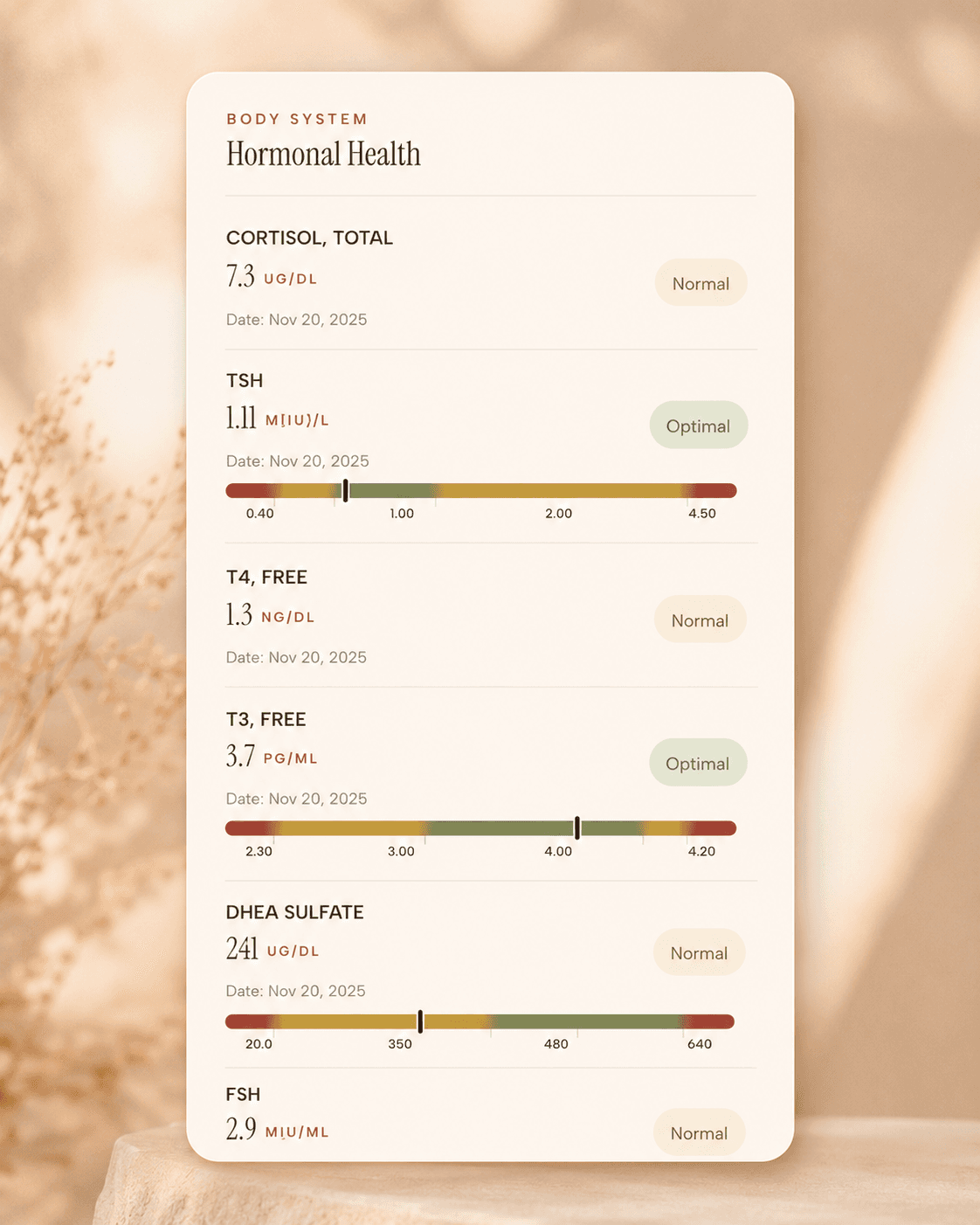
Check B12, TSH, and a complete blood count at Quest
starting from $99 panel with 100+ tests, one visit
No referral needed
About 1 week
Schedule online — results typically within a week
Clear next steps
Guidance included, with follow-up care available
HSA / FSA
Eligible for pre-tax health spending accounts
Pro Tips
Do a 7-day timing log: write down the fasting hour when memory slips start, what you were doing, and whether eating fixes it within 20 minutes. That one pattern often separates low blood sugar from sleep or thyroid issues.
If you fast and exercise, try moving your workout to after you eat for three sessions. If your recall improves the same day, you just learned that your brain was competing with your muscles for fuel.
On fasting mornings, test the “stand-up check”: if you get lightheaded or your heart races when you stand, treat hydration and electrolytes as the first experiment before you assume it is cognitive decline.
If you are over 60 or you have a family history of dementia, do not use fasting days to judge your long-term memory. Compare your memory on a well-rested, well-fed day too, and use that as your baseline.
When you break a fast, set a 2-hour reminder to reassess your thinking. If you get a second crash after a sugary meal, switch the first meal to protein and fiber for three days and see if the crash disappears.
Frequently Asked Questions
Can fasting cause memory loss, or is it something serious?
Fasting can make you feel forgetful when your blood sugar drops or when dehydration and low sodium reduce blood flow to your brain, and that can feel dramatic but be reversible. What feels more concerning is memory trouble that persists on non-fasting days or steadily worsens over weeks. If you are noticing progression, or other symptoms like getting lost in familiar places, it is worth getting evaluated and checking basics like vitamin B12, TSH, and a CBC.
Why do I forget words when I’m hungry?
Word-finding is a high-demand brain task, so it often dips first when your brain is short on quick fuel. Hunger can also raise stress hormones, which makes your attention narrower and retrieval harder even if you are not “hypoglycemic” on paper. Try a shorter fasting window for a week and see if the word-finding problem disappears, because that points to a timing and fueling issue you can fix.
Is memory loss during fasting a sign of low blood sugar?
It can be, especially if the fog comes with shakiness, sweating, irritability, or it improves quickly after you eat. People on insulin or sulfonylureas are at higher risk for true hypoglycemia, and they should discuss fasting with their prescriber. If you can, check a fingerstick glucose during symptoms and write down the number and the fasting hour, then use that data to adjust your plan.
What should I eat to stop brain fog after breaking a fast?
Start with protein and fiber to avoid a glucose spike-and-drop cycle that can make you feel foggy again. A simple template is 25–35 grams of protein plus vegetables or fruit and a fat source, which tends to keep your thinking steadier for the next few hours. If you suspect reactive symptoms, keep the first meal consistent for three days and track whether your memory is better two hours later.
Which labs are most useful for fasting-related brain fog and forgetfulness?
Vitamin B12, TSH, and a complete blood count are a strong first trio because they can uncover treatable problems that mimic “memory loss,” like B12 deficiency, hypothyroidism, or anemia. For cognitive symptoms, many clinicians pay attention to B12 below about 300 pg/mL and to elevated TSH, even if you are near the lab’s cutoff. If those are normal but symptoms persist, bring your log and results to a clinician to decide what to test next.