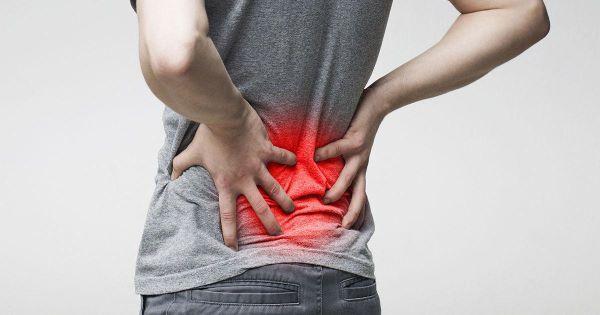
Why Do Your Joints Hurt in Perimenopause?
Joint pain in perimenopause often comes from estrogen drops, inflammation shifts, or thyroid changes. Targeted labs at Quest—no referral needed.





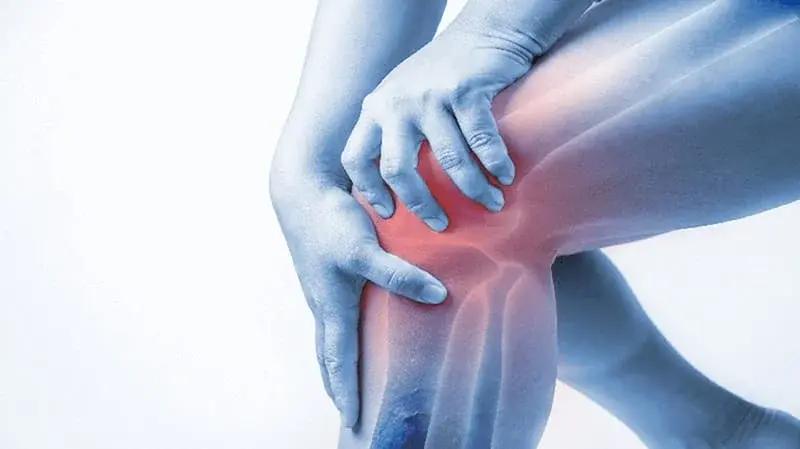
Joint pain in perimenopause is usually driven by shifting estrogen, which changes how your joints handle inflammation and lubrication, and it can be amplified by sleep disruption and thyroid changes. Sometimes it is also the first time an underlying inflammatory arthritis shows itself, which is why the pattern of pain matters. A few targeted blood tests can help sort out which bucket you’re in. If your knees, hands, hips, or shoulders suddenly feel older than you are, you are not imagining it. Hormone swings can make tissues more sensitive, recovery slower, and small overuse injuries louder. The good news is that many people improve with a mix of joint-specific training, symptom-targeted pain control, and treating the driver when one is found. If you want help thinking through your specific pattern, PocketMD can walk you through likely causes, and Vitals Vault labs can help you check for inflammation or thyroid issues without a referral.
Why your joints can hurt in perimenopause
Estrogen drops change joint lubrication
As estrogen falls and swings, the tissues that cushion and line your joints can get drier and more reactive, which means normal movement can start to feel “grindy” or stiff. You might notice it most first thing in the morning or after sitting, and then it eases once you warm up. A useful clue is that the pain often moves around and flares with other perimenopause symptoms like hot flashes or cycle changes.
Low-grade inflammation turns up the volume
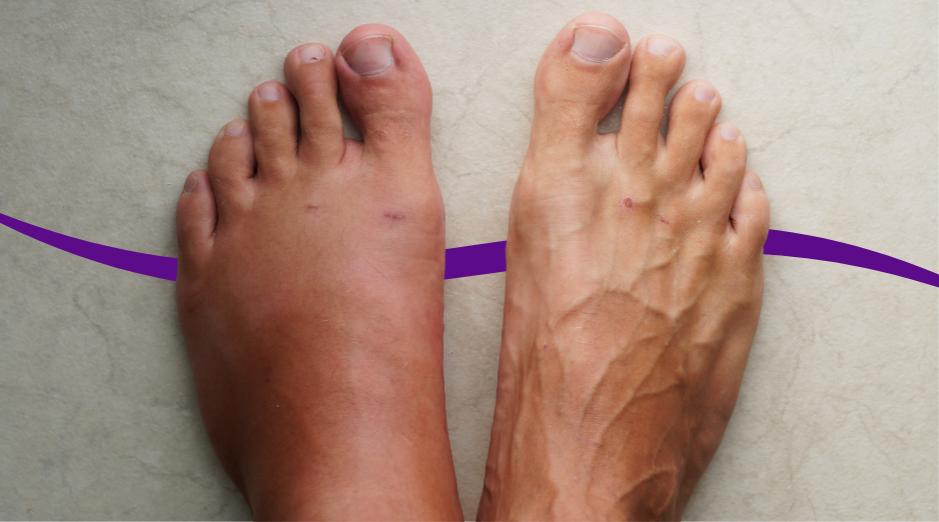
Perimenopause can shift your immune system toward more inflammatory signaling, so aches that used to be background noise become hard to ignore. This can feel like deep soreness in multiple joints, sometimes with puffy fingers or a sense that you are “inflamed” after a hard week. If your pain is paired with visible swelling or morning stiffness lasting longer than about 30–60 minutes, it is worth checking an inflammation marker and not just pushing through.
Sleep loss lowers your pain threshold
When your sleep is fragmented, your brain processes pain differently, and your muscles and tendons recover more slowly. That is why a bad week of night sweats or insomnia can make your joints feel worse even if you did not change your training or workload. If your pain tracks closely with sleep quality, improving sleep can be a surprisingly direct joint-pain treatment, not just a “nice to have.”
Thyroid slowdown can mimic arthritis
An underactive thyroid can cause joint and muscle aches, hand stiffness, and even carpal-tunnel-like tingling, and it becomes more common with age. The tricky part is that it can look like “just perimenopause” because fatigue, weight changes, and mood shifts can overlap. A simple thyroid test can be clarifying, and treating a true thyroid problem often improves pain within weeks to a few months.
Inflammatory arthritis shows up now
Sometimes perimenopause is when rheumatoid arthritis or another autoimmune joint condition becomes obvious, especially if you have a family history. This pain is often more symmetrical, tends to involve the hands and wrists, and comes with prolonged morning stiffness that improves with movement rather than rest. If you also have joint warmth, persistent swelling, fevers, or unexplained weight loss, do not wait it out — getting evaluated early can protect your joints long-term.
What actually helps joint pain in perimenopause
Do “joint-friendly” strength training
Your joints usually feel better when the muscles around them get stronger, but perimenopause can punish sudden jumps in intensity. Start with two to three sessions per week using slow, controlled reps and a pain rule: discomfort up to 3/10 during the set is okay if you feel the same or better the next morning. If you are a runner or athlete, adding glute and quad strength often reduces knee and hip pain more reliably than stretching does.
Use heat, then movement, then ice
If you wake up stiff, heat first can loosen the joint lining and make movement feel possible, which is why a warm shower or heating pad before your first walk helps. After you move, a short ice pack can calm a hot, irritated joint if you overdid it. The sequence matters because it matches what your joint needs at each stage: loosen, load, then settle.
Try topical anti-inflammatories first
For hands, knees, and elbows, a topical anti-inflammatory gel can reduce pain with less whole-body exposure than pills. That is useful in perimenopause when your stomach may be more sensitive and you might already be juggling other meds. If you need oral NSAIDs, using the lowest effective dose for the shortest time and taking them with food is a safer default to discuss with your clinician.
Consider hormone therapy when appropriate
If your joint pain rises and falls with classic perimenopause symptoms, hormone therapy can help some people because it addresses the upstream estrogen shift rather than just masking pain. It is not a universal fix, and it is not the right choice for everyone, but it can be worth a conversation if you also have hot flashes, sleep disruption, or vaginal dryness. The key is to frame it as symptom relief and function — like getting back to exercise — not as a “hormone level” to chase.
Treat the driver you can measure
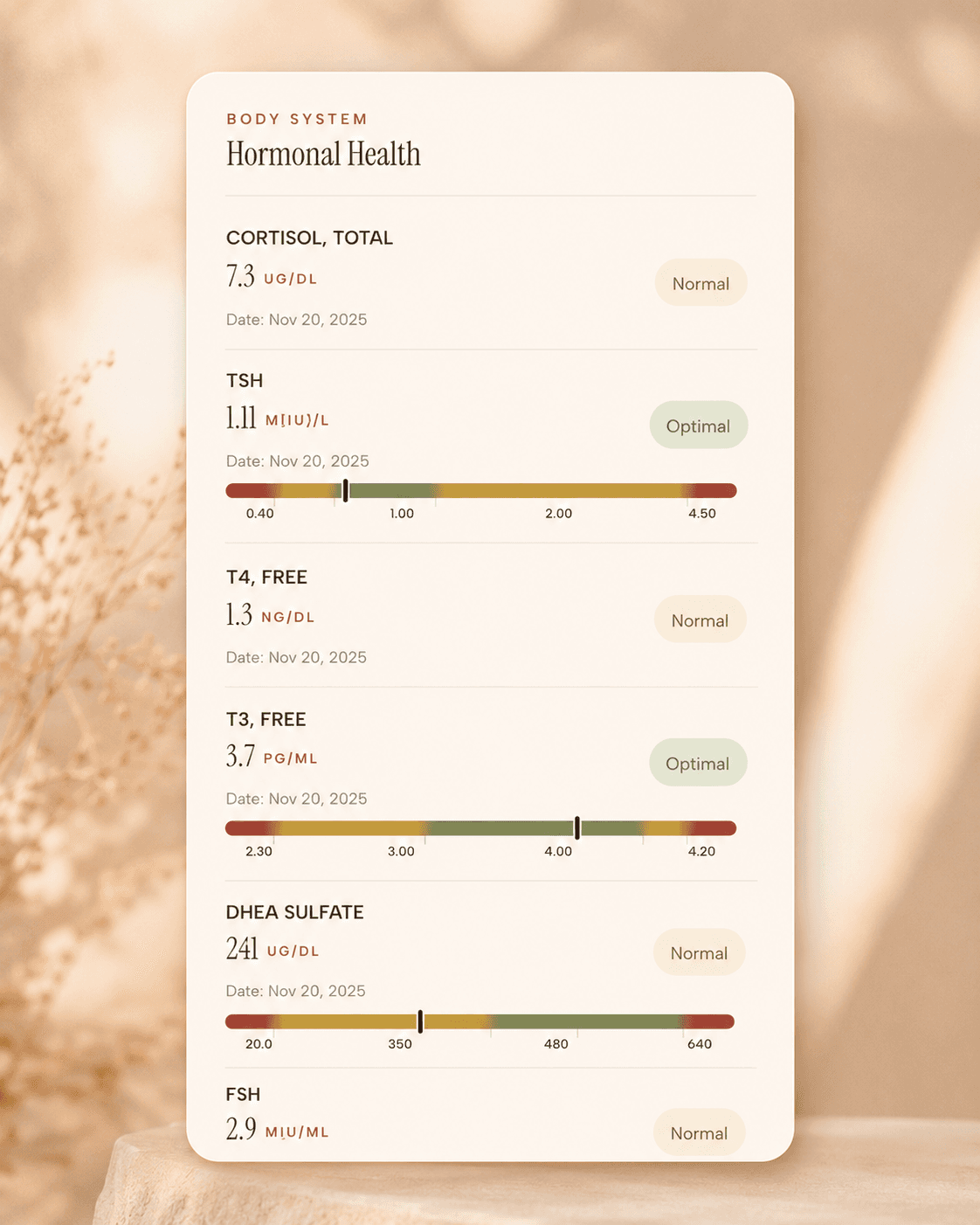
If testing shows thyroid dysfunction or a strong inflammatory signal, treating that root cause often changes the whole trajectory of your pain. For thyroid issues, the goal is usually a TSH in a symptom-friendly range rather than barely “normal,” and you should feel a functional difference. For suspected inflammatory arthritis, early referral and treatment can prevent joint damage, which is why objective labs and a focused exam matter.
Useful biomarkers to discuss with your clinician
Hs Crp
High-sensitivity C-reactive protein (hs-CRP) is a key marker of systemic inflammation and cardiovascular risk. In functional medicine, we recognize hs-CRP as one of the most important predictors of heart disease, stroke, and metabolic dysfunction. Levels above 1.0 mg/L indicate increased inflammation that may be driven by poor diet, chronic infections, autoimmune conditions, or metabolic syndrome. Optimal levels below 0.5 mg/L are associated with the lowest cardiovascular risk and overall inflammatory burden. hs…
Learn moreTSH
TSH is the master regulator of thyroid function, controlling the production of thyroid hormones T4 and T3. In functional medicine, we use narrower TSH ranges than conventional medicine to identify subclinical thyroid dysfunction early. Even mildly elevated TSH can indicate thyroid insufficiency, leading to fatigue, weight gain, depression, and metabolic dysfunction. TSH levels are influenced by stress, nutrient deficiencies, autoimmune conditions, and environmental toxins. Optimal TSH supports energy, metabolism…
Learn moreEstradiol
Estradiol in men is produced from testosterone via aromatase enzyme. In functional medicine, we recognize that men need optimal estradiol levels for bone health, cognitive function, and cardiovascular protection. However, excessive estradiol can suppress testosterone production and cause feminizing effects. The testosterone-to-estradiol ratio is crucial for male health, with optimal balance supporting vitality while preventing estrogen dominance. Balanced estradiol levels in men support bone health and cognitive…
Learn moreLab testing
Get hs-CRP, TSH, and rheumatoid factor checked at Quest
starting from $99 panel with 100+ tests, one visit
No referral needed
About 1 week
Schedule online — results typically within a week
Clear next steps
Guidance included, with follow-up care available
HSA / FSA
Eligible for pre-tax health spending accounts
Pro Tips
Try a 14-day joint log where you rate pain and morning stiffness (minutes) and note sleep quality the night before, because the sleep–pain link is often the easiest lever to pull.
If your hands hurt, do a two-minute warm-water “hand wake-up” in the morning, then gently open and close your fists 20 times before you grip a coffee mug or pick up your phone.
Use a deload week on purpose: cut weights or mileage by about 30–40% for seven days, then build back up, because perimenopause often punishes nonstop intensity more than it punishes exercise itself.
When a joint flares, switch the movement pattern instead of stopping everything, so you keep fitness while the irritated tissue calms down. For example, swap running for cycling or incline walking for a week.
If you have swelling, take a clear photo of the joint next to the other side and write down how long morning stiffness lasts, because that evidence helps a clinician distinguish inflammatory arthritis from overuse.
Frequently Asked Questions
Can perimenopause really cause joint pain?
Yes. Estrogen swings can change how your joints handle inflammation and lubrication, and sleep disruption can lower your pain threshold, so aches feel sharper. The pain often comes with other perimenopause clues like cycle changes, hot flashes, or new insomnia. If the pain is persistent or comes with swelling, checking hs-CRP and TSH can help you avoid guessing.
What does perimenopause joint pain feel like?
Many people describe stiffness after sitting, morning achiness that improves once they move, and flares that seem to migrate between knees, hips, hands, and shoulders. It can also feel like you recover more slowly after workouts, even if you are doing the same routine. If you have warmth, visible swelling, or morning stiffness longer than about an hour, treat that as a different category and get evaluated.
How do I know if it’s arthritis or hormones?
Hormone-related pain often fluctuates and improves with gentle movement, while inflammatory arthritis tends to cause prolonged morning stiffness and persistent swelling, especially in the hands and wrists. Labs can add clarity: hs-CRP can support an inflammatory process, and rheumatoid factor can raise suspicion for rheumatoid arthritis in the right pattern. Bring a symptom timeline and photos of swelling to your appointment so the pattern is easier to see.
What vitamins or supplements help joint pain in perimenopause?
If you are low in vitamin D, correcting it can improve musculoskeletal pain, but it is not a guaranteed fix if your pain is inflammatory or thyroid-driven. Omega-3s can modestly reduce inflammatory joint pain for some people, although the effect is usually gradual over weeks. The most useful next step is to test and target rather than stacking supplements, especially if you are also considering NSAIDs or hormone therapy.
When should I worry about joint pain in perimenopause?
Take it seriously if you have a single hot, swollen joint; swelling that does not go away; fevers; unexplained weight loss; or new weakness, because those are not typical “hormone aches.” Also get checked if morning stiffness regularly lasts more than 60 minutes or your pain is waking you at night. In those cases, ask about inflammatory labs such as hs-CRP and rheumatoid factor, and do not be afraid to request a rheumatology opinion.