Chronic Pain in Perimenopause: Causes, Relief, and Lab Tests
Chronic pain perimenopause often comes from estrogen shifts, sleep disruption, or inflammation. Targeted blood tests at Quest—no referral needed.





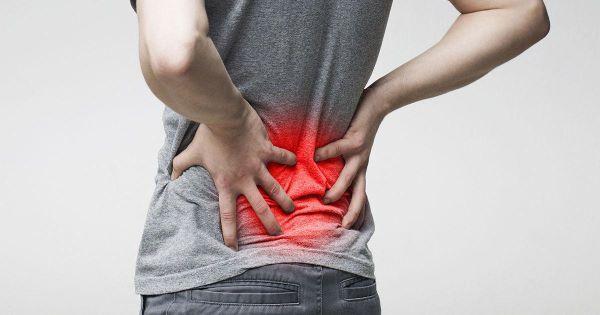
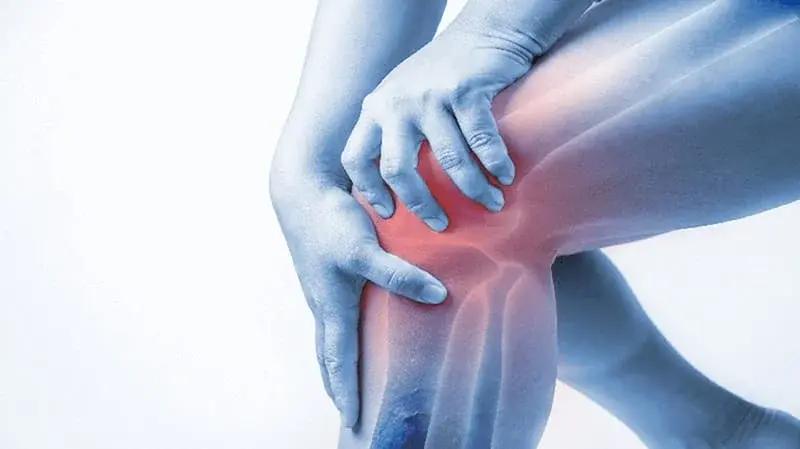
Chronic pain in perimenopause is often driven by shifting estrogen and progesterone, which can turn up your nervous system’s “volume,” worsen sleep, and amplify inflammation. The result can feel like new joint aches, widespread body pain, or old injuries suddenly acting up. A few targeted blood tests can help you sort out whether inflammation, thyroid changes, or iron issues are adding fuel to the fire. Perimenopause is a long transition, and your hormones do not decline in a smooth line. They swing. That up-and-down pattern can make pain feel unpredictable, which is emotionally exhausting on top of physically draining. You are not imagining it, and you are not “just getting older.” This guide walks you through the most common reasons pain flares now, what tends to help in real life, and how tools like PocketMD and VitalsVault labs can help you narrow down what is actually happening in your body.
Why chronic pain can flare in perimenopause
Hormone swings sensitize your pain system
When estrogen and progesterone swing, your pain-processing network becomes more reactive, which can make normal sensations feel sharper and recovery feel slower. This is one reason you might notice “everything hurts” in the week or two around irregular periods. The takeaway is to track pain alongside cycle clues like spotting, breast tenderness, or new PMS, because the timing can point to a hormone-driven pattern you can treat.
Sleep loss turns pain up
Poor sleep does not just make you tired; it lowers your pain threshold the next day and makes muscles feel heavier and more tender. In perimenopause, night sweats, early waking, and anxiety spikes can fragment sleep even when you spend enough hours in bed. If your pain is noticeably worse after a bad night, treating sleep as a pain intervention is not optional—it is central.
Inflammation from autoimmune or arthritis
Perimenopause is also the age when conditions like rheumatoid arthritis or inflammatory thyroid disease can show up, and inflammation can feel like deep joint aching, morning stiffness, or swelling that comes and goes. This matters because inflammatory pain responds to different strategies than muscle tension or nerve sensitivity. If you wake up stiff for more than 30–60 minutes most mornings, it is worth asking for inflammation labs and a focused exam rather than assuming it is “just hormones.”
Thyroid shifts mimic body aches
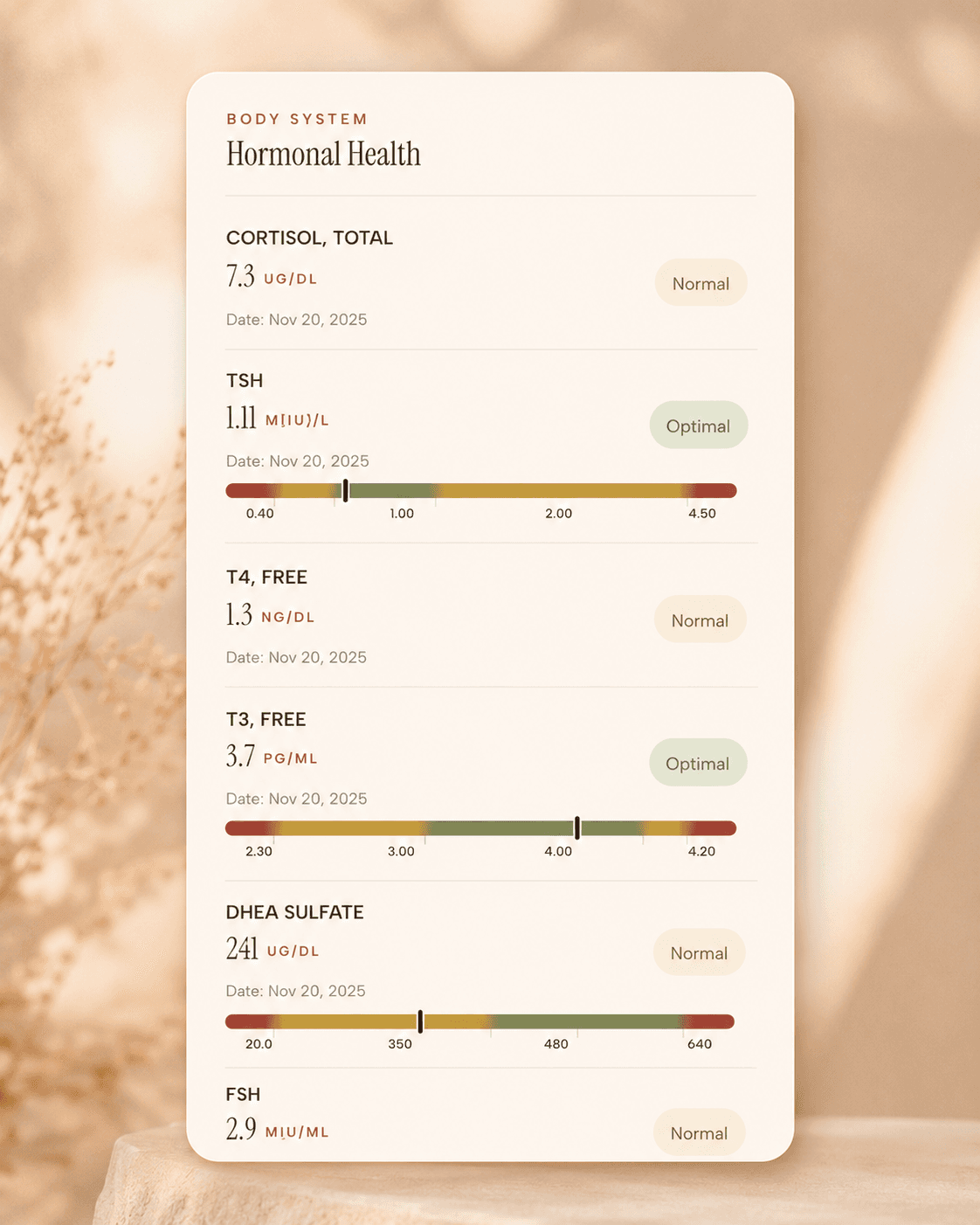
An underactive thyroid can cause muscle aches, joint pain, and a heavy, slowed-down feeling, and it can also worsen fatigue and low mood. Perimenopause and thyroid issues often overlap, which makes it easy to mislabel thyroid pain as menopause pain. If you also have cold intolerance, constipation, hair thinning, or unexplained weight change, checking TSH is a practical first step.
Low iron stores drain your muscles
Even without anemia, low iron stores can leave your muscles under-fueled, which can feel like soreness, weakness, and exercise intolerance that lingers for days. Perimenopause can bring heavier or more frequent bleeding, so iron can quietly drop over months. If you are getting breathless on stairs or your legs feel “dead” after normal activity, ferritin testing can reveal a fixable contributor.
What actually helps day to day
Treat sleep like a pain medication
Pick one sleep lever and work it for two weeks: a consistent wake time, a cooler bedroom, or a wind-down routine that starts 60 minutes before bed. If night sweats are waking you, breathable layers and a fan often reduce the “full wake-up” that makes pain flare the next day. When you can, schedule demanding tasks for the time of day you feel least pain, because pacing prevents the boom-and-bust cycle.
Strength training, but gentler than you think
Perimenopause is a time when muscle mass can drop faster, and weaker muscles make joints work harder, which can increase pain. Two to three short sessions a week focused on slow, controlled movements can reduce pain over time, even if you start with bodyweight or resistance bands. The key is leaving 2–3 reps “in the tank” so you build consistency instead of triggering a flare.
Anti-inflammatory pain plan, not random pills
If you use anti-inflammatory meds (NSAIDs), they work best when you use them strategically for predictable flares, like a 24–48 hour window around a known trigger, rather than taking them sporadically in panic. This approach can improve function while lowering the temptation to escalate doses. If you have reflux, kidney disease, are on blood thinners, or have a history of ulcers, ask your clinician for a safer plan instead of self-experimenting.
Consider hormone therapy when appropriate
For some people, stabilizing hormones reduces pain sensitivity and improves sleep, which indirectly lowers pain. This is most relevant when pain flares track with other perimenopause symptoms like hot flashes, night sweats, and mood swings. A clinician can help you weigh benefits and risks based on your history, and it is reasonable to bring a simple symptom-and-cycle log to that conversation.
Use nervous system calming on purpose
When pain has a “wired but tired” quality, your nervous system may be stuck in high alert, which makes pain signals louder. Short, repeatable practices like 5 minutes of slow exhale breathing or a brief body scan can lower that alarm state enough to make movement and sleep easier. You are not trying to “think away” pain—you are turning down the gain so other treatments work better.
Useful biomarkers to discuss with your clinician
Estradiol
Estradiol in men is produced from testosterone via aromatase enzyme. In functional medicine, we recognize that men need optimal estradiol levels for bone health, cognitive function, and cardiovascular protection. However, excessive estradiol can suppress testosterone production and cause feminizing effects. The testosterone-to-estradiol ratio is crucial for male health, with optimal balance supporting vitality while preventing estrogen dominance. Balanced estradiol levels in men support bone health and cognitive…
Learn moreTSH
TSH is the master regulator of thyroid function, controlling the production of thyroid hormones T4 and T3. In functional medicine, we use narrower TSH ranges than conventional medicine to identify subclinical thyroid dysfunction early. Even mildly elevated TSH can indicate thyroid insufficiency, leading to fatigue, weight gain, depression, and metabolic dysfunction. TSH levels are influenced by stress, nutrient deficiencies, autoimmune conditions, and environmental toxins. Optimal TSH supports energy, metabolism…
Learn moreHs Crp
High-sensitivity C-reactive protein (hs-CRP) is a key marker of systemic inflammation and cardiovascular risk. In functional medicine, we recognize hs-CRP as one of the most important predictors of heart disease, stroke, and metabolic dysfunction. Levels above 1.0 mg/L indicate increased inflammation that may be driven by poor diet, chronic infections, autoimmune conditions, or metabolic syndrome. Optimal levels below 0.5 mg/L are associated with the lowest cardiovascular risk and overall inflammatory burden. hs…
Learn moreLab testing
Get hs-CRP, TSH, and ferritin checked at Quest
starting from $99 panel with 100+ tests, one visit
No referral needed
About 1 week
Schedule online — results typically within a week
Clear next steps
Guidance included, with follow-up care available
HSA / FSA
Eligible for pre-tax health spending accounts
Pro Tips
Do a 14-day pain map: each evening, rate pain 0–10 and write where it is (for example, hands versus hips) plus what your sleep was like the night before. Patterns show up faster than you expect, and they guide which lever to pull first.
Try “minimum effective movement” on flare days: a 10-minute walk or a short mobility routine is often enough to prevent stiffness from snowballing without provoking a bigger crash.
If your pain feels inflammatory, test your morning stiffness: set a timer when you get out of bed and note when you feel truly looser. Stiffness lasting longer than 30–60 minutes is a useful data point to bring to a clinician.
If you suspect iron is part of the story, pay attention to bleeding changes and track them for one cycle. A simple note like “soaking a pad/tampon every hour” is more actionable than “heavy,” and it helps decide whether ferritin testing is urgent.
Pick one recovery habit after activity and make it automatic, such as a warm shower and 5 minutes of gentle stretching. Consistent recovery cues teach your nervous system that movement is safe, which reduces fear-driven guarding.
Frequently Asked Questions
Can perimenopause really cause chronic body pain?
Yes. Hormone swings can increase pain sensitivity, and they often disrupt sleep, which lowers your pain threshold the next day. Perimenopause can also overlap with thyroid disease, iron depletion, or inflammatory arthritis, which is why labs like TSH, ferritin, and hs-CRP can be helpful. If pain is new, persistent, or changing fast, write down your pattern for two weeks and bring it to a clinician.
Why do my joints hurt more before my period now?
In perimenopause, estrogen and progesterone can drop or swing more sharply, and that can affect inflammation and how your nervous system processes pain. You may notice a predictable “bad week” with more stiffness, swelling, or achiness even if your cycles are irregular. Tracking timing plus symptoms like breast tenderness or spotting can help confirm the pattern and guide treatment options.
Is it fibromyalgia or perimenopause?
They can look similar because both can involve widespread pain, poor sleep, and brain fog. Fibromyalgia is a pain-processing condition, while perimenopause is a hormone transition that can trigger or amplify pain sensitivity. If you have widespread tenderness plus unrefreshing sleep, it is reasonable to ask about fibromyalgia while also checking contributors like TSH, ferritin, and inflammation markers.
What blood tests are most useful for chronic pain in perimenopause?
A practical starting trio is hs-CRP to screen for inflammation, TSH to look for thyroid-related aches and fatigue, and ferritin to check iron stores that affect muscle recovery and energy. Many symptomatic people feel best with hs-CRP under about 1.0 mg/L, TSH roughly 0.5–2.5 mIU/L, and ferritin at least 50 ng/mL, depending on your situation. Use results as a map for next steps rather than a diagnosis by themselves.
When should I worry that pain is something serious?
Get urgent care if you have chest pain, sudden weakness on one side, new loss of bladder or bowel control, fever with severe pain, or a hot, swollen joint that you cannot bear weight on. Those patterns can signal problems that should not wait, even if you are in perimenopause. For everything else that is persistent but not emergent, schedule a focused visit and bring a short pain-and-sleep log so you get taken seriously and move faster.
What the research says about pain and the menopause transition
North American Menopause Society (NAMS) position statement on hormone therapy (updated guidance on benefits, risks, and symptom targeting)
ACR 2016 guideline for fibromyalgia management (emphasizes exercise, sleep, and multimodal care over single “magic bullet” treatments)
Systematic review: menopause transition and musculoskeletal pain (evidence that pain complaints rise during the transition and are linked with sleep and mood factors)