Joint Pain During Menopause: Why It Happens and What Helps
Joint pain during menopause often comes from falling estrogen, higher inflammation, or thyroid shifts. Targeted blood tests available—no referral needed.





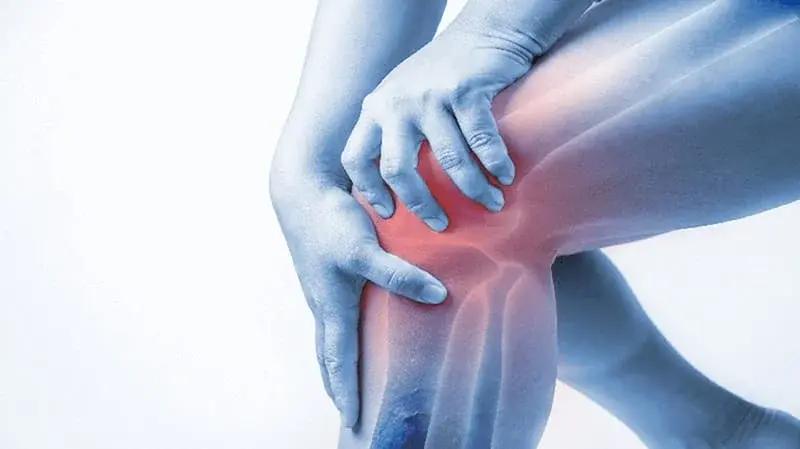
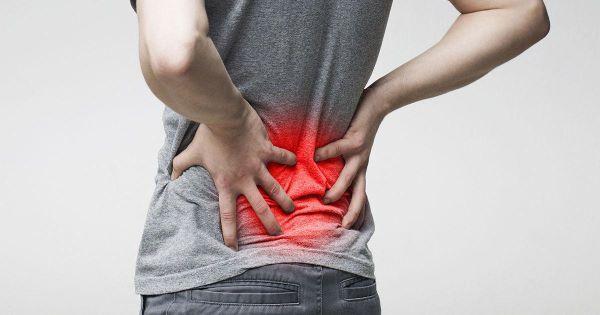
Joint pain during menopause is usually a mix of falling estrogen changing how your joints handle inflammation, normal age-related wear becoming more noticeable, and “look-alike” issues such as thyroid problems. It can feel like sudden stiffness in the morning, achy hands or knees after sitting, or flares that make workouts and sleep harder. A few targeted blood tests can help sort out whether this is mainly inflammation, autoimmune activity, or a thyroid shift so you can treat the right thing. This symptom is common, and it is also frustrating because it can show up even if you have never had joint trouble before. Hormones affect your immune system, your pain sensitivity, and even how well your tendons and joint lining recover after activity, which means your body can start reacting differently to the same training plan or the same desk job. Below, you will get a clear map of the most likely causes, what tends to help in real life, and which labs can add clarity. If you want help connecting your specific pattern to next steps, PocketMD can talk it through with you, and Vitals Vault labs can help you check the most relevant markers without a long wait.
Why joint pain can ramp up in menopause
Falling estrogen, more inflammation
As estrogen drops, your immune system tends to run a little “louder,” which can increase low-grade inflammation in and around joints. That inflammation can make your hands, knees, hips, or shoulders feel puffy, sore, or stiff even when there is no obvious injury. If your pain comes with morning stiffness that eases as you move, think “inflammation” and consider checking a marker like high-sensitivity CRP to see if that is part of your story.
Joint lining gets more sensitive
Your joints are lined with a thin tissue that makes fluid for smooth movement (synovium). Hormone shifts can change how that lining responds to normal stress, so the same walk, run, or yoga class can suddenly feel like you “overdid it.” A useful clue is pain that shows up after activity and lingers for a day or two, which means you may need a slower ramp-up and more recovery than you used to.
Tendon and ligament strain increases
Estrogen supports collagen turnover, which is part of how tendons and ligaments stay resilient. During the menopause transition, those tissues can feel tighter and more injury-prone, so you may notice heel pain, elbow pain, or a cranky shoulder before the joint itself hurts. If the pain is sharp with specific movements, treat it like a soft-tissue issue first by adjusting load and adding targeted strengthening rather than pushing through.
Thyroid shifts can mimic arthritis
An underactive thyroid (hypothyroidism) can cause muscle aches, joint pain, and swelling, and it is more common in midlife. The “tell” is that the joint pain often comes with fatigue, dry skin, constipation, or feeling cold when others are comfortable. A simple TSH test can quickly rule this in or out, and treating the thyroid problem can noticeably improve how your joints feel.
Autoimmune arthritis can flare
Menopause does not cause autoimmune disease, but immune changes around midlife can unmask or worsen conditions like rheumatoid arthritis. Pain that is symmetrical in both hands or wrists, morning stiffness lasting longer than 30–60 minutes, or visible swelling deserves a closer look. If you see that pattern, ask about tests like anti-CCP and do not wait months hoping it will “settle,” because early treatment protects joints.
What actually helps your joints
Use heat to unlock stiffness
If your worst pain is first thing in the morning or after sitting, heat is often more effective than ice because it relaxes tight tissues and improves joint fluid flow. Try a warm shower, heating pad, or a 10-minute warm-up walk before you judge how bad the day will be. Then do gentle range-of-motion movements while things are warm, because that is when you get the most payoff.
Strength train, but change the dose
Your joints usually feel better when the muscles around them are stronger, but menopause is a time when recovery can slow down. Start with a load you could do for 2–3 more reps than you actually perform, and increase either weight or volume every 1–2 weeks, not both at once. If pain spikes above a 4 out of 10 and lasts more than 24 hours, that is your sign to back off and rebuild gradually.
Try topical anti-inflammatories first
For hands, knees, and other superficial joints, topical diclofenac gel can reduce pain with less whole-body exposure than oral NSAIDs. It is especially useful when you want relief without upsetting your stomach or raising blood pressure. If you have kidney disease, ulcers, or are on blood thinners, ask a clinician which option is safest for you before using regular NSAIDs.
Consider menopause hormone therapy
For some people, menopause hormone therapy (MHT) improves joint aches because it addresses the hormone shift that can drive inflammation and pain sensitivity. It is not a universal fix, and it is not the right choice for everyone, but it is worth discussing if you also have hot flashes, sleep disruption, or mood changes. A clinician can help you weigh benefits and risks based on your age, time since your last period, and personal history.
Build an anti-inflammatory plate
Food will not “cure” joint pain, but it can turn the volume down on inflammation over a few weeks. Aim for a pattern that looks like Mediterranean-style eating, which means more oily fish, olive oil, beans, vegetables, and nuts, and fewer ultra-processed snacks and sugary drinks. If you want a simple experiment, try two weeks of that pattern and track morning stiffness time, because that is often the first thing to improve.
Useful biomarkers to discuss with your clinician
TSH
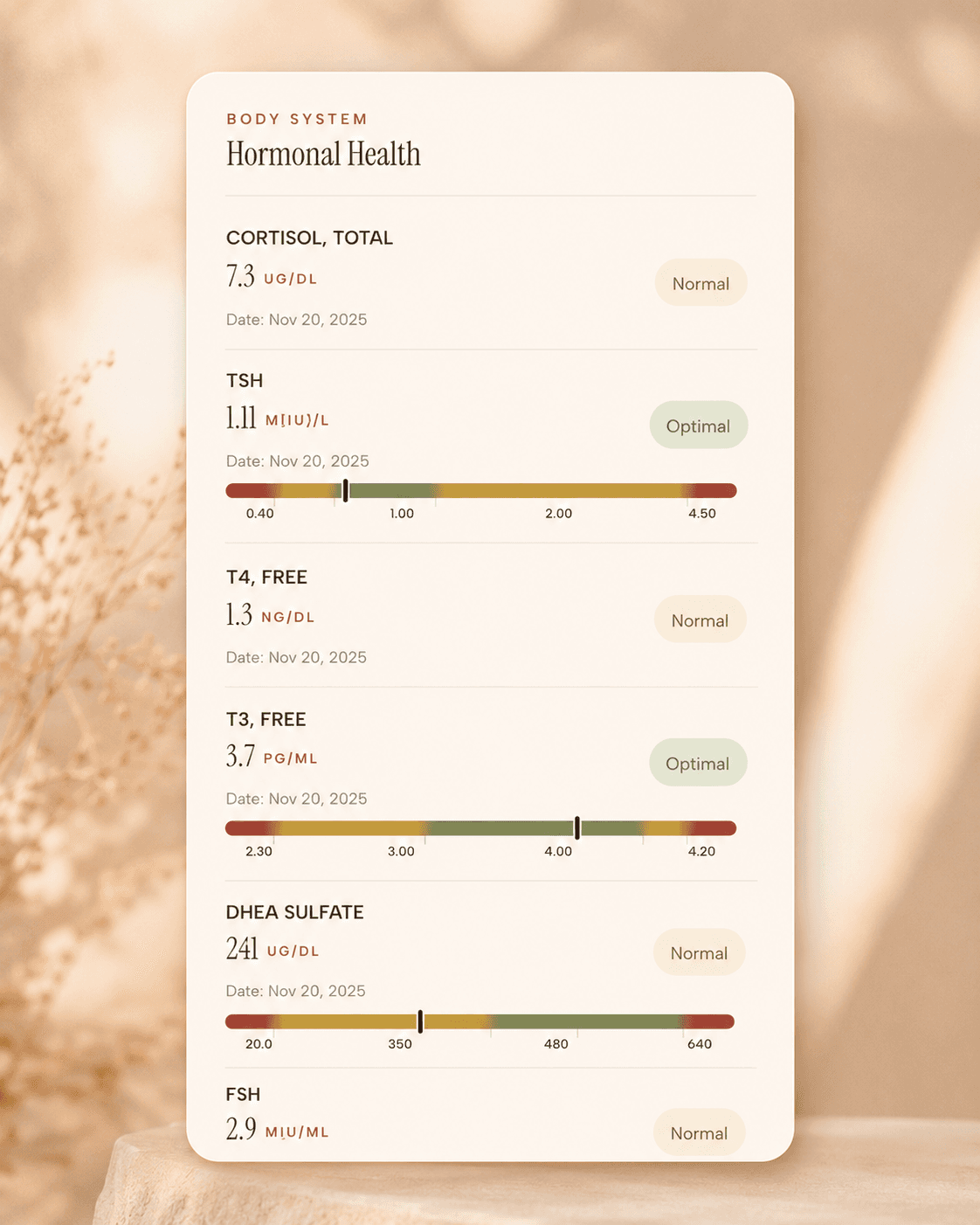
TSH is the master regulator of thyroid function, controlling the production of thyroid hormones T4 and T3. In functional medicine, we use narrower TSH ranges than conventional medicine to identify subclinical thyroid dysfunction early. Even mildly elevated TSH can indicate thyroid insufficiency, leading to fatigue, weight gain, depression, and metabolic dysfunction. TSH levels are influenced by stress, nutrient deficiencies, autoimmune conditions, and environmental toxins. Optimal TSH supports energy, metabolism…
Learn moreHs Crp
High-sensitivity C-reactive protein (hs-CRP) is a key marker of systemic inflammation and cardiovascular risk. In functional medicine, we recognize hs-CRP as one of the most important predictors of heart disease, stroke, and metabolic dysfunction. Levels above 1.0 mg/L indicate increased inflammation that may be driven by poor diet, chronic infections, autoimmune conditions, or metabolic syndrome. Optimal levels below 0.5 mg/L are associated with the lowest cardiovascular risk and overall inflammatory burden. hs…
Learn moreEstradiol
Estradiol in men is produced from testosterone via aromatase enzyme. In functional medicine, we recognize that men need optimal estradiol levels for bone health, cognitive function, and cardiovascular protection. However, excessive estradiol can suppress testosterone production and cause feminizing effects. The testosterone-to-estradiol ratio is crucial for male health, with optimal balance supporting vitality while preventing estrogen dominance. Balanced estradiol levels in men support bone health and cognitive…
Learn moreLab testing
Check CRP, TSH, and anti-CCP at Quest
starting from $99 panel with 100+ tests, one visit
No referral needed
About 1 week
Schedule online — results typically within a week
Clear next steps
Guidance included, with follow-up care available
HSA / FSA
Eligible for pre-tax health spending accounts
Pro Tips
Do a two-week “stiffness timer” log: each morning, note how many minutes it takes until your joints feel like they move normally. That single number is often more reliable than “pain today,” and it helps you see whether a change is actually working.
If your hands hurt, try warming them for 3–5 minutes before gripping tasks, then use a thicker pen or utensil for the next hour. Reducing grip strain can calm irritated finger joints faster than forcing more stretching.
When you return to exercise, keep one rule: you should feel better during the warm-up, not worse. If the first 10 minutes makes pain climb, switch to a lower-impact option that day and save the harder session for when your joints are calmer.
If you suspect inflammation, test your response to a consistent bedtime for one week. Poor sleep raises pain sensitivity, so even a 30–60 minute improvement in sleep timing can make your joints feel less “loud” without changing anything else.
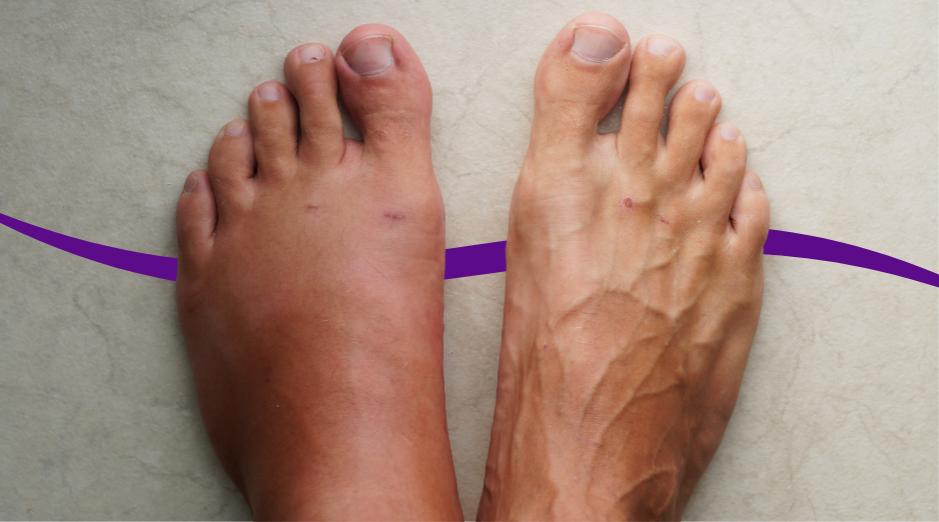
If you have swelling, take one photo of the same joint at the same time of day for 7 days. Visual trends help your clinician take you seriously and can guide whether you need an autoimmune workup.
Frequently Asked Questions
Is joint pain a normal symptom of menopause?
It is common, and it often relates to falling estrogen affecting inflammation and pain sensitivity. That said, “common” does not mean you should ignore it, especially if you have visible swelling or morning stiffness lasting longer than an hour. If the pattern is persistent, checking hs-CRP and TSH can help clarify whether inflammation or thyroid changes are contributing.
What does menopause joint pain feel like?
Many people describe morning stiffness, achy hands or knees after sitting, or a feeling that workouts suddenly “cost more” the next day. Some feel tendon-type pain, like heel or elbow soreness, rather than deep joint pain. Track when it is worst and whether movement improves it, because that helps separate inflammatory patterns from overuse.
Can menopause cause arthritis, or just make it worse?
Menopause does not directly cause osteoarthritis or rheumatoid arthritis, but hormone and immune shifts can make existing joint problems more noticeable and can coincide with the first clear signs of inflammatory arthritis. If you have symmetrical hand or wrist pain with prolonged morning stiffness, ask about anti-CCP testing and a rheumatology referral. Early evaluation matters because treatment can prevent damage.
Will hormone therapy help joint pain during menopause?
For some people, MHT reduces joint aches, especially when joint pain comes alongside hot flashes, poor sleep, and other menopause symptoms. It is not guaranteed, and the decision depends on your age, time since your last period, and personal risk factors. If you are considering it, bring a symptom timeline and ask specifically whether MHT is reasonable for joint pain plus your other symptoms.
When should I worry about joint pain during menopause?
Get prompt medical attention if a joint becomes hot, very swollen, or you cannot bear weight, because infection or a serious injury needs urgent care. Also take it seriously if you have swelling in multiple joints, morning stiffness over 60 minutes, fevers, or unexplained weight loss, since that can signal inflammatory disease. If symptoms are milder but persistent for more than 6 weeks, schedule a visit and consider labs like hs-CRP, TSH, and anti-CCP to guide next steps.