Irregular Periods in Teenagers: What’s Normal and When to Check Hormones
Irregular periods in teenagers often come from normal cycle “startup,” stress/under-fueling, or PCOS. Targeted labs are available—no referral needed.





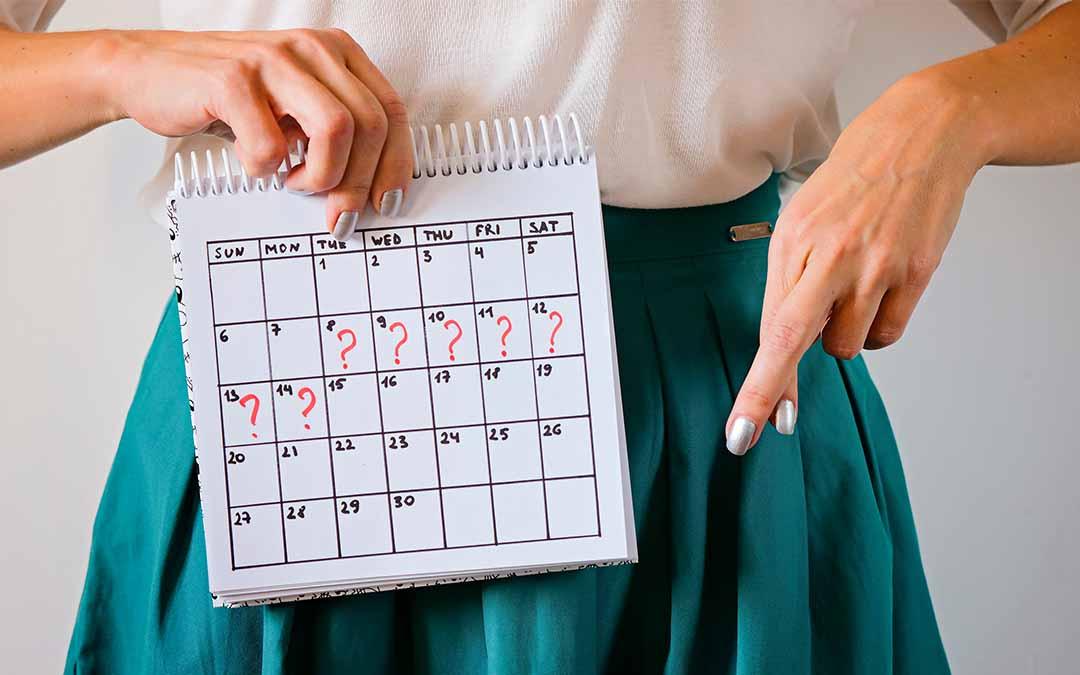
Irregular periods in teenagers are most often caused by your cycle still “learning” to ovulate regularly, stress or under-fueling that quiets the brain-to-ovary signal, or a hormone pattern like PCOS. The good news is that many irregular cycles settle over time, but a few patterns are worth checking sooner. Simple blood tests can help sort out which situation fits you, especially when symptoms overlap. In the first couple of years after your first period, it is common for your body to ovulate inconsistently, which means your bleeding can show up early, late, or not at all. But irregular does not always mean “normal,” and it can be frustrating when you cannot predict cramps, bleeding, or mood changes. This guide walks you through the most common reasons teen cycles go off schedule, what you can do at home to support a steadier rhythm, and when it makes sense to use tools like PocketMD or targeted labs to get clarity instead of guessing. If you have very heavy bleeding (soaking a pad or tampon every hour for several hours), dizziness, fainting, severe pelvic pain, or you might be pregnant, get urgent medical care.
Why your teen periods are irregular
Your cycle is still maturing
After your first period, your brain and ovaries are still building a reliable monthly rhythm, so ovulation may not happen every cycle. When you do not ovulate, your lining can build up and shed unpredictably, which feels like random timing and sometimes weirdly light or heavy bleeding. A helpful takeaway is to track cycle length (first day to first day), because patterns over 3–6 months matter more than any single “off” month.
Stress or under-fueling shuts signals down
When you are under a lot of stress, not eating enough for your activity level, or losing weight quickly, your brain can turn down the hormone pulses that tell your ovaries to ovulate (functional hypothalamic amenorrhea). That can look like long gaps between periods, very light bleeding, or periods that disappear during sports seasons or exam weeks. If this sounds like you, the most effective “treatment” is often boring but real: consistent meals with enough carbs and fats, plus dialing back training intensity until your cycle returns.
PCOS pattern (polycystic ovary syndrome)
With PCOS, your ovaries may make more “androgen” hormones than your body needs, which can interfere with regular ovulation. You might notice longer cycles, acne that is hard to control, or thicker hair growth on the chin or lower belly, and the irregularity tends to persist rather than gradually improving. The takeaway is that PCOS is a pattern, not a single test result, so pairing symptoms with labs can prevent you from being dismissed as “just irregular.”
Thyroid slowdown or speed-up
Your thyroid is like your body’s metabolism dial, and when it is too slow or too fast it can disrupt the timing of ovulation and bleeding. Hypothyroidism often comes with fatigue, constipation, dry skin, or feeling cold, while hyperthyroidism can feel like anxiety, shakiness, heat intolerance, or unexplained weight loss. If your cycle changes along with those whole-body symptoms, a thyroid test is one of the quickest ways to find a fixable cause.
High prolactin from the pituitary
Prolactin is a hormone that helps with milk production, and when it is elevated it can block the hormones that drive ovulation. You might notice nipple discharge that is not related to pregnancy, headaches, or a big shift toward missed periods rather than just “a few days late.” The key takeaway is that certain medications can raise prolactin too, so it is worth reviewing any new prescriptions or supplements with a clinician if your cycles changed soon after starting them.
What actually helps your cycle settle
Use a simple 3-month cycle log
Write down the first day of bleeding, how heavy it is for the first two days, and whether you had mid-cycle pain or stretchy discharge that month. This helps you and your clinician tell the difference between “random bleeding” and “late ovulation,” which leads to different next steps. If you prefer apps, keep it basic and accurate rather than trying to predict ovulation right away.
Fuel like your training demands
If you are active, your cycle is often the first thing to wobble when your energy intake does not match your output. Try adding a real snack within an hour after practice and making sure dinner has both carbs and protein, because your brain reads chronic low energy as a reason to pause reproduction. A practical sign you are moving the right direction is that your sleep and morning energy improve before your period returns.
Treat acne and hair changes strategically
If irregular periods come with acne or unwanted hair growth, you do not have to “wait it out” while it affects your confidence. A clinician can discuss options like topical acne treatment, hormonal contraception, or anti-androgen medications, depending on your age and situation. The point is not cosmetic only—when androgen symptoms are strong, they can be a clue that your cycles will not self-correct without support.
Address iron loss if bleeding is heavy
Heavy or frequent bleeding can quietly drain iron stores, and low iron can make you feel tired, foggy, and short of breath even if your period itself seems like the main issue. If you are soaking through protection quickly or passing large clots, ask about checking ferritin and a blood count, because replacing iron can improve how you feel while you work on the cause. If you feel faint or your heart is racing with heavy bleeding, that is a same-day care situation.
Know when to get checked sooner
It is reasonable to get medical input if you have no period for 90 days, if your cycles stay longer than about 45 days more than a year after your first period, or if bleeding is so heavy it disrupts school or sports. It is also worth checking earlier if you have new headaches with nipple discharge, rapid weight change, or symptoms of thyroid imbalance. Bringing your cycle log to the visit makes the appointment faster and more useful.
Useful biomarkers to discuss with your clinician
Ferritin
Ferritin is your body's iron storage protein, reflecting total iron stores in the body. In functional medicine, ferritin assessment is crucial for identifying both iron deficiency and iron overload, conditions that can significantly impact energy levels and overall health. Low ferritin is the earliest sign of iron deficiency, often occurring before anemia develops. This can cause fatigue, weakness, restless leg syndrome, and cognitive impairment. Conversely, elevated ferritin may indicate iron overload, inflamma…
Learn moreEstradiol
Estradiol in men is produced from testosterone via aromatase enzyme. In functional medicine, we recognize that men need optimal estradiol levels for bone health, cognitive function, and cardiovascular protection. However, excessive estradiol can suppress testosterone production and cause feminizing effects. The testosterone-to-estradiol ratio is crucial for male health, with optimal balance supporting vitality while preventing estrogen dominance. Balanced estradiol levels in men support bone health and cognitive…
Learn moreTSH
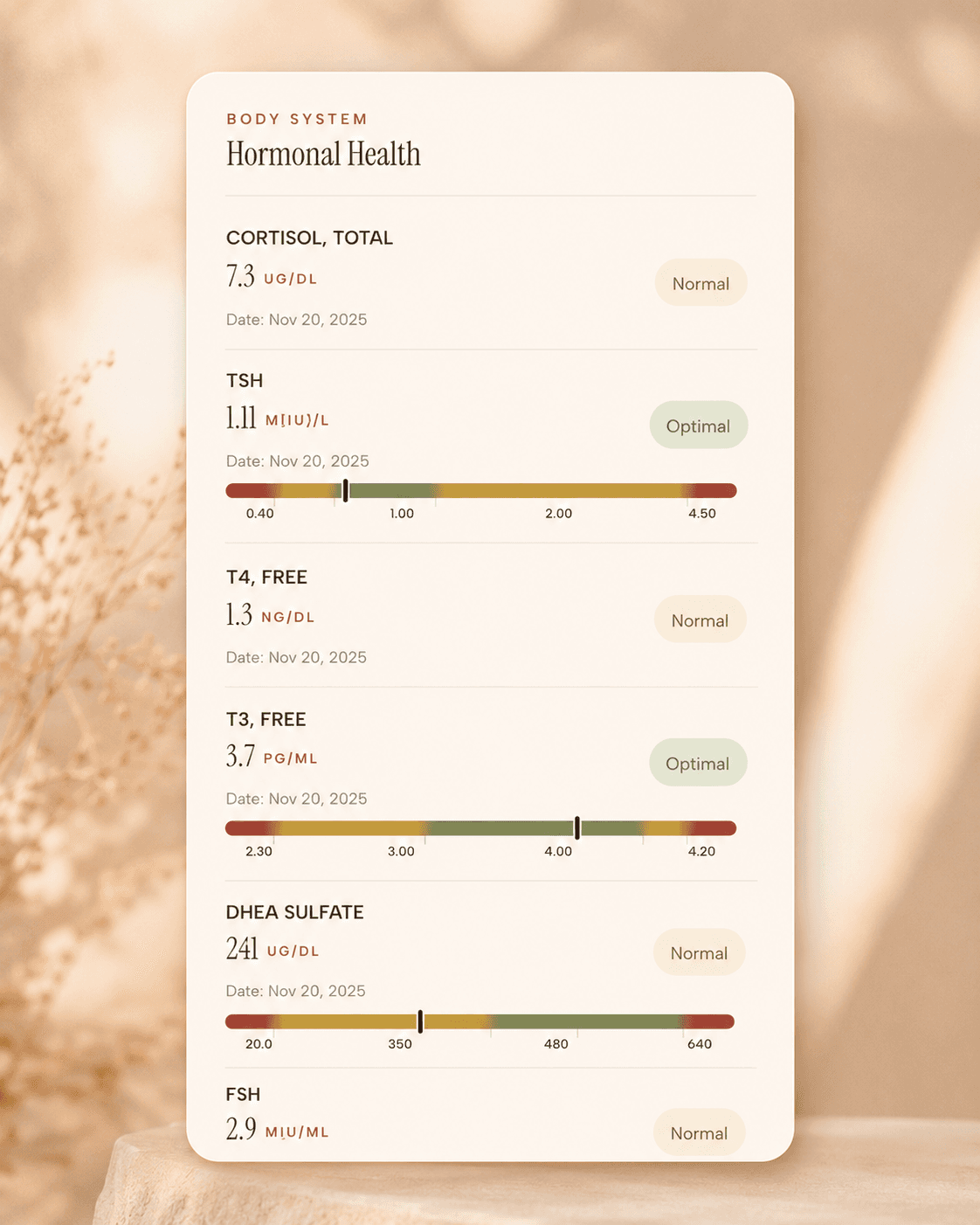
TSH is the master regulator of thyroid function, controlling the production of thyroid hormones T4 and T3. In functional medicine, we use narrower TSH ranges than conventional medicine to identify subclinical thyroid dysfunction early. Even mildly elevated TSH can indicate thyroid insufficiency, leading to fatigue, weight gain, depression, and metabolic dysfunction. TSH levels are influenced by stress, nutrient deficiencies, autoimmune conditions, and environmental toxins. Optimal TSH supports energy, metabolism…
Learn moreLab testing
Get TSH, prolactin, and total testosterone checked at Quest
starting from $99 panel with 100+ tests, one visit
No referral needed
About 1 week
Schedule online — results typically within a week
Clear next steps
Guidance included, with follow-up care available
HSA / FSA
Eligible for pre-tax health spending accounts
Pro Tips
If you are trying to figure out whether you are ovulating, watch for a consistent pattern rather than a single sign: a few days of slippery, egg-white-like discharge followed by PMS symptoms is more meaningful than one random day of discharge.
Pick one definition of “cycle length” and stick to it: count from the first day of real flow (not spotting) to the first day of the next real flow. That one change makes your tracking far more accurate.
If your periods vanish during intense training, try a two-week experiment where you add 300–500 calories per day and take two true rest days per week. If your sleep improves and your resting heart rate drops, your body is often moving toward cycle recovery.
When bleeding feels unpredictable, keep a small “period kit” in your backpack and set a monthly reminder to restock. It sounds simple, but it reduces the daily anxiety that irregular cycles can create.
Before you panic about a late period, take a pregnancy test if there is any chance you could be pregnant, even if you used contraception. Knowing early changes what you do next and can prevent unsafe self-treatment.
Frequently Asked Questions
How irregular is normal for a teenager’s period?
In the first 1–2 years after your first period, cycles can be quite variable because ovulation is not consistent yet. Many guidelines flag cycles shorter than 21 days, longer than 45 days (after the first year), or any gap of 90 days as reasons to check in. If your cycle is getting more regular over time, that trend is reassuring—track it for 3 months and bring the data to a visit.
When should I worry about a missed period as a teen?
If you have gone 90 days without a period, it is worth getting evaluated even if you feel fine. If there is any chance of pregnancy, take a home test right away because that changes the urgency and the workup. Also get checked sooner if missing periods comes with rapid weight loss, intense training, nipple discharge, or new severe headaches.
Can stress really make your period late?
Yes—stress can reduce the brain signals that trigger ovulation, which pushes your period later or makes it skip. It is especially common when stress stacks with under-eating, poor sleep, or heavy training, because your body reads that as “not a great time” for reproduction. If your cycles shift during exams or a tough season, focus on sleep and regular meals for a month and see if your timing improves.
What are the signs of PCOS in teenagers?
PCOS often shows up as persistent irregular cycles plus signs of higher androgens, like acne that is hard to control or unwanted coarse hair growth. A blood test like total testosterone can support the picture, but diagnosis in teens is careful because irregular cycles can also be normal early on. If symptoms are affecting your daily life, ask for a focused evaluation rather than being told to “wait a few years.”
What blood tests help explain irregular periods in teens?
Three high-yield tests are TSH (thyroid), prolactin, and total testosterone, because they map to common, treatable reasons periods go off schedule. Abnormal TSH can point to thyroid imbalance, high prolactin can block ovulation, and elevated testosterone can support an androgen-driven pattern like PCOS. If you get tested, do it with a plan for follow-up so results turn into action, not more confusion.