Bloating in Teenagers: What It Usually Means and What Helps
Bloating in teenagers often comes from constipation, food intolerance, or gut-brain stress. Get targeted labs and guidance—no referral needed.






Bloating in teenagers is usually caused by constipation that traps gas, a food intolerance like lactose, or a sensitive gut that reacts strongly to stress and certain carbs. The “puffy” feeling can also happen when your digestion slows around your period or when you change how you eat during school days. If it keeps happening, a few targeted labs can help sort out whether you are dealing with celiac disease, thyroid-related slow gut, or another fixable driver. Bloating is frustrating because it is a sensation and a look, not a single diagnosis. You can feel tight and uncomfortable even when you have not eaten much, and it can mess with confidence at school or sports. The good news is that most teen bloating improves once you identify the pattern and treat the specific cause instead of guessing. This guide walks you through the most common reasons, what tends to help fastest, and when tools like PocketMD and Vitals Vault labs can make the next step clearer.
Why you might feel bloated as a teen
Constipation that traps gas
When stool sits in your colon longer than it should, it ferments and holds onto gas and water, which can make your lower belly feel tight by afternoon. You might still poop “sometimes,” but if you strain, feel incomplete, or go fewer than about three times a week, constipation can still be the main driver. A useful clue is bloating that improves after a bigger bowel movement or gets worse on school days when you avoid bathrooms.
Lactose intolerance after dairy
If your body does not make enough lactase, milk sugar reaches your colon and bacteria turn it into gas, which can cause bloating within 30 minutes to a few hours after dairy. It often comes with rumbling, cramps, and loose stools, but some teens mainly feel pressure and distension. Try a clean test for one week by swapping to lactose-free milk or using a lactase tablet with dairy and see if the pattern changes.
Sensitive gut and stress (IBS)
Your gut and brain talk constantly, and in some teens that connection becomes extra reactive, which is called irritable bowel syndrome (IBS). Stress does not “make it up,” but it can change gut movement and pain sensitivity so normal amounts of gas feel huge and uncomfortable. If your bloating comes with belly pain that improves after pooping and flares during exams or social stress, treating the gut-brain loop is often the turning point.
FODMAP carbs causing extra gas
Some carbs pull water into your gut and feed gas-producing bacteria, especially in people with IBS, which can make you feel suddenly swollen after certain meals. This tends to happen with foods that are otherwise healthy, like certain fruits, wheat-based snacks, or sugar alcohols in “diet” gum and candy. The takeaway is not to fear food, but to test one category at a time so you can keep your diet as normal as possible.
Celiac disease or inflammation
Celiac disease is an immune reaction to gluten that can irritate the small intestine and cause bloating, pain, and unpredictable stools, and teens can also notice fatigue or slowed growth. Other inflammatory conditions can do something similar, especially if you also have weight loss, blood in stool, fevers, or waking up at night to poop. If any of those red flags fit you, or if bloating is persistent for months, it is worth getting evaluated instead of trying endless elimination diets.
What actually helps teen bloating
Treat constipation on purpose
If constipation is part of your picture, aim for soft, easy stools most days, because that is what reduces the trapped-gas feeling. Start with a consistent bathroom routine after breakfast, and add soluble fiber slowly so you do not worsen gas in the first week. If you are still straining or skipping days, ask a clinician about a short course of an osmotic laxative like polyethylene glycol, because it often helps more than random supplements.
Do a short, clean dairy trial
A good food experiment is simple and time-limited, so you can trust the result. For seven days, avoid lactose specifically by choosing lactose-free dairy or non-dairy alternatives, and keep everything else as steady as you can. If bloating clearly improves and then returns when you reintroduce regular milk, you have a practical answer you can use without cutting out entire food groups forever.
Try a targeted low-FODMAP approach
A full low-FODMAP diet is hard and not meant to be permanent, especially for teens who need enough calories and variety. Instead, pick one high-suspicion trigger for two weeks, such as sugar alcohols in gum or large servings of wheat-based snacks, and see if your afternoon bloating changes. If it helps, you can reintroduce carefully and keep only the specific limits that matter for your body.
Change how you eat, not just what
Fast eating, carbonated drinks, and constant grazing can make you swallow more air and keep your stomach stretched, which feels like bloating even when digestion is normal. Try sitting down for meals, chewing fully, and taking a real break between snacks so your gut has time to move things along. If you notice bloating mostly after energy drinks or sparkling water, switching to still fluids for a week is a surprisingly strong test.
Use gut-brain tools when stress flares
If your bloating tracks with anxiety, sleep loss, or big schedule changes, your nervous system is probably turning up the volume on gut sensations. A short daily routine like 5 minutes of slow breathing after lunch can reduce the “tight balloon” feeling by calming the stress response that affects gut movement. If symptoms are frequent, a clinician can also discuss evidence-based options like gut-directed CBT or peppermint oil capsules, which are aimed at IBS-type bloating.
Lab tests that help explain bloating in teenagers
Glucose
Fasting glucose is a fundamental marker of glucose metabolism and insulin function. In functional medicine, we recognize that even 'normal' glucose levels in the upper range may indicate early insulin resistance. Optimal fasting glucose reflects efficient glucose regulation and insulin sensitivity. Elevated fasting glucose suggests the body's inability to maintain normal glucose levels overnight, indicating hepatic insulin resistance or insufficient insulin production. This marker is essential for early detectio…
Learn moreInsulin
Insulin is a master metabolic hormone that regulates glucose uptake, fat storage, and numerous cellular processes. In functional medicine, fasting insulin levels are one of the earliest and most sensitive markers of metabolic dysfunction. Elevated insulin (hyperinsulinemia) often precedes diabetes by years or decades and is central to metabolic syndrome. High insulin levels promote fat storage, inflammation, and contribute to numerous chronic diseases including cardiovascular disease, PCOS, and certain cancers.…
Learn moreHs Crp
High-sensitivity C-reactive protein (hs-CRP) is a key marker of systemic inflammation and cardiovascular risk. In functional medicine, we recognize hs-CRP as one of the most important predictors of heart disease, stroke, and metabolic dysfunction. Levels above 1.0 mg/L indicate increased inflammation that may be driven by poor diet, chronic infections, autoimmune conditions, or metabolic syndrome. Optimal levels below 0.5 mg/L are associated with the lowest cardiovascular risk and overall inflammatory burden. hs…
Learn moreLab testing
Check celiac antibodies, thyroid function, and inflammation markers at Quest
starting from $99 panel with 100+ tests, one visit
No referral needed
About 1 week
Schedule online — results typically within a week
Clear next steps
Guidance included, with follow-up care available
HSA / FSA
Eligible for pre-tax health spending accounts
Pro Tips
Do a 14-day “bloat log” where you rate bloating from 0–10 at the same two times each day (for example, after lunch and before bed), because the timing often points to constipation versus food triggers.
If you suspect constipation, use the Bristol stool chart for a week and aim for type 3–4 most days; that is a more useful target than “I went today.”
If dairy seems suspicious, test lactose specifically by keeping hard cheeses and lactose-free milk while removing regular milk and ice cream, because that isolates the sugar that causes gas for many people.
If you chew gum most days, take a one-week break and avoid sugar-free candies, because sugar alcohols and swallowed air can create bloating that looks like a “food intolerance.”
If your bloating is worst on school days, plan a predictable bathroom window at home in the morning and after school, because holding stool all day is a common teen pattern that keeps the belly distended.
Frequently Asked Questions
Is bloating normal during puberty?
It can be, because hormones, stress, and changing eating patterns can all change how fast your gut moves and how sensitive it feels. That said, “normal” bloating should come and go and should not steadily worsen over months. If you also have weight loss, blood in stool, or persistent diarrhea, get checked rather than assuming it is puberty.
Why do I look pregnant by the end of the day?
That end-of-day belly is often a mix of trapped stool, gas from fermentation, and your abdominal muscles relaxing when you are tired. It is especially common if you skip breakfast, eat quickly at lunch, and then have a large dinner, because your gut gets hit with a big load late. Try shifting more calories earlier and treating constipation if you are straining, and see if the evening distension improves within two weeks.
What foods cause bloating in teenagers?
The most common culprits are lactose in milk-based foods and certain fermentable carbs that create extra gas, especially when you already have IBS-type sensitivity. The trick is to test one category at a time for 7–14 days, because cutting everything at once makes it impossible to know what helped. If you suspect gluten, get celiac labs first while you are still eating it.
When should I worry about bloating and see a doctor?
Get medical help sooner if bloating comes with severe or worsening pain, vomiting, blood in stool, unexplained weight loss, fever, or waking up at night to poop. Those features can point to inflammation or an obstruction rather than simple gas. If bloating is frequent for more than 6–8 weeks even without red flags, it is still worth a visit so you can stop guessing and start a plan.
What lab tests help explain bloating?
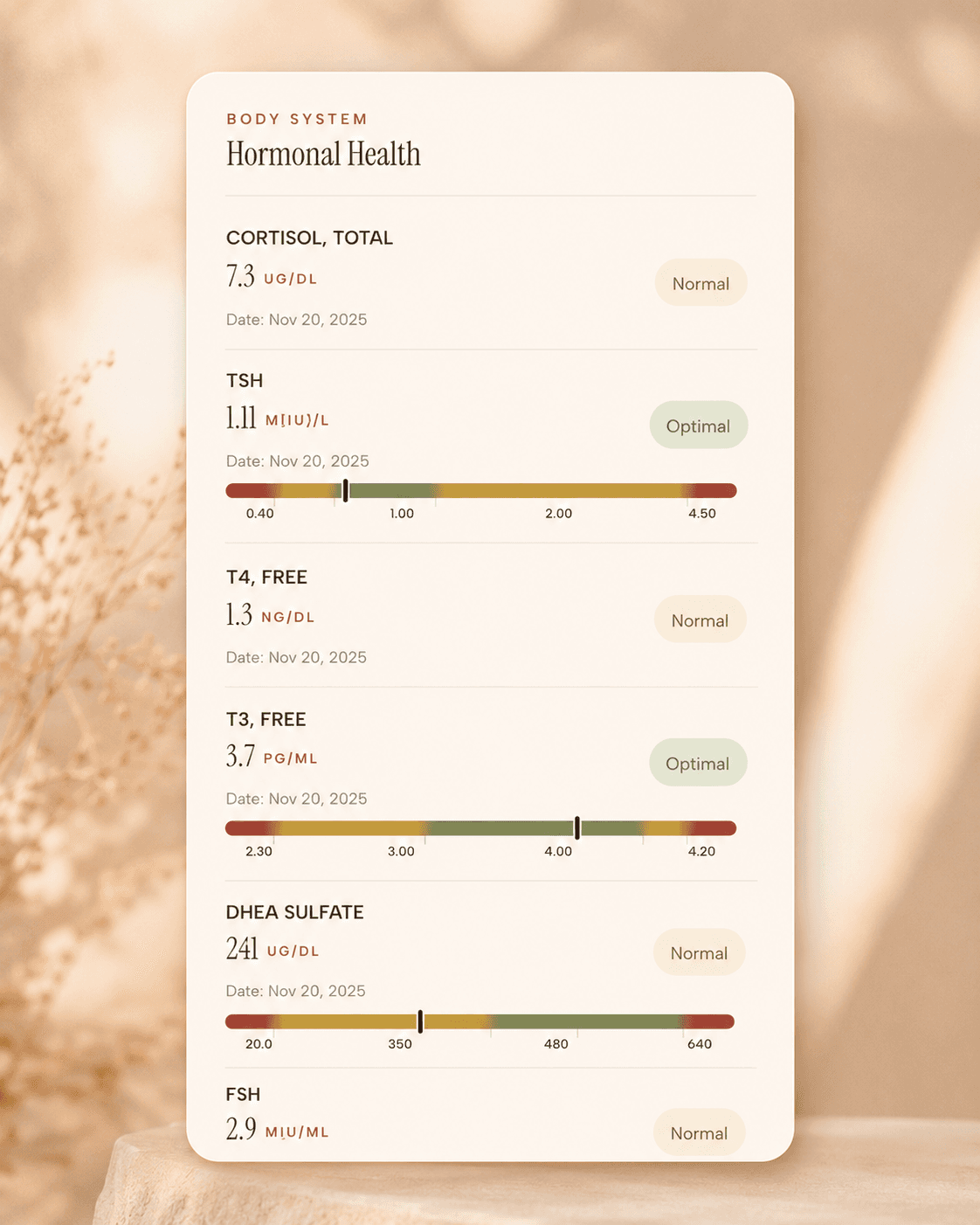
For persistent bloating, celiac antibodies (tissue transglutaminase IgA plus total IgA) can catch a gluten-triggered immune problem, and TSH can flag thyroid-related slow gut that drives constipation. CRP is useful when symptoms raise concern for inflammation, especially if there is diarrhea, weight loss, or blood. If you want testing to be meaningful, keep your diet stable before labs and bring your symptom pattern to the appointment.