Irregular Periods in Your 20s: What It Usually Means
Irregular periods in your 20s often come from PCOS hormone patterns, thyroid shifts, or low energy availability. Targeted labs at Quest—no referral needed.





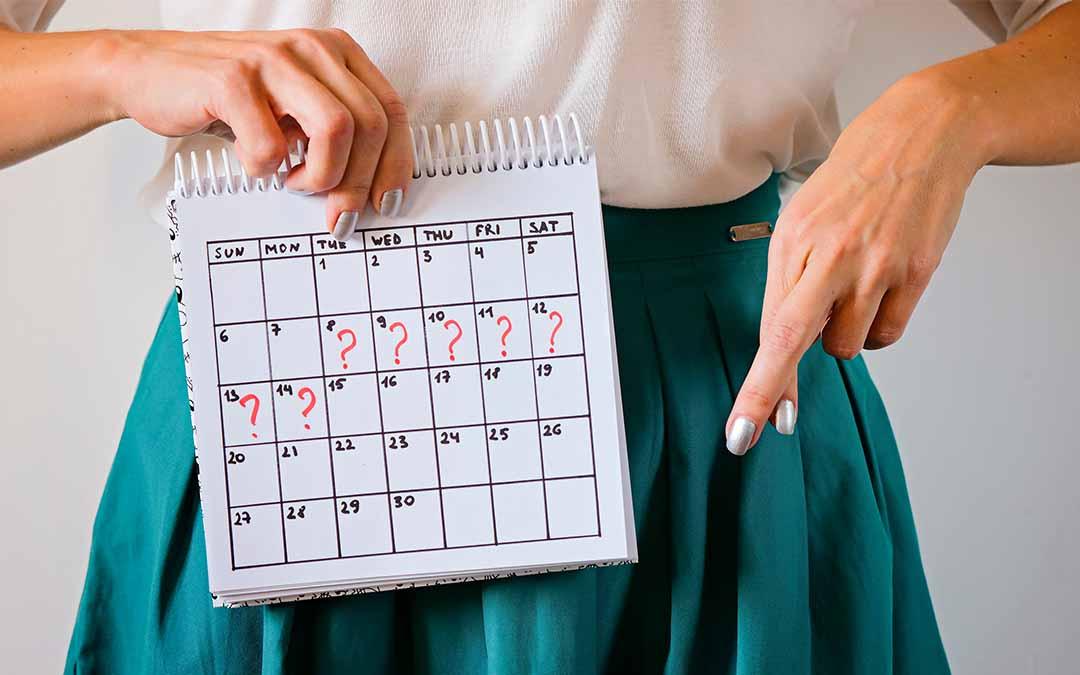
Irregular periods in your 20s are usually your hormones reacting to one of a few common patterns: ovulation not happening regularly (often with PCOS), your thyroid running too slow or too fast, or your brain dialing down reproduction because it senses low fuel from stress, heavy training, or weight loss. The good news is that a few targeted blood tests can often point to which pattern fits you. It’s also normal to feel thrown off by an unpredictable cycle, especially if you’re trying to plan travel, training, sex, or pregnancy. “Irregular” can mean longer cycles, skipped months, surprise spotting, or bleeding that changes from light to heavy. This article walks you through the most common reasons in your 20s, what tends to help in real life, and which labs are most useful. If you want help connecting your exact pattern to next steps, PocketMD can talk it through with you, and VitalsVault labs can help you check the most relevant markers without turning it into a months-long project.
Why your periods get irregular in your 20s
PCOS hormone pattern
With polycystic ovary syndrome (PCOS), your ovaries may not release an egg consistently, which means progesterone never gets its “turn” to organize a predictable bleed. In your body, that often looks like long gaps between periods, acne, scalp hair thinning, or extra facial hair, although you can have PCOS without all of those. A useful clue is that cycles longer than about 35 days, especially if it’s been going on for months, often point toward irregular ovulation rather than “just stress.”
Low fuel from training or dieting
If your brain senses you’re not taking in enough energy for the amount you’re burning, it can downshift the signals that drive ovulation, because pregnancy would be hard to support in a low-fuel state. This is called functional hypothalamic amenorrhea (FHA), but what you feel is a cycle that stretches out, becomes very light, or disappears. If your irregularity started after ramping up cardio, lifting volume, or calorie restriction, the most effective “treatment” is usually restoring energy availability, not adding more supplements.
Thyroid running off-speed
Your thyroid acts like a metabolic dimmer switch, and when it’s too slow or too fast it can disrupt the timing of ovulation and the thickness of your uterine lining. That can show up as skipped periods, frequent bleeding, or periods that suddenly become much heavier than your usual. If you also notice new heat or cold intolerance, hair shedding, constipation, diarrhea, or a racing heart, it’s worth checking a thyroid test sooner rather than later because treating the thyroid issue often normalizes cycles.
High prolactin blocking ovulation
Prolactin is the hormone that supports milk production after pregnancy, but when it’s elevated for other reasons it can suppress the brain signals that trigger ovulation. In real life, that can mean missed periods, low libido, or milky nipple discharge even if you have never been pregnant. Some medications can raise prolactin, and so can a pituitary growth, so this is one of those “simple blood test first” situations.
Pregnancy or early pregnancy loss
Even in your 20s, the most common reason for a missed period is still pregnancy, and early losses can look like a late period with heavier bleeding and cramping. It matters because the next steps are different: you need to rule out an ectopic pregnancy if you have one-sided pelvic pain, shoulder pain, or dizziness, especially with bleeding. If your period is more than a week late and you’ve had sex that could lead to pregnancy, take a home test now and repeat it in 48 hours if it’s negative and your period still doesn’t come.
What actually helps you get regular again
Match the fix to your pattern
The fastest way to stop guessing is to match your symptoms to the most likely “bucket” first: irregular ovulation (often PCOS), low-fuel suppression (often FHA), or a hormone signal problem like thyroid or prolactin. That’s why a small, targeted lab set can be more helpful than a huge panel that leaves you with ten borderline results. If your cycles are consistently longer than 35 days, start by thinking “ovulation issue” until proven otherwise.
If you might be under-fueled, refeed
For training-related irregular periods, your body is usually asking for more energy, more consistency, or both. A practical starting point is adding a daily snack that combines carbs and protein, and keeping your weekly training load steady instead of spiking it. Many people see cycle signs return over a few months, not a few days, so you’re looking for a trend: warmer basal temperatures, more cervical mucus, and eventually a bleed that follows.
PCOS: focus on insulin and ovulation
If PCOS fits you, the goal is often to improve how your body handles insulin and to support regular ovulation, because that is what protects your uterine lining and helps with fertility planning. Strength training, a consistent sleep schedule, and meals that don’t swing your blood sugar wildly can make a real difference, even without dramatic weight changes. If you are trying to conceive or you are going months without bleeding, it’s worth discussing ovulation-inducing meds or cycle regulation with a clinician rather than waiting it out.
Treat thyroid or prolactin when abnormal
When thyroid tests or prolactin are clearly off, lifestyle changes alone usually won’t “power through” it, because the signal itself is wrong. Thyroid medication for low thyroid, or adjusting a medication that raises prolactin, can bring cycles back toward normal and also improve how you feel day to day. Ask specifically, “Could this result explain my irregular periods, and what is the plan to recheck it?” so you get a concrete follow-up timeline.
Know when to get checked urgently
Irregular cycles are common, but a few situations should not wait: very heavy bleeding that soaks through a pad or tampon every hour for several hours, fainting, severe pelvic pain, or a positive pregnancy test with bleeding. Those can signal anemia, miscarriage complications, or ectopic pregnancy. If you are not in danger but you have gone three months without a period (and you are not pregnant), book a visit because prolonged gaps can affect bone health and, in some cases, the uterine lining.
Useful biomarkers to discuss with your clinician
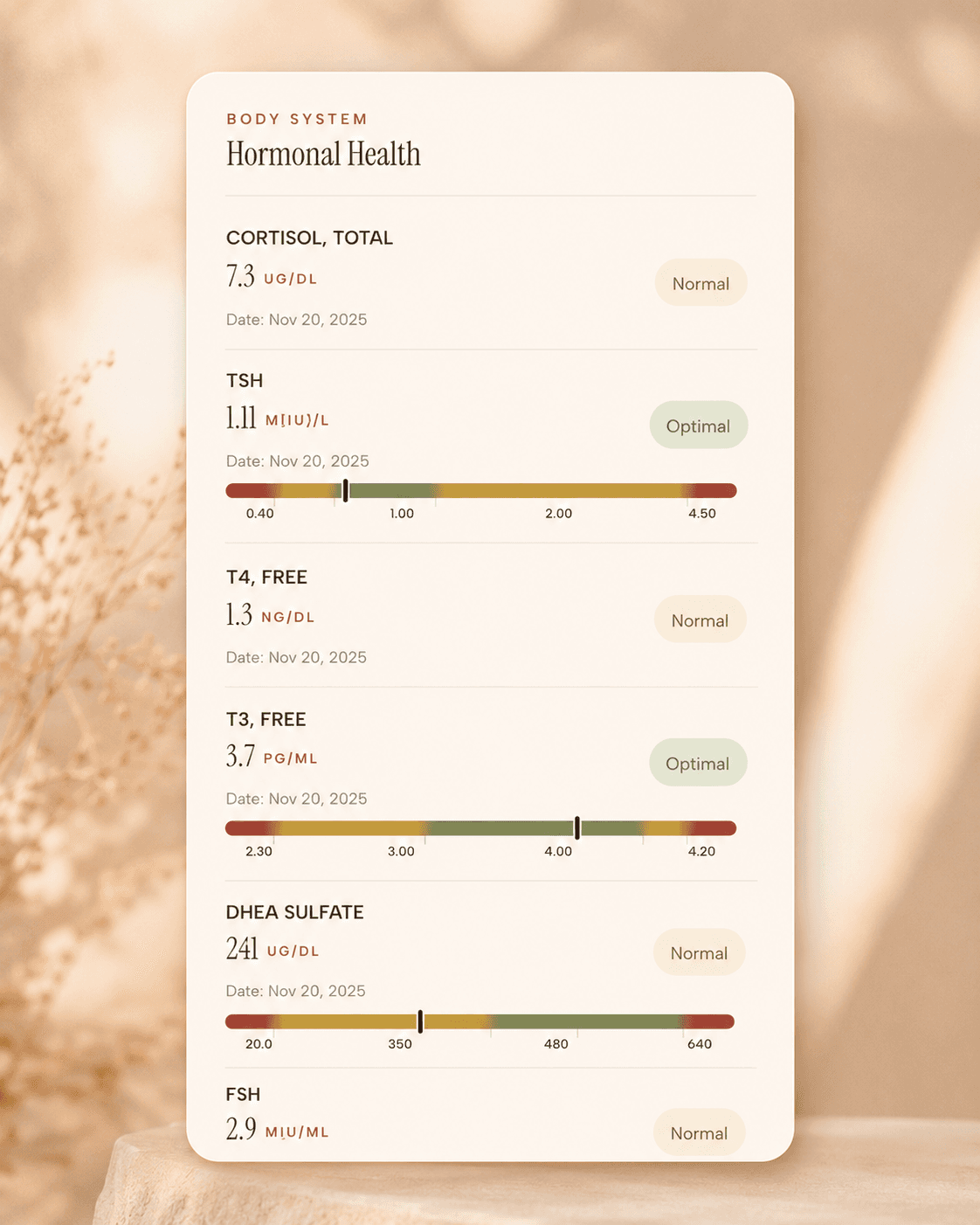
TSH
TSH is the master regulator of thyroid function, controlling the production of thyroid hormones T4 and T3. In functional medicine, we use narrower TSH ranges than conventional medicine to identify subclinical thyroid dysfunction early. Even mildly elevated TSH can indicate thyroid insufficiency, leading to fatigue, weight gain, depression, and metabolic dysfunction. TSH levels are influenced by stress, nutrient deficiencies, autoimmune conditions, and environmental toxins. Optimal TSH supports energy, metabolism…
Learn moreProgesterone
While primarily known as a female hormone, progesterone plays important roles in men including neuroprotection, sleep quality, and as a precursor to other hormones. In functional medicine, male progesterone assessment helps evaluate overall hormone synthesis pathways and stress response. Low progesterone in men may indicate chronic stress or adrenal dysfunction, while optimal levels support brain health and sleep quality. Progesterone in men supports neurological health, sleep quality, and serves as a building b…
Learn moreInsulin
Insulin is a master metabolic hormone that regulates glucose uptake, fat storage, and numerous cellular processes. In functional medicine, fasting insulin levels are one of the earliest and most sensitive markers of metabolic dysfunction. Elevated insulin (hyperinsulinemia) often precedes diabetes by years or decades and is central to metabolic syndrome. High insulin levels promote fat storage, inflammation, and contribute to numerous chronic diseases including cardiovascular disease, PCOS, and certain cancers.…
Learn moreLab testing
Get TSH, prolactin, and total testosterone checked at Quest
starting from $99 panel with 100+ tests, one visit
No referral needed
About 1 week
Schedule online — results typically within a week
Clear next steps
Guidance included, with follow-up care available
HSA / FSA
Eligible for pre-tax health spending accounts
Pro Tips
Do a 3-month “cycle map” in your notes app: write the first day of bleeding, how heavy it is (light/medium/heavy), and whether you had ovulation signs like slippery cervical mucus or a sustained temperature rise. Patterns jump out when you see them on one screen.
If you are having sex that could lead to pregnancy, keep a pack of cheap pregnancy tests at home and test the morning your period is 7 days late. It reduces anxiety and helps you act quickly if you need care.
If you suspect PCOS, track the gap between periods rather than the number of bleeding days. A 45-day cycle with 5 days of bleeding is still irregular ovulation, even if the bleed itself feels “normal.”
If you train hard, try a two-week experiment where you add 300–500 calories per day and avoid fasted workouts. If your sleep improves and your resting heart rate drops, your body is often telling you it feels safer to ovulate again.
If you get random spotting, note whether it happens after sex, after intense workouts, or mid-cycle. Spotting tied to one trigger can point to cervical irritation, low estrogen, or ovulation-related bleeding, which changes what you ask your clinician to check.
Frequently Asked Questions
How irregular is too irregular for periods in your 20s?
A typical cycle is often 21–35 days, and some variation is normal. If your cycles are consistently longer than 35 days, you go 90 days without a period, or your bleeding becomes very heavy or frequent, it is worth an evaluation. Start by ruling out pregnancy and then consider targeted labs like TSH and prolactin.
Can stress really make your period late for weeks?
Yes, especially if stress changes your sleep, appetite, or training, because your brain can suppress the hormones that trigger ovulation. When ovulation is delayed, your period is delayed too, because the bleed usually happens about 10–16 days after ovulation. If this is happening repeatedly, track ovulation signs and consider checking prolactin and TSH to make sure stress is not masking another issue.
I missed my period but I’m not pregnant — what should I check first?
After repeating a home pregnancy test, the highest-yield first labs for missed or widely spaced periods are TSH and prolactin, because thyroid shifts and elevated prolactin can directly block ovulation. If you also have acne or unwanted hair growth, total testosterone is a practical next test to screen for a PCOS pattern. Bring your cycle dates and any medication changes to the visit so your clinician can interpret the results in context.
Do irregular periods mean I’m infertile?
Not necessarily, but irregular periods often mean you are not ovulating regularly, which can make timing harder and can reduce the chance of pregnancy in any given month. Many causes are treatable, including PCOS-related ovulation issues, thyroid disease, and high prolactin. If you have been trying for 12 months (or 6 months if you are 35+), or your cycles are very long, ask about ovulation tracking and treatment options.
When should I worry about PCOS with irregular periods?
PCOS becomes more likely when irregular cycles are paired with signs of higher androgens, such as persistent acne, unwanted facial hair, or scalp hair thinning. A total testosterone test can support the picture, but diagnosis also depends on your history and sometimes an ultrasound. If you are going months without a period, do not just wait it out—ask about protecting your uterine lining and a plan to restore ovulation.