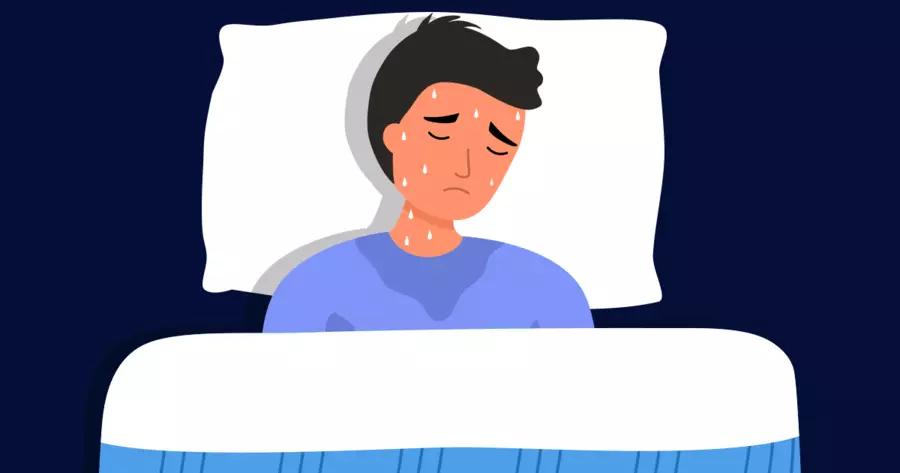
Hot Flashes in Men: What They Mean and What Helps
Hot flashes in men often come from low testosterone, thyroid overactivity, or medication effects. Targeted blood tests available—no referral needed.






Hot flashes in men usually happen when your brain’s temperature control center (hypothalamus) gets pushed into “overreact” mode by hormone shifts, thyroid overactivity, or medication effects. The most common hormone pattern is low testosterone, especially if you have fatigue, lower libido, or loss of muscle along with the heat episodes. Blood tests can often tell which bucket you’re in, so you’re not guessing. If you’re dealing with sudden waves of heat, sweating, and a flushed face that show up out of nowhere (or wake you up at night), you’re not imagining it. Men can absolutely get true hot flashes, and they can be miserable because they disrupt sleep and make you feel self-conscious in meetings or social situations. The tricky part is that “hot flash” is a sensation, not a diagnosis, so the goal is to connect your pattern to a cause you can actually act on. This guide walks you through the most likely reasons, what tends to help, and which labs are most useful. If you want help sorting your specific story, PocketMD can talk it through with you, and targeted labs through VitalsVault can help confirm what’s driving it.
Why you might get hot flashes as a man
Low testosterone (male hypogonadism)
When testosterone runs low, your brain’s thermostat becomes more sensitive, so small internal shifts can trigger a sudden “dump heat now” response. You might notice sweating, flushing, and a rapid heartbeat, and you may also have lower sex drive, fewer morning erections, or more fatigue than usual. The most useful next step is to check a morning total testosterone and confirm it with a repeat test if it’s low, because one off day can mislead you.
Androgen-deprivation therapy for prostate cancer
Treatments that block testosterone on purpose can cause classic hot flashes that feel very similar to menopausal flashes, because the hormone signal your brain is used to suddenly disappears. These episodes often come in clusters and can be intense at night, which is why sleep disruption is such a common complaint. If this is your situation, tell your oncology team early—there are non-hormonal options that can reduce frequency and severity without interfering with cancer treatment.
Overactive thyroid (hyperthyroidism)
If your thyroid is running fast, your metabolism speeds up and your body generates more heat than it can comfortably shed. That can feel like hot flashes, but it often comes with extra clues like feeling “wired,” losing weight without trying, looser stools, or a tremor in your hands. A simple TSH test is a strong screening tool, and if it’s low, checking free T4 helps confirm whether your thyroid is actually the driver.
Medication or substance effects
Some medicines and substances can trigger flushing by widening blood vessels or by changing brain chemicals that influence temperature control. People often notice a tight link to timing, such as a wave of heat 30–90 minutes after a dose, after alcohol, or when they miss a regular medication and go into mild withdrawal. Bring a list of everything you take—including supplements and pre-workouts—to your clinician, because swapping the dose, timing, or drug can sometimes fix the problem faster than any new treatment.
Anxiety surges that mimic flashes
A panic surge can feel exactly like a hot flash because adrenaline ramps up sweating, heart rate, and skin blood flow in seconds. The difference is that anxiety-driven episodes often start with a sense of dread, chest tightness, tingling, or feeling like you can’t get a full breath, and they may happen in specific situations. If your episodes come with chest pain, fainting, or new shortness of breath, get urgent care, but if the pattern fits anxiety, targeted therapy and breathing techniques can be surprisingly effective.
What actually helps with hot flashes
Treat the root hormone issue
If testing shows low testosterone and your symptoms match, treating the underlying cause can reduce hot flashes instead of just masking them. That might mean addressing sleep apnea, weight changes, or medication effects before jumping straight to testosterone therapy. If you do start testosterone, you and your clinician should track how your flashes change over 6–12 weeks, because dose and delivery method can matter.
Use non-hormonal prescription options
When hot flashes are severe—especially with prostate cancer therapy—non-hormonal medications can lower the “thermostat sensitivity” in your brain. Options like certain SSRIs/SNRIs or gabapentin are often used, and they can be particularly helpful for night symptoms because they also support sleep. The practical move is to ask specifically for a hot-flash plan rather than a generic “sleep med,” since the best choice depends on your daytime fatigue and mood.
Build a trigger plan you can repeat
Hot flashes often have a few predictable triggers, but you won’t find yours by guessing. For two weeks, write down the time, intensity (1–10), and what happened in the 30 minutes before, because patterns like alcohol, spicy meals, hot showers, or stressful meetings show up quickly on paper. Once you see your top triggers, you can test one change at a time and actually know what helped.
Cool your body fast at night
Night flashes are brutal because once you wake up sweaty, your body can take a long time to settle back down. A simple setup helps: breathable sheets, a fan aimed across (not directly at) your body, and a cold pack or chilled water bottle you can press to your neck or inner wrists for 60–90 seconds. The goal is to shorten the episode so you fall back asleep before your brain fully “wakes up.”
Protect sleep, because sleep fuels flashes
Poor sleep doesn’t just result from hot flashes—it can make them more frequent by raising stress hormones and lowering your heat tolerance the next day. If you snore loudly, wake up gasping, or feel unrefreshed even after a full night, sleep apnea is worth evaluating because treating it can improve both temperature swings and testosterone. Even before a formal workup, keeping your bedroom cooler and avoiding heavy late-night alcohol often reduces the worst nights.
Lab tests that help explain hot flashes in men
Testosterone, Total, Ms
Total testosterone is the primary male sex hormone responsible for muscle mass, bone density, libido, energy levels, and cognitive function. In functional medicine, we recognize testosterone as a key marker of vitality and aging. Low testosterone (hypogonadism) affects up to 40% of men over 45 and is linked to metabolic syndrome, cardiovascular disease, depression, and reduced quality of life. Optimal testosterone levels support healthy body composition, sexual function, motivation, and overall masculine vitalit…
Learn moreTSH
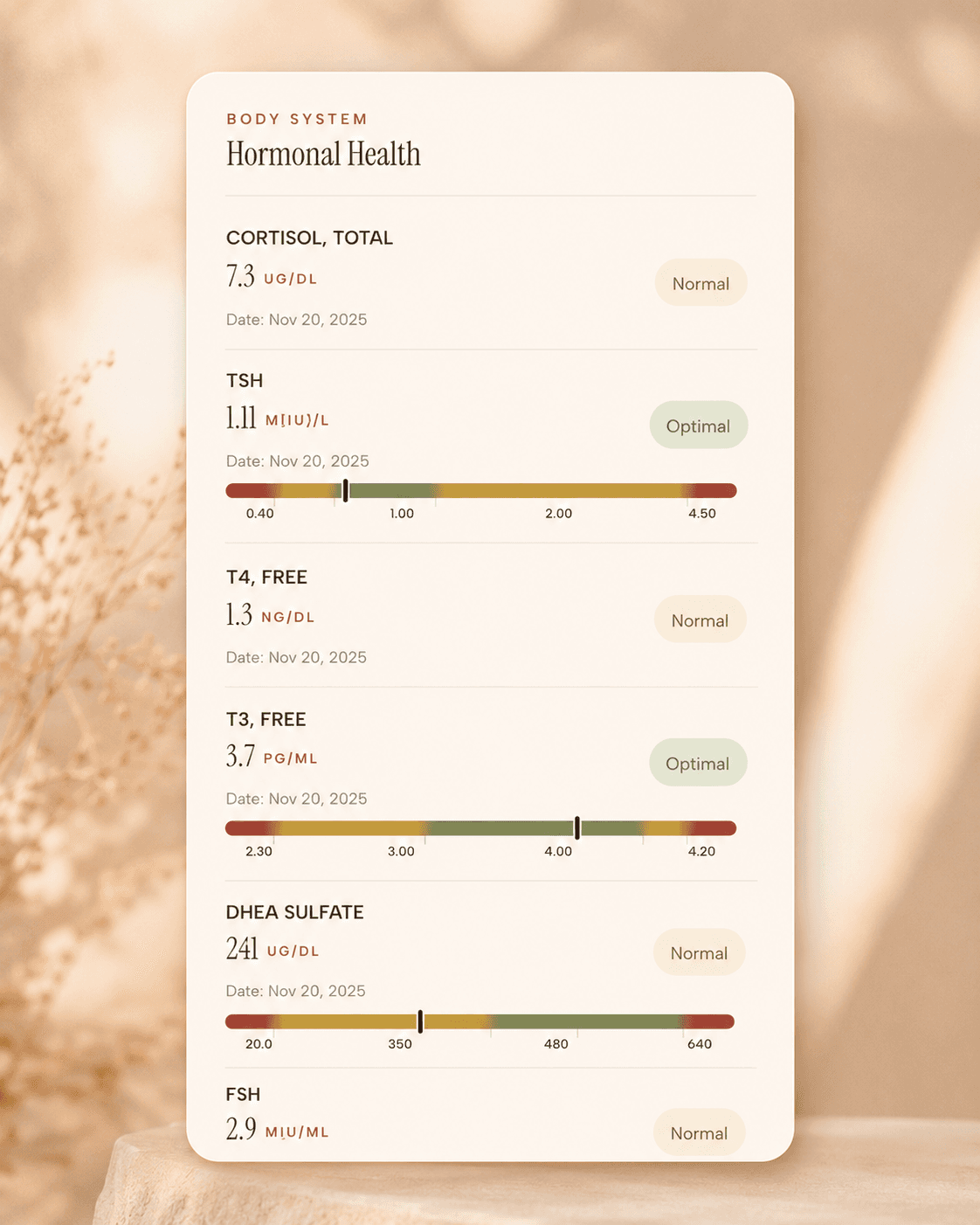
TSH is the master regulator of thyroid function, controlling the production of thyroid hormones T4 and T3. In functional medicine, we use narrower TSH ranges than conventional medicine to identify subclinical thyroid dysfunction early. Even mildly elevated TSH can indicate thyroid insufficiency, leading to fatigue, weight gain, depression, and metabolic dysfunction. TSH levels are influenced by stress, nutrient deficiencies, autoimmune conditions, and environmental toxins. Optimal TSH supports energy, metabolism…
Learn moreDhea Sulfate
DHEA-S levels reflect adrenal function and decline naturally with age. It's used to evaluate adrenal tumors, congenital adrenal hyperplasia, and androgen excess conditions like PCOS. Some consider it a marker of biological aging and stress resilience. DHEA-Sulfate (DHEA-S) is a hormone produced by the adrenal glands that serves as a precursor to sex hormones (testosterone and estrogen). It's the most abundant steroid hormone in the body.
Learn moreLab testing
Get testosterone, TSH, and free T4 checked at Quest
starting from $99 panel with 100+ tests, one visit
No referral needed
About 1 week
Schedule online — results typically within a week
Clear next steps
Guidance included, with follow-up care available
HSA / FSA
Eligible for pre-tax health spending accounts
Pro Tips
Try a “two-week flush log” that takes under a minute: write the time, rate the heat 1–10, and note what happened right before (food, alcohol, stress, workout, shower, or a medication dose). You’re looking for repeatable patterns, not perfection.
If your hot flashes are mostly at night, put a cold pack in a thin towel by the bed and use it on your neck or upper chest for 60 seconds when a flash hits. Cooling those areas can shorten the episode and get you back to sleep faster.
If you suspect a medication link, test timing before you quit anything: take your usual dose, then note whether a flash reliably shows up within the same window. That timing clue is incredibly helpful for your prescriber when adjusting the plan.
When you get testosterone tested, do it in the morning and avoid a brutal workout and heavy alcohol the night before, because both can temporarily shift levels. If it’s low, ask for a repeat test before you make big decisions.
If you also have a racing heart, tremor, or unexplained weight loss, move thyroid testing higher on your list. A low TSH with symptoms is one of the clearest “don’t ignore this” lab patterns for heat episodes.
Frequently Asked Questions
Can men really get hot flashes?
Yes. Men can get true hot flashes when hormone signals change, especially with low testosterone or with prostate cancer treatments that block testosterone. Thyroid overactivity and some medications can also trigger the same flushing-and-sweating pattern. If it’s new or worsening, tracking timing and getting a few targeted labs can clarify the cause.
What does low testosterone hot flashes feel like?
It often feels like a sudden wave of heat in your chest, neck, and face, followed by sweating and sometimes chills afterward. Many men also notice fatigue, lower libido, fewer morning erections, or mood changes at the same time. A morning total testosterone test is the usual starting point, and repeating it helps confirm the pattern.
Are hot flashes in men a sign of cancer?
Hot flashes themselves are not a typical first sign of cancer, but cancer treatments—especially androgen-deprivation therapy for prostate cancer—commonly cause them. If you have unexplained weight loss, persistent fevers, swollen lymph nodes, or drenching night sweats for weeks, that’s a reason to get evaluated promptly. Otherwise, start with the common causes like hormones, thyroid, and medication timing.
What blood tests should I get for hot flashes as a man?
The most useful trio for triage is morning total testosterone, TSH, and free T4 because they cover two of the biggest drivers: low testosterone and thyroid overactivity. If testosterone is low, your clinician may add tests to look for the reason, but you usually start with confirmation first. Bring your symptom log to the visit so the lab results match your real-life pattern.
When should I worry about hot flashes and see a doctor urgently?
Get urgent care if a “hot flash” comes with chest pain, fainting, severe shortness of breath, confusion, or a new irregular heartbeat, because those are not typical vasomotor symptoms. Also get checked quickly if you have persistent fever or drenching night sweats that soak the sheets for more than 1–2 weeks. If it’s uncomfortable but stable, schedule a visit and ask specifically about testosterone and thyroid testing.
What research says
North American Menopause Society position statement on nonhormone therapy for vasomotor symptoms (useful for men on androgen-deprivation therapy too)
Endocrine Society clinical practice guideline on testosterone therapy in men with hypogonadism
American Thyroid Association guidelines for diagnosis and management of hyperthyroidism and other causes of thyrotoxicosis