Hot Flashes in Pregnant Women: What They Mean and What Helps
Hot flashes in pregnant women usually come from hormone surges, higher metabolism, or low iron/thyroid shifts. Targeted labs available—no referral needed.






Hot flashes in pregnancy are usually caused by big hormone shifts (especially estrogen and progesterone), increased blood flow and metabolism, and sometimes a “look-alike” issue like low iron or thyroid overactivity. They can feel intense because pregnancy already runs warmer, so your brain’s temperature control center (hypothalamus) triggers sweating and flushing faster than it used to. Simple blood tests can help sort out whether this is normal pregnancy physiology or something treatable. If you’re waking up drenched, turning bright red in meetings, or feeling like your body is running a space heater, you’re not imagining it. Pregnancy changes how you regulate heat, how much blood you circulate, and how sensitive you are to stress, food, and warm rooms. Most of the time it’s annoying but harmless, yet it’s still worth checking for a few common culprits that can make the symptom much worse. If you want help deciding what fits your exact week of pregnancy and symptom pattern, PocketMD can walk you through it, and targeted labs can add clarity when the story is fuzzy.
Why you’re getting hot flashes while pregnant
Hormone surges reset your thermostat
Early and mid-pregnancy hormone swings can make your brain’s thermostat more jumpy, so small changes in room temperature, stress, or a hot drink can flip you into a flush. That sudden wave of heat is your body trying to cool down fast by widening skin blood vessels and turning on sweat. If your flashes started around the first trimester and come in short bursts, this “sensitive thermostat” pattern is a common explanation.
Higher blood flow makes you feel warmer
Pregnancy increases your blood volume and pushes more blood toward your skin, which can make you feel hot and look flushed even when you are not sick. The sensation can be strongest after meals, after a shower, or when you stand up quickly because your circulation is working harder. A practical takeaway is to treat heat like a trigger: dress in layers you can peel off fast and keep a cool drink nearby when you know you’ll be on your feet.
Overheating from sleep and bedding
Nighttime hot flashes often have a simple driver: you are insulated like it’s winter, but your pregnant body is already producing more heat. Once you start sweating, damp pajamas and sheets trap heat and wake you up again, which turns one flush into a long, miserable night. If your symptoms are mainly at night, changing your sleep setup can make a bigger difference than changing your diet.
Low iron can mimic hot flashes
When your iron stores drop, your heart may beat faster to deliver oxygen, and that “revved up” feeling can come with warmth, sweating, and lightheadedness. It can feel like a hot flash, but the clue is that you also tire easily, get short of breath with stairs, or crave ice. Ferritin and a complete blood count can confirm it, and treating iron deficiency often improves the heat episodes within a few weeks.
Thyroid overactivity runs you hot
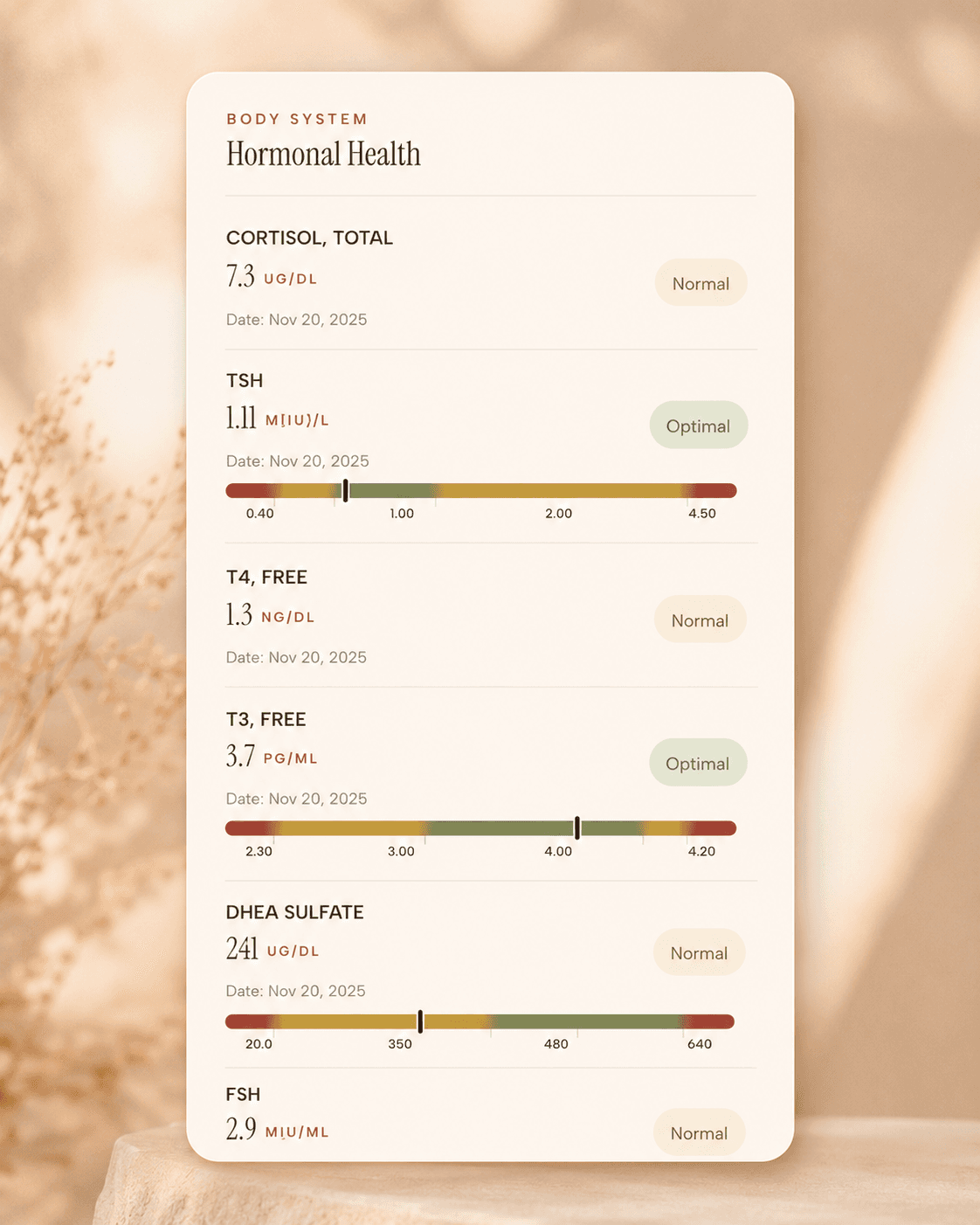
If your thyroid is overactive, your metabolism speeds up, which can cause heat intolerance, sweating, shakiness, and a racing heart that feels out of proportion to the situation. Pregnancy can unmask thyroid problems, and the symptoms can overlap with “normal” pregnancy in a way that is easy to miss. If your hot flashes come with persistent palpitations, tremor, or unexplained weight loss, ask for TSH and free T4 rather than assuming it’s just hormones.
What actually helps with pregnancy hot flashes
Build a fast cooling routine
When a flash hits, you want a repeatable plan your body learns to trust. Try stepping into cooler air, placing a cold pack on the back of your neck, and taking slow breaths for 60 seconds so the surge passes without spiraling into panic. Keeping a small gel pack in the freezer and a handheld fan in your bag sounds simple, but it can cut the intensity dramatically.
Change your sleep microclimate
If nights are the worst, focus on airflow and fabrics rather than willpower. A bedside fan, breathable cotton or moisture-wicking pajamas, and lighter bedding reduce the “sweat, wake, overheat again” cycle. If you wake up soaked, changing into a dry top can help you fall back asleep faster than trying to tough it out.
Eat to avoid heat spikes
Big, heavy meals can trigger warmth because digestion generates heat and pushes blood toward your gut. You may do better with smaller meals and a protein-forward snack in the evening so your blood sugar stays steadier overnight. If spicy foods reliably trigger a flush, it is okay to pause them for a few weeks and reintroduce later.
Treat iron deficiency if present
If ferritin or hemoglobin is low, correcting iron deficiency is one of the most “fixable” causes on this page. Many people tolerate iron better when they take it every other day, and taking it with vitamin C can improve absorption, while taking it with calcium can reduce it. Your prenatal provider can guide dosing, but the key point is that you do not have to live with heat episodes that are being driven by low iron.
Know when to call your clinician
Hot flashes are common, but some situations deserve a same-day check. If you also have fever, severe headache, chest pain, fainting, shortness of breath at rest, or you cannot keep fluids down, you should contact your obstetric team or urgent care because dehydration and infection can escalate quickly in pregnancy. If the main issue is frequent palpitations or tremor, ask specifically about thyroid testing.
Useful biomarkers to discuss with your clinician
Ferritin
Ferritin is your body's iron storage protein, reflecting total iron stores in the body. In functional medicine, ferritin assessment is crucial for identifying both iron deficiency and iron overload, conditions that can significantly impact energy levels and overall health. Low ferritin is the earliest sign of iron deficiency, often occurring before anemia develops. This can cause fatigue, weakness, restless leg syndrome, and cognitive impairment. Conversely, elevated ferritin may indicate iron overload, inflamma…
Learn moreHemoglobin
Hemoglobin is the iron-containing protein in red blood cells that actually carries oxygen throughout your body. In functional medicine, hemoglobin is considered one of the most important markers of oxygen-carrying capacity and overall vitality. Low hemoglobin (anemia) significantly impacts energy levels, cognitive function, exercise tolerance, and quality of life. Even mild decreases can cause fatigue and reduced performance. Hemoglobin levels are influenced by iron status, vitamin B12, folate, protein intake, a…
Learn moreTSH
TSH is the master regulator of thyroid function, controlling the production of thyroid hormones T4 and T3. In functional medicine, we use narrower TSH ranges than conventional medicine to identify subclinical thyroid dysfunction early. Even mildly elevated TSH can indicate thyroid insufficiency, leading to fatigue, weight gain, depression, and metabolic dysfunction. TSH levels are influenced by stress, nutrient deficiencies, autoimmune conditions, and environmental toxins. Optimal TSH supports energy, metabolism…
Learn moreLab testing
Get TSH, free T4, ferritin, and CBC checked at Quest
starting from $99 panel with 100+ tests, one visit
No referral needed
About 1 week
Schedule online — results typically within a week
Clear next steps
Guidance included, with follow-up care available
HSA / FSA
Eligible for pre-tax health spending accounts
Pro Tips
Try a 10-day “flash log” where you rate each episode 1–10 and write what happened in the 30 minutes before it. Patterns like warm showers, spicy meals, or rushing around often pop out faster than you expect.
If you get flushed after prenatal vitamins, check whether they contain niacin (vitamin B3), which can cause a harmless but dramatic skin flush in some people. Switching brands or taking it with food can help—ask your clinician before changing supplements.
Keep a spare dry shirt by the bed. Changing quickly after a night sweat prevents the damp fabric from trapping heat and can shorten the time you’re awake.
Use “neck cooling” on purpose: a cold washcloth or gel pack on the back of your neck cools blood headed to your brain and can stop a flash from building.
If you’re also getting palpitations, take your pulse during an episode for 30 seconds and write it down. A resting rate that repeatedly jumps above about 120 beats per minute is a useful data point to bring to your obstetric team.
Frequently Asked Questions
Are hot flashes normal during pregnancy?
Yes, they can be normal because pregnancy hormones and increased blood flow make your body run warmer and sweat more easily. They are especially common in the first and third trimesters, and they often come in short waves that pass within minutes. If you also have fever, fainting, chest pain, or severe shortness of breath, get checked the same day.
Why am I getting hot flashes at night while pregnant?
Nighttime hot flashes are often a mix of a warmer baseline body temperature and a sleep environment that traps heat, so once you start sweating you keep overheating. Heavy bedding, warm rooms, and tight sleepwear can turn one episode into repeated wake-ups. Try lowering the room temperature a couple degrees, using a fan, and switching to breathable fabrics for a week and see if the pattern changes.
Can low iron cause hot flashes in pregnancy?
Low iron can make you feel hot, sweaty, and “amped up” because your body compensates with a faster heart rate and a stronger stress response. Ferritin is the most helpful test for iron stores, and values below about 30 ng/mL often suggest depletion even before severe anemia shows up. If you suspect this, ask for ferritin and a CBC so you can treat the real driver.
Can thyroid problems cause hot flashes while pregnant?
Yes. An overactive thyroid can cause heat intolerance, sweating, tremor, and a racing heart that feels out of proportion to normal pregnancy. The first step is usually a TSH test, and if it is low your clinician will often add free T4 to confirm whether thyroid hormone is actually high. If you have persistent palpitations or shakiness, bring it up directly rather than assuming it is just pregnancy.
When should I worry about hot flashes in pregnancy?
You should get urgent advice if hot flashes come with fever, confusion, severe headache, chest pain, fainting, or signs of dehydration like very dark urine and inability to keep fluids down. Those combinations can point to infection, heat illness, or other problems that need quick treatment. If the episodes are frequent but you otherwise feel okay, it is still reasonable to ask about ferritin and thyroid tests at your next visit.