Night Sweats in Pregnancy: What They Mean and What Helps
Night sweats in pregnant women usually come from hormone shifts, a faster metabolism, or a warm sleep setup. Targeted labs available, no referral needed.





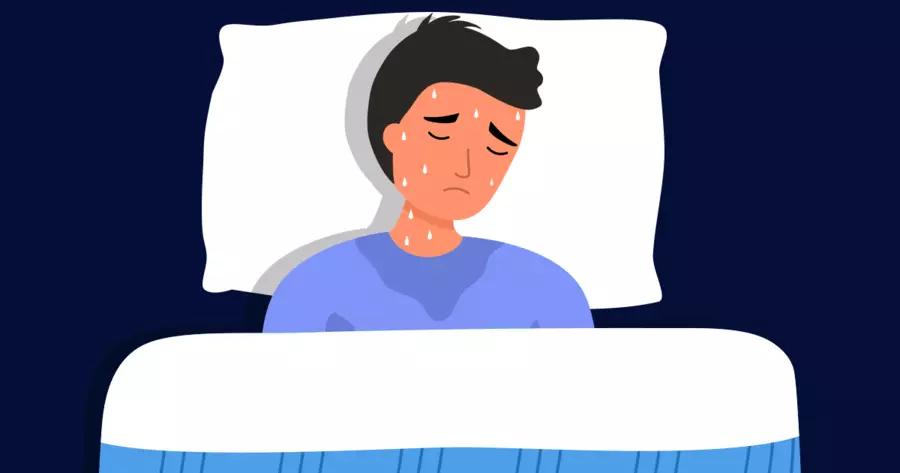
Night sweats in pregnancy are most often caused by normal hormone shifts, a higher metabolic “heat output,” and sleep conditions that trap heat. Less often, they are your body’s signal that something else is going on, such as an overactive thyroid or an infection, and targeted blood tests can help sort out which one fits you. If you’re waking up damp or even drenched, it can feel alarming and exhausting, especially when you’re already trying to protect your sleep. The tricky part is that pregnancy changes your temperature regulation and circulation in ways that make sweating easier to trigger, but the same symptom can also overlap with fever, anxiety surges, or thyroid changes. In this guide, you’ll learn the most common reasons it happens, what actually helps in real life, and which labs are worth considering. If you want help matching your exact pattern to the most likely cause, PocketMD and a small set of VitalsVault labs can be useful tools.
Why you’re sweating at night in pregnancy
Hormone shifts reset your thermostat
Pregnancy hormones, especially rising progesterone and estrogen, change how your brain’s temperature control center (hypothalamus) responds to heat. That means you can start sweating at a temperature that used to feel totally fine, and it often shows up as a sudden “wave” of heat at night. If this is your main driver, you’ll usually feel otherwise well and the sweating tends to come and go with trimester changes.
Your body runs hotter on purpose
During pregnancy, your blood volume and metabolic rate increase, which is your body’s way of supporting the placenta and your growing baby. The “so what” is simple: you generate more heat, and at night you have fewer ways to dump it, so you wake up sweaty even in a cool room. This is especially common if you fall asleep warm and then your bedding traps that heat.
Warm sleep setup traps heat
Even when the root cause is hormonal, your environment can be the difference between mild dampness and soaked pajamas. Memory-foam mattresses, heavy duvets, flannel sheets, and tight sleepwear hold heat close to your skin, which pushes you over your sweating threshold. A quick experiment is to change just one variable for three nights, like switching to breathable cotton or lowering the room temperature by 1–2°C, and see if the sweating intensity changes.
Thyroid overactivity can mimic pregnancy heat
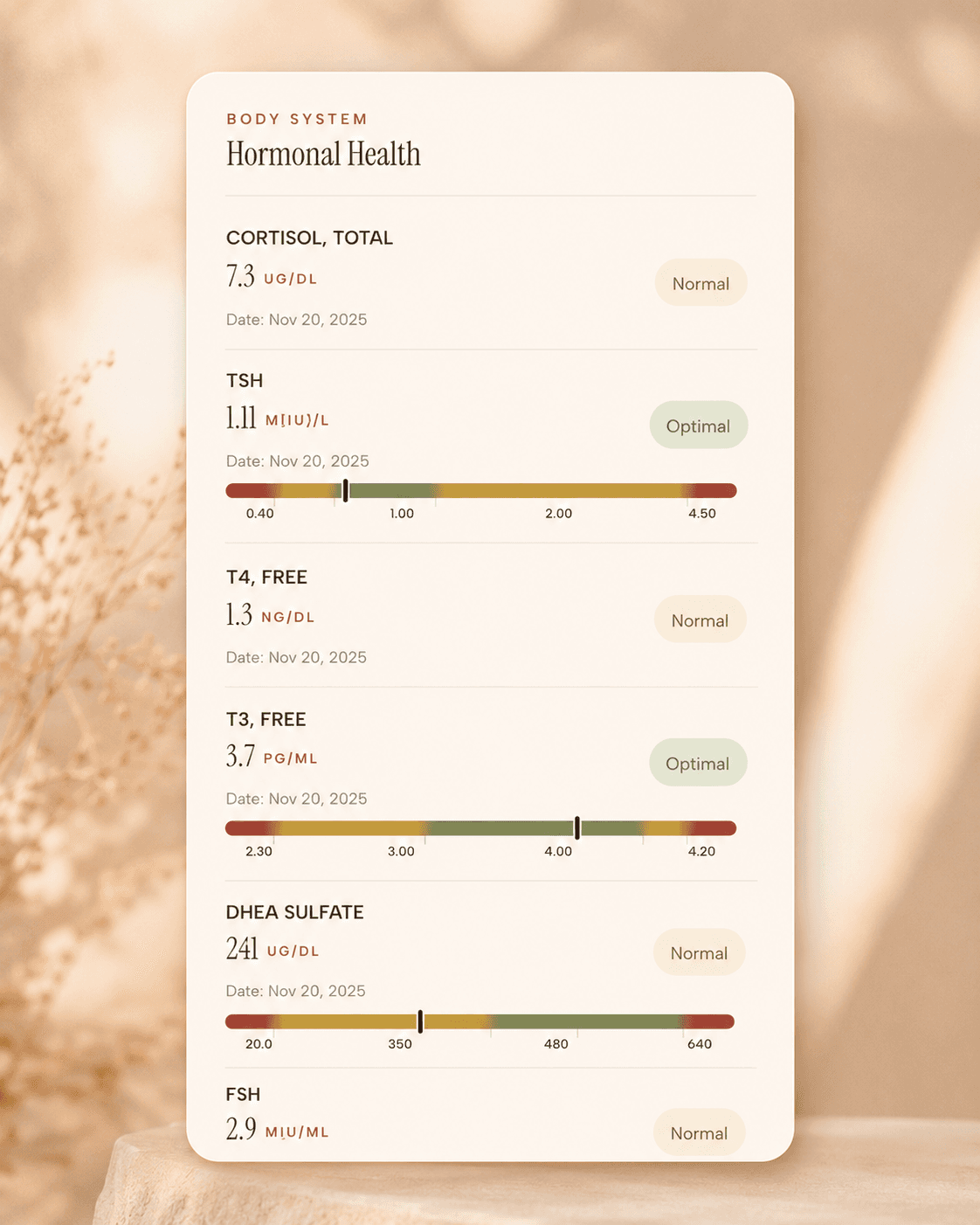
Pregnancy can unmask or worsen an overactive thyroid, where your body is essentially stuck in a higher “idle speed.” When that happens, night sweats often come with extra clues like a racing heart, tremor, frequent stools, or feeling unusually wired even when you’re tired. If you notice those signs, checking TSH and free T4 is a practical next step because treating thyroid imbalance can make the sweating and sleep disruption improve.
Infection or fever needs attention
Sometimes night sweats are your body cooling itself after a fever spike, and pregnancy can make infections harder to ignore because you’re already fatigued. The red flags are sweats paired with a measured fever (38°C/100.4°F or higher), chills, painful urination, persistent cough, shortness of breath, or feeling genuinely unwell. If any of those are present, contact your obstetric team promptly, because infections like UTIs can escalate faster in pregnancy and early treatment matters.
What actually helps you sleep drier
Cool the room, not just yourself
Aim for a bedroom temperature that feels almost slightly cool when you first get in bed, because your body will warm the space quickly. A fan aimed across the bed (not directly at your face) helps evaporate sweat, which is what actually cools you down. If you can’t change the thermostat, cracking a window or using a small bedside fan often makes a noticeable difference within a night or two.
Use breathable layers you can peel
One thick blanket tends to trap heat, while two lighter layers let you adjust without fully waking up. Choose cotton or bamboo sleepwear and sheets, because they release heat and moisture better than synthetics. If you’re soaking the bed, adding a washable absorbent pad under your torso can save your mattress and reduce the stress of middle-of-the-night sheet changes.
Time your shower and hydration
A warm shower right before bed can backfire because your body holds onto that heat once you’re under covers. Try showering 60–90 minutes before sleep, or finish with 30–60 seconds of cooler water so your skin temperature drops. If you’re waking sweaty, take a few sips of water and give your body a minute to cool before piling blankets back on.
Reduce “heat spikes” after dinner
Big, spicy, or very sugary meals can raise your body temperature for a few hours because digestion itself generates heat. If your sweating is worst in the first half of the night, experiment with a smaller dinner and a bland, protein-forward snack earlier in the evening. You’re not trying to diet in pregnancy; you’re trying to smooth out the temperature swings that wake you up.
Treat the underlying trigger when present
If your night sweats come with palpitations, tremor, or unexplained weight loss, ask about thyroid testing because correcting a thyroid problem can be a direct fix. If they come with fever, urinary symptoms, or a new cough, the right move is evaluation and treatment rather than more cooling tricks. The goal is to stop the sweating at the source, not just manage the wet sheets.
Useful biomarkers to discuss with your clinician
Progesterone
While primarily known as a female hormone, progesterone plays important roles in men including neuroprotection, sleep quality, and as a precursor to other hormones. In functional medicine, male progesterone assessment helps evaluate overall hormone synthesis pathways and stress response. Low progesterone in men may indicate chronic stress or adrenal dysfunction, while optimal levels support brain health and sleep quality. Progesterone in men supports neurological health, sleep quality, and serves as a building b…
Learn moreEstradiol
Estradiol in men is produced from testosterone via aromatase enzyme. In functional medicine, we recognize that men need optimal estradiol levels for bone health, cognitive function, and cardiovascular protection. However, excessive estradiol can suppress testosterone production and cause feminizing effects. The testosterone-to-estradiol ratio is crucial for male health, with optimal balance supporting vitality while preventing estrogen dominance. Balanced estradiol levels in men support bone health and cognitive…
Learn moreTSH
TSH is the master regulator of thyroid function, controlling the production of thyroid hormones T4 and T3. In functional medicine, we use narrower TSH ranges than conventional medicine to identify subclinical thyroid dysfunction early. Even mildly elevated TSH can indicate thyroid insufficiency, leading to fatigue, weight gain, depression, and metabolic dysfunction. TSH levels are influenced by stress, nutrient deficiencies, autoimmune conditions, and environmental toxins. Optimal TSH supports energy, metabolism…
Learn moreLab testing
Get TSH, free T4, CBC, and CRP checked at Quest
starting from $99 panel with 100+ tests, one visit
No referral needed
About 1 week
Schedule online — results typically within a week
Clear next steps
Guidance included, with follow-up care available
HSA / FSA
Eligible for pre-tax health spending accounts
Pro Tips
Do a 7-night “one change at a time” test: keep your bedtime the same, but change only one variable (room temp, blanket, pajamas, or fan). You’ll learn your biggest lever faster than by guessing.
If you wake up drenched, sit up and let your skin air-dry for 2–3 minutes before you cover back up. Evaporation is your body’s cooling system, and trapping wet fabric against your skin keeps you hot.
Put a spare T-shirt and a small towel within arm’s reach so you can swap quickly without fully waking. Reducing the disruption can matter as much as reducing the sweat.
If the sweating is worst after vivid dreams or sudden wake-ups, try a slower wind-down and a consistent pre-bed routine, because adrenaline surges can trigger sweating even when the room is cool.
Take your temperature when you feel sweaty and shaky, not the next morning. A real fever pattern (38°C/100.4°F or higher) changes the plan from comfort measures to getting checked.
Frequently Asked Questions
Are night sweats normal during pregnancy?
They can be, especially in the first and third trimesters when hormone levels and blood flow are changing quickly. Most pregnancy night sweats are not dangerous if you otherwise feel well and you do not have a fever. If you’re soaking the bed nightly or you have symptoms like palpitations, weight loss, or chills, it’s worth discussing thyroid tests (TSH and free T4) and basic infection screening with your clinician.
When should I worry about night sweats while pregnant?
Worry less about the sweat itself and more about what comes with it. Call your obstetric team promptly if you have a measured fever of 38°C/100.4°F or higher, painful urination, persistent cough, shortness of breath, or you feel significantly unwell. Those combinations can point to an infection that needs treatment rather than home cooling strategies.
Can pregnancy night sweats mean I have an infection?
Yes, especially if the sweating happens with fever, chills, body aches, urinary burning, or new respiratory symptoms. Night sweats can be your body trying to cool down after a temperature spike, which is why checking your temperature during an episode is useful. If you suspect infection, a CBC and CRP can support the picture, but you still need clinical evaluation to find the source.
Can thyroid problems cause night sweats in pregnancy?
They can, because an overactive thyroid makes your body run “fast,” which often feels like heat intolerance, sweating, a racing heart, and trouble sleeping. The most helpful first labs are TSH and free T4, interpreted using pregnancy-specific ranges. If you have night sweats plus palpitations or tremor, ask for thyroid testing rather than assuming it’s just hormones.
What’s the fastest way to stop night sweats during pregnancy?
The fastest wins usually come from your sleep environment: cool the room, use breathable layers, and add a fan to improve evaporation. If that helps but doesn’t fully fix it, look for a pattern, such as worse sweats after a large dinner or on nights you go to bed already warm. If you also have fever or thyroid-type symptoms, the fastest path is getting checked, because treating the underlying trigger is what stops the cycle.
Research and guidelines
ACOG guidance on thyroid disease in pregnancy (screening and management principles)
American Thyroid Association guidelines for diagnosis and management of thyroid disease during pregnancy and postpartum
ACOG Clinical Consensus on urinary tract infections in pregnant individuals (why prompt evaluation matters)