Hot Flashes in Postpartum Women: What’s Going On and What Helps
Hot flashes in postpartum women often come from estrogen drops, sleep loss, or thyroid shifts after pregnancy. Targeted labs at Quest—no referral needed.





Hot flashes after having a baby are usually your hormones recalibrating fast, especially a sharp drop in estrogen and progesterone, plus sleep loss that makes your brain’s thermostat more reactive. They can also happen when your thyroid gets temporarily inflamed after pregnancy, which can feel like “overheating” with a racing heart. Simple blood tests can help sort out which of these is driving your symptoms. If you’re waking up drenched, flushing during feeds, or suddenly feeling hot and sweaty in the middle of the day, you’re not imagining it. Postpartum hot flashes are common in the first weeks, but they can also show up later, especially if you’re breastfeeding, under-sleeping, or dealing with anxiety. This page walks you through the most likely causes, what tends to help in the real world, and which labs are worth considering. If you want help matching your exact pattern to the most likely cause, PocketMD can talk it through with you, and Vitals Vault labs can help you confirm what’s going on.
Why you’re getting postpartum hot flashes
Estrogen drops after delivery
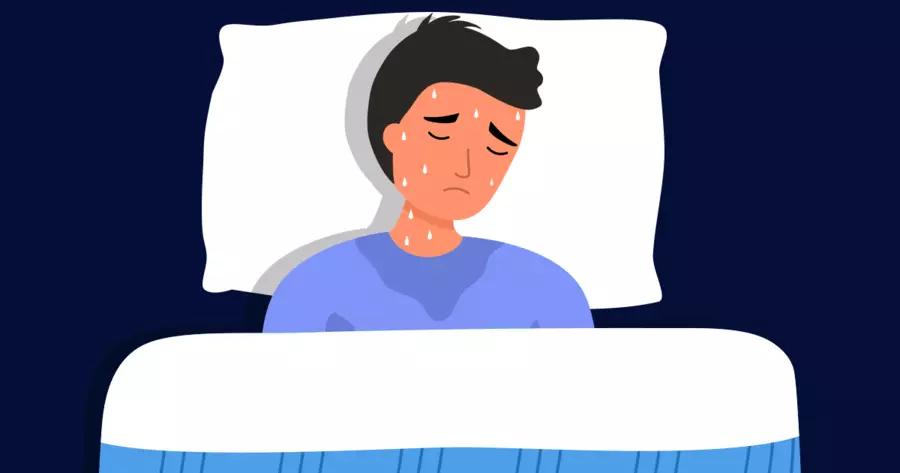
Right after birth, estrogen and progesterone fall quickly because the placenta is gone, and your brain’s temperature control center (hypothalamus) can become extra sensitive during that shift. That sensitivity can make a small change in room temperature, stress, or a warm shower feel like a sudden internal heat wave. If your hot flashes started in the first days to weeks postpartum and come with night sweats, this hormone drop is often the main driver.
Breastfeeding keeps estrogen low
When you breastfeed, your body makes more prolactin, which helps milk production but also tends to suppress ovulation and keep estrogen on the lower side. Lower estrogen can make flushing and night sweats linger longer than you expected, even if everything else feels “back to normal.” A practical clue is timing: if flashes cluster around feeds or pumping sessions, that hormone pattern may be part of the story.
Sleep deprivation amplifies heat surges
Broken sleep changes stress hormones and makes your nervous system more “on,” which can widen the swing between feeling chilled and suddenly overheated. You might notice hot flashes are worse after a night of frequent wake-ups, even if you ate the same foods and kept the same routine. The takeaway is not “sleep more” (you’re trying), but that protecting one longer stretch of sleep can meaningfully reduce episodes.
Postpartum thyroiditis (thyroid inflammation)
Some people develop temporary thyroid inflammation after pregnancy, and the early phase can act like an overactive thyroid, which revs up your metabolism. That can feel like heat intolerance, sweating, shakiness, and a fast heartbeat that doesn’t match what you’re doing. If your hot flashes come with palpitations, unexplained weight change, or new anxiety, it’s worth checking thyroid labs rather than assuming it’s “just hormones.”
Anxiety or panic heat spikes
Postpartum anxiety can show up in your body as sudden surges of adrenaline, which pushes blood to your skin and triggers sweating. These episodes often peak quickly, and they may come with chest tightness, tingling, or a sense of dread that feels out of proportion to the moment. If you’re also having intrusive worries or feeling constantly keyed up, treating the anxiety can reduce the hot flashes, not just improve your mood.
What actually helps postpartum hot flashes
Build a “cool-down” routine
When a flash hits, your goal is to help your body dump heat fast without triggering a rebound chill. Try a cool drink, a fan aimed at your face and upper chest, and a cool pack wrapped in a thin cloth on the back of your neck for 3–5 minutes. If you do this early in the episode, many people shorten the intensity and avoid the sweaty crash afterward.
Adjust sleep setup, not willpower
Night sweats are easier to manage when your bed helps you, not fights you. Use breathable layers you can peel off quickly, and keep a spare shirt and towel within arm’s reach so you’re not fully waking your brain to change clothes. If you can arrange one protected 3–4 hour block of sleep with a partner or support person a few nights a week, hot flashes often calm down within days.
Identify your personal triggers
Postpartum hot flashes can be very trigger-driven, but your triggers are usually specific. For two weeks, note the time of each episode, rate it from 1–10, and write what happened in the 30 minutes before, such as a hot drink, a feed, an argument, or rushing out the door. Patterns show up surprisingly fast, and then you can change one high-impact trigger at a time instead of guessing.
Treat thyroid issues when present
If labs suggest postpartum thyroiditis, the right treatment depends on the phase and how you feel. In the “revved up” phase, some people benefit from symptom control for tremor and palpitations, while the later “slowed down” phase may need temporary thyroid hormone support. The key is that treating the thyroid often improves heat intolerance and sweating more reliably than lifestyle tweaks alone.
Ask about safe hormone options
If hot flashes are severe and persistent, and especially if you’re not breastfeeding, it can be reasonable to discuss hormone-based options with your clinician. The right choice depends on your postpartum timing, clot risk, migraine history, and whether you have a history of estrogen-sensitive cancer or are on hormonal treatments. Bring a symptom log and your lab results so the conversation is specific to your body, not generic advice.
Useful biomarkers to discuss with your clinician
Estradiol
Estradiol in men is produced from testosterone via aromatase enzyme. In functional medicine, we recognize that men need optimal estradiol levels for bone health, cognitive function, and cardiovascular protection. However, excessive estradiol can suppress testosterone production and cause feminizing effects. The testosterone-to-estradiol ratio is crucial for male health, with optimal balance supporting vitality while preventing estrogen dominance. Balanced estradiol levels in men support bone health and cognitive…
Learn moreTSH
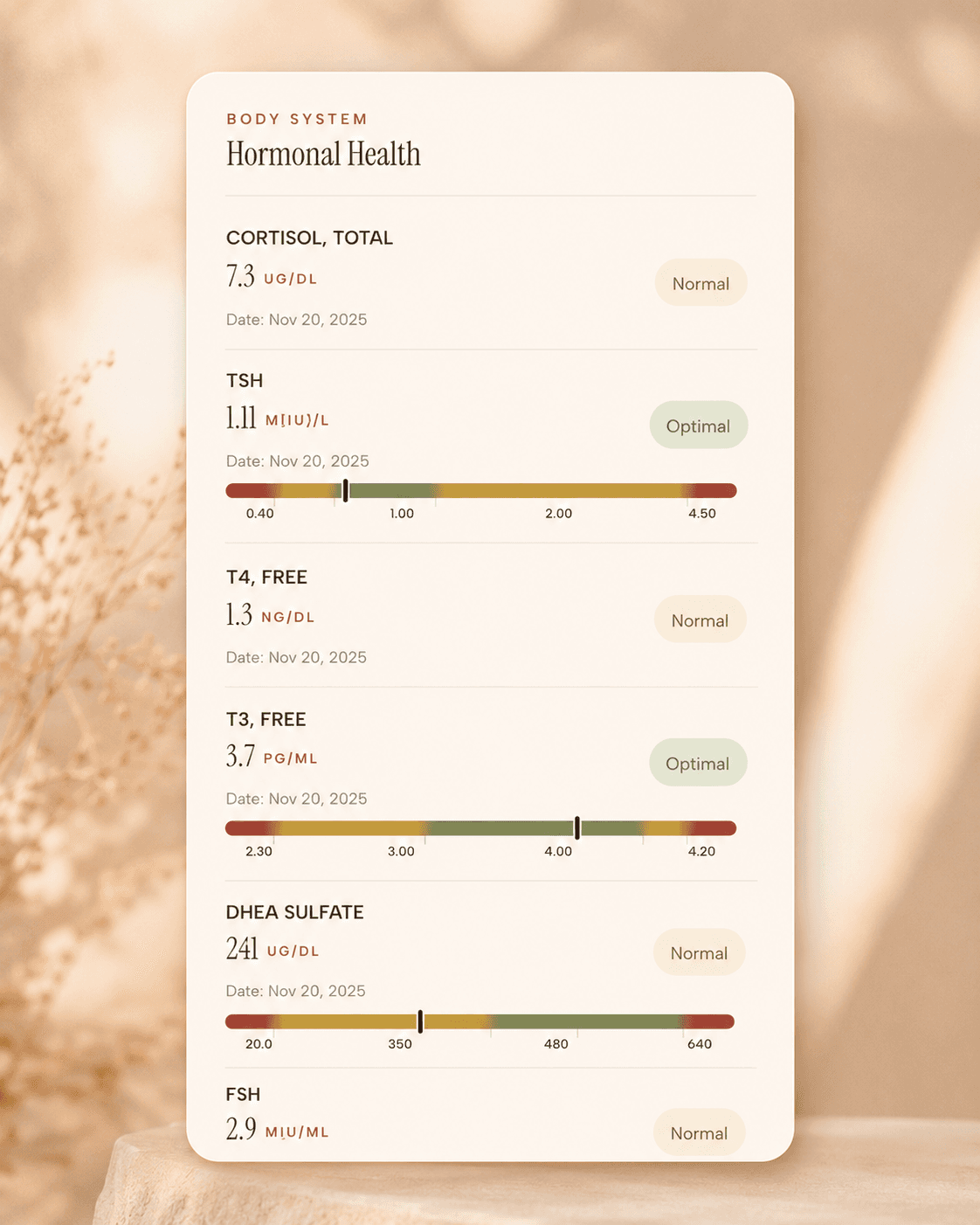
TSH is the master regulator of thyroid function, controlling the production of thyroid hormones T4 and T3. In functional medicine, we use narrower TSH ranges than conventional medicine to identify subclinical thyroid dysfunction early. Even mildly elevated TSH can indicate thyroid insufficiency, leading to fatigue, weight gain, depression, and metabolic dysfunction. TSH levels are influenced by stress, nutrient deficiencies, autoimmune conditions, and environmental toxins. Optimal TSH supports energy, metabolism…
Learn moreProgesterone
While primarily known as a female hormone, progesterone plays important roles in men including neuroprotection, sleep quality, and as a precursor to other hormones. In functional medicine, male progesterone assessment helps evaluate overall hormone synthesis pathways and stress response. Low progesterone in men may indicate chronic stress or adrenal dysfunction, while optimal levels support brain health and sleep quality. Progesterone in men supports neurological health, sleep quality, and serves as a building b…
Learn moreLab testing
Get TSH, Free T4, and estradiol checked at Quest
starting from $99 panel with 100+ tests, one visit
No referral needed
About 1 week
Schedule online — results typically within a week
Clear next steps
Guidance included, with follow-up care available
HSA / FSA
Eligible for pre-tax health spending accounts
Pro Tips
If you wake up soaked, put a towel on the bed and lie on top of it instead of changing all the sheets at 2 a.m. You can swap the towel in 30 seconds and protect your sleep momentum.
Try “pre-cooling” before the time you usually flush, such as right before an evening feed: run a fan for 10 minutes and keep your room a couple degrees cooler than you think you need. Preventing the spike is often easier than stopping it mid-flash.
If you suspect feeds trigger flashes, experiment with a cooler drink and a light layer you can open quickly during nursing. Small temperature changes around your chest and neck can reduce how intense the episode feels.
When you log episodes, include heart rate if you can (even a smartwatch estimate helps). Hot flashes with a sustained resting heart rate above your usual baseline can be a clue to thyroid shifts or anxiety rather than only low estrogen.
If you’re also getting headaches, vision changes, chest pain, or you feel faint during a hot flash, treat that as a separate red flag rather than “part of postpartum.” Get urgent care, because postpartum blood pressure problems and heart issues can overlap with sweating.
Frequently Asked Questions
How long do postpartum hot flashes last?
For many people, the worst hot flashes and night sweats happen in the first 1–2 weeks after delivery as estrogen and progesterone drop quickly. If you’re breastfeeding, lower estrogen can keep episodes going for longer, sometimes months, although they usually fade as sleep improves and your cycle returns. If symptoms are getting worse after the first month or come with palpitations and weight changes, ask for thyroid labs like TSH and Free T4.
Are hot flashes normal while breastfeeding?
They can be, because breastfeeding raises prolactin and often keeps estrogen lower, which makes flushing more likely. The pattern is often predictable, such as episodes during or right after feeds, and it may come with vaginal dryness or lower libido. If you also have a racing heart, tremor, or feeling “wired,” it’s smart to check TSH and Free T4 to rule out postpartum thyroiditis.
Can postpartum thyroiditis cause hot flashes and sweating?
Yes. In the early phase, postpartum thyroiditis can act like an overactive thyroid, which can cause heat intolerance, sweating, anxiety, and a fast heartbeat. A low TSH with a higher Free T4 supports that explanation, and treatment focuses on symptom control and monitoring because it often changes over time. If you suspect this, get labs and recheck them in follow-up rather than assuming it will self-resolve.
What’s the difference between hot flashes and postpartum night sweats?
A hot flash is usually a sudden wave of heat with flushing and sweating that can happen any time, while night sweats are the same process showing up during sleep and soaking your clothes or sheets. Both can come from postpartum hormone shifts, but night sweats are often worsened by warm bedding and room temperature. If you’re waking with drenching sweats plus fever or feeling truly sick, get evaluated because infection can mimic night sweats.
When should I worry about postpartum hot flashes?
Get checked urgently if hot flashes come with chest pain, fainting, severe shortness of breath, or a pounding heartbeat that won’t settle, because postpartum heart and blood pressure problems need quick attention. You should also reach out promptly if you have fever, uterine tenderness, or foul-smelling discharge, since infection can cause sweating and chills. For persistent but non-urgent symptoms, bring a 2-week log and consider labs like TSH, Free T4, and estradiol so you can target the right fix.