Mood Swings in Pregnancy: What’s Normal, What’s Not, and What You Can Do
Mood swings in pregnant women often come from hormone shifts, sleep loss, or thyroid changes. Targeted blood tests are available—no referral needed.






Mood swings in pregnancy usually come from fast hormone shifts, broken sleep, and stress chemistry that is running hotter than usual. Sometimes they are also a clue that something treatable is piling on, like a thyroid problem or iron deficiency, and simple labs can help sort that out. Even if you expected to feel “emotional,” it can still be unsettling when you cry over something small and then feel fine an hour later, or when irritability shows up out of nowhere and strains your relationships. The good news is that there are practical ways to steady your mood without pretending pregnancy is easy. This page walks you through the most common reasons mood swings happen, what tends to help in real life, and which blood tests can be worth checking. If you want help matching your exact pattern to likely causes, PocketMD can talk it through with you, and Vitals Vault labs can help you confirm (or rule out) common contributors.
Why Mood Swings Happen in Pregnancy
Hormone shifts change your brain
Pregnancy hormones rise quickly, and that changes how your brain uses calming and activating messengers like serotonin and GABA. The “so what” is that your emotional volume knob can feel stuck on high, so small frustrations hit harder and happy moments can feel extra intense too. If your swings are strongest in the first trimester or right after a big life stressor, this hormone-and-stress combo is often the main driver. A simple mood log that notes sleep, nausea, and conflict can help you see whether the swings track with physical symptoms or with situations.
Sleep loss makes emotions sharper
When you are sleeping lightly, waking to pee, or lying awake with a racing mind, your brain has less capacity to regulate feelings the next day. That is why you can feel weepy, snappy, or overwhelmed even when nothing “big” happened. This is especially common in the first and third trimesters, when nausea or physical discomfort breaks up sleep. If your worst mood days follow your worst nights, treating sleep as a medical priority (not a luxury) is often the fastest win.
Thyroid changes can mimic anxiety
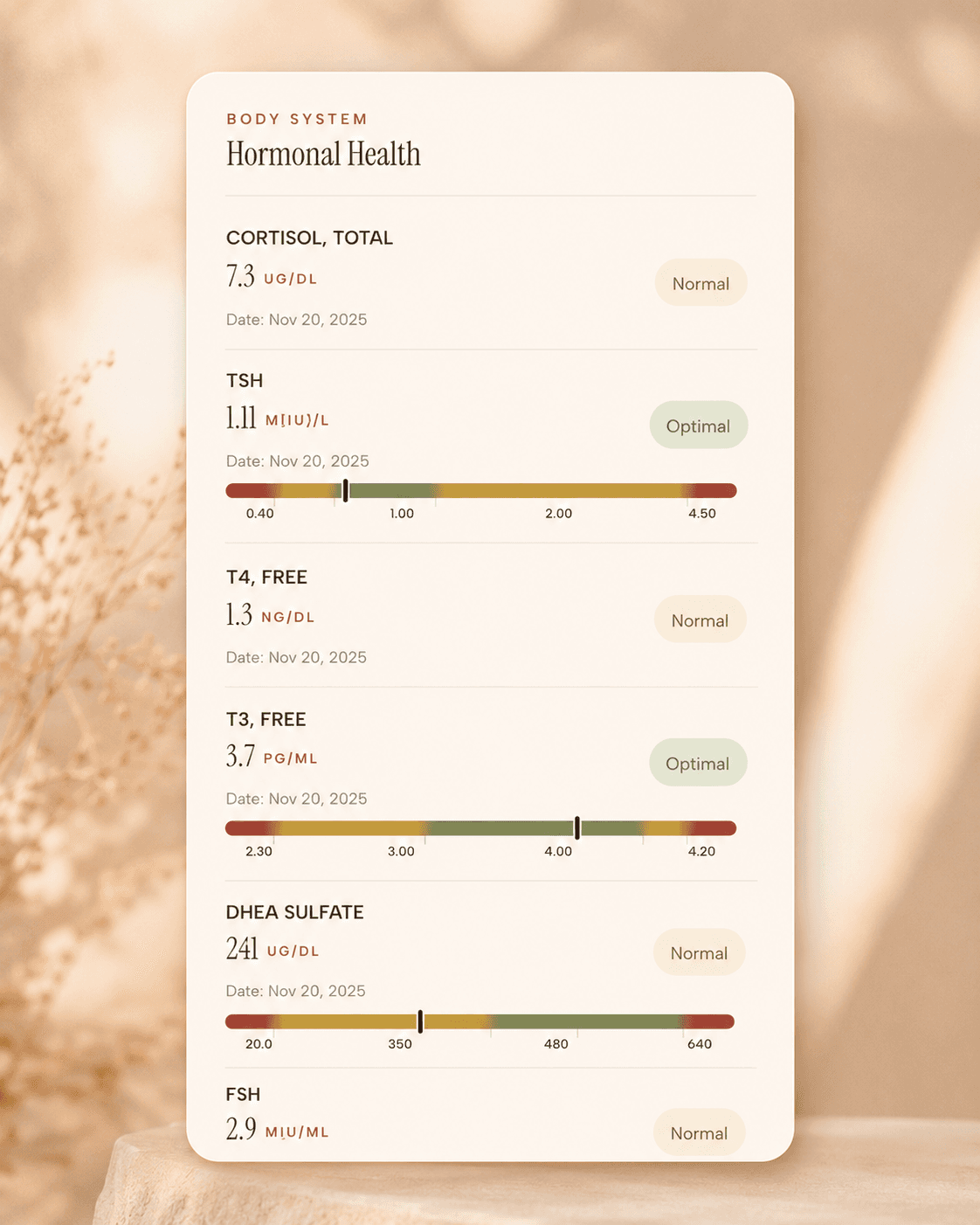
Pregnancy can unmask thyroid problems, and both an underactive and overactive thyroid can affect mood. When your thyroid is running too fast, you may feel wired, irritable, and unable to relax, while a slow thyroid can feel like low mood, brain fog, and emotional flatness. The tricky part is that these can look like “just pregnancy,” so they get missed. If mood swings come with heat intolerance, palpitations, constipation, or unusual fatigue, it is worth checking thyroid labs rather than guessing.
Low iron drains your coping reserve
Iron is not only about preventing anemia; it also supports oxygen delivery and brain energy, which affects how resilient you feel. When iron stores are low, you can feel exhausted, short-fused, and more emotionally reactive because everything takes more effort. This can show up even before your hemoglobin drops, which is why ferritin (your iron storage marker) matters. If you are also getting restless legs, headaches, or feeling winded, ask about iron testing and treatment options that are pregnancy-safe.
Depression or anxiety needs support
Sometimes mood swings are not just “up and down,” but a steady slide into sadness, numbness, panic, or constant worry that you cannot switch off. Pregnancy can be a vulnerable time for depression and anxiety, especially if you have a past history, limited support, or ongoing stress. If you are having thoughts of harming yourself, you feel unsafe, or you cannot function day to day, that is an urgent reason to reach out for help right away. Even when it is not an emergency, you deserve treatment, and therapy and pregnancy-safe medications can be life-changing.
What Actually Helps You Feel Steadier
Use a two-week mood map
Write down your mood once in the morning and once in the evening on a 1–10 scale, and add one sentence about sleep and the day’s biggest stressor. Patterns usually show up quickly, like “mood crashes after nights with <6 hours” or “irritability spikes when I skip breakfast.” That gives you something concrete to change, and it also gives your clinician better information than “I feel all over the place.” If you use an app, keep it simple so you actually stick with it.
Protect sleep with a plan
Pick one sleep problem to solve first, because trying to fix everything at once backfires. If you are waking to pee, shifting fluids earlier in the day and keeping the room cool can reduce wake-ups, and if nausea is the issue, a small protein snack before bed sometimes helps. When your mind is the problem, a 10-minute “worry list” earlier in the evening can stop the thoughts from ambushing you at 2 a.m. If insomnia is persistent, ask your OB or midwife about pregnancy-safe options rather than suffering in silence.
Stabilize blood sugar to stabilize mood
Pregnancy can make your blood sugar swing more dramatically, and those dips can feel like sudden irritability, shakiness, or tears that come out of nowhere. Eating breakfast with protein within an hour of waking, and pairing carbs with protein or fat at snacks, often smooths the emotional roller coaster. This is not about dieting; it is about keeping your brain fueled. If you also feel faint, sweaty, or ravenous between meals, mention it at prenatal visits so you can be screened appropriately.
Treat iron deficiency if present
If your ferritin is low, treating it can improve fatigue and your ability to cope, which often softens mood swings. Many people tolerate iron better when they take it every other day, and taking it with vitamin C can improve absorption, while calcium-containing foods can interfere if taken at the same time. Your prenatal vitamin may not be enough to rebuild low stores, so dosing should be individualized. Work with your clinician on the right form and dose, especially if constipation is already an issue.
Get targeted mental health care
If your mood swings come with persistent anxiety, intrusive thoughts, hopelessness, or you feel disconnected from yourself, you do not have to “wait it out.” Therapy that focuses on skills (like CBT) can help quickly, and for moderate to severe symptoms, medication can be appropriate in pregnancy after a risk–benefit discussion. The goal is not to make you numb; it is to help you function and feel like yourself again. Bring a specific example of your hardest moments to your appointment so you can get matched to the right level of support.
Useful biomarkers to discuss with your clinician
Ferritin
Ferritin is your body's iron storage protein, reflecting total iron stores in the body. In functional medicine, ferritin assessment is crucial for identifying both iron deficiency and iron overload, conditions that can significantly impact energy levels and overall health. Low ferritin is the earliest sign of iron deficiency, often occurring before anemia develops. This can cause fatigue, weakness, restless leg syndrome, and cognitive impairment. Conversely, elevated ferritin may indicate iron overload, inflamma…
Learn moreTSH
TSH is the master regulator of thyroid function, controlling the production of thyroid hormones T4 and T3. In functional medicine, we use narrower TSH ranges than conventional medicine to identify subclinical thyroid dysfunction early. Even mildly elevated TSH can indicate thyroid insufficiency, leading to fatigue, weight gain, depression, and metabolic dysfunction. TSH levels are influenced by stress, nutrient deficiencies, autoimmune conditions, and environmental toxins. Optimal TSH supports energy, metabolism…
Learn moreEstradiol
Estradiol in men is produced from testosterone via aromatase enzyme. In functional medicine, we recognize that men need optimal estradiol levels for bone health, cognitive function, and cardiovascular protection. However, excessive estradiol can suppress testosterone production and cause feminizing effects. The testosterone-to-estradiol ratio is crucial for male health, with optimal balance supporting vitality while preventing estrogen dominance. Balanced estradiol levels in men support bone health and cognitive…
Learn moreLab testing
Check thyroid and iron markers that can worsen mood in pregnancy
starting from $99 panel with 100+ tests, one visit
No referral needed
About 1 week
Schedule online — results typically within a week
Clear next steps
Guidance included, with follow-up care available
HSA / FSA
Eligible for pre-tax health spending accounts
Pro Tips
Try a “HALT check” when a mood wave hits: ask yourself if you are Hungry, Angry (about something specific), Lonely, or Tired, and address the most fixable one first—often it is food or rest, not a personality flaw.
If you feel yourself snapping, use a 90-second pause: put one hand on your chest, breathe out longer than you breathe in, and tell your partner “I’m flooded, not mad at you.” It sounds simple, but it prevents a lot of relationship damage.
Build a default snack you can tolerate even on nauseated days, like yogurt, nuts, or a cheese stick with crackers, and keep it in the same spot. Mood swings are worse when your body is running on fumes.
If you suspect sleep is the main trigger, run a one-week experiment where you protect a consistent wake time and add a 20–30 minute nap before 3 p.m. Track whether your evening irritability drops.
Write down three “red flags” that mean you will ask for help the same day, such as panic that lasts more than an hour, crying spells that keep you from eating, or any thoughts of self-harm. Having a plan makes scary moments less isolating.
Frequently Asked Questions
Are mood swings normal during pregnancy?
Yes, mood swings are common because pregnancy hormones and sleep disruption change how your brain regulates emotions. They are more likely to be “normal” when they come and go, and you still have stretches where you feel like yourself. If you feel persistently depressed, panicky, or unable to function for two weeks or more, treat that as a health issue worth addressing. Bring a short mood log to your next prenatal visit so you can get specific help.
When should I worry about mood swings in pregnancy?
Worry less about the fact that you are emotional and more about whether you feel unsafe or stuck. If you have thoughts of harming yourself, you cannot care for yourself, or you are having scary thoughts you cannot control, get urgent help right away. If symptoms are milder but persistent, ask for screening for prenatal depression and anxiety at your next appointment. Early support is usually easier than waiting until you are in crisis.
Can thyroid problems cause mood swings during pregnancy?
They can, and they are easy to miss because the symptoms overlap with pregnancy. An overactive thyroid can feel like anxiety, irritability, and insomnia, while an underactive thyroid can feel like low mood, brain fog, and exhaustion. Testing TSH and free T4 helps clarify whether thyroid changes are contributing, and pregnancy-specific targets are often tighter than standard adult ranges. If you have palpitations, heat intolerance, constipation, or unusual fatigue, mention those details when you ask for testing.
Can low iron make you emotional while pregnant?
Yes, low iron stores can make you feel more reactive because fatigue lowers your coping reserve and your brain has less energy to regulate stress. Ferritin is the key test because it can be low even when hemoglobin looks “fine.” Many people feel better when ferritin is at least around 30–50 ng/mL, although your clinician will personalize goals. If your ferritin is low, ask about a pregnancy-safe iron plan and how to take it to reduce side effects.
What can I do today to calm a sudden mood swing?
Start with your body, because it is usually driving the wave: eat something with protein, drink water, and take five minutes of slow breathing with a longer exhale. Then reduce stimulation for 10 minutes by stepping outside, dimming lights, or putting your phone away, because your nervous system is extra sensitive in pregnancy. If the same trigger keeps showing up, write it down so you can prevent the next episode instead of just surviving it. If sudden mood swings come with panic, racing heart, or feeling out of control, bring that pattern to your clinician.
Research and Guidelines
ACOG Clinical Practice Guideline: Treatment and Management of Mental Health Conditions During Pregnancy and Postpartum
American Thyroid Association guidelines for thyroid disease in pregnancy and the postpartum (2017)
USPSTF recommendation statement on screening for depression in adults, including pregnant and postpartum persons