Dry Skin With Depression: What It Means and What Helps
Dry skin with depression often comes from low thyroid, iron deficiency, or skin-barrier strain from stress and sleep loss. Targeted labs, no referral needed.





Dry skin with depression usually comes down to a few overlapping things: your skin barrier gets weaker when stress hormones run high and sleep is off, your routines change when you feel low, and sometimes an underlying issue like low thyroid or low iron is quietly driving both symptoms. The good news is that you can often tell which bucket you’re in by looking at your pattern and, when it fits, checking a small set of labs. This combo can feel unfair because it’s not “just cosmetic.” Dry, tight skin can itch, sting in the shower, and make you feel older or “worn out,” which can feed right back into depression. And depression can make it harder to keep up with the boring-but-effective stuff that protects your skin. In this guide, you’ll get the most common causes, what actually helps (without turning your life into a 12-step skincare program), and the blood tests that are most useful. If you want help sorting your specific situation, PocketMD can walk through your symptoms and meds with you, and Vitals Vault labs can help you check for the common internal drivers.
Why dry skin can show up with depression
Stress hormones weaken your skin barrier
When you’re depressed, your body often runs in a higher-stress mode, which can raise cortisol and disrupt the oils and fats that keep water sealed into your skin. That shows up as tightness, flaking, and a “paper” feeling even if you moisturize. The practical takeaway is that barrier repair matters more than fancy actives right now, so think gentle cleanser, thick moisturizer, and fewer irritating steps until your skin calms down.
Low thyroid slows skin turnover
An underactive thyroid (hypothyroidism) slows how quickly your skin makes new cells and how much oil your glands produce, so your skin can become rough, dry, and itchy. It can also drag your mood down and make you feel slowed, foggy, or cold, which is why this pairing is worth taking seriously. If your dryness is new and you also notice constipation, feeling cold, or thinning outer eyebrows, a TSH test is a smart place to start.
Iron deficiency dries skin and drains energy
Low iron stores can reduce oxygen delivery to tissues and is linked with hair shedding, brittle nails, and fatigue that can look a lot like depression. Your skin may feel dull and more reactive, and small irritations can take longer to settle. If you have heavy periods, follow a low-meat diet, or get short of breath on stairs, checking ferritin can reveal a fixable driver.
Depression changes daily skin habits
When your mood is low, it’s easy to take longer hot showers, skip moisturizer, or forget sunscreen, and those small changes add up fast. Hot water and harsh cleansers strip the protective oils your skin needs, which makes itching and cracking more likely. A simple “minimum viable routine” that you can do even on a bad day often beats a perfect routine you can’t maintain.
Eczema flares can worsen mood
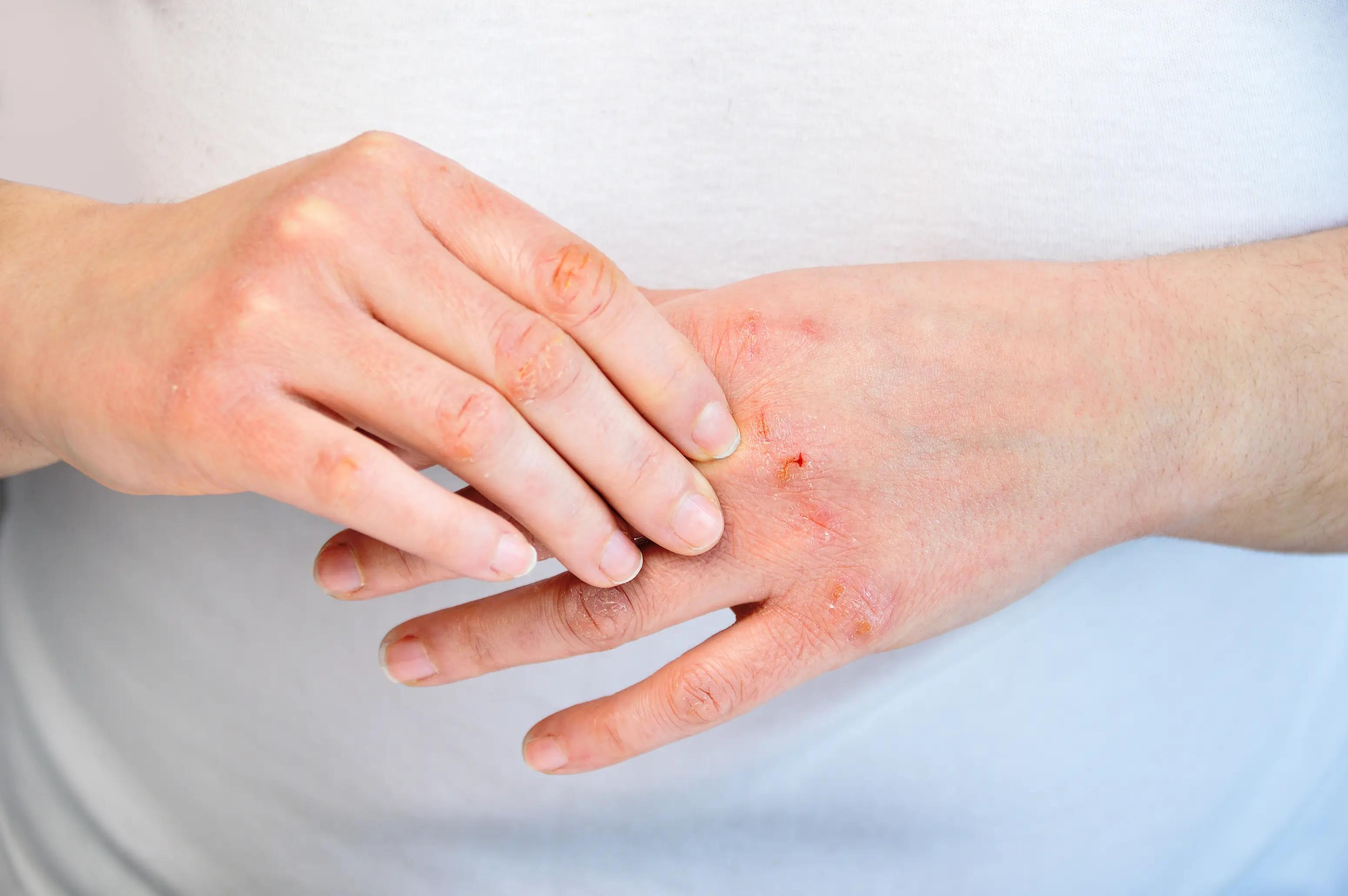
If you have eczema (atopic dermatitis), depression can increase flare frequency because sleep and stress are powerful triggers for inflammation and itch. The itch-scratch cycle is brutal, and poor sleep can make you feel more emotionally raw the next day. If you’re waking up from itch or seeing red, scaly patches in classic areas like hands, eyelids, or behind knees, treating it as eczema (not just dryness) usually brings faster relief.
What actually helps dry skin (when mood is low)
Build a two-step barrier routine
Right after you shower or wash your face, put on a thick, fragrance-free moisturizer while your skin is still slightly damp, because that traps water where you want it. If your skin is very dry, seal it with a thin layer of petrolatum on the roughest areas at night. This is boring, but it’s the fastest way to reduce tightness and flaking within a week.
Lower the “strip factor” in showers
Keep showers short and warm rather than hot, and use cleanser only where you truly need it, because soap everywhere is a common reason moisturizers “don’t work.” Pat dry instead of rubbing, since friction can trigger itch and redness. If you can change only one thing, make it the water temperature.
Treat itch early to stop scratching
Itch is not just annoying; it keeps your nervous system on high alert and can wreck sleep, which then worsens both mood and skin. A cool compress for 5–10 minutes and a thick moisturizer afterward can calm the nerve endings quickly. If you’re scratching in your sleep, trimming nails short and wearing thin cotton gloves at night can prevent skin breaks that later sting and crack.
Check meds that commonly dry skin
Some antidepressants can cause sweating or dry mouth, and dehydration plus frequent washing can make your skin feel drier even if the medication isn’t directly “drying” your skin. Other common culprits include acne treatments like retinoids and benzoyl peroxide, which can overwhelm an already stressed skin barrier. If your dryness started soon after a new medication or dose change, ask your prescriber about timing, dose, and skin-friendly workarounds rather than stopping on your own.
Address the internal driver when present
If labs show low thyroid or low ferritin, topical care alone usually feels like pushing a boulder uphill. Treating hypothyroidism or replenishing iron stores can improve skin texture and energy over weeks to months, which can also support your depression treatment plan. The key is to recheck labs after treatment so you know you’re actually moving toward an optimal range, not just barely “normal.”
Lab tests that help explain dry skin with depression
TSH
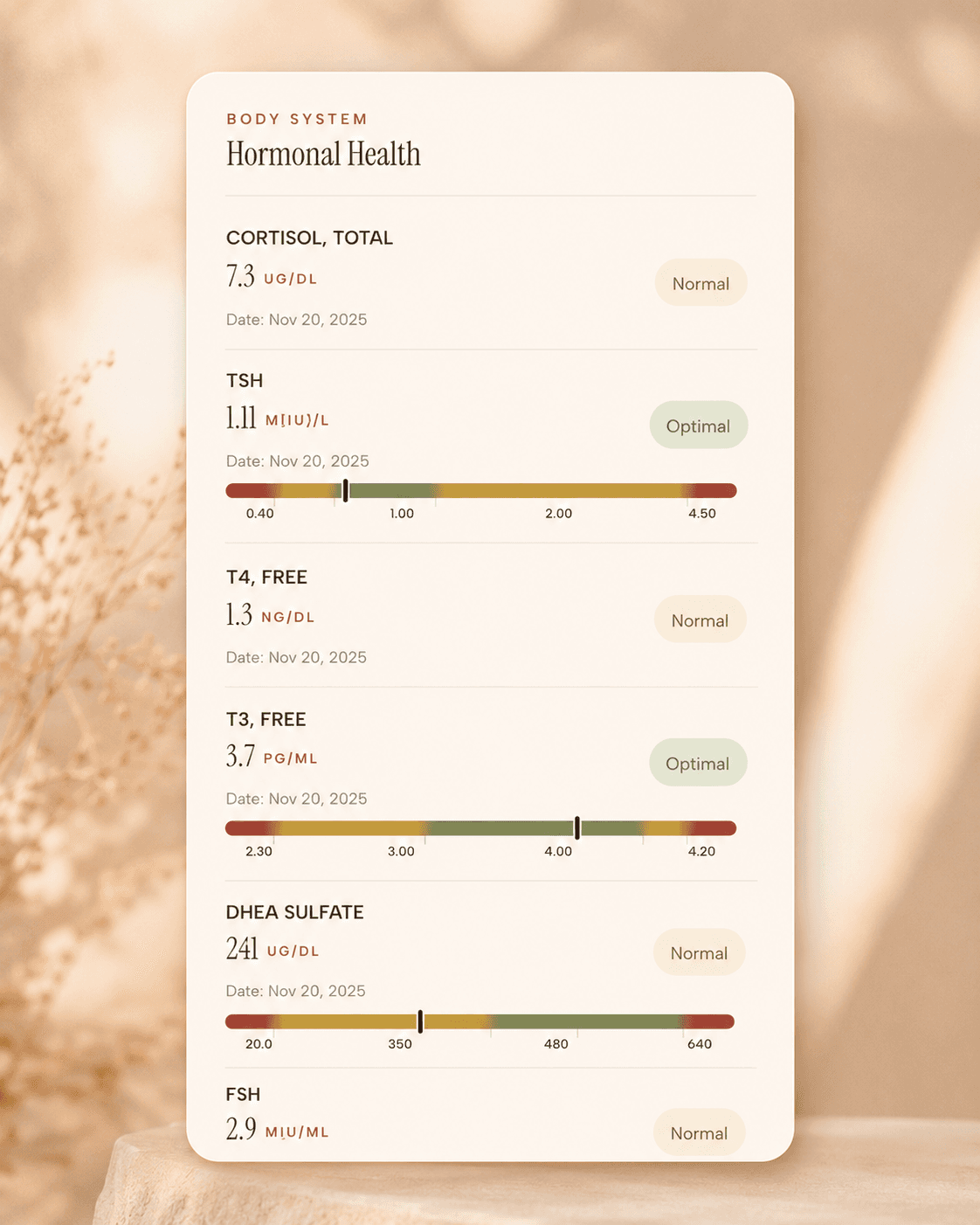
TSH is the master regulator of thyroid function, controlling the production of thyroid hormones T4 and T3. In functional medicine, we use narrower TSH ranges than conventional medicine to identify subclinical thyroid dysfunction early. Even mildly elevated TSH can indicate thyroid insufficiency, leading to fatigue, weight gain, depression, and metabolic dysfunction. TSH levels are influenced by stress, nutrient deficiencies, autoimmune conditions, and environmental toxins. Optimal TSH supports energy, metabolism…
Learn moreIron, Total
Serum iron measures the amount of iron circulating in your blood at the time of testing. In functional medicine, we recognize that serum iron alone provides limited information about iron status, as it fluctuates throughout the day and is affected by recent iron intake, inflammation, and diurnal variation. However, when combined with other iron studies, it helps assess iron metabolism and transport. Iron is essential for oxygen transport, energy production, DNA synthesis, and immune function. Optimal serum iron…
Learn moreFerritin
Ferritin is your body's iron storage protein, reflecting total iron stores in the body. In functional medicine, ferritin assessment is crucial for identifying both iron deficiency and iron overload, conditions that can significantly impact energy levels and overall health. Low ferritin is the earliest sign of iron deficiency, often occurring before anemia develops. This can cause fatigue, weakness, restless leg syndrome, and cognitive impairment. Conversely, elevated ferritin may indicate iron overload, inflamma…
Learn moreLab testing
Check thyroid and iron status (plus inflammation) at Quest
starting from $99 panel with 100+ tests, one visit
No referral needed
About 1 week
Schedule online — results typically within a week
Clear next steps
Guidance included, with follow-up care available
HSA / FSA
Eligible for pre-tax health spending accounts
Pro Tips
Do a 7-day “irritant reset” if your skin is stinging: skip scrubs, acids, and fragranced products, and use only a gentle cleanser plus a thick moisturizer. If the sting improves quickly, your barrier was the main issue.
Moisturize your hands like you mean it by keeping a small tube next to the soap and using it every time you wash. Hand dryness is often the last place people fix, and it is one of the most common sources of painful cracks.
If you can’t stop hot showers, compromise by keeping the water warm for most of the shower and turning it cooler for the last 30 seconds. That small change can reduce post-shower tightness without relying on willpower all day.
If you suspect eczema, take two phone photos a week in the same lighting. Patterns over time help you and your clinician tell “dryness” from a true inflammatory flare, especially when it comes and goes.
When you order labs, write down two non-skin symptoms you’ve noticed, such as constipation, feeling cold, heavy periods, or hair shedding. Those details make thyroid and iron results much easier to interpret in a way that matches how you feel.
Frequently Asked Questions
Can depression itself cause dry skin?
Yes, depression can contribute to dry skin because stress hormones can weaken your skin barrier and depression often disrupts sleep and daily routines that protect your skin. The dryness is usually worse when you take hot showers, use harsh cleansers, or skip moisturizer because your skin loses water faster. If the dryness is new or severe, it’s still worth checking for internal causes like TSH and ferritin so you don’t miss something treatable.
What vitamin deficiency causes dry skin and depression?
Iron deficiency is a common one because low iron stores (low ferritin) can cause fatigue, low mood, hair shedding, and sometimes dry or easily irritated skin. Vitamin D and B12 can also affect mood, but they are less directly tied to “classic” dry, rough skin than thyroid and iron issues are. If you want a focused first step, ferritin and TSH usually give the highest yield for this specific combo.
How do I know if my dry skin is from hypothyroidism?
Dry skin from low thyroid often comes with other clues, such as feeling cold, constipation, slowed thinking, puffiness, or thinning hair. The most useful screening test is TSH, and if it is elevated your clinician may add free T4 to confirm. If your dryness started along with low energy and weight gain, ask for thyroid testing rather than assuming it’s just weather or aging.
Why does my skin itch more when I’m depressed?
Depression and stress can make your nervous system more sensitive, which means itch signals feel louder and harder to ignore. Poor sleep also lowers your itch threshold, so you scratch more and your skin barrier breaks down, which then creates even more itch. Breaking the cycle with cooler showers, thick moisturizers, and itch-calming strategies at night can improve both sleep and skin within days.
When should I see a doctor for dry skin and depression?
If your skin is cracking, bleeding, oozing, or keeping you up at night, it deserves medical attention because you may need targeted eczema treatment or infection prevention. You should also get checked if dryness comes with symptoms that suggest an internal cause, such as feeling unusually cold, constipation, heavy periods, or significant fatigue, because tests like TSH and ferritin can change the plan. If your depression includes thoughts of self-harm, seek urgent support right away and tell someone you trust today.