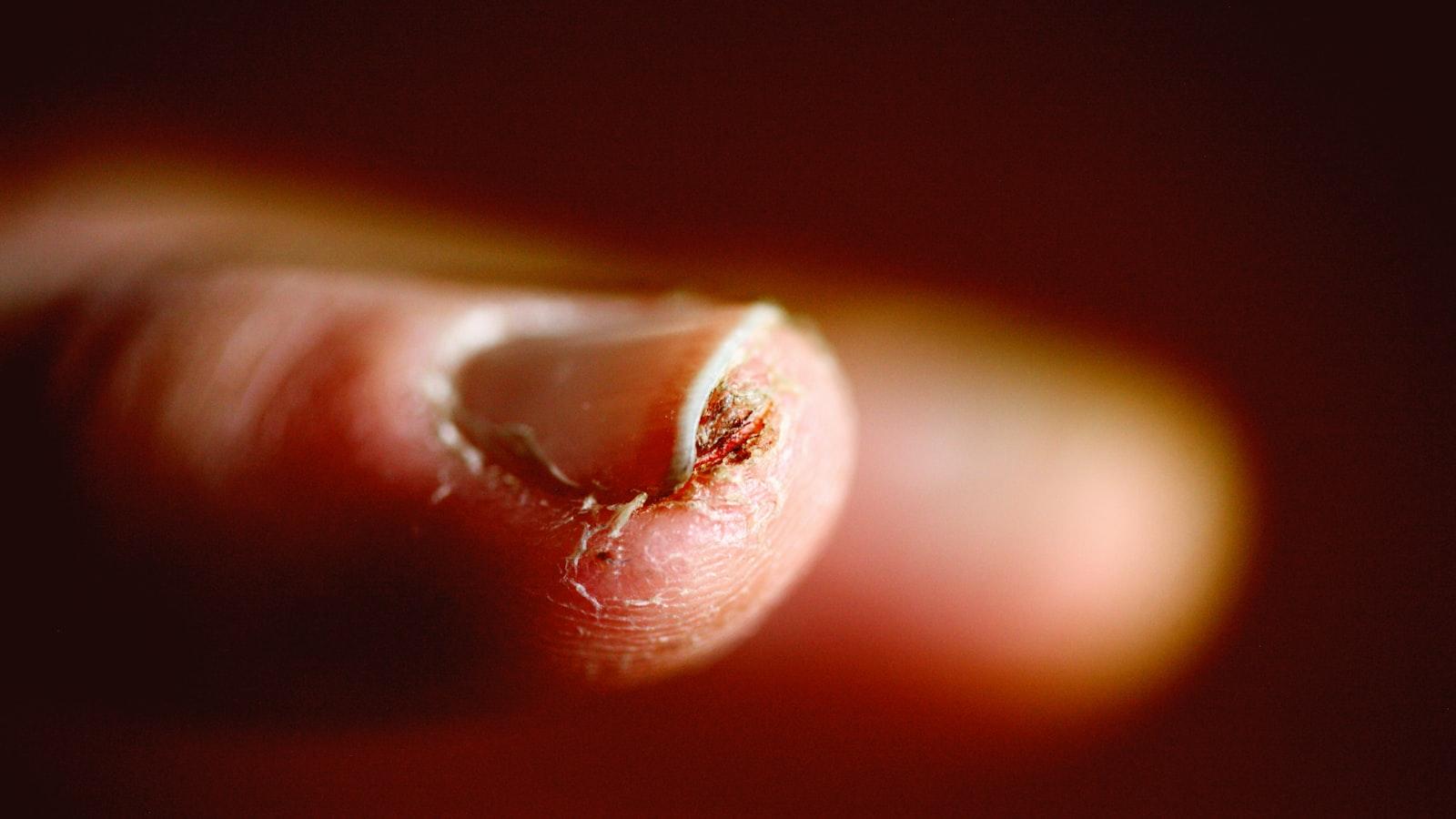
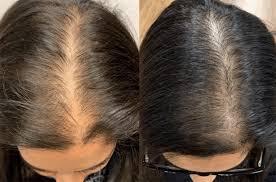
Why Your Skin Gets Dry When You’re Stressed
Dry skin under stress often comes from a weakened skin barrier, stress hormones, and harsher habits like hot showers. Targeted labs available—no referral needed.





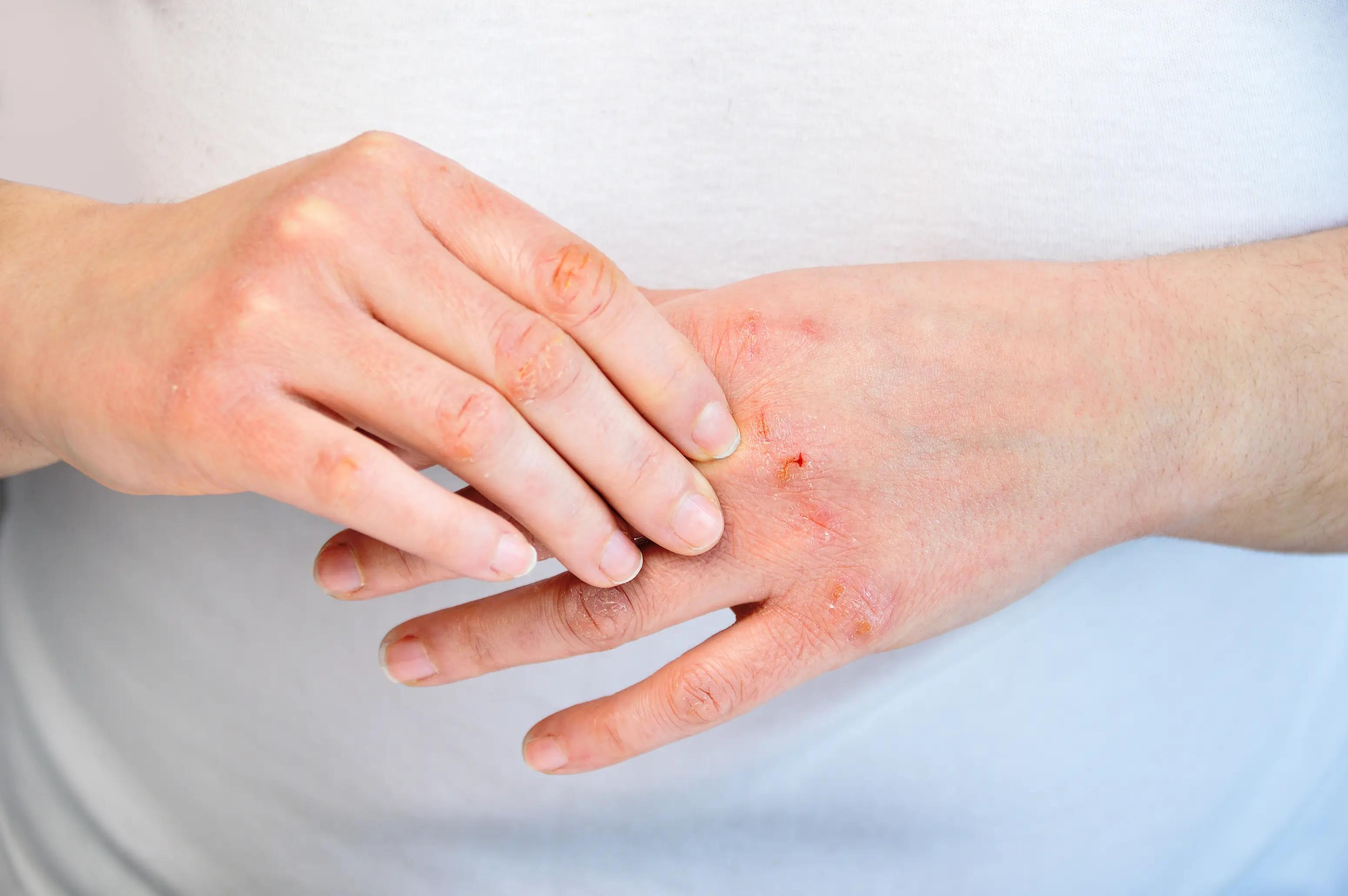
Dry skin under stress usually happens because stress hormones weaken your skin’s protective barrier, your nervous system shifts blood flow away from the skin, and your routines get harsher without you noticing. That combination makes water leak out faster, so your skin feels tight, flaky, or itchy even if you moisturize. A few targeted labs can help you tell “stress effect” from look-alikes like low thyroid or iron problems. Stress-related dryness is frustrating because it feels like you’re doing everything right and your skin still looks dull or feels rough. The good news is that barrier damage is fixable, and you can often see improvement within a week when you change the right things. This page walks you through the most common causes, what actually helps, and which blood tests can clarify what’s going on. If you want help matching your pattern to a likely cause, PocketMD can talk it through with you, and Vitals Vault labs can help you confirm the internal pieces.
Why your skin gets dry when you’re stressed
Your skin barrier gets leaky
When you’re under chronic stress, your body makes more stress hormones like cortisol, and that can slow down the skin’s “repair crew” that builds lipids and proteins in the outer layer. The result is a weaker barrier, which means water escapes more easily and irritants get in more easily. That is why your skin can feel tight right after you wash, and why small things like wind or soap suddenly sting. The takeaway is to treat this like a barrier problem first, not a “you need a stronger lotion” problem.
Stress flares eczema and dermatitis
Stress can push your immune system toward inflammation, which can trigger or worsen eczema (atopic dermatitis) and other rashes that look like “dryness” at first. You might notice itch that gets worse at night, patches in the creases of your elbows or behind your knees, or a cycle where scratching makes the area thicker and drier. If you keep getting the same spots over and over, it is worth treating it like eczema rather than chasing hydration alone. A short course of the right anti-inflammatory cream, guided by a clinician, can break the itch-scratch loop faster than any moisturizer.
Hot showers become a coping habit
When you’re stressed, a long hot shower can feel like the only quiet moment you get, but heat and surfactants strip the oils that keep water in your skin. You may not connect the dots because the dryness shows up hours later as flaking, ashiness, or itching. If your skin feels worse in winter or after travel, this cause jumps higher on the list. The simplest experiment is to drop the water temperature one notch and cap showers at 10 minutes for a week.
You’re sleeping poorly, so skin can’t recover
Sleep is when your skin does a lot of its barrier maintenance, and stress-related insomnia cuts into that repair window. Poor sleep also raises inflammatory signals, which can make dryness feel more “angry” and reactive. You might notice you wake up with a tight face, chapped lips, or more visible fine lines that improve later in the day. If your dryness tracks with nights of short sleep, fixing sleep becomes a skin treatment, not just a wellness goal.
A hidden internal issue is mimicking stress
Sometimes stress is real, but it is not the whole story, and dry skin is your clue. Low thyroid (hypothyroidism) can slow oil production and make skin feel rough and cool, while low iron stores can leave skin looking dull and make hair and nails more brittle. If you also have constipation, feeling cold, heavier periods, or unusual fatigue, it is worth checking labs rather than guessing. Get urgent care if dryness comes with widespread blistering, facial swelling, or trouble breathing, because that is not a typical stress pattern.
What actually helps dry, stressy skin
Moisturize like a barrier repair plan
Right after you wash, apply a thick, fragrance-free cream while your skin is still slightly damp, because that traps water before it evaporates. Look for ceramides, glycerin, or petrolatum, which act like replacement “mortar” in the barrier. If you are very flaky, a cream beats a lotion almost every time. Give it seven days of consistency before you decide it “doesn’t work.”
Change how you cleanse, not just what
Use lukewarm water and a gentle cleanser, and only soap the areas that truly need it, because over-cleansing is a common stress-season mistake. Pat dry instead of rubbing, since friction can trigger more irritation when your barrier is already thin. If your hands are the main problem, keep cleanser off them in the shower and use it only at the sink when needed. This one change can cut the “tight after shower” feeling quickly.
Treat itch early to stop the cycle
Itch is not just annoying; it is a signal that keeps your nervous system focused on the skin, and scratching physically damages the barrier. A cool compress for 5–10 minutes can calm the nerves in the skin, and a bland ointment afterward seals in moisture. If you have eczema patches, over-the-counter 1% hydrocortisone can help for a short burst, but if you need it most days or the rash is spreading, it is time to ask for a stronger plan. The goal is to stop the itch-scratch loop before it becomes a weeks-long flare.
Use humidity as a “medication”
Dry indoor air pulls water out of your skin all night, which is why you can wake up feeling tight even if you moisturized. A bedroom humidifier aiming for about 40–50% humidity often makes a noticeable difference in 3–5 nights, especially in winter or dry climates. Clean it regularly so it does not become a mold machine. Pairing humidity with a thicker night moisturizer is a strong one-two punch.
Lower stress signals your skin can feel
You do not have to “eliminate stress” to help your skin, but you can lower the intensity of the stress response your body runs all day. Try a 2-minute downshift twice daily: slow exhale breathing where your exhale is longer than your inhale, because that nudges your nervous system toward calm. Many people notice less itch and less reactive redness within a week when they do this consistently. If anxiety or low mood is driving the whole pattern, getting support is a skin intervention too.
Lab tests that help explain dry skin under stress
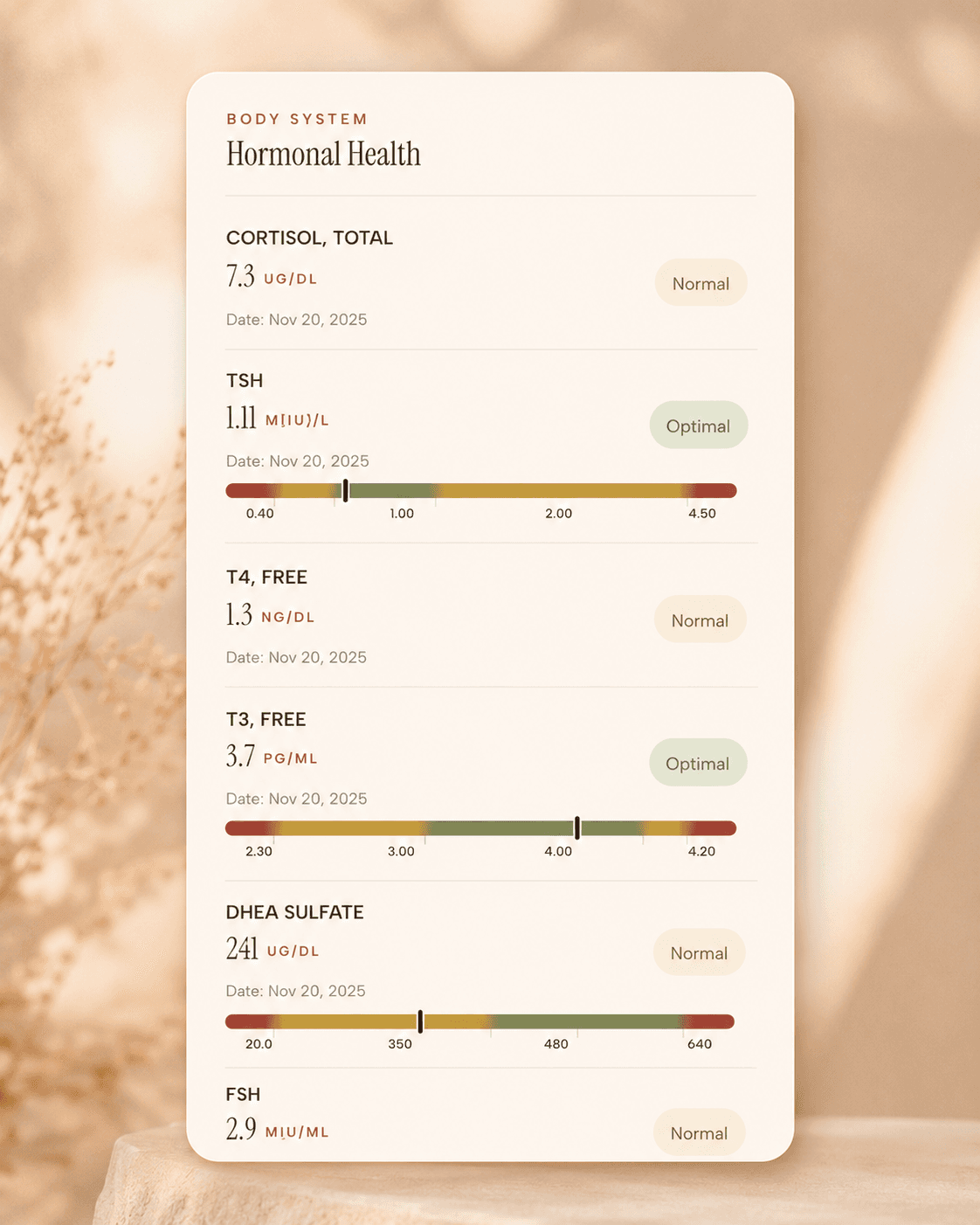
Cortisol, Total
Cortisol is the primary stress hormone that regulates metabolism, immune function, and blood pressure. In functional medicine, cortisol assessment is crucial for understanding stress response and its impact on overall health. Chronic elevation suppresses testosterone production and immune function, while low cortisol indicates adrenal insufficiency. Optimal cortisol rhythm supports energy, mood stability, and hormone balance. Cortisol orchestrates the body's stress response and daily energy rhythms. Balanced cor…
Learn moreHs Crp
High-sensitivity C-reactive protein (hs-CRP) is a key marker of systemic inflammation and cardiovascular risk. In functional medicine, we recognize hs-CRP as one of the most important predictors of heart disease, stroke, and metabolic dysfunction. Levels above 1.0 mg/L indicate increased inflammation that may be driven by poor diet, chronic infections, autoimmune conditions, or metabolic syndrome. Optimal levels below 0.5 mg/L are associated with the lowest cardiovascular risk and overall inflammatory burden. hs…
Learn moreVitamin D, 25-Oh, Total
Total 25-hydroxyvitamin D represents the best measure of vitamin D status, combining both D2 and D3 forms. This is the storage form of vitamin D and reflects recent intake and synthesis. In functional medicine, total 25(OH)D is used to assess vitamin D sufficiency and guide supplementation. Optimal levels (40-80 ng/mL) are associated with reduced risk of cancer, cardiovascular disease, autoimmune conditions, and all-cause mortality. Vitamin D acts as a hormone affecting immune function, bone health, mood, and ce…
Learn moreLab testing
Check TSH, ferritin, and vitamin D at Quest
starting from $99 panel with 100+ tests, one visit
No referral needed
About 1 week
Schedule online — results typically within a week
Clear next steps
Guidance included, with follow-up care available
HSA / FSA
Eligible for pre-tax health spending accounts
Pro Tips
Do a 7-day “barrier reset”: lukewarm showers, fragrance-free cleanser, and a thick cream within 3 minutes of drying off. If your skin improves fast, you just proved the barrier was the main issue.
If your hands are cracking, switch to an ointment at night and wear thin cotton gloves for 3 nights in a row. It feels a little silly, but it stops water loss while you sleep.
Run a simple trigger log for two weeks and rate dryness and itch from 1–10 each evening. When you line it up with sleep length and stress level, patterns usually pop out.
If you use retinoids or acne washes, pause them for a week during a flare and restart every other night once your skin stops stinging. Stress makes your skin less tolerant, even if the product used to be fine.
If you suspect eczema, take one clear photo of the worst patch every 3 days in the same lighting. It helps you see whether your plan is working and makes telehealth visits much more efficient.
Frequently Asked Questions
Can stress really cause dry skin even if I drink water?
Yes. Stress can weaken your skin barrier so water escapes from the surface faster, which is different from being dehydrated internally. You can be well-hydrated and still have tight, flaky skin if your barrier lipids are depleted. Try a one-week barrier reset with lukewarm showers and a thick ceramide-based cream to see if that is your main driver.
Why is my face dry and flaky when I’m anxious?
Anxiety can ramp up stress hormones and make your skin more reactive, and it also tends to change habits like cleansing, touching your face, or taking hotter showers. The face has a thinner barrier than many other areas, so it shows stress faster as flaking around the nose or mouth. If you also have redness and burning, consider irritant dermatitis and simplify to a gentle cleanser plus a bland moisturizer for 7–10 days.
How do I know if my dry skin is thyroid-related?
Dry skin from low thyroid often comes with other clues like feeling cold, constipation, slower heart rate, puffy face, or thinning outer eyebrows. A TSH blood test is the usual first screen, and many people feel best when TSH is roughly 0.5–2.5 mIU/L, even though some lab “normal” ranges go higher. If your symptoms fit, ask for TSH and free T4 and bring your full symptom list to the visit.
What vitamin deficiency causes dry skin and itching?
Low vitamin D can make inflammatory skin issues harder to calm, and low iron stores (low ferritin) can contribute to dull, dry-looking skin along with brittle nails or hair shedding. A practical target for 25-hydroxy vitamin D is often around 30–50 ng/mL, and many clinicians aim for ferritin at least 50 ng/mL when hair and skin symptoms are present. If you are unsure, testing is more useful than guessing supplements.
When should I see a dermatologist for stress-related dry skin?
If you have cracking that bleeds, oozing or crusting that could mean infection, or a rash that keeps returning in the same places, it is worth seeing a dermatologist. You should also get help if you need hydrocortisone most days, because that usually means you need a clearer diagnosis and a safer long-term plan. Bring photos and a list of products you use so you can get to an answer faster.