Brittle Nails With Depression: Causes, Fixes, and Lab Tests
Brittle nails with depression often come from iron deficiency, thyroid slowdown, or low protein intake. Targeted labs are available—no referral needed.





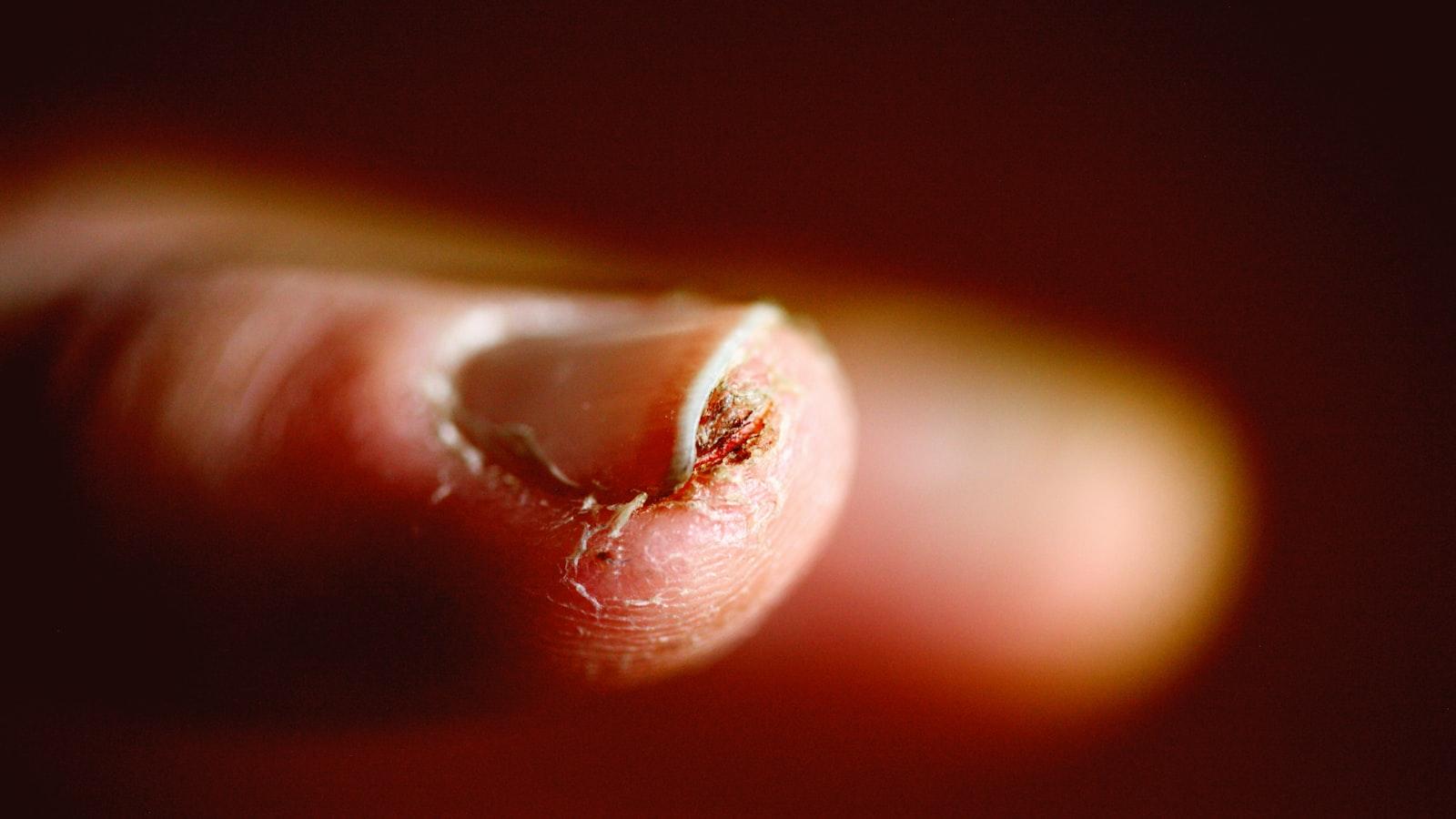
Brittle nails with depression usually come down to a few overlapping issues: low iron stores, a slowed thyroid, or not getting enough protein and key nutrients when your appetite and routines are off. Depression can also change your stress hormones and sleep, which makes nails grow more slowly and break more easily. Simple blood tests can help you figure out which of these is actually driving your nail changes. It’s frustrating because nails are visible, and when they start peeling or splitting it can feel like your body is “showing” how you’re doing inside. The tricky part is that nails change slowly, so the cause might have started months before you noticed it. In this guide, you’ll learn the most common medical reasons brittle nails show up alongside depression, what you can do at home that actually helps, and which labs tend to give the clearest answers. If you want help matching your specific symptoms to the most likely cause, PocketMD can talk it through with you, and Vitals Vault labs can help you confirm what’s going on.
Why brittle nails can show up with depression
Low iron stores (low ferritin)
When your iron “savings account” is low, your body prioritizes oxygen delivery to vital organs over fast-growing tissues like nails. That can leave nails thin, ridged, or prone to peeling, and it can also worsen fatigue and low mood. If your periods are heavy, you avoid red meat, or you’ve had recent blood loss, ferritin testing is one of the most useful first checks.
Slowed thyroid function
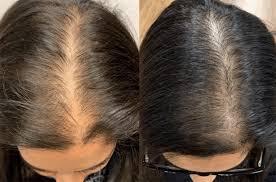
A sluggish thyroid can slow the rate your nails grow and change how your skin and nail beds hold onto moisture, which makes nails feel dry and brittle. It can also overlap with depression symptoms like low energy, brain fog, and feeling cold. If you’ve noticed constipation, weight gain, or hair thinning along with nail changes, a TSH test is a practical place to start.
Not enough protein to rebuild
Nails are built mostly from keratin, which your body makes from amino acids in dietary protein. During depression, it’s common to skip meals, eat less overall, or rely on low-protein convenience foods, and your nails can be one of the first places that shows it. A simple takeaway is to aim for a protein anchor at each meal for a few weeks and watch for less splitting as new nail grows in.
Chronic stress and poor sleep
Depression often comes with stress biology turned up and sleep turned down, and both can shift blood flow and growth signals away from nails. The result is slower growth, more breakage, and a longer “recovery time” after a snag or peel. If your nails got worse during a high-stress stretch, focus on sleep regularity first, because nails won’t strengthen if your body stays in constant catch-up mode.
Medication effects and nail picking
Some antidepressants can cause dry skin or sweating changes, which can indirectly dry out nails and cuticles. Depression and anxiety can also show up as nail biting or picking without you fully noticing, and that repeated micro-trauma makes nails split and peel even if your labs are perfect. If you see ragged cuticles or uneven damage on your dominant hand, treating it like a habit loop (barrier + replacement behavior) often helps more than another supplement.
What actually helps your nails recover
Treat the cause you can measure
If ferritin is low, iron repletion can improve both energy and nail strength, but it usually takes weeks to months because nails grow slowly. If TSH suggests hypothyroidism, thyroid treatment can normalize nail growth over time rather than overnight. The practical move is to pick one clear target based on symptoms and labs, then recheck in about 8–12 weeks to confirm you’re moving in the right direction.
Build a “minimum protein day”
When depression makes food feel like work, a realistic plan beats a perfect one. Choose two easy protein defaults you can repeat, such as Greek yogurt in the morning and a rotisserie chicken or tofu bowl at dinner, so your body has the raw material to rebuild nails. You’re looking for consistency, because the nail you see today started forming months ago.
Moisture plus protection, twice daily
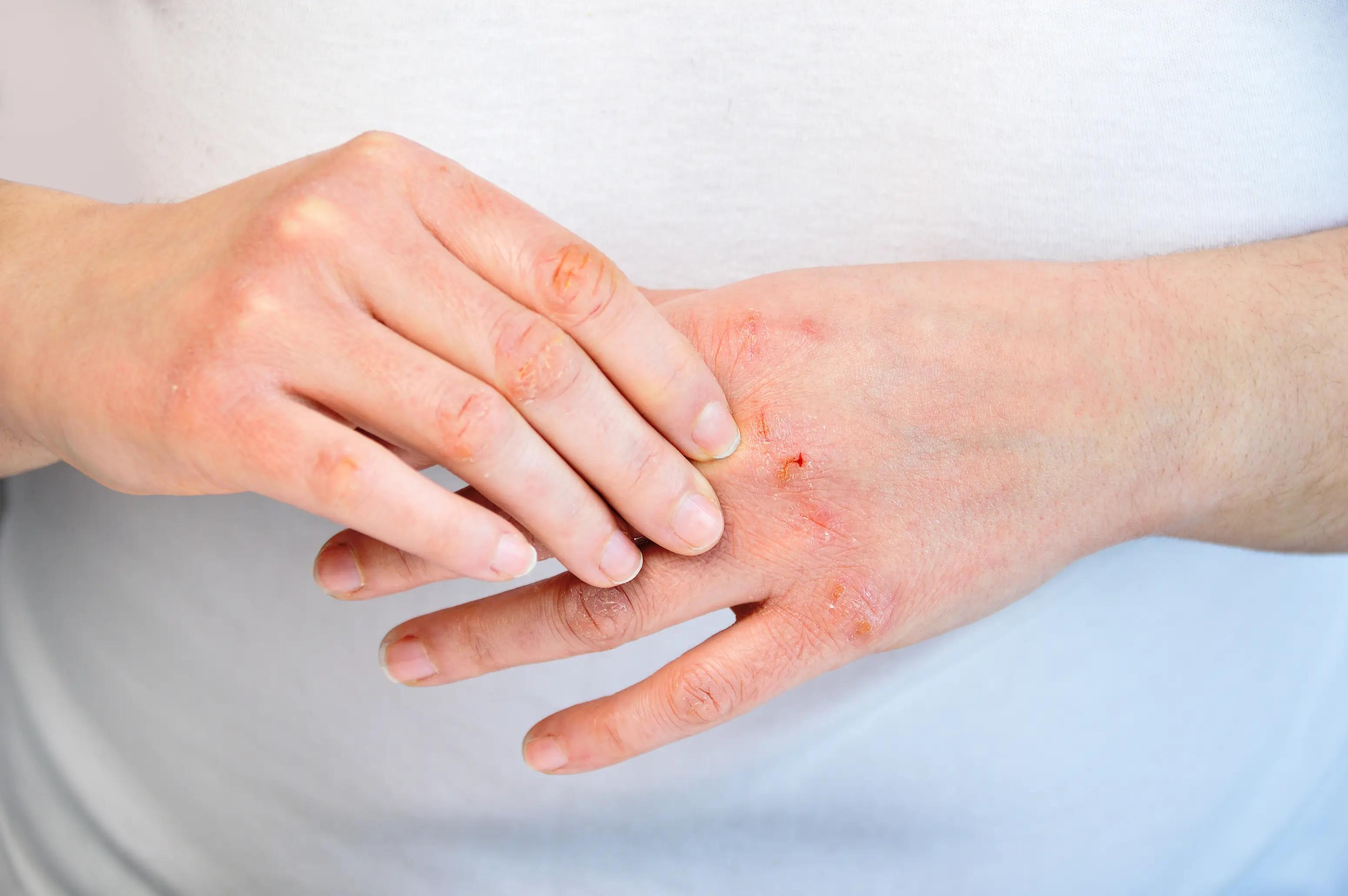
Brittle nails often improve when you treat them like dry skin: moisturize and then seal. After washing your hands at night, rub a thick ointment or cuticle oil into the nail plate and the skin around it, and consider cotton gloves for 20 minutes if you can. During the day, protect nails from water and detergents with gloves, because repeated wet-dry cycles are a major driver of peeling.
Stop the damage loop gently
If you pick or bite, willpower alone usually fails when you’re stressed or low. Make the behavior harder by keeping nails short and using a clear bitter-tasting polish, and make an “alternate” easy by keeping a fidget item or textured ring where you normally pick. Even two weeks of reduced trauma can make new growth look dramatically smoother.
Use supplements strategically, not broadly
Biotin can help some people with brittle nails, but it is not a fix for iron deficiency or thyroid disease, and it can interfere with certain lab tests if taken in high doses. If you want to try it, use a moderate dose and pause it for at least 48 hours before blood work unless your clinician advises otherwise. If your diet is limited, a basic multivitamin can be a safer “bridge” while you work on meals and labs.
Lab tests that help explain brittle nails with depression
Ferritin
Ferritin is your body's iron storage protein, reflecting total iron stores in the body. In functional medicine, ferritin assessment is crucial for identifying both iron deficiency and iron overload, conditions that can significantly impact energy levels and overall health. Low ferritin is the earliest sign of iron deficiency, often occurring before anemia develops. This can cause fatigue, weakness, restless leg syndrome, and cognitive impairment. Conversely, elevated ferritin may indicate iron overload, inflamma…
Learn moreTSH
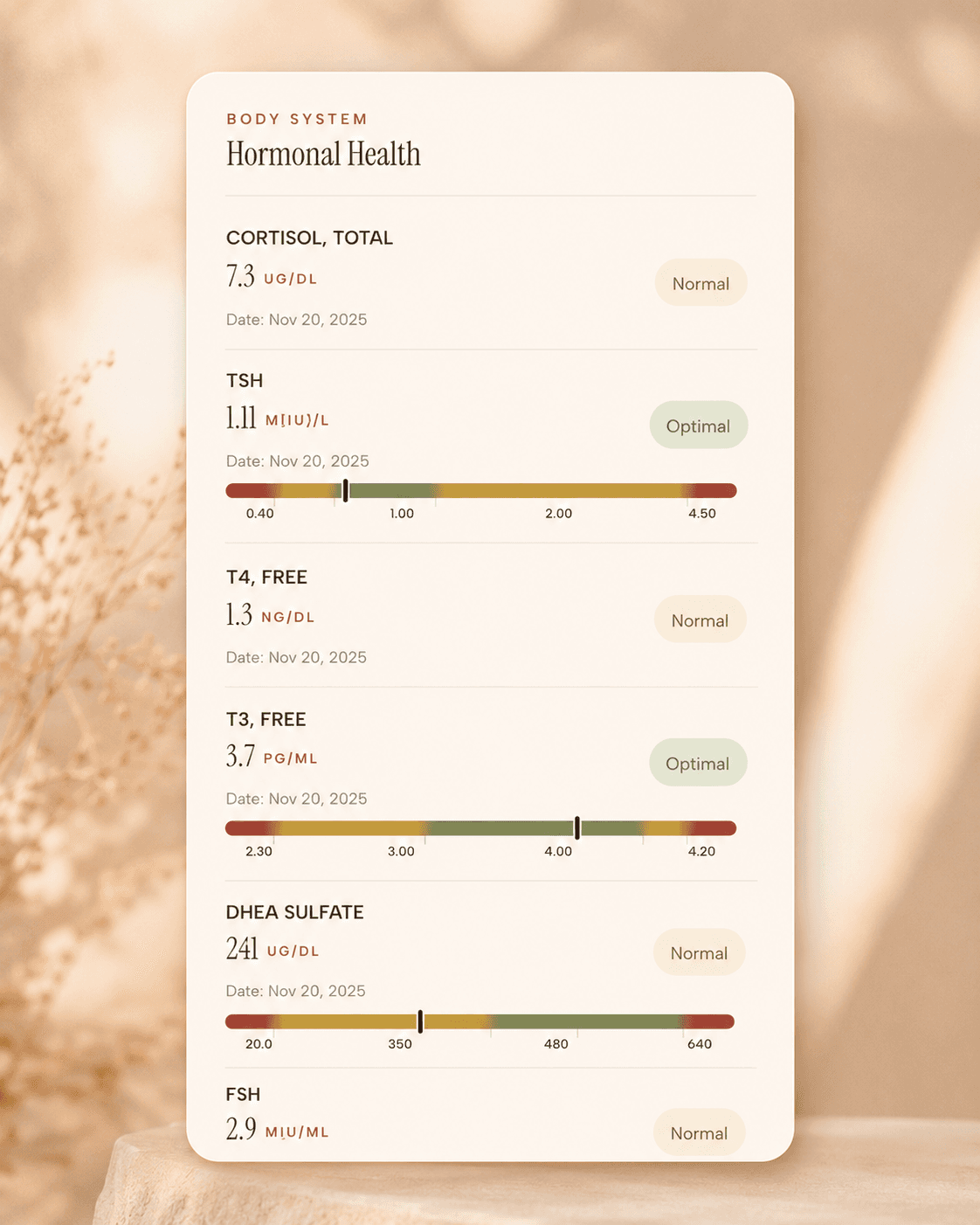
TSH is the master regulator of thyroid function, controlling the production of thyroid hormones T4 and T3. In functional medicine, we use narrower TSH ranges than conventional medicine to identify subclinical thyroid dysfunction early. Even mildly elevated TSH can indicate thyroid insufficiency, leading to fatigue, weight gain, depression, and metabolic dysfunction. TSH levels are influenced by stress, nutrient deficiencies, autoimmune conditions, and environmental toxins. Optimal TSH supports energy, metabolism…
Learn moreProtein, Total
Total protein levels reflect nutritional status, liver function (protein synthesis), and kidney function (protein retention). Abnormal levels can indicate liver disease, kidney disease, malnutrition, inflammation, or blood cancers. It provides a general overview of protein metabolism. Total protein measures the combined amount of albumin and globulins in blood. These proteins are essential for maintaining fluid balance, transporting substances, fighting infections, and blood clotting.
Learn moreLab testing
Check ferritin, TSH, and a complete blood count at Quest
starting from $99 panel with 100+ tests, one visit
No referral needed
About 1 week
Schedule online — results typically within a week
Clear next steps
Guidance included, with follow-up care available
HSA / FSA
Eligible for pre-tax health spending accounts
Pro Tips
Do a quick “pattern check” on your nails: if the damage is mostly on your dominant hand or just a couple of fingers, repeated trauma (picking, cleaning, typing pressure) is more likely than a whole-body deficiency.
Try the two-week glove experiment: wear dishwashing gloves for any wet chores and apply cuticle oil nightly. If peeling drops quickly, water exposure was a major driver even if you also have a nutrient issue.
If you suspect low iron, look for clues that often travel together, like getting winded easily on stairs, restless legs at night, or craving ice. Those are good reasons to prioritize ferritin testing.
Take one clear nail photo each week in the same lighting. Because nails grow slowly, photos help you see improvement in new growth at the base even when the tips are still breaking.
If you start biotin, write it down in your notes app and pause it before labs. It can distort some test results, and you don’t want a confusing lab report when you’re trying to get answers.
Frequently Asked Questions
Can depression itself cause brittle nails?
Depression can contribute, mainly by changing sleep, stress hormones, and routines around eating and self-care, which slows nail growth and increases breakage. But brittle nails are also a common sign of low iron stores or thyroid issues, which can overlap with depression symptoms. If this is new or worsening, checking ferritin and TSH is a practical next step.
What vitamin deficiency causes brittle nails and low mood?
Low iron is one of the most common “nutrient” reasons that connects brittle nails with fatigue and depressed mood, and ferritin is the test that best reflects iron stores. Low protein intake can also matter because nails are made from keratin, and depression often reduces appetite. Start with ferritin and a CBC, and then adjust supplements based on results rather than guessing.
What ferritin level is too low for nail problems?
Many people start noticing hair and nail issues when ferritin drops below about 30 ng/mL, even if the lab report still calls it normal. Symptoms and context matter, because inflammation can falsely raise ferritin and hide deficiency. If your ferritin is low or borderline, talk with a clinician about iron repletion and rechecking in 8–12 weeks.
Can hypothyroidism cause brittle nails and depression?
Yes. An underactive thyroid can slow nail growth and make nails drier and more fragile, and it can also cause low energy, brain fog, and low mood that feels like depression. A TSH test is the usual first screen, and abnormal results are often followed by free T4 testing to confirm the pattern. If you have constipation, feeling cold, or hair thinning too, mention those when you get evaluated.
How long does it take brittle nails to improve?
Nails grow slowly, so meaningful improvement usually takes 6–12 weeks, and full replacement of a fingernail can take around 4–6 months. You may see the first sign of recovery as a smoother, stronger “new band” near the cuticle while the older, damaged tip still breaks. Take weekly photos and focus on protecting new growth while you address the underlying cause.