Why You Get Dry Skin With Anxiety (and What Helps)
Dry skin with anxiety often comes from stress hormones, skin-barrier damage, or thyroid shifts. Targeted blood tests available at Quest—no referral needed.





Dry skin with anxiety usually happens because stress hormones push your skin into “conserve and protect” mode, which weakens your moisture barrier, and because anxious habits like hot showers or over-washing quietly strip oils. Sometimes it is not “just stress,” though, because low thyroid function and low iron can make skin feel rough, tight, and itchy too. A few targeted labs can help you figure out which bucket you are in so you stop guessing. This combo is frustrating because it feels like you are doing everything right, yet your skin still looks dull or feels tight, and the itch can make your anxiety worse. The good news is that skin barrier problems are very fixable once you stop the cycle of stripping and reapplying. If you want help sorting your pattern, PocketMD can talk through your symptoms and routines, and VitalsVault labs can check common internal contributors when it makes sense.
Why dry skin can flare with anxiety
Stress hormones weaken your barrier
When you are anxious, your stress system releases cortisol, which can slow down the skin’s repair work and reduce the fats that keep water sealed in. That “leaky barrier” feeling shows up as tightness after washing, flaking that returns within hours, or stinging when you apply products that used to be fine. The takeaway is to treat this like a barrier problem first: fewer products, gentler cleansing, and a moisturizer that actually seals (more on that below).
Anxiety changes your skin habits
Anxiety often nudges you toward quick relief behaviors, like longer hot showers, more frequent face washing, or scrubbing because you feel “dirty” or out of control. Hot water and friction dissolve the oils that act like your skin’s natural raincoat, which means your moisturizer has to work twice as hard. If your dryness is worse on days you shower longer or wash more, changing that one habit can improve your skin within a week.
Itch–scratch cycle from stress
Stress can make your nerves more reactive, so mild dryness starts to feel like intense itch, and scratching creates tiny breaks that lose even more moisture. This is why you can feel itchy even when the skin does not look dramatic yet. A practical move is to treat itch like inflammation: cool compresses, short nails, and a bland moisturizer right after washing so you are not relying on willpower alone.
Eczema can be stress-triggered
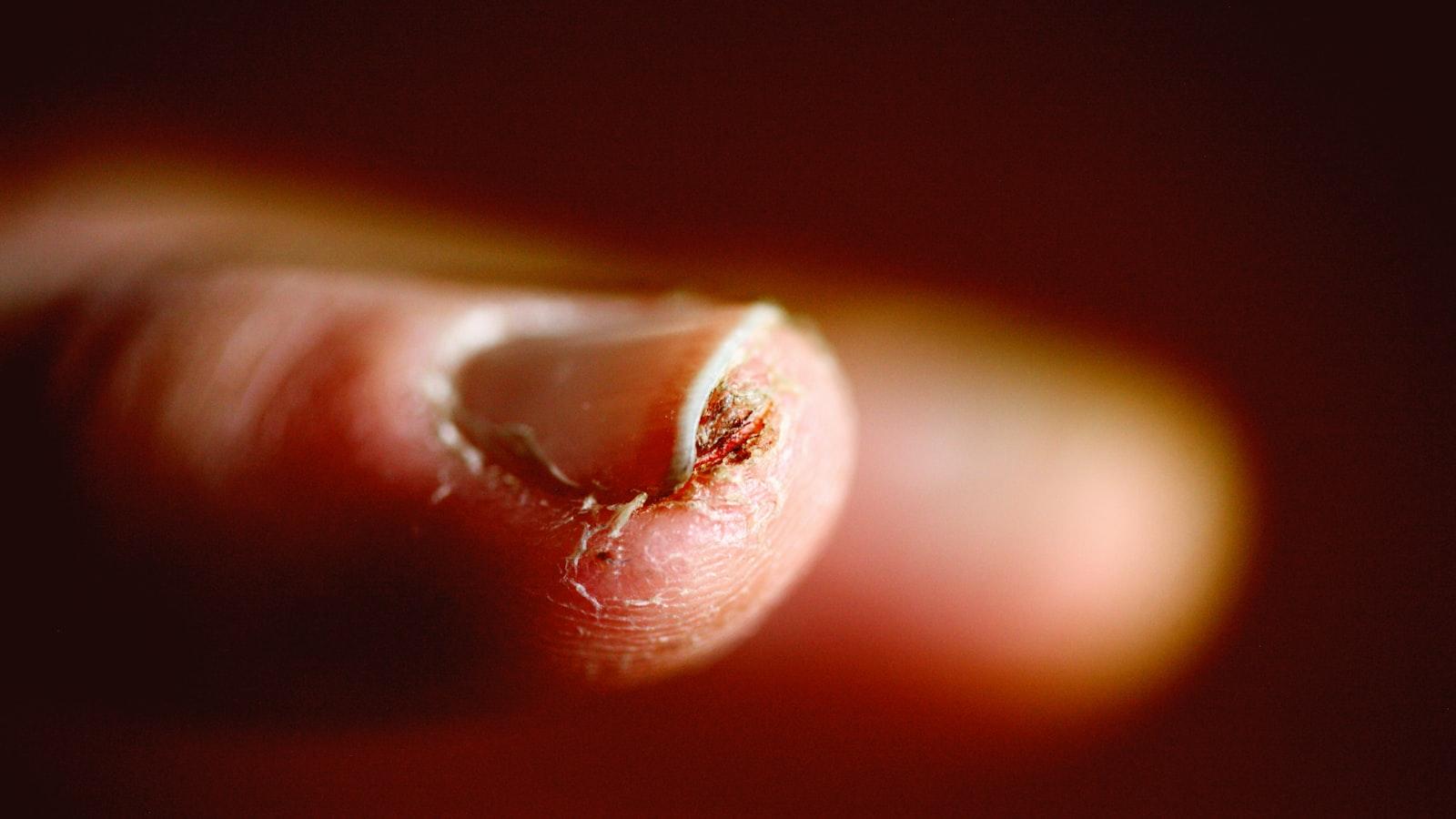
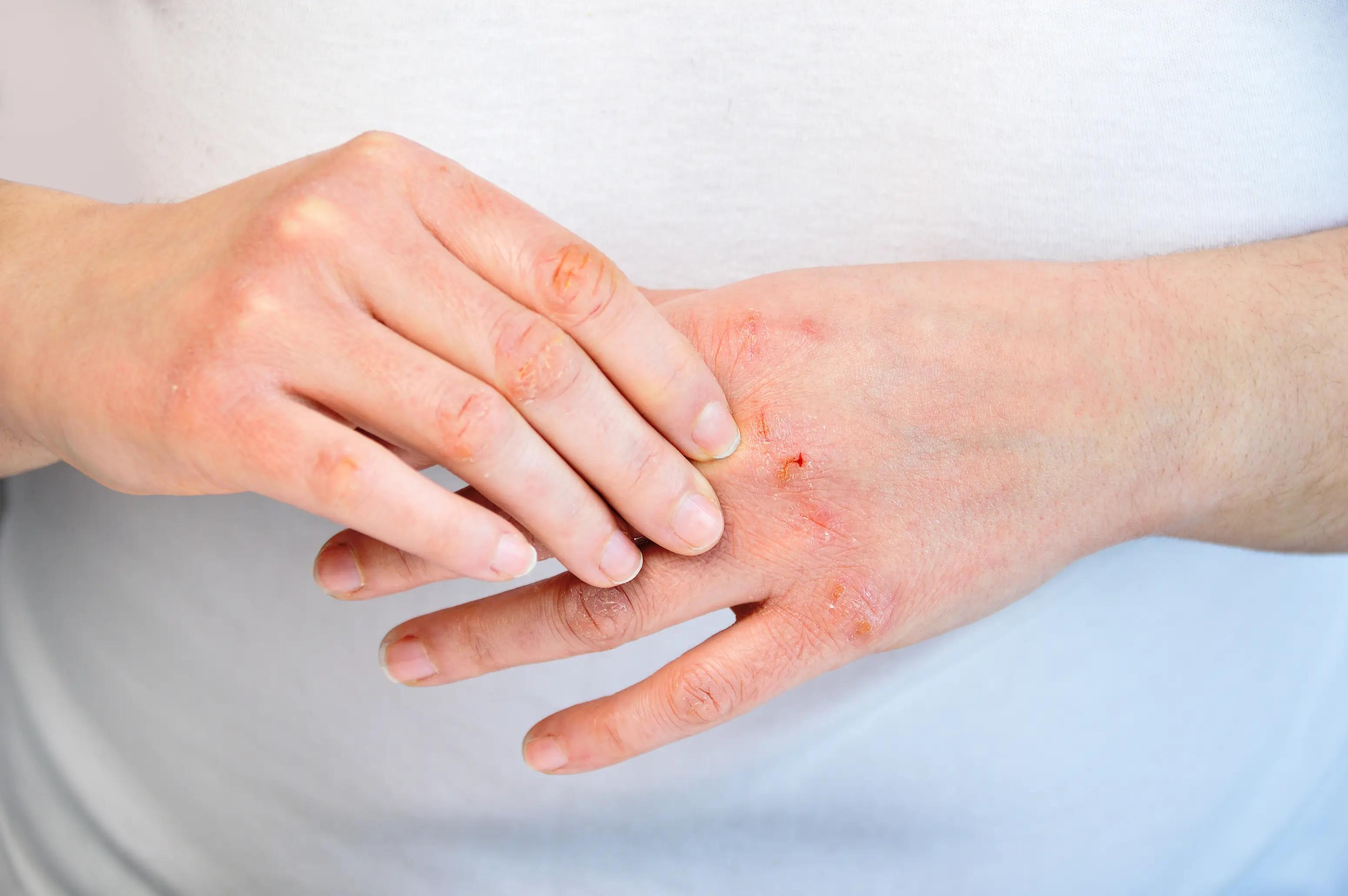
If you have eczema (atopic dermatitis), anxiety can be the spark that turns “a little dry” into patches that are red, scaly, or cracked, especially on hands, eyelids, and inside elbows. The skin barrier is already more fragile in eczema, so stress adds fuel to a fire that was primed. If you notice recurring patches in the same spots, it is worth treating it as eczema rather than generic dryness, because targeted anti-inflammatory treatment can prevent months of damage.
Thyroid or low iron in the background
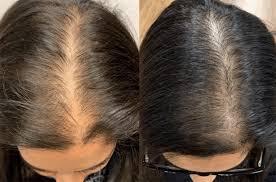
Dry skin is a classic clue when your thyroid is underactive, because your skin cells turn over more slowly and oil production can drop. Low iron stores can also leave skin looking dull and feeling more sensitive, and it often travels with fatigue, hair shedding, or restless legs. If your dryness is new, persistent, and paired with low energy, constipation, heavier periods, or hair changes, checking thyroid and ferritin is a smart next step.
What actually helps (without overdoing it)
Switch to a “boring” cleanser
Use a fragrance-free gentle cleanser once daily for face and once daily for body, and let warm water do most of the work. The goal is to stop removing the oils you are trying to replace, which is why foaming cleansers and “squeaky clean” feelings usually backfire. If you wear sunscreen or makeup, double cleanse at night with a mild oil cleanser first, then a gentle wash, rather than scrubbing.
Moisturize within three minutes
Right after you towel off, apply a thick moisturizer while your skin is still slightly damp, because that traps water where you want it. Look for a mix of water-binding ingredients (like glycerin) and sealing ingredients (like petrolatum or dimethicone), since either one alone can feel disappointing. If your skin stings when you apply products, choose a fragrance-free cream and avoid acids or retinoids until the sting is gone.
Use targeted itch control at night
Night is when anxiety and itch often team up, so set yourself up for fewer wake-ups. A cool room, a light cotton layer, and a thick ointment on the itchiest spots can reduce the urge to scratch in your sleep. If you have visible eczema patches, ask a clinician about short-term anti-inflammatory treatment, because barrier-only care may not be enough during a flare.
Protect hands like a “wet work” job
If your hands are dry, cracked, or burning, treat them as if you work with chemicals even if you do not. Use gloves for dishwashing and cleaning, and apply a barrier ointment before bed, then cover with cotton gloves for 30–60 minutes. This matters because hand skin gets stripped repeatedly, and anxiety can make you wash more often without noticing.
Address the anxiety trigger, gently
You do not need perfect mental health for your skin to improve, but you do need to lower the daily “alarm level.” Try a two-week experiment where you pair skincare with a short downshift routine, like 5 minutes of slow breathing after your shower, because it reduces stress signaling right when your skin is most vulnerable. If your anxiety is persistent or you are using alcohol or sedatives to cope, getting support can help both your nervous system and your skin stay steadier.
Useful biomarkers to discuss with your clinician
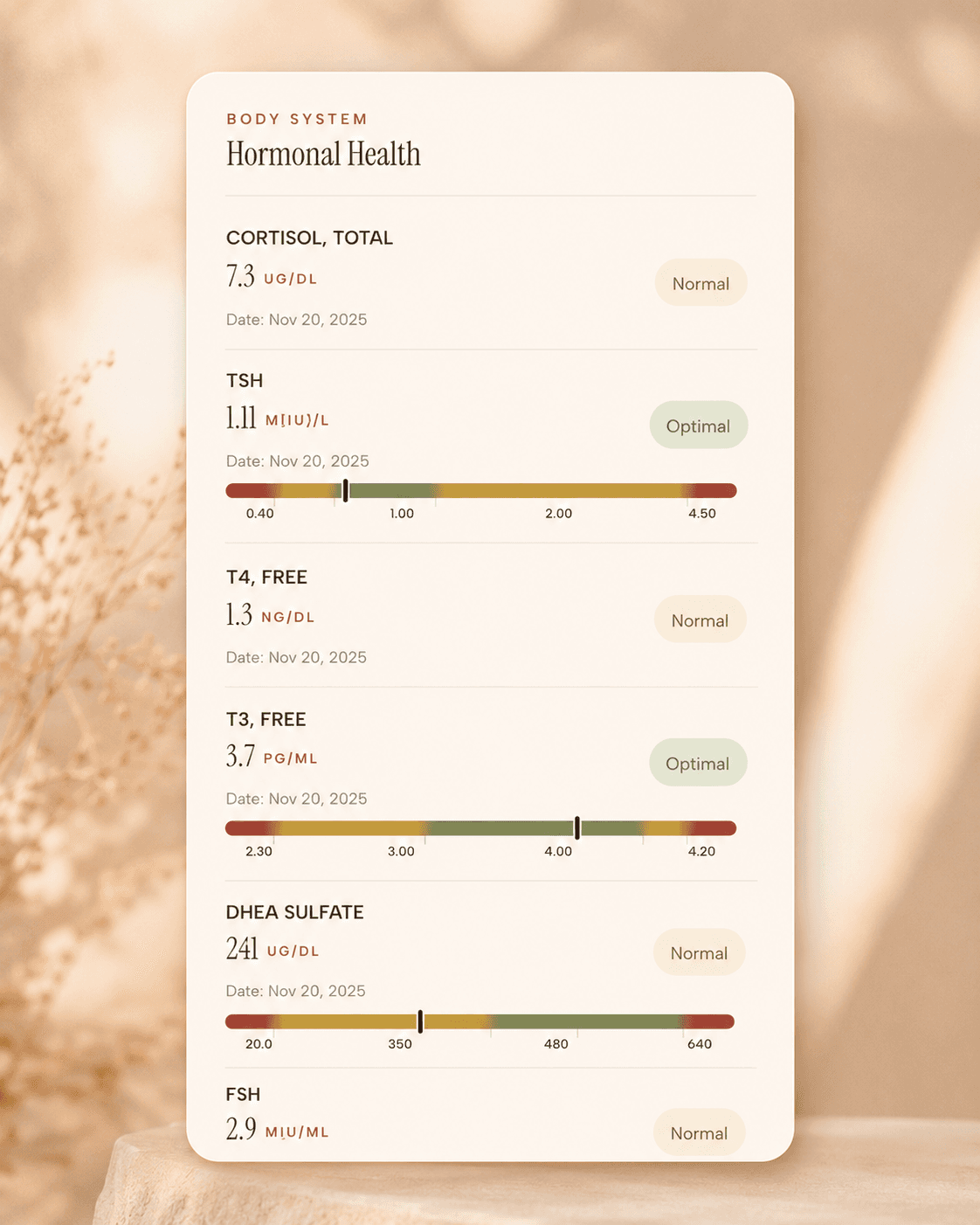
Cortisol, Total
Cortisol is the primary stress hormone that regulates metabolism, immune function, and blood pressure. In functional medicine, cortisol assessment is crucial for understanding stress response and its impact on overall health. Chronic elevation suppresses testosterone production and immune function, while low cortisol indicates adrenal insufficiency. Optimal cortisol rhythm supports energy, mood stability, and hormone balance. Cortisol orchestrates the body's stress response and daily energy rhythms. Balanced cor…
Learn moreTSH
TSH is the master regulator of thyroid function, controlling the production of thyroid hormones T4 and T3. In functional medicine, we use narrower TSH ranges than conventional medicine to identify subclinical thyroid dysfunction early. Even mildly elevated TSH can indicate thyroid insufficiency, leading to fatigue, weight gain, depression, and metabolic dysfunction. TSH levels are influenced by stress, nutrient deficiencies, autoimmune conditions, and environmental toxins. Optimal TSH supports energy, metabolism…
Learn moreVitamin D, 25-Oh, Total
Total 25-hydroxyvitamin D represents the best measure of vitamin D status, combining both D2 and D3 forms. This is the storage form of vitamin D and reflects recent intake and synthesis. In functional medicine, total 25(OH)D is used to assess vitamin D sufficiency and guide supplementation. Optimal levels (40-80 ng/mL) are associated with reduced risk of cancer, cardiovascular disease, autoimmune conditions, and all-cause mortality. Vitamin D acts as a hormone affecting immune function, bone health, mood, and ce…
Learn moreLab testing
Get TSH, free T4, ferritin, and vitamin D checked at Quest
starting from $99 panel with 100+ tests, one visit
No referral needed
About 1 week
Schedule online — results typically within a week
Clear next steps
Guidance included, with follow-up care available
HSA / FSA
Eligible for pre-tax health spending accounts
Pro Tips
Do a 7-day “sting test” reset: use only a gentle cleanser, a fragrance-free cream, and sunscreen. If the stinging stops, you have proof your barrier was the main issue, and you can reintroduce actives one at a time.
If you cannot stop hot showers, keep them hot but shorter, and make the last 30 seconds lukewarm. That small change reduces oil stripping without feeling like punishment.
For anxious hand-washing days, keep a pump moisturizer next to the soap and use it every time you wash. You are pairing the habit you already do with the habit your skin needs.
If you pick or scratch when you are stressed, put a thick ointment on the “target areas” before you start scrolling at night. Slippery skin is harder to scratch, which buys you time to notice what you are doing.
Take two phone photos of the same area in the same lighting each week. Dry skin changes slowly, and seeing real improvement helps your brain stop scanning for problems all day.
Frequently Asked Questions
Can anxiety really cause dry skin?
Yes. Anxiety activates stress hormones that can slow skin repair and weaken the moisture barrier, so water escapes faster and your skin feels tight or itchy. Anxiety also changes behavior in ways that strip oils, like hot showers or over-washing. If your dryness tracks with stressful weeks, treat both the barrier and the stress signal for the best results.
Why does my skin itch more when I’m anxious?
Stress can make your nerves more sensitive, so mild dryness feels like intense itch, and scratching creates tiny injuries that itch even more. That loop can keep going even after the original trigger is gone. Cooling the skin, trimming nails short, and using a thick moisturizer at night can break the cycle faster than “trying not to scratch.”
How do I know if it’s eczema or just dry skin?
Dry skin is usually diffuse flaking and tightness, while eczema often shows up as recurring patches that are red, scaly, cracked, or very itchy in the same locations, like hands, eyelids, or inside elbows. Eczema also tends to sting with many products because the barrier is more inflamed. If you have patchy flares that keep returning, ask about eczema-specific treatment rather than only switching moisturizers.
What vitamin deficiency causes dry skin and anxiety?
There is not one single deficiency that explains both for everyone, but low vitamin D and low iron stores can contribute to fatigue, low mood, and more reactive skin in some people. Checking 25-hydroxy vitamin D and ferritin can be useful when dryness is persistent and you also feel run down. If either is low, correcting it usually takes weeks, so track symptoms monthly rather than day to day.
What blood tests should I ask for with dry skin and anxiety?
A practical starting trio is thyroid function (TSH plus free T4), ferritin for iron stores, and 25-hydroxy vitamin D. These tests help catch common internal drivers of dryness that can be missed when everything is blamed on stress. If results are abnormal or your symptoms are escalating, bring the numbers to a clinician so you can decide on a plan instead of guessing.