Why Are Your Nails Brittle When You’re Stressed?
Brittle nails under stress often come from iron or thyroid issues, low protein intake, or frequent wet-dry damage. Targeted labs—no referral needed.





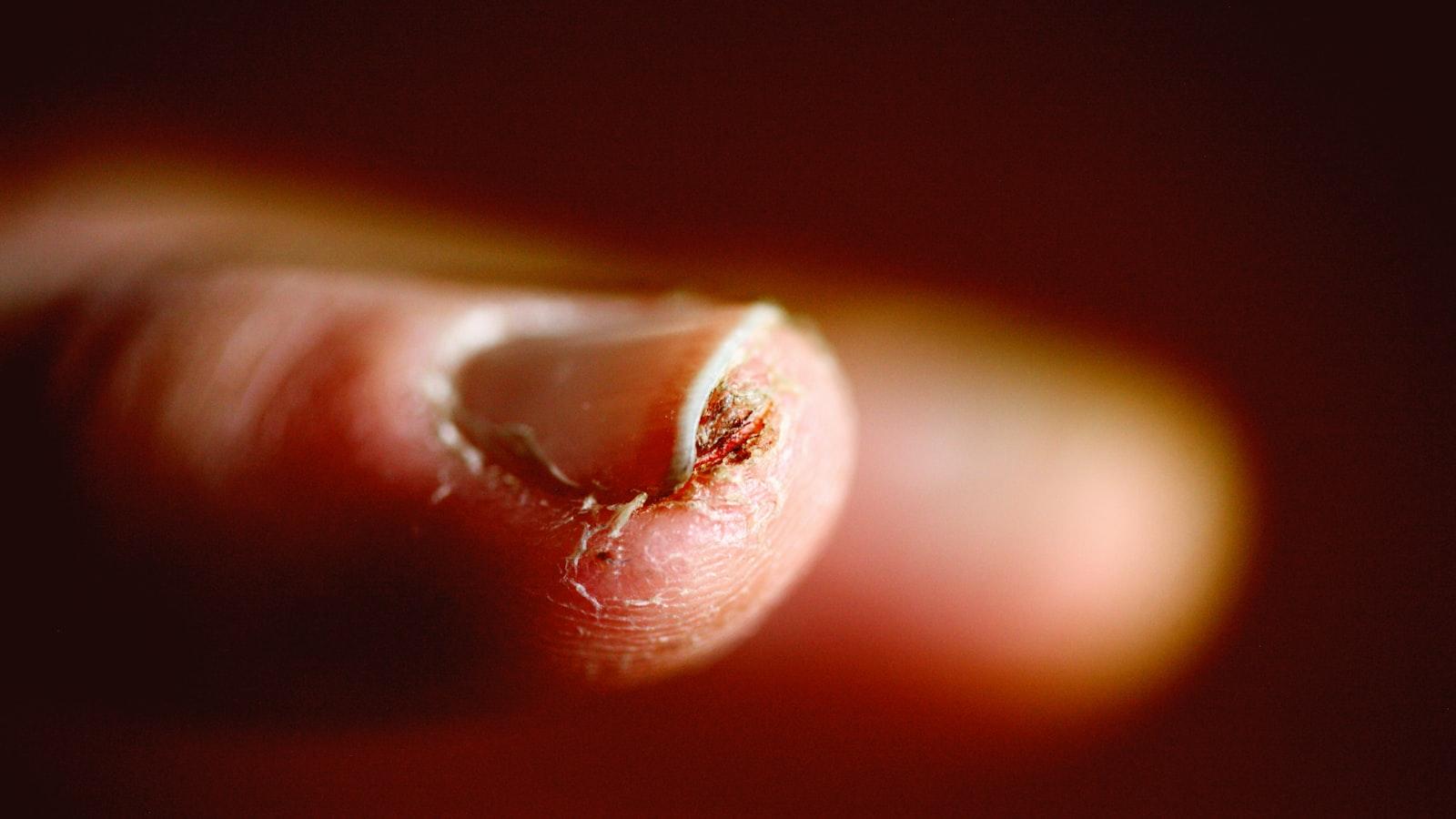
Brittle nails under stress usually happen for a few practical reasons: you’re doing more “wet work” and picking at nails, you’re not eating enough protein or iron, or stress is unmasking a thyroid slowdown that dries everything out. Stress itself can also push more nails into a rough, fragile growth cycle, so the breakage shows up weeks later. A few targeted blood tests can help you figure out which of these is actually driving your nail changes. When your nails start peeling or snapping, it’s easy to assume it’s “just cosmetic,” but nails are made of protein and they grow slowly, which means they reflect what your body has been dealing with over the last 2–6 months. Stress can change your routines, your appetite, and your hormones, and all of that shows up at the nail edge where you’re seeing splits. This guide walks you through the most common causes, what helps in real life, and which labs are worth checking. If you want help matching your pattern to a likely cause, PocketMD can talk it through with you, and Vitals Vault labs can help you confirm what’s going on.
Why your nails get brittle under stress
More wet-dry cycles and chemicals
When you’re stressed, you often wash your hands more, clean more, or use more sanitizer, and that repeated wet-then-dry cycle swells and shrinks the nail plate until it starts to peel. Detergents and acetone strip the natural oils that keep the nail flexible, so the tips split instead of bending. The giveaway is brittle, flaky edges plus dry cuticles, especially if it’s worse on your dominant hand. The fix starts with protecting nails from water and solvents, not just adding supplements.
Picking, biting, and micro-trauma
Stress habits like picking at polish, biting, or using your nails as tools create tiny cracks that travel forward as the nail grows. You might not notice the damage until a week later when the crack reaches the free edge and suddenly a nail snaps. If your breakage is uneven and you see ragged cuticles or sore skin around the nail, behavior is likely a big part of the story. Treat it like a nervous-system habit, not a willpower problem, and set up barriers that make picking harder.
Low iron stores (low ferritin)
Iron helps your body make healthy keratin, and low iron stores can make nails thin, soft, and prone to splitting even before you become anemic. Stress can worsen this indirectly because appetite drops, meals get repetitive, or heavy periods feel harder to manage. You might also notice fatigue, feeling colder than usual, or more hair shedding along with the nail changes. Checking ferritin is the most direct way to see whether your “iron tank” is running low.
Thyroid slowdown drying everything out
If your thyroid is underactive, your skin and nails often get drier and grow more slowly, which makes nails feel rigid and breakable. Stress does not “cause” hypothyroidism, but it can make symptoms more obvious because you’re already tired and your routines are stretched thin. If brittle nails come with constipation, puffy face, weight gain, or feeling unusually cold, it’s worth checking your thyroid-stimulating hormone (TSH). This is especially important if you have a personal or family history of thyroid disease.
Not enough protein and calories
Nails are built from protein, so when stress leads to skipped meals, low appetite, or dieting, your body may prioritize more urgent needs over nail growth. The result is slower growth and weaker nail layers that peel like thin cardboard. You’ll often see this alongside more breakage at the same time your hair feels drier or you’re losing muscle tone. A simple takeaway is to anchor one protein-forward meal or snack daily while your stress is high, because nails cannot “catch up” without building blocks.
What actually helps brittle nails
Switch to nail-protective hand care
Make water and soap less damaging by using a thick, fragrance-free hand cream after every wash and a cuticle oil at night so the nail plate stays flexible. If you use sanitizer often, follow it with moisturizer right away because alcohol dries nails fast. For dishes or cleaning, gloves matter more than any supplement because they remove the main trigger. You should notice less peeling within 2–3 weeks, even though full nail regrowth takes months.
File, don’t clip, and seal edges
Clipping can create tiny fractures that turn into splits, especially when nails are already dry. Use a fine-grit file and shape in one direction, then lightly buff just the rough edge so it doesn’t catch and tear. If your nails peel in layers, keeping them slightly shorter for a month prevents repeated trauma while new, stronger nail grows in. A clear strengthening base coat can act like “tape” over weak spots as long as you remove it gently without scraping.
Treat iron deficiency if labs confirm
If ferritin is low, food alone can be slow to refill your stores, so your clinician may recommend an iron supplement that you take consistently for a few months. Iron works best when you take it away from calcium and with vitamin C, and it often causes constipation unless you adjust the dose or form. Nail improvement is delayed because nails grow slowly, so you’re looking for steadier growth and fewer splits over 8–12 weeks. The key is rechecking ferritin to make sure you’re actually replenishing, not just guessing.
Address thyroid imbalance, not just nails
If your TSH suggests hypothyroidism, treating the thyroid issue usually helps nails gradually become less dry and more resilient. What you feel day-to-day often improves before nails do, because energy and skin hydration shift faster than nail growth. Do not start iodine or thyroid supplements on your own, since too much can worsen some thyroid conditions. Bring your symptoms and lab results to a clinician so you can decide on a safe plan.
Use stress tools that stop nail damage
Generic “reduce stress” advice is useless unless it changes what your hands are doing, so pick one tool that interrupts picking or biting in the moment. A fidget ring, textured worry stone, or even a bandage on your most-picked finger can give your nervous system an alternative outlet. If anxiety is driving the habit, short, frequent downshifts work better than one long session, like two minutes of slow breathing before meetings and at bedtime. The goal is fewer micro-injuries, because nails can’t strengthen while they’re being re-damaged daily.
Useful biomarkers to discuss with your clinician
Ferritin
Ferritin is your body's iron storage protein, reflecting total iron stores in the body. In functional medicine, ferritin assessment is crucial for identifying both iron deficiency and iron overload, conditions that can significantly impact energy levels and overall health. Low ferritin is the earliest sign of iron deficiency, often occurring before anemia develops. This can cause fatigue, weakness, restless leg syndrome, and cognitive impairment. Conversely, elevated ferritin may indicate iron overload, inflamma…
Learn moreTSH
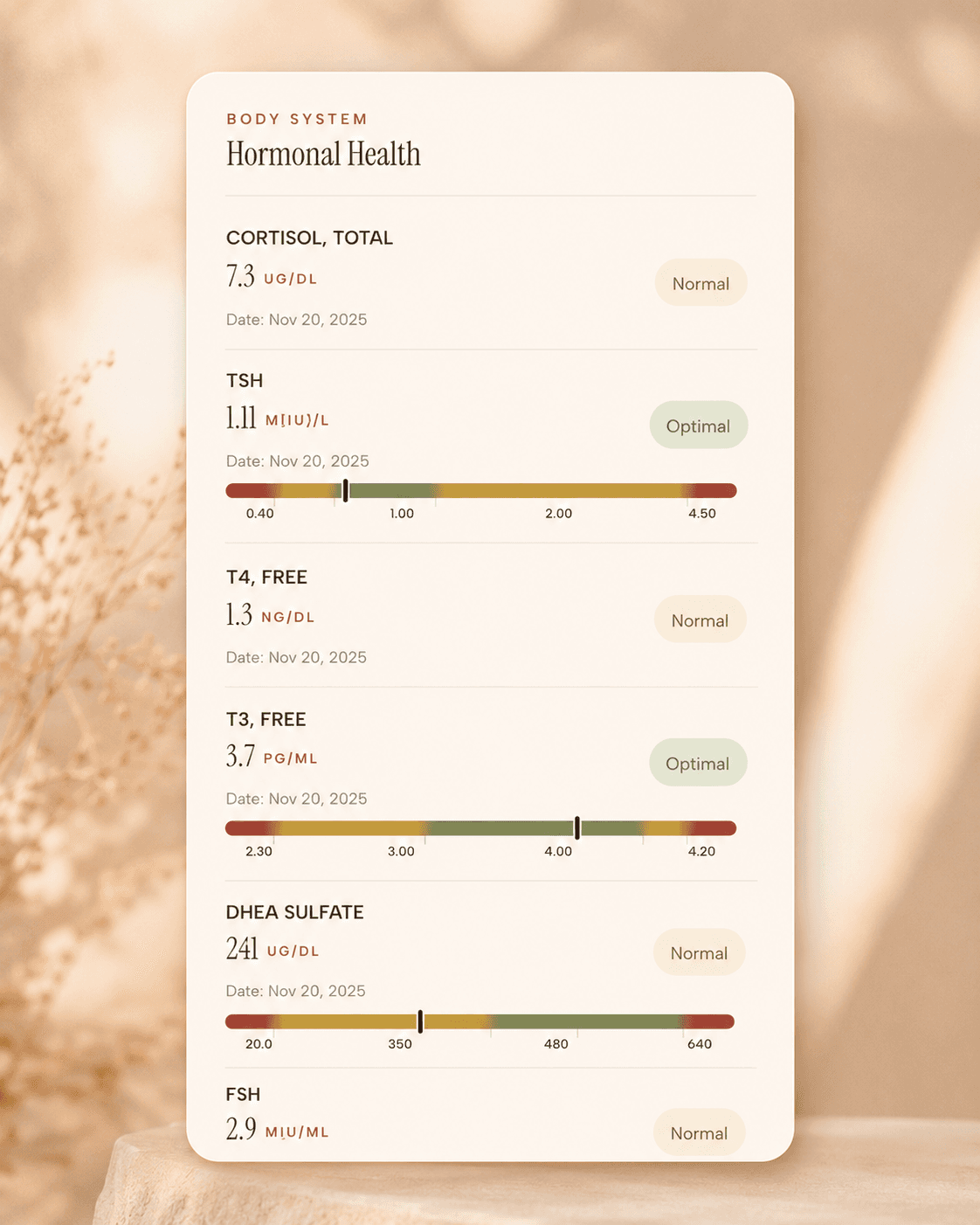
TSH is the master regulator of thyroid function, controlling the production of thyroid hormones T4 and T3. In functional medicine, we use narrower TSH ranges than conventional medicine to identify subclinical thyroid dysfunction early. Even mildly elevated TSH can indicate thyroid insufficiency, leading to fatigue, weight gain, depression, and metabolic dysfunction. TSH levels are influenced by stress, nutrient deficiencies, autoimmune conditions, and environmental toxins. Optimal TSH supports energy, metabolism…
Learn moreProtein, Total
Total protein levels reflect nutritional status, liver function (protein synthesis), and kidney function (protein retention). Abnormal levels can indicate liver disease, kidney disease, malnutrition, inflammation, or blood cancers. It provides a general overview of protein metabolism. Total protein measures the combined amount of albumin and globulins in blood. These proteins are essential for maintaining fluid balance, transporting substances, fighting infections, and blood clotting.
Learn moreLab testing
Check ferritin, TSH, and vitamin D at Quest
starting from $99 panel with 100+ tests, one visit
No referral needed
About 1 week
Schedule online — results typically within a week
Clear next steps
Guidance included, with follow-up care available
HSA / FSA
Eligible for pre-tax health spending accounts
Pro Tips
Do a two-week “nail audit”: take a quick photo every three days and note whether you used sanitizer, acetone, or cleaning products that day. Patterns show up fast, and you can usually link peeling to specific exposures.
If your nails peel in layers, stop soaking them to “soften cuticles.” Instead, soften cuticles after a shower for 30 seconds, push back gently, and moisturize, because long soaks make peeling worse.
Put a small tube of thick cream next to your soap and make it a rule that you moisturize before you leave the sink. This one habit often reduces splitting more than any single supplement.
If you suspect low iron, look at your period history and your diet before you blame stress alone. Heavy bleeding plus brittle nails is a strong reason to check ferritin and not wait it out.
If you take biotin for nails, stop it for at least 48–72 hours before blood tests unless your clinician says otherwise, because it can distort some lab results and create confusing false alarms.
Frequently Asked Questions
Can stress really cause brittle nails?
Stress can contribute, but it usually works indirectly by changing your habits and your intake. More handwashing, sanitizer, picking, and skipped protein-rich meals can all weaken nails, and the damage shows up weeks later as peeling and splits. If brittle nails are new and persistent, checking ferritin and TSH helps rule out low iron stores or thyroid issues. Start by protecting nails from wet-dry cycles while you investigate.
How long does it take for brittle nails to improve?
You can often see less peeling within 2–3 weeks once you reduce water and chemical exposure, but full improvement takes longer because fingernails grow about 3 millimeters per month. That means a completely new nail plate can take 4–6 months to grow out. If you are correcting low ferritin or a thyroid issue, expect nail changes to lag behind how you feel. Take monthly photos so you can actually see progress.
Is biotin worth taking for brittle nails?
Biotin helps some people with brittle nails, but the evidence is modest and it is not a guaranteed fix if the real issue is iron deficiency, thyroid imbalance, or repeated wet work. A practical approach is to address damage and nutrition first, then consider a time-limited trial if you still need it. Biotin can interfere with certain lab tests, so pause it for 48–72 hours before bloodwork unless your clinician advises differently. If you try it, reassess after 8–12 weeks rather than taking it indefinitely.
What vitamin deficiency causes peeling nails?
Peeling nails are often more about physical damage and dryness than a single vitamin, but low iron stores (low ferritin) are a common, fixable contributor. Low vitamin D can also travel with dry skin and slower repair, especially if stress keeps you indoors. If you want a focused lab approach, ferritin and 25-hydroxy vitamin D are reasonable starting points, and TSH is smart if you also feel cold or fatigued. Use the results to guide supplements instead of guessing.
When should I worry that brittle nails are a sign of something serious?
It’s worth getting checked if brittle nails come with major fatigue, shortness of breath, unexplained weight change, or new hair loss, because those can point to iron deficiency or thyroid problems. You should also seek care if one nail changes color, thickens, lifts, or develops a dark streak, since that can be a local nail condition that needs an exam. For most people, the highest-yield first labs are ferritin and TSH, with vitamin D as a helpful add-on. If you’re unsure what fits your situation, bring a photo timeline and your symptom notes to a clinician.
What the research says about brittle nails
Biotin can improve brittle nails in some people, but evidence is limited and it can interfere with lab tests
Iron deficiency without anemia is common and can affect hair and nails; ferritin helps identify low iron stores
American Thyroid Association guidance on hypothyroidism evaluation and treatment (relevant when brittle nails come with fatigue and dry skin)