Chronic Pain During Period: Causes, Relief, and Lab Tests
Chronic pain during period often comes from endometriosis, prostaglandin-driven cramps, or inflammation flares. Targeted labs, no referral needed.





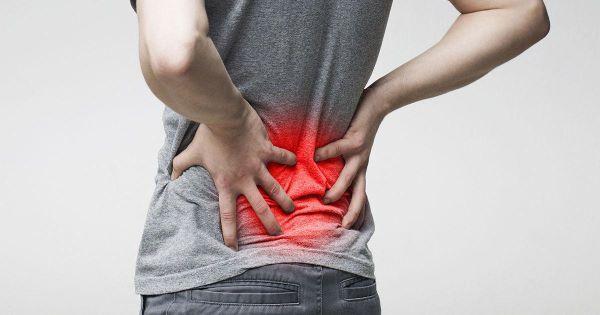
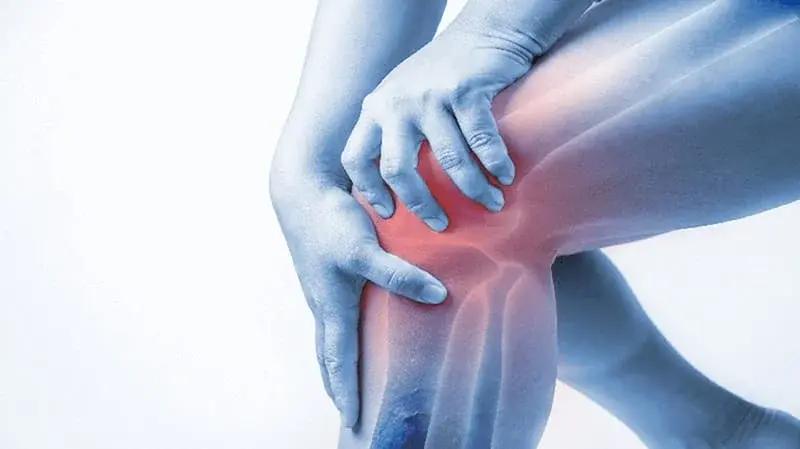
Chronic pain during your period usually happens because your uterus releases extra pain-triggering chemicals (prostaglandins), because a condition like endometriosis is inflaming pelvic nerves, or because your whole-body pain system is already sensitized and your cycle acts like a monthly “volume knob.” The right labs can help you tell the difference between an inflammation flare, iron issues that worsen fatigue and pain tolerance, and other contributors. If your period pain is intense enough to make you miss work, need stronger and stronger meds, or feel pain on most days of the month, you are not being “dramatic.” Period-related pain can be a local pelvic problem, a hormone-and-immune problem, or a nervous-system sensitivity problem, and sometimes it is a mix. This guide walks you through the most common root causes, what tends to help in real life, and which blood tests can add clarity. If you want help matching your exact pattern to the most likely cause, PocketMD can talk it through with you, and Vitals Vault labs can support the next step when testing makes sense.
Why chronic pain can spike during your period
High prostaglandins amplify cramping pain
Right before and during bleeding, your uterus makes more pain-triggering chemicals called prostaglandins. When levels run high, the uterus squeezes harder and blood flow briefly drops, which can feel like deep, gripping cramps that radiate into your back or thighs. Taking an anti-inflammatory medicine early (before pain peaks) often works better for this cause than waiting until you are already doubled over.
Endometriosis irritates pelvic nerves
With endometriosis, tissue similar to the uterine lining grows outside the uterus and bleeds and inflames with your cycle. That inflammation can tug on organs and irritate nerves, so pain may start days before bleeding, linger after, or show up with sex, bowel movements, or urination. If your pain is progressive over time or you have pain outside the first 1–2 days of flow, it is worth asking directly about endometriosis rather than accepting “bad cramps” as the whole story.
Adenomyosis makes the uterus tender
Adenomyosis happens when lining-like tissue grows into the muscle wall of the uterus, which can make the uterus enlarged and sore. The pain often feels heavy and aching, and bleeding can be very strong with clots because the muscle cannot contract as efficiently. If you notice a “brick-like” pelvic heaviness and very heavy flow, an ultrasound or MRI discussion is a practical next step.
Central sensitization turns pain volume up
If you live with fibromyalgia or long-term pain, your nervous system can become extra reactive to normal signals, which is called pain amplification (central sensitization). Hormone shifts and poor sleep around your period can lower your pain threshold, so the same cramps or joint aches feel much bigger and more widespread. For this cause, the goal is not only to treat cramps, but also to protect sleep and reduce the overall flare cycle that keeps your nervous system on high alert.
Inflammation or anemia worsens tolerance
When your body is inflamed, pain signals travel more easily and recovery feels slower, which can make period-related aches feel like a whole-body crash. Low iron stores can add fatigue, shortness of breath, and restless legs, and that exhaustion makes pain harder to cope with even if the pelvic issue is unchanged. If your pain comes with unusual fatigue or you bruise easily and feel wiped out, checking ferritin and a blood count can uncover a fixable contributor.
What actually helps you function
Use anti-inflammatories with timing
For prostaglandin-driven pain, timing matters as much as the dose. If you can predict day 1, starting an NSAID with food at the first hint of cramps, or even the night before for very regular cycles, can blunt the chemical surge that drives the worst pain. If you have kidney disease, ulcers, are on blood thinners, or might be pregnant, ask a clinician for a safer plan rather than pushing through with higher doses.
Heat plus movement for muscle guarding
When pain hits, your pelvic floor and low back often tighten defensively, which can trap you in a spasm loop. A heating pad on the lower abdomen or back for 20–30 minutes, followed by a short walk or gentle hip-opening stretches, can reduce that guarding and make medication work better. The “so what” is simple: you are not just soothing pain, you are telling your muscles they can stop bracing.
Hormonal suppression if pain is cyclic
If your pain predictably tracks your cycle, reducing ovulation and bleeding can reduce the monthly inflammatory trigger. Options include continuous combined birth control, a progestin-only method, or a hormonal IUD, and the best choice depends on migraine history, clot risk, and bleeding patterns. This is especially useful when endometriosis or adenomyosis is suspected, because fewer cycles often means fewer flares.
Pelvic floor physical therapy
Chronic pelvic pain often trains your pelvic floor muscles to stay “on,” which can cause burning, pressure, and pain with sex or bowel movements even when bleeding is light. A pelvic floor physical therapist can teach relaxation and coordination techniques, and they can address trigger points that you cannot reach on your own. If you have pain with penetration or you feel like you cannot fully relax your pelvis, this is one of the highest-yield non-medication options.
Treat the flare drivers: sleep and iron
If your period reliably wrecks your sleep, your pain system becomes more sensitive the next day, which makes everything feel louder. Building a “flare plan” for the 3–5 days around bleeding—earlier bedtime, a consistent wake time, and limiting alcohol—often reduces the peak pain even if the underlying condition remains. If labs show low ferritin, correcting iron stores can improve energy and reduce the sense that your body is fighting you all month.
Useful biomarkers to discuss with your clinician
Hs Crp
High-sensitivity C-reactive protein (hs-CRP) is a key marker of systemic inflammation and cardiovascular risk. In functional medicine, we recognize hs-CRP as one of the most important predictors of heart disease, stroke, and metabolic dysfunction. Levels above 1.0 mg/L indicate increased inflammation that may be driven by poor diet, chronic infections, autoimmune conditions, or metabolic syndrome. Optimal levels below 0.5 mg/L are associated with the lowest cardiovascular risk and overall inflammatory burden. hs…
Learn moreEstradiol
Estradiol in men is produced from testosterone via aromatase enzyme. In functional medicine, we recognize that men need optimal estradiol levels for bone health, cognitive function, and cardiovascular protection. However, excessive estradiol can suppress testosterone production and cause feminizing effects. The testosterone-to-estradiol ratio is crucial for male health, with optimal balance supporting vitality while preventing estrogen dominance. Balanced estradiol levels in men support bone health and cognitive…
Learn moreProgesterone
While primarily known as a female hormone, progesterone plays important roles in men including neuroprotection, sleep quality, and as a precursor to other hormones. In functional medicine, male progesterone assessment helps evaluate overall hormone synthesis pathways and stress response. Low progesterone in men may indicate chronic stress or adrenal dysfunction, while optimal levels support brain health and sleep quality. Progesterone in men supports neurological health, sleep quality, and serves as a building b…
Learn moreLab testing
Get hs-CRP, ferritin, and a CBC checked at Quest
starting from $99 panel with 100+ tests, one visit
No referral needed
About 1 week
Schedule online — results typically within a week
Clear next steps
Guidance included, with follow-up care available
HSA / FSA
Eligible for pre-tax health spending accounts
Pro Tips
Try a two-cycle pain map: mark where you hurt (pelvis, back, hips, joints), rate it 1–10, and note whether it starts before bleeding or only after flow begins. That single detail often separates “prostaglandin cramps” from conditions like endometriosis.
If NSAIDs are safe for you, test the timing once: take your first dose at the earliest warning sign (or the night before if your cycle is predictable) and compare it to a cycle where you waited until pain was severe. Many people are surprised how much earlier treatment changes the whole day.
If you suspect heavy bleeding, do a practical check: count how often you soak through a pad or tampon in under 2 hours, and whether you pass clots larger than a quarter. Bring those specifics to your visit, because “heavy” means different things to different people.
Build a “period flare kit” for the first 48 hours: a heating pad, a plan for easy meals, and a short list of movements that do not spike pain (like a 10-minute walk or child’s pose). Having it ready reduces the panic and muscle bracing that can make pain feel even worse.
If sex is painful or you feel pelvic burning between periods, ask for pelvic floor physical therapy by name. You do not need to wait for imaging to start, and it can make other treatments work better.
Frequently Asked Questions
Is chronic pain during my period normal?
Mild cramps for a day or two can be common, but pain that makes you miss work, wakes you from sleep, or requires escalating medication is a signal to look deeper. Endometriosis, adenomyosis, and pain amplification can all cause “period pain” that is not normal for your body. Track when the pain starts relative to bleeding and bring that pattern to a clinician.
How do I know if my period pain could be endometriosis?
Endometriosis pain often starts before bleeding, can continue after your period ends, and may show up with sex, bowel movements, or urination. It also tends to worsen over time rather than staying stable year after year. If you have pain on many days of the month or you are not responding to typical NSAID timing, ask specifically about endometriosis evaluation and treatment options.
Why do my fibromyalgia symptoms flare during my period?
Your cycle can affect sleep, stress hormones, and inflammation signals, and all of those can lower your pain threshold when you already have a sensitized nervous system. That means the same physical input can feel more intense and more widespread around bleeding. A practical approach is to protect sleep for 3–5 days around your period and treat cramps early so the flare does not snowball.
What blood tests are worth doing for severe period pain?
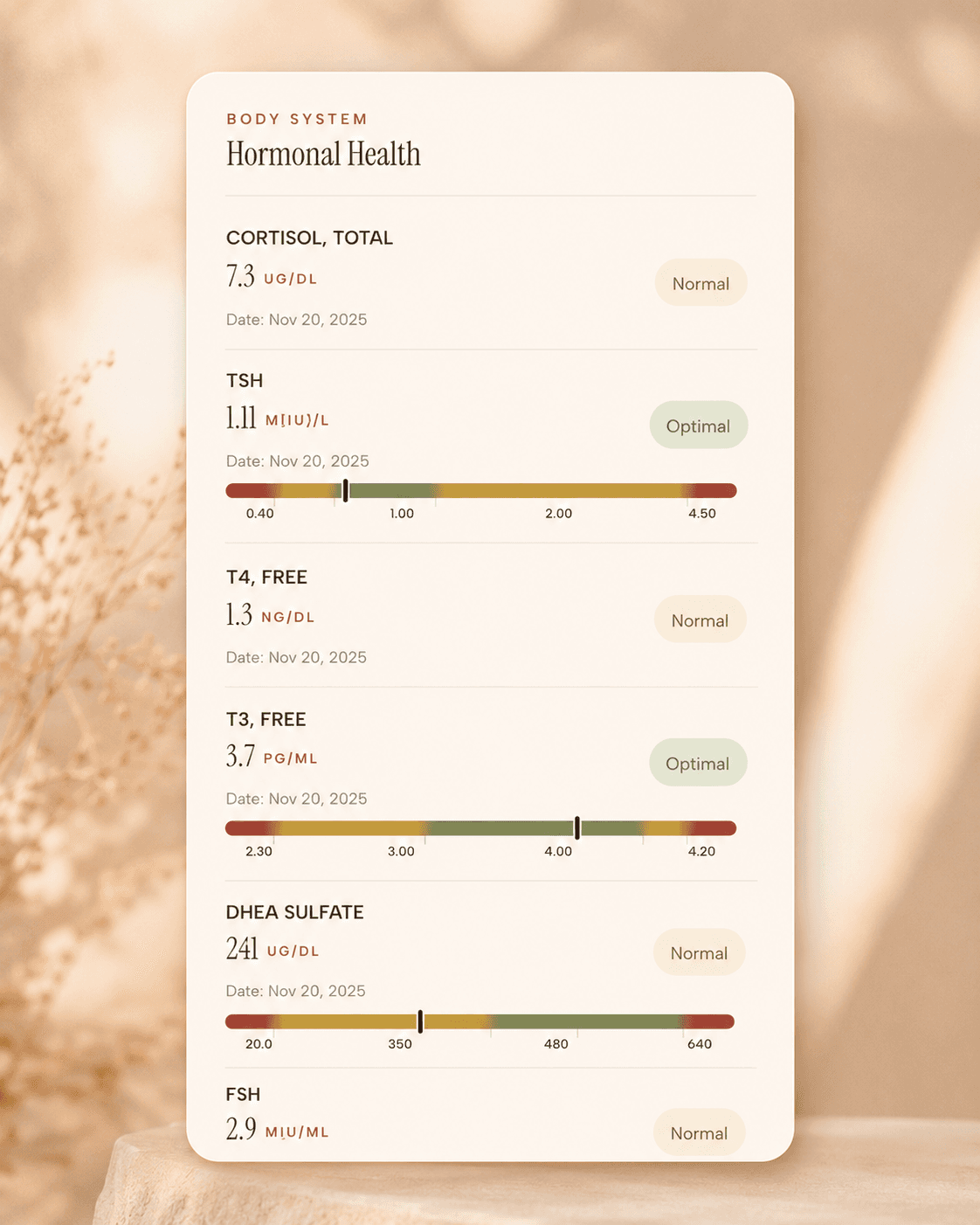
Blood tests cannot diagnose endometriosis, but they can reveal contributors that make pain harder to manage. A CBC can show anemia from heavy bleeding, ferritin can show low iron stores even before anemia, and hs-CRP can suggest a higher inflammatory load that amplifies flares. If any are abnormal, treat what you can while you pursue pelvic evaluation for the root cause.
When should I seek urgent care for period-related pain?
Get urgent help if you have sudden severe one-sided pelvic pain, fainting, shoulder pain, or pain with fever, because those can signal problems like ovarian torsion, ectopic pregnancy, or infection. You should also seek urgent care if you are soaking through pads or tampons every hour for several hours or you feel dizzy and weak from bleeding. If there is any chance you could be pregnant, take a pregnancy test the same day and do not ignore severe pain.