Brittle Nails With Anxiety: Causes, Fixes, and Lab Tests
Brittle nails with anxiety often come from iron or thyroid issues, low zinc, or stress habits like picking. Targeted labs at Quest—no referral needed.





Brittle nails with anxiety usually come from a mix of body changes and habits: low iron stores, thyroid imbalance, or stress-driven picking and washing can all make nails peel, split, and snap. Anxiety can also worsen sleep and appetite, which quietly drains the nutrients nails need to grow strong. A few targeted blood tests can help you figure out which of these is actually driving it for you. It’s frustrating because nails change slowly, so you can feel like you’re “doing everything right” and still watch them break for weeks. The good news is that brittle nails are often a solvable signal, especially when you connect the timing to stress, diet shifts, new meds, or heavier periods. This guide walks you through the most common causes, what helps in real life, and which labs are worth checking. If you want help matching your pattern to the most likely cause, PocketMD can talk it through with you, and Vitals Vault labs can help confirm what your body is missing.
Why brittle nails can show up with anxiety
Low iron stores (ferritin)
Even before you become “anemic,” low iron storage can make nails thin and prone to peeling because nail cells divide fast and need steady oxygen delivery. You might also notice fatigue, feeling cold, restless legs at night, or heavier periods. The practical takeaway is that ferritin is the number that often explains brittle nails, and many people feel best when ferritin is roughly 50–100 ng/mL rather than barely in-range.
Thyroid imbalance slows nail growth
When your thyroid is underactive, your whole “growth and repair” pace slows down, which can make nails grow more slowly and break more easily. Anxiety can still be present with thyroid issues, especially if you’re also dealing with brain fog, dry skin, constipation, or hair shedding. If your brittle nails started alongside other body-wide changes, checking TSH is a simple way to rule this in or out.
Stress habits: picking and biting
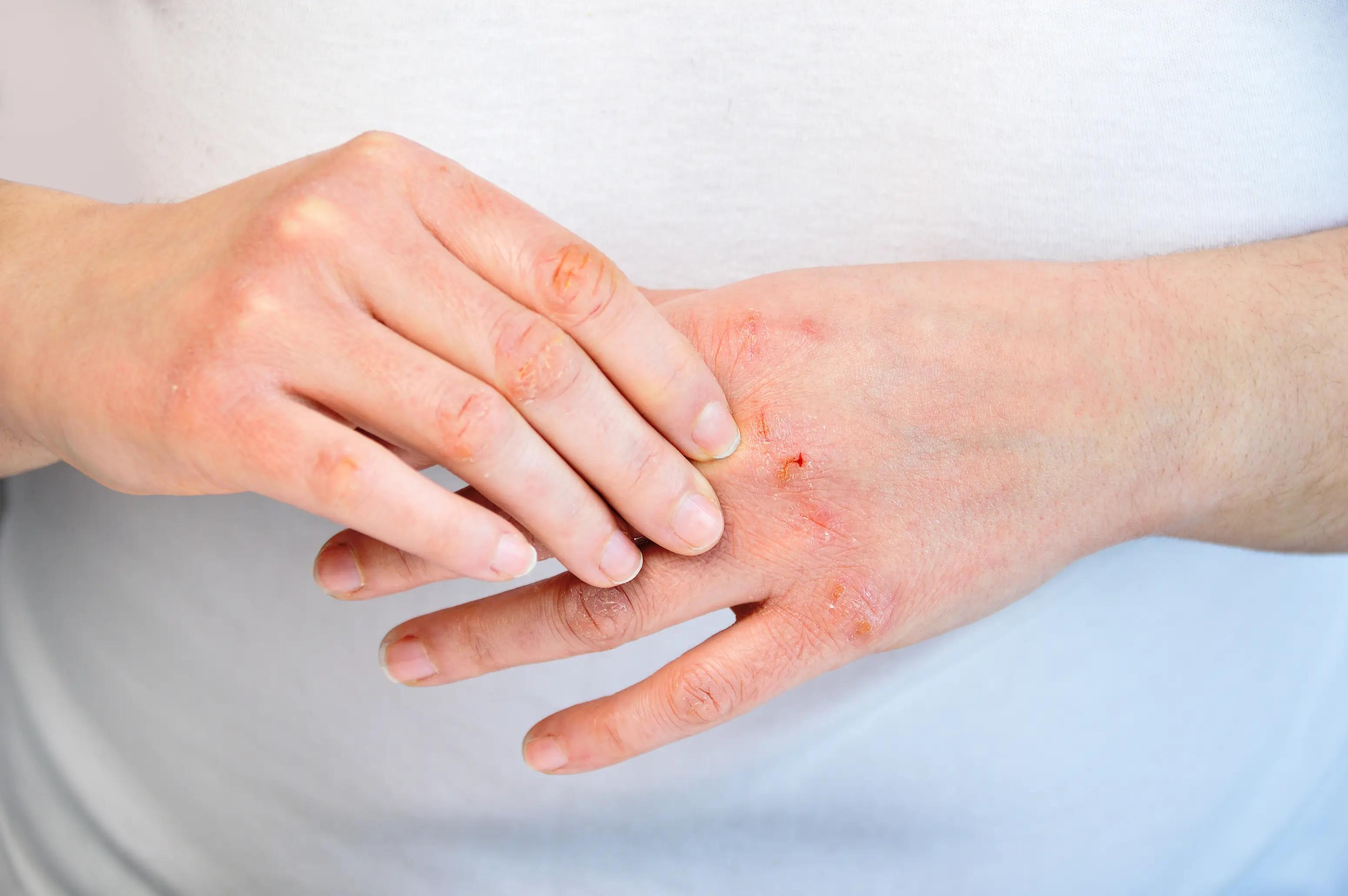
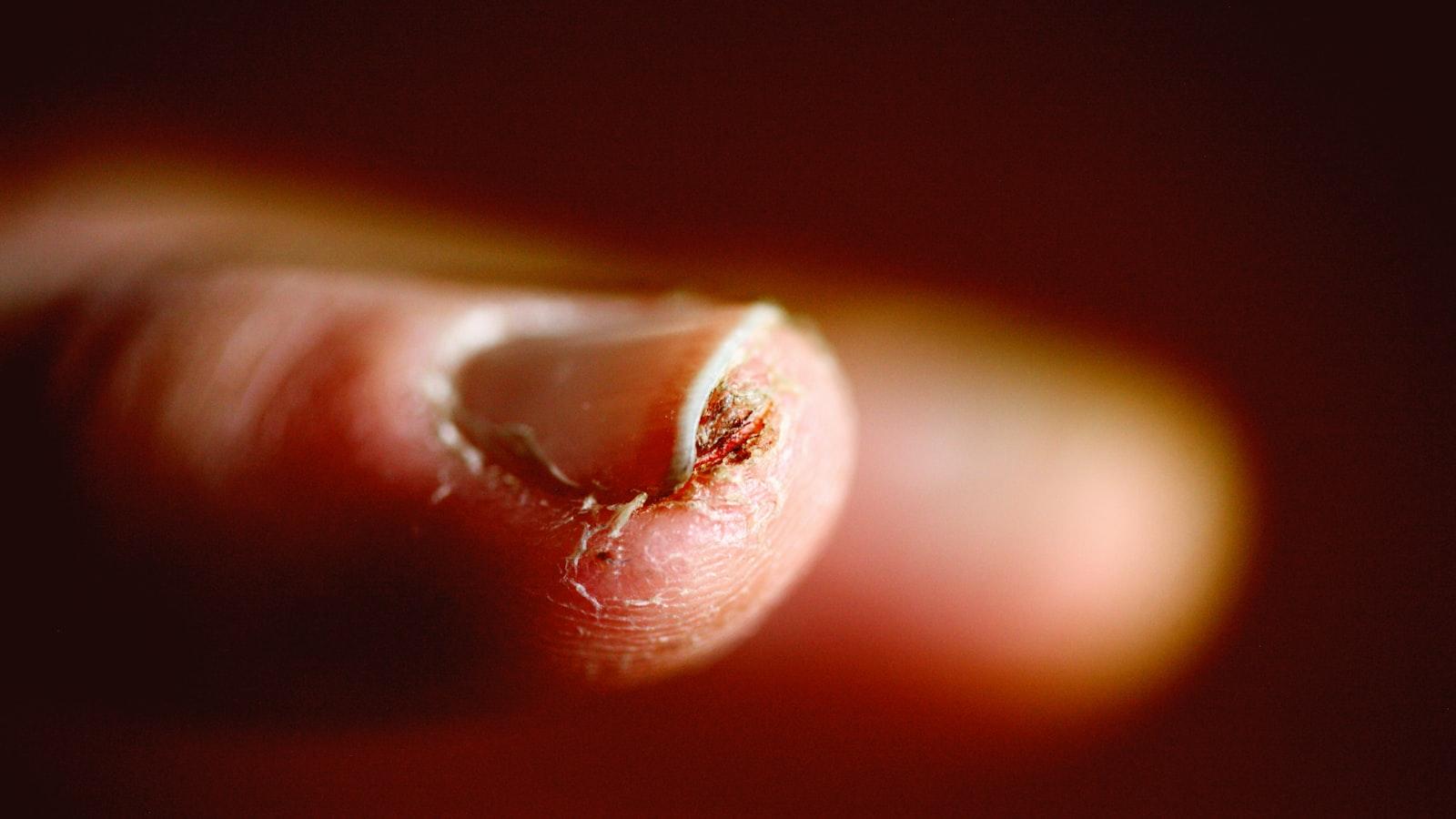
Anxiety often shows up in your hands without you noticing, like picking at cuticles, biting nails, or rubbing the nail edge until it frays. That mechanical trauma creates tiny splits that keep traveling, so the nail keeps peeling even if your nutrition is fine. If one or two fingers are much worse than the rest, that uneven pattern is a big clue that habit and friction are part of the story.
Low zinc intake or absorption
Zinc is a building-block mineral for keratin, the protein your nails are made of, and low levels can show up as weak, slow-growing nails. Anxiety can indirectly contribute by reducing appetite, increasing reliance on low-protein snacks, or triggering stomach upset that makes absorption harder. If you also get frequent infections, poor wound healing, or a reduced sense of taste or smell, zinc becomes a more likely suspect.
Over-washing and harsh products
When you’re anxious, you may wash your hands more often or use strong sanitizers, and that strips oils that keep nails flexible. Dry nails behave like dry wood: they crack instead of bending. The takeaway is simple but specific: if your nails got worse during a high-stress period with more washing, protecting them from water and chemicals can matter as much as any supplement.
What actually helps your nails (and your nerves)
Treat iron deficiency on purpose
If ferritin is low, the fix is not random supplements for a week — it’s a plan for replenishing stores over months. Many people tolerate iron best when they take it every other day with vitamin C, and avoid taking it with coffee, tea, or calcium because absorption drops. Recheck ferritin in about 8–12 weeks so you know you’re moving in the right direction.
Protect nails from water and solvents
Nails swell and shrink with repeated wetting and drying, which creates micro-cracks that turn into peeling. Wearing gloves for dishes and cleaning, and applying a thick moisturizer or cuticle oil after every hand wash, reduces that cycle. If you use gel or acrylics, consider a break because removal can thin the nail plate and make brittleness look “mysterious” when it’s actually mechanical.
Interrupt picking with a replacement
Telling yourself to “stop picking” rarely works when anxiety is high, because your brain is using the habit to discharge tension. A better approach is to make the behavior harder and give your hands a substitute, like a fidget ring, putty, or a smooth stone in your pocket. Keeping nails short and using a bitter nail coating can also buy you time while the urge wave passes.
Use biotin only if it fits
Biotin can help some people with brittle nails, but it is not a cure-all and it can interfere with certain lab tests, including thyroid and heart markers, which can create scary false results. If you try it, use a modest dose and stop it for at least 48–72 hours before bloodwork unless your clinician advises otherwise. Track nail splitting with photos every two weeks, because nails grow slowly and you need an objective way to see change.
Address sleep as a nail strategy
When anxiety wrecks sleep, your stress hormones stay higher and your appetite and food choices often shift, which makes deficiencies more likely. A realistic goal is a consistent wake time and a 30–60 minute wind-down that does not involve doom-scrolling, because that’s when picking and biting often happens. If you snore, wake up gasping, or feel unrefreshed despite enough hours, talk to a clinician because sleep breathing problems can keep your body in repair-deficit mode.
Useful biomarkers to discuss with your clinician
Ferritin
Ferritin is your body's iron storage protein, reflecting total iron stores in the body. In functional medicine, ferritin assessment is crucial for identifying both iron deficiency and iron overload, conditions that can significantly impact energy levels and overall health. Low ferritin is the earliest sign of iron deficiency, often occurring before anemia develops. This can cause fatigue, weakness, restless leg syndrome, and cognitive impairment. Conversely, elevated ferritin may indicate iron overload, inflamma…
Learn moreZinc
Zinc status affects immune function, growth and development, reproductive health, and cognitive function. Deficiency is common worldwide and can impair wound healing, taste perception, and immunity. Adequate zinc is essential for thyroid function, testosterone production, and skin health. Zinc is an essential trace mineral involved in over 300 enzymatic reactions in the body. It plays crucial roles in immune function, wound healing, protein synthesis, DNA synthesis, and cell division.
Learn moreTSH
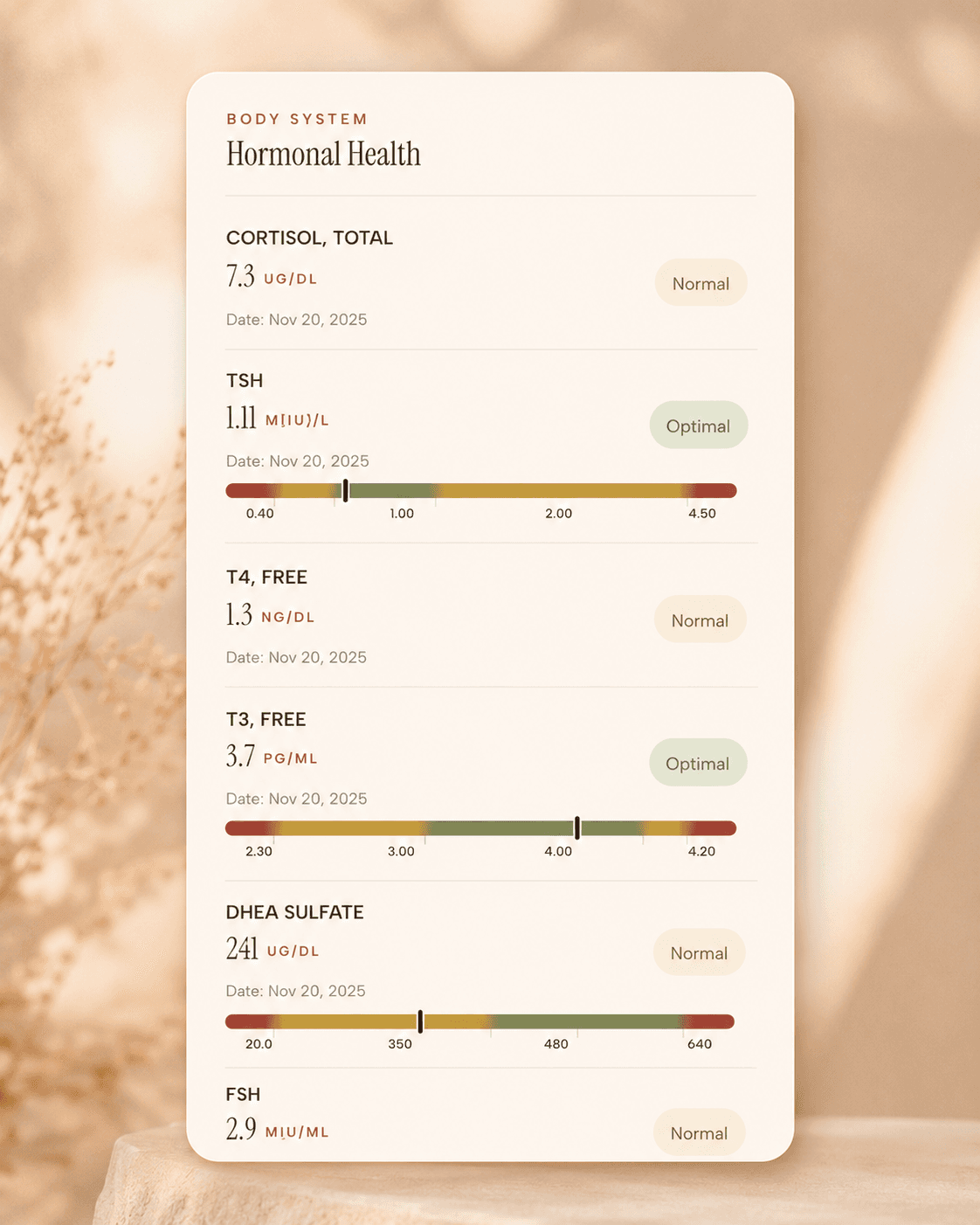
TSH is the master regulator of thyroid function, controlling the production of thyroid hormones T4 and T3. In functional medicine, we use narrower TSH ranges than conventional medicine to identify subclinical thyroid dysfunction early. Even mildly elevated TSH can indicate thyroid insufficiency, leading to fatigue, weight gain, depression, and metabolic dysfunction. TSH levels are influenced by stress, nutrient deficiencies, autoimmune conditions, and environmental toxins. Optimal TSH supports energy, metabolism…
Learn moreLab testing
Check ferritin, TSH, and zinc at Quest
starting from $99 panel with 100+ tests, one visit
No referral needed
About 1 week
Schedule online — results typically within a week
Clear next steps
Guidance included, with follow-up care available
HSA / FSA
Eligible for pre-tax health spending accounts
Pro Tips
Do a quick “pattern check” on your nails: if the same two fingers keep splitting in the same spot, that usually points to picking, tapping, or repeated friction rather than a whole-body deficiency.
For two weeks, take one photo of each hand in the same lighting every Sunday. You’ll spot slow improvement that you would otherwise miss day to day, which helps anxiety not run the show.
After every hand wash, seal in moisture with a thick cream and then a drop of cuticle oil. The cream hydrates and the oil locks it in, which reduces peeling from repeated wet-dry cycles.
If you suspect iron is involved, look for the “cluster”: brittle nails plus fatigue, feeling cold, hair shedding, or heavier periods. That cluster is a strong reason to check ferritin instead of guessing.
If you start any supplement for nails, write down the dose and the start date in your notes app. If you later get labs (especially thyroid tests), you’ll know what might be affecting the results.
Frequently Asked Questions
Can anxiety actually cause brittle nails?
Yes, but it’s usually indirect. Anxiety can drive picking and biting, increase hand washing, and disrupt sleep and appetite, which makes nutrient gaps more likely. If your nails are brittle and you also have fatigue, hair shedding, or heavy periods, check ferritin and TSH so you’re not blaming stress for something treatable.
What vitamin deficiency causes nails to peel and split?
Iron deficiency is one of the most common drivers, and it often shows up as low ferritin even before anemia appears. Low zinc can also contribute, especially if your diet is low in protein or you have frequent infections. A practical next step is to test ferritin and zinc, then supplement based on results rather than guessing.
What ferritin level is best for brittle nails?
There isn’t one perfect number for everyone, but brittle nails and hair symptoms are more common when ferritin is low or borderline. Many clinicians aim for ferritin roughly 50–100 ng/mL when symptoms are present, even if the lab “normal” range starts much lower. If your ferritin is low, recheck it after about 8–12 weeks of a consistent plan.
Can thyroid problems cause brittle nails and anxiety?
They can, because thyroid imbalance affects energy, sleep, and how fast your nails grow. An underactive thyroid often brings brittle nails with dry skin, constipation, and hair thinning, while an overactive thyroid can feel like anxiety with a racing heart and heat intolerance. Checking TSH is a straightforward way to see whether your thyroid is part of the picture.
Does biotin help brittle nails, and is it safe?
Biotin helps some people, but the evidence is mixed and it works slowly because nails take months to grow out. The bigger safety issue is that higher-dose biotin can interfere with lab tests, including thyroid and some heart tests, and that can lead to confusing results. If you use it, stop biotin for 48–72 hours before bloodwork and track progress with photos every two weeks.