Hair Thinning With Anxiety: What It Usually Means
Hair thinning with anxiety is often stress shedding, low iron, or thyroid imbalance. Pinpoint your cause with targeted labs—no referral needed.





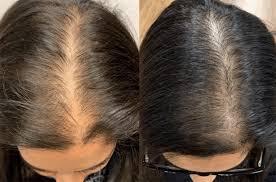
Hair thinning with anxiety is most often a temporary shedding pattern triggered by stress, but it can also be your body flagging low iron stores or a thyroid imbalance. Anxiety can push more hairs into the “resting” phase, so you notice extra shedding weeks later, and labs can help confirm whether iron or thyroid issues are adding fuel to the fire. The frustrating part is that hair loss rarely matches your timeline in a neat way. You can feel anxious now, but your hair may start shedding two or three months later, which makes it easy to blame the wrong thing. This page helps you sort out what type of thinning you’re seeing, what causes are most common when anxiety is involved, and what you can do that actually moves the needle. If you want help connecting your symptoms, meds, and lab results into one story, PocketMD can talk it through with you, and Vitals Vault labs can help you check the most relevant markers without turning this into a months-long guessing game.
Why hair thins when anxiety is high
Stress shedding (telogen effluvium)
When your stress system stays switched on, more hair follicles shift early into a resting phase, and those hairs shed later when you wash or brush. That delay is why you can feel “better” emotionally and still see more hair in the drain. The most helpful clue is timing: a stressful period, illness, or major life change often shows up as shedding about 6–12 weeks afterward.
Low iron stores (low ferritin)
You can have “normal” hemoglobin and still have low iron reserves, and hair follicles are one of the first places your body cuts back when iron is tight. This often feels like diffuse thinning rather than bald patches, and your ponytail may feel smaller. A ferritin test helps here, and many hair specialists aim for ferritin above about 50 ng/mL for regrowth, even if the lab’s lower limit is much lower.
Thyroid imbalance slowing growth
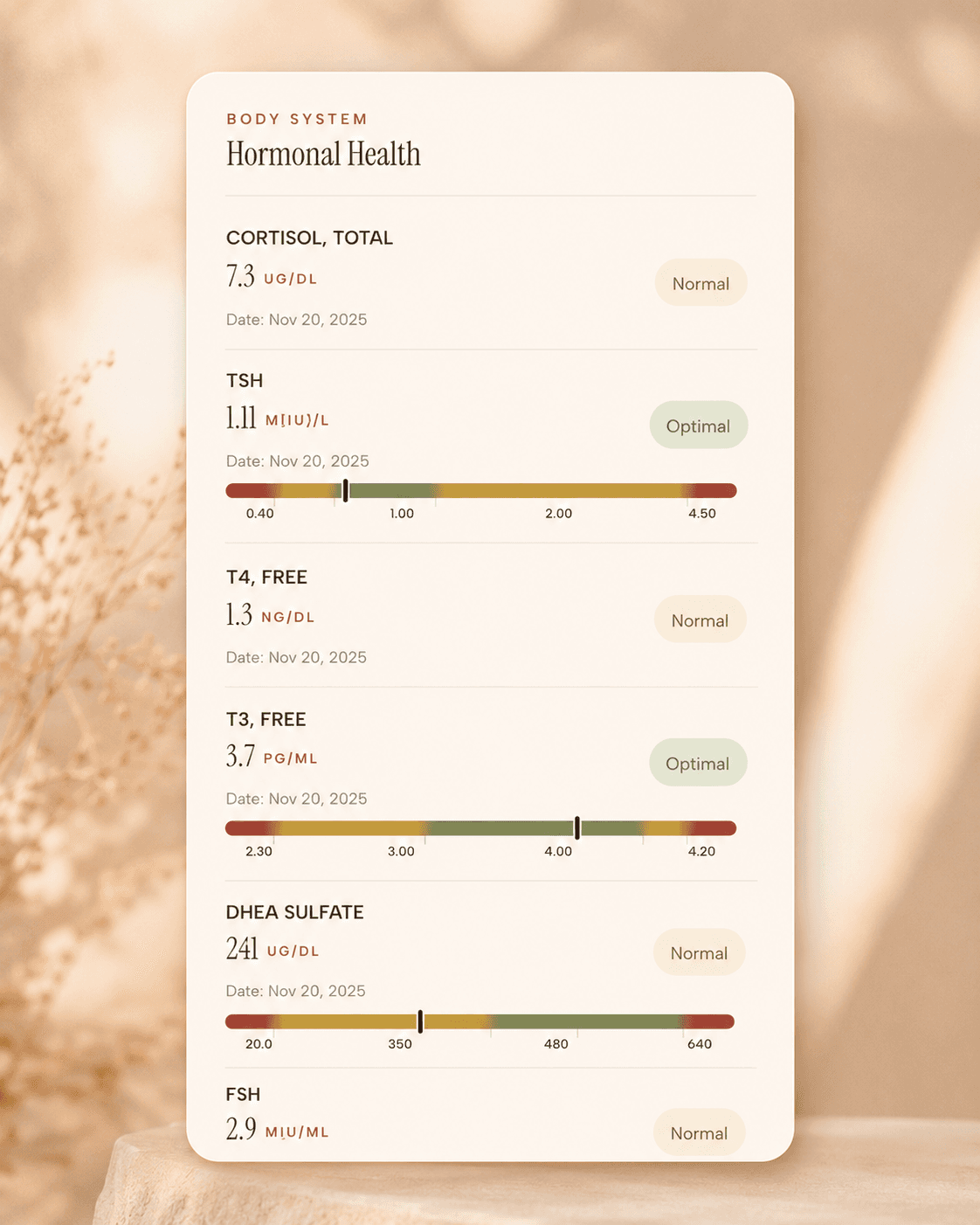
If your thyroid is underactive, your hair growth cycle slows down, so hairs stay in the resting phase longer and new growth comes in more slowly. You might also notice dry skin, constipation, feeling cold, or heavier periods, which can overlap with anxiety and make the whole picture confusing. A TSH test is a good starting point, and if it is off, your clinician may add free T4 and thyroid antibodies to clarify what’s going on.
Postpartum hormone shift and sleep loss
After pregnancy, estrogen drops quickly and many follicles enter the resting phase together, which leads to noticeable shedding around 2–4 months postpartum. Anxiety and broken sleep can make the shedding feel even more alarming, but this pattern is usually temporary. The takeaway is to watch for regrowth: short “baby hairs” along your hairline by 6–9 months postpartum is a reassuring sign.
Anxiety-related habits that break hair
When anxiety is high, some people rub their scalp, twist hair, pick at split ends, or wear tight styles for comfort, and that can cause breakage that looks like thinning. This is different from shedding because the hairs are shorter and uneven, and you may see frayed ends rather than a white bulb at the root. If this sounds like you, a gentle change like switching to a loose style and keeping hands busy during peak anxiety can protect what you have while you work on the underlying stress.
What actually helps hair grow back
Match your timeline to the trigger
For stress shedding, the most powerful move is simply identifying the 6–12 week lag so you stop chasing the wrong cause. Write down the month shedding started, then look back for a stress spike, illness, surgery, crash diet, or medication change. Once the trigger is over, shedding usually improves over the next 3–6 months, although the mirror can take longer to catch up.
Treat low ferritin thoughtfully
If ferritin is low, iron repletion can reduce shedding and support regrowth, but it takes time because you are rebuilding stores. Many people do better with a clinician-guided plan that includes the dose, the form of iron, and a recheck in about 8–12 weeks. If iron upsets your stomach, taking it every other day is often easier and can still work well.
Address thyroid issues, not just anxiety
If your thyroid labs suggest hypothyroidism, treating the thyroid problem can make hair regrowth possible again, even if you still have anxiety. Hair changes lag behind lab improvements, so it is normal to see regrowth months after your TSH normalizes. Ask your clinician what TSH target makes sense for you, because “normal range” and “optimal for your symptoms” are not always the same conversation.
Consider topical minoxidil for regrowth
Topical minoxidil can help extend the growth phase of hair and is especially useful if you also have pattern thinning on the crown or widening part. The catch is that a brief increase in shedding can happen in the first 2–8 weeks, which is scary but often means follicles are cycling into new growth. If you try it, commit to at least 4–6 months before judging results, and stop if you develop scalp irritation that doesn’t settle.
Protect hair while your body recovers
When shedding is active, your goal is to minimize breakage so the hair you keep looks fuller. Use a wide-tooth comb on wet hair, avoid tight ponytails and heavy extensions, and keep heat styling gentle and less frequent. If you see sudden smooth bald patches, scaling, or a painful scalp, that is a different category of hair loss and is worth a prompt dermatology visit.
Lab tests that help explain hair thinning with anxiety
Ferritin
Ferritin is your body's iron storage protein, reflecting total iron stores in the body. In functional medicine, ferritin assessment is crucial for identifying both iron deficiency and iron overload, conditions that can significantly impact energy levels and overall health. Low ferritin is the earliest sign of iron deficiency, often occurring before anemia develops. This can cause fatigue, weakness, restless leg syndrome, and cognitive impairment. Conversely, elevated ferritin may indicate iron overload, inflamma…
Learn moreTSH
TSH is the master regulator of thyroid function, controlling the production of thyroid hormones T4 and T3. In functional medicine, we use narrower TSH ranges than conventional medicine to identify subclinical thyroid dysfunction early. Even mildly elevated TSH can indicate thyroid insufficiency, leading to fatigue, weight gain, depression, and metabolic dysfunction. TSH levels are influenced by stress, nutrient deficiencies, autoimmune conditions, and environmental toxins. Optimal TSH supports energy, metabolism…
Learn moreIron Binding Capacity
TIBC helps distinguish between different causes of abnormal iron levels. High TIBC indicates iron deficiency (the body increases transferrin to capture more iron), while low TIBC suggests iron overload or chronic disease. It's essential for accurate iron status assessment. Total Iron Binding Capacity (TIBC) measures the blood's capacity to bind iron with transferrin, the main iron transport protein. It indirectly reflects transferrin levels and iron status.
Learn moreLab testing
Check ferritin, TSH, and vitamin D at Quest
starting from $99 panel with 100+ tests, one visit
No referral needed
About 1 week
Schedule online — results typically within a week
Clear next steps
Guidance included, with follow-up care available
HSA / FSA
Eligible for pre-tax health spending accounts
Pro Tips
Do a 60-second “shed check” for one week: after brushing, estimate whether you are seeing roughly under 100 hairs a day or clearly more than that, and note wash days separately because they concentrate shedding.
Look at the hairs you lose. If many have a tiny white bulb at one end, that supports shedding; if most are short snapped pieces without a bulb, think breakage and change styling and friction first.
Take three photos today (front hairline, top part, and ponytail thickness) in the same lighting, then repeat monthly. Your brain will remember the worst day, but photos show whether you are actually improving.
If you suspect iron is involved, pair your iron supplement with vitamin C and avoid taking it with coffee, tea, or calcium within two hours, because those can block absorption and slow your progress.
If anxiety drives scalp rubbing or twisting, give your hands a replacement during high-stress moments, like a textured fidget or a hair clip you can open and close, so you protect your hair without relying on willpower alone.
Frequently Asked Questions
Can anxiety really cause hair thinning?
Yes. Ongoing anxiety can trigger stress shedding (telogen effluvium), where more hairs shift into a resting phase and shed about 6–12 weeks later. It is usually diffuse thinning rather than a single bald spot. If shedding is heavy or lasts longer than about 6 months, it is worth checking ferritin and TSH to look for a fixable contributor.
How long does stress-related hair loss last?
Stress shedding often peaks for a few weeks and then gradually improves, but the whole cycle can take 3–6 months to calm down once the trigger is addressed. Visible fullness can take longer because regrowth starts as short hairs that need time to lengthen. If you are still worsening after 6 months, get evaluated for iron deficiency, thyroid issues, or pattern hair loss.
What blood tests should I get for hair thinning with anxiety?
A focused starting set is ferritin for iron stores, TSH for thyroid function, and 25-hydroxy vitamin D for a common deficiency that can slow recovery. These tests help separate “temporary shedding” from a correctable internal driver. Bring your results and your symptom timeline to a clinician so the numbers are interpreted in context.
Is hair thinning from anxiety reversible?
Stress shedding is often reversible because the follicles are not permanently damaged, but you have to give your hair cycle time to reset. Reversibility is less straightforward if you also have genetic pattern thinning, thyroid disease, or ongoing iron deficiency. The practical move is to treat what is treatable and track monthly photos so you can see regrowth even when day-to-day shedding feels scary.
Does postpartum anxiety cause hair loss, or is it hormones?
Postpartum shedding is usually driven by the normal hormone shift after delivery, with noticeable hair loss around 2–4 months postpartum. Postpartum anxiety and sleep disruption can make it feel more intense and can slow your sense of recovery, but they are rarely the only cause. If shedding is severe, you feel unusually exhausted, or you have thyroid symptoms, ask about checking TSH and ferritin.
What the research says
Review: Telogen effluvium is commonly triggered by physiologic or emotional stress and typically presents as diffuse shedding with a delayed onset
American Academy of Dermatology: hair loss overview and when to seek evaluation (includes telogen effluvium and traction-related loss)
British Association of Dermatologists: patient guidance on telogen effluvium and expected recovery timeline