Why Does Your Blood Pressure Spike in the Morning?
Blood pressure spikes in the morning often come from the cortisol surge, sleep apnea, or medication wearing off. Targeted labs—no referral needed.






Blood pressure spikes in the morning usually happen because your body releases “wake-up” stress hormones, because your breathing is disrupted during sleep (often from sleep apnea), or because your blood pressure medicine is wearing off overnight. The pattern matters, because a true morning surge can look scary even when your daytime readings are fine. A few targeted labs and the right home monitoring can help pinpoint which cause fits you. If you’ve ever woken up with a pounding heartbeat, a headache, or that uneasy “something’s off” feeling and then seen a high number on the cuff, you’re not imagining it. Blood pressure naturally rises before and after you wake, but in some people it overshoots. The good news is that morning spikes are often fixable once you find the driver, and tools like PocketMD can help you sort your pattern while Vitals Vault labs can rule in or out common hormone and kidney-related contributors.
Why your blood pressure jumps after waking
Your natural wake-up hormone surge
Right before you wake, your body releases cortisol and adrenaline to get you moving, and that tightens blood vessels and nudges your heart to beat harder. If your nervous system is already “revved,” that normal rise can turn into a noticeable spike on the cuff. The takeaway is to measure after you’ve sat quietly for five minutes, because checking while you’re anxious or rushing often exaggerates the surge.
Sleep apnea raising nighttime pressure
When your breathing repeatedly pauses in sleep (obstructive sleep apnea), your oxygen dips and your body responds with stress signals that push blood pressure up. You may not remember waking, but you can still wake up with a high reading, dry mouth, or morning headaches. If you snore loudly, gasp, or feel unrefreshed despite enough hours, asking about a sleep study is one of the highest-yield next steps.
Medication wearing off overnight
Some blood pressure meds don’t cover a full 24 hours for your specific metabolism, so the effect fades in the early morning when your body is naturally trying to raise pressure. That can create a pattern where bedtime and morning readings are high, but midday looks better. A practical move is to bring a 7–14 day home log to your clinician and ask specifically about “24-hour coverage” and dosing time rather than assuming you need a higher dose.
Salt and fluid shifts overnight
If your kidneys hold onto sodium and water, your blood volume can be higher in the morning, which makes the pressure in your arteries rise. This is more likely if you eat salty dinners, drink alcohol at night, or have swelling in your ankles by evening. The most useful experiment is to keep dinner sodium modest for a week and see whether your morning numbers change, because that points toward a volume-driven pattern.
Hormone-driven high blood pressure
Sometimes morning spikes are a clue that a hormone system is pushing your blood pressure up all day, and you’re just catching it at its peak. Two common culprits are an overactive thyroid and an aldosterone problem (primary aldosteronism), which can make you retain salt and lose potassium. If your readings are repeatedly high despite good habits, or you have muscle cramps or low potassium on past labs, it’s worth asking for targeted testing rather than chalking it up to stress.
What actually helps calm morning spikes
Measure the right way on waking
Give your body a fair test: use the bathroom, sit with your feet on the floor, and rest your arm at heart level for five minutes before you press start. Take two readings one minute apart and write down the average, because the first number is often the “startle” number. If your morning spike disappears with proper technique, you’ve learned something important without changing a single medication.
Build a 2-week morning pattern log
Morning spikes are about patterns, not one scary reading. For two weeks, record your bedtime pressure, your waking pressure, and a mid-afternoon pressure, along with sleep quality and whether you drank alcohol or had a salty dinner. This quickly shows whether you have a true morning surge, a nighttime problem, or consistently high blood pressure that needs a different plan.
Ask about sleep apnea treatment
If sleep apnea is in the mix, treating it can lower your average blood pressure and blunt the morning surge because your body stops fighting for oxygen all night. CPAP is the best-studied option, but even a properly fitted oral appliance can help some people. The actionable step is to screen yourself honestly for snoring, witnessed pauses, and daytime sleepiness, then bring that to your clinician to fast-track a sleep evaluation.
Review medication timing and coverage
If your numbers climb in the early morning, the fix is sometimes as simple as changing when you take your medication or switching to a longer-acting option. This is especially relevant if you take everything in the morning and your bedtime readings are creeping up. Don’t change dosing on your own, but do ask directly whether a bedtime dose, split dosing, or a 24-hour formulation makes sense for your pattern.
Use targeted lifestyle levers at night
Morning spikes often respond better to evening-focused changes than to generic daytime advice. Try finishing alcohol earlier (or skipping it for a week), keeping dinner sodium lower, and avoiding heavy late-night meals that can worsen reflux and sleep quality. If those changes move your morning readings within 7–10 days, you’ve identified a real trigger you can control.
Useful biomarkers to discuss with your clinician
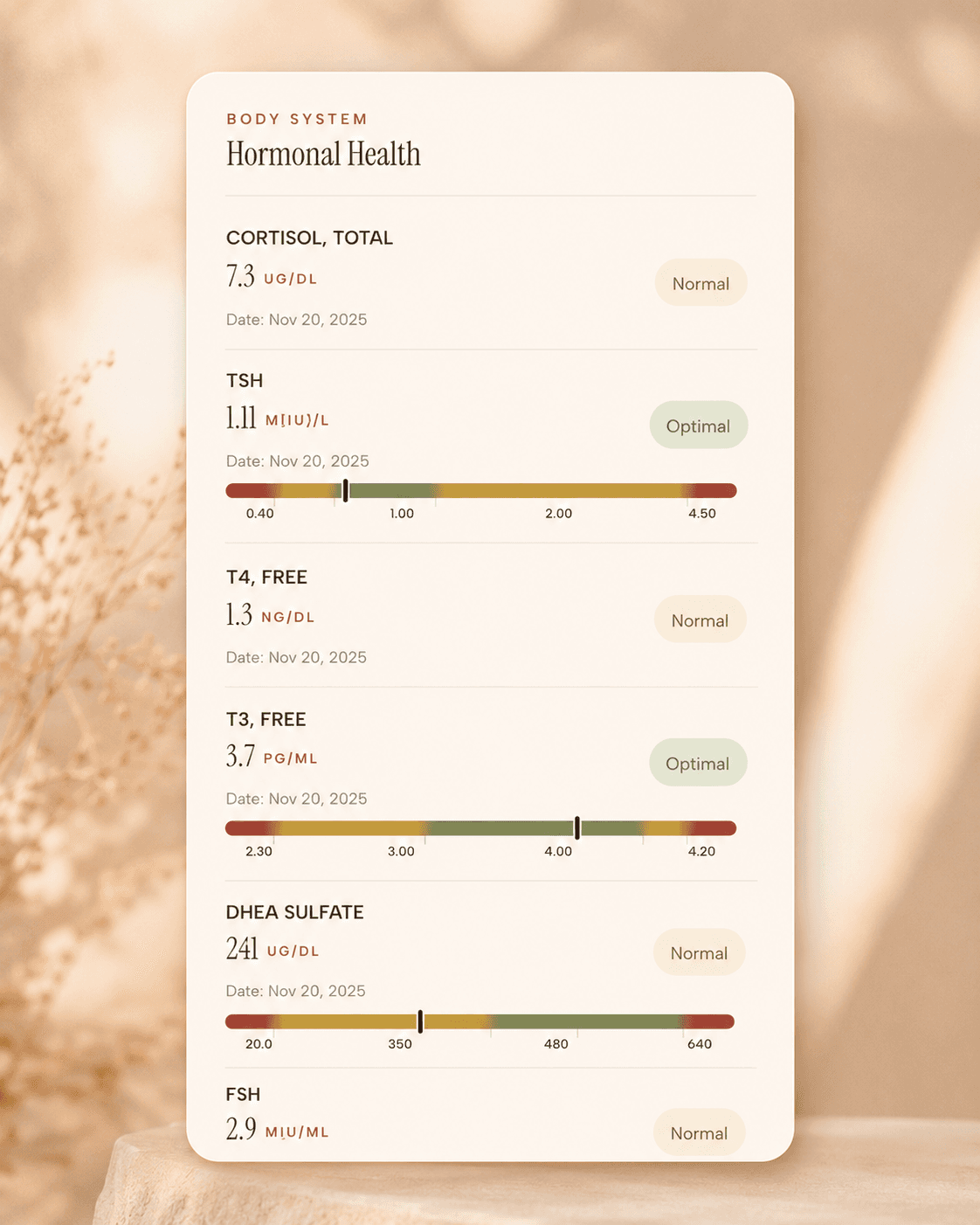
Cortisol, Total
Cortisol is the primary stress hormone that regulates metabolism, immune function, and blood pressure. In functional medicine, cortisol assessment is crucial for understanding stress response and its impact on overall health. Chronic elevation suppresses testosterone production and immune function, while low cortisol indicates adrenal insufficiency. Optimal cortisol rhythm supports energy, mood stability, and hormone balance. Cortisol orchestrates the body's stress response and daily energy rhythms. Balanced cor…
Learn moreSodium
Sodium is the primary extracellular electrolyte essential for fluid balance, nerve transmission, muscle contraction, and blood pressure regulation. In functional medicine, sodium balance reflects kidney function, adrenal health, and hydration status. Low sodium (hyponatremia) can cause neurological symptoms and may indicate SIADH, adrenal insufficiency, or excessive water intake. High sodium may indicate dehydration, diabetes insipidus, or excessive salt intake. Optimal sodium levels support cellular energy prod…
Learn moreCreatinine
Creatinine is a waste product of muscle metabolism that is filtered by the kidneys and serves as the primary marker of kidney function. In functional medicine, creatinine levels reflect not only kidney health but also muscle mass and protein metabolism. Elevated creatinine indicates reduced kidney filtration capacity, while very low levels may indicate muscle wasting or poor protein intake. Creatinine is used to calculate eGFR and helps assess long-term kidney health and detoxification capacity. Creatinine measu…
Learn moreLab testing
Check kidney function, aldosterone/renin balance, and thyroid levels at Quest
starting from $99 panel with 100+ tests, one visit
No referral needed
About 1 week
Schedule online — results typically within a week
Clear next steps
Guidance included, with follow-up care available
HSA / FSA
Eligible for pre-tax health spending accounts
Pro Tips
Do a “three-point day” for 14 days: take your blood pressure at bedtime, within 30 minutes of waking (after five minutes seated), and mid-afternoon. The shape of that curve is often more useful than any single number.
If your first morning reading is high, take a second reading one minute later without moving or talking. A big drop on the second reading usually means your nervous system is spiking the first number.
Check your cuff fit once: the bladder should wrap around most of your upper arm, and the cuff should sit about one inch above your elbow crease. A too-small cuff can make your morning readings look falsely alarming.
Try a one-week “evening sodium reset” by choosing a lower-salt dinner and skipping salty snacks after 7 pm. If your morning readings fall noticeably, you’ve found a lever that targets the overnight fluid shift.
If you suspect sleep apnea, record a 30-second audio clip of your snoring or ask a partner what they notice. Bringing that concrete evidence to a visit often speeds up getting a sleep study.
Frequently Asked Questions
Is it normal for blood pressure to be higher in the morning?
Yes, a mild rise is normal because your body releases cortisol and adrenaline as you wake, which tightens blood vessels and increases heart output. What’s not “normal” is a consistent jump into hypertensive ranges, especially if your daytime readings are fine. Track a two-week pattern with proper technique so you can tell a normal rise from a true morning surge.
How high is too high for blood pressure when you wake up?
If your home readings are repeatedly at or above about 135/85 mmHg in the morning, that often meets criteria for high blood pressure at home, even if clinic readings vary. A single high number can happen from anxiety or a bad measurement, but repeated highs deserve follow-up. If you ever see 180/120 mmHg with chest pain, severe shortness of breath, weakness, confusion, or vision changes, seek urgent care.
Can anxiety cause morning blood pressure spikes?
It can, because worry triggers adrenaline, which raises heart rate and tightens blood vessels, and mornings are a common time for that “jolt” feeling. The clue is that the first reading is high and then drops after five to ten minutes of quiet breathing and a repeat measurement. If your numbers stay high across multiple calm readings, it’s less likely to be anxiety alone, and a pattern log helps sort that out.
Could sleep apnea be the reason my blood pressure is high on waking?
Absolutely. Repeated breathing pauses lower oxygen and force your body into a stress response all night, which can leave you with a high morning reading, headaches, and unrefreshing sleep. Loud snoring, gasping, and daytime sleepiness make the case stronger. Ask your clinician about a sleep study, because treating sleep apnea can improve blood pressure control.
What blood tests help explain morning hypertension?
A basic metabolic panel can show kidney function and potassium, which matter because kidney issues and low potassium can drive stubborn morning highs. An aldosterone-to-renin ratio (ARR) can screen for aldosterone-driven hypertension, a treatable cause that often shows up as hard-to-control pressure. TSH checks for an overactive thyroid, which can make mornings feel wired and push systolic pressure up; if any of these are abnormal, review them with a clinician and match them to your home BP pattern.
What research says about morning risk
Morning blood pressure surge is linked to stroke risk in observational studies (Kario et al., Circulation).
2017 ACC/AHA guideline for diagnosing and managing high blood pressure, including home BP monitoring and thresholds.
AHA scientific statement on obstructive sleep apnea and cardiovascular disease, including hypertension mechanisms and treatment effects.