Mood Swings in the Morning: Why You Wake Up Emotional
Mood swings in the morning often come from cortisol spikes, low blood sugar, or poor sleep. Targeted labs are available at Quest—no referral needed.






Mood swings in the morning usually happen because your stress hormone rises fast after waking, your blood sugar dips overnight, or your sleep was lighter and more fragmented than you realized. Hormone shifts (like PMS or perimenopause), thyroid problems, and certain meds can amplify the same pattern. A few targeted blood tests can help you figure out which driver fits your body instead of guessing. If you wake up feeling suddenly anxious, tearful, irritable, or “not like yourself,” it can mess with work, relationships, and your confidence before the day even starts. The tricky part is that morning mood is a crossroads where sleep, hormones, and metabolism all meet, so the fix depends on the cause. Below, you’ll learn the most common reasons mornings feel emotionally volatile, what tends to help quickly, and which labs are most useful. If you want help connecting your exact pattern to the most likely cause, PocketMD can walk through your symptoms with you, and VitalsVault labs can help confirm what’s going on.
Why you get mood swings in the morning
Your morning stress hormone surge
Your body is supposed to ramp up cortisol after you wake so you feel alert, but if that surge is too steep, it can feel like anxiety, irritability, or a hair-trigger reaction to small things. This is more likely when you’re under chronic stress, sleeping poorly, or using a lot of caffeine to get through the day. A practical clue is timing: if you feel worst in the first 30–90 minutes and then level out, your stress-response system may be the main driver.
Low blood sugar after sleeping
If your blood sugar runs low overnight, your body releases adrenaline and cortisol to bring it back up, which can feel like waking up angry, shaky, panicky, or suddenly sad for “no reason.” This is more common if you skip dinner, drink alcohol at night, exercise hard late, or take diabetes medications. Try a simple experiment for three mornings: eat a protein-forward breakfast within an hour of waking and see whether your mood steadies before you assume it’s purely psychological.
Sleep fragmentation you don’t notice
You can get “enough hours” and still wake up emotionally raw if your sleep is broken up by brief awakenings from stress, noise, reflux, or sleep apnea. When deep sleep is cut short, your brain has less time to reset emotional circuits, so you wake up more reactive and less resilient. If you also wake with a dry mouth, morning headaches, or you’re told you snore or gasp, it’s worth bringing up sleep apnea specifically with a clinician.
Hormone shifts: PMS or perimenopause
In the second half of your cycle, progesterone and estrogen shifts can change how your brain responds to serotonin and GABA, which are two of your main “calming” systems. That can make mornings feel especially edgy because you’re also transitioning from sleep to wake, when your nervous system is already changing gears. If your morning mood swings reliably cluster in the week before your period, or you’re in your 40s with new cycle changes, tracking symptoms by cycle day is one of the fastest ways to spot this pattern.
Thyroid imbalance affecting mood
When your thyroid is overactive or underactive, your baseline “speed” changes, and mood can swing with it—either wired and anxious, or flat and irritable with low motivation. Mornings can feel worse because you’re noticing the contrast between how you want to start the day and how your body actually feels. If morning mood swings come with heat intolerance, palpitations, constipation, hair changes, or unexplained weight shifts, a thyroid test is a high-yield next step.
What actually helps in the morning
Stabilize your first hour awake
Give your nervous system a smoother on-ramp by keeping the first 30–60 minutes predictable. Start with bright light (open curtains or step outside) and a glass of water, then do one small, non-negotiable task before checking messages. This reduces the “threat scanning” that can turn a cortisol surge into a full mood spiral.
Eat for steadier blood sugar
If you suspect a blood sugar dip, build breakfast around protein and fiber rather than a quick carb hit. A useful target is 25–35 grams of protein within two hours of waking, because it blunts the adrenaline-style jitter that can masquerade as anxiety. If you’re not hungry early, a smaller option like yogurt plus nuts can still change the trajectory.
Cut the caffeine whiplash
Caffeine on an empty stomach can amplify morning adrenaline, especially if you already wake tense. Try delaying coffee by 60–90 minutes and pairing it with food, which often reduces irritability without forcing you to quit. If your mood crashes late morning, that pattern can be a clue that caffeine is acting like a mood roller coaster for you.
Treat sleep like a medical input
If your mornings are emotionally rough, your sleep quality matters as much as your sleep quantity. Set a consistent wake time for two weeks and protect the last hour before bed from work and doom-scrolling, because that’s when your brain is deciding whether it’s safe to downshift. If you suspect apnea or restless legs, don’t just “try melatonin” and hope—ask for a proper evaluation, because treating the root problem can change your mornings dramatically.
Use cycle-aware or hormone-aware planning
If your mood swings track with PMS or perimenopause, you can plan around the vulnerable window instead of feeling blindsided by it. That might mean scheduling demanding conversations later in the day, building in a morning walk during the premenstrual week, or discussing evidence-based options like SSRIs for PMDD or hormone therapy when appropriate. The key is pattern recognition first, because the right treatment depends on whether this is cyclical or happening every day.
Useful biomarkers to discuss with your clinician
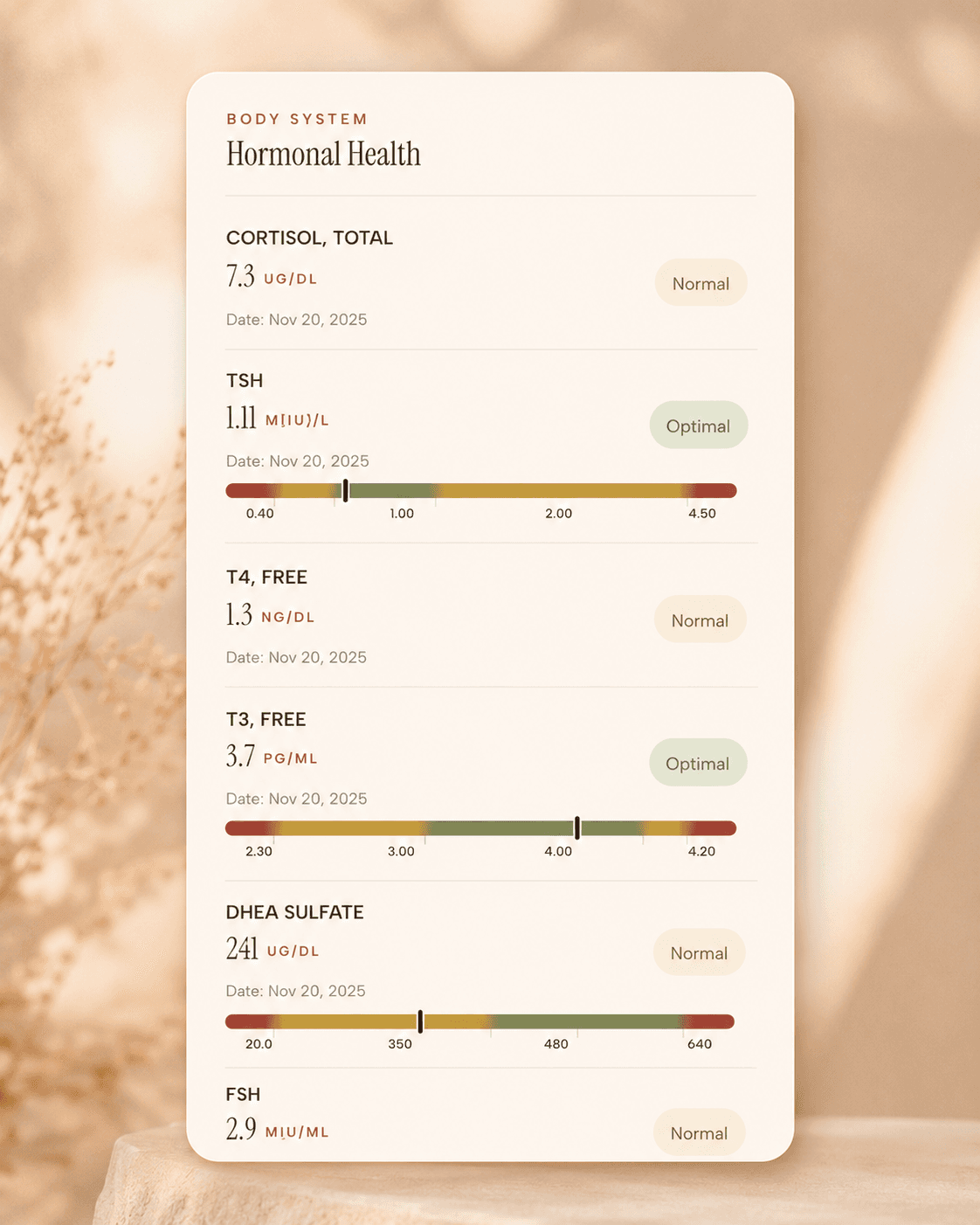
Cortisol, Total
Cortisol is the primary stress hormone that regulates metabolism, immune function, and blood pressure. In functional medicine, cortisol assessment is crucial for understanding stress response and its impact on overall health. Chronic elevation suppresses testosterone production and immune function, while low cortisol indicates adrenal insufficiency. Optimal cortisol rhythm supports energy, mood stability, and hormone balance. Cortisol orchestrates the body's stress response and daily energy rhythms. Balanced cor…
Learn moreGlucose
Fasting glucose is a fundamental marker of glucose metabolism and insulin function. In functional medicine, we recognize that even 'normal' glucose levels in the upper range may indicate early insulin resistance. Optimal fasting glucose reflects efficient glucose regulation and insulin sensitivity. Elevated fasting glucose suggests the body's inability to maintain normal glucose levels overnight, indicating hepatic insulin resistance or insufficient insulin production. This marker is essential for early detectio…
Learn moreInsulin
Insulin is a master metabolic hormone that regulates glucose uptake, fat storage, and numerous cellular processes. In functional medicine, fasting insulin levels are one of the earliest and most sensitive markers of metabolic dysfunction. Elevated insulin (hyperinsulinemia) often precedes diabetes by years or decades and is central to metabolic syndrome. High insulin levels promote fat storage, inflammation, and contribute to numerous chronic diseases including cardiovascular disease, PCOS, and certain cancers.…
Learn moreLab testing
Check TSH, ferritin, and fasting glucose at Quest
starting from $99 panel with 100+ tests, one visit
No referral needed
About 1 week
Schedule online — results typically within a week
Clear next steps
Guidance included, with follow-up care available
HSA / FSA
Eligible for pre-tax health spending accounts
Pro Tips
Run a 10-day “morning mood log” where you rate mood from 1–10 at wake-up, then again at 10 a.m., and write one sentence about sleep quality and whether you ate within an hour. Patterns jump out faster than you’d expect.
If you wake up with a surge of dread, try a 2-minute physiological sigh practice (two short inhales through the nose, one long exhale through the mouth) before you look at your phone. It can blunt the adrenaline edge enough to make the next choice easier.
Test the blood-sugar hypothesis with a specific breakfast for three days: 30 grams of protein plus fiber, and no sweet drink. If your mood improves by day two, you’ve learned something actionable about your physiology.
If mornings are worst after alcohol, treat that as data, not a moral failing. Alcohol fragments sleep in the second half of the night, which is exactly when your brain needs stable sleep to regulate emotion for the morning.
If your mood swings come with racing thoughts, risky behavior, or needing very little sleep without feeling tired, don’t just chalk it up to stress. Write down the timeline and bring it to a clinician, because bipolar-spectrum patterns need a different plan than anxiety or PMS.
Frequently Asked Questions
Why do I wake up angry or irritated for no reason?
A common reason is a steep cortisol rise after waking, especially if you’re stressed or sleeping lightly, because cortisol can feel like irritability in your body. Another frequent driver is low blood sugar overnight, which triggers adrenaline and makes you more reactive until you eat. Try tracking timing for a week and see whether food within an hour reliably helps; if it does, talk with a clinician about glucose patterns.
Can low blood sugar cause mood swings in the morning?
Yes. When your blood sugar dips, your body releases adrenaline and cortisol to correct it, and that can feel like anxiety, anger, shakiness, or sudden sadness. If symptoms improve within 10–20 minutes of eating, that’s a strong clue. A fasting glucose test is a reasonable starting point, and pairing it with symptom timing makes it more meaningful.
Are morning mood swings a sign of depression?
They can be, but they’re not specific to depression. Depression often comes with persistent low mood most days for at least two weeks, plus changes in sleep, appetite, concentration, or enjoyment, and some people feel worse in the morning (called diurnal variation). If your mood is consistently low, you’re losing interest in things, or you’re having thoughts of self-harm, reach out for professional help the same day.
Can PMS or perimenopause make mornings emotional?
Yes, because hormone shifts can change how your brain uses serotonin and calming signals, which can make the sleep-to-wake transition feel harsher. If symptoms cluster in the week before your period, PMDD is worth considering, especially if it affects work or relationships. Track symptoms by cycle day for two cycles and bring that pattern to your clinician so treatment can be targeted.
What blood tests are most useful for morning mood swings?
TSH helps screen for thyroid-driven anxiety or low mood, ferritin can uncover low iron that worsens sleep and emotional resilience, and fasting glucose can point toward overnight blood sugar dips. “Optimal” is personal, but many people feel best with TSH around 0.5–2.5 mIU/L, ferritin at least 30–50 ng/mL (often higher with symptoms), and fasting glucose commonly around 80–90 mg/dL. If your results are off, use them to guide the next step rather than self-treating blindly.
What the research says
The cortisol awakening response is a real, measurable surge that shapes morning alertness and stress reactivity
Clinical guideline for diagnosing and treating obstructive sleep apnea, a common cause of unrefreshing sleep and morning mood symptoms
PMDD is recognized as a depressive disorder with cyclical mood symptoms tied to the luteal phase, which can include morning irritability and anxiety