Why You Wake Up Sweating in the Morning
Night sweats in the morning often come from hormone shifts, sleep-apnea adrenaline surges, or infection-related fevers. Targeted labs—no referral needed.





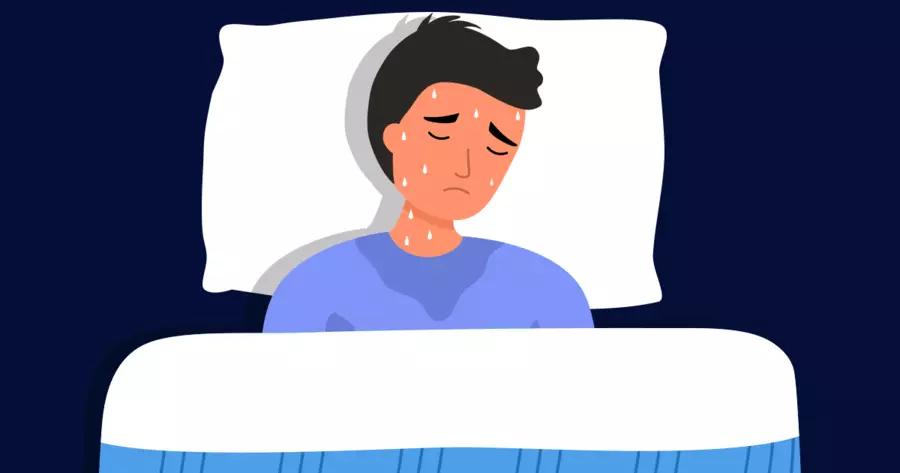
Night sweats in the morning usually happen because your body is either overheating during sleep, getting stress-hormone surges from breathing disruptions, or running a low-grade fever that peaks overnight. Hormone shifts (especially perimenopause/menopause, and sometimes low testosterone) can also make your brain’s temperature control more “twitchy,” so you wake up drenched even if the room feels normal. A few targeted blood tests can help sort out which bucket you’re in. Waking up sweaty is miserable because it steals sleep and makes your brain jump to worst-case scenarios. Most of the time, the explanation is common and fixable, but there are a few patterns that deserve faster attention. This guide walks you through the most likely causes, what actually helps, and which labs can clarify the picture. If you want help matching your exact pattern to the right next step, PocketMD and Vitals Vault labs can be useful tools—especially when you’re stuck in the “is this normal?” loop.
Why you wake up sweating in the morning
Hormone shifts trigger heat dumps
When estrogen changes during perimenopause and menopause, your brain’s thermostat (hypothalamus) can misread tiny temperature changes as “too hot,” which triggers a sudden sweat response. You often wake up right at the end of a sweat episode, so it feels like it happened “in the morning” even if it started an hour earlier. If your sweats come with new irregular periods, vaginal dryness, or hot flashes during the day, tracking your cycle and symptoms for two weeks can make the pattern much clearer.
Sleep apnea causes adrenaline surges
If your breathing repeatedly narrows during sleep (obstructive sleep apnea), your body jolts you with adrenaline to reopen the airway. That surge can raise your heart rate and body heat, and you wake up sweaty and wired even if you don’t remember gasping. Loud snoring, morning headaches, and feeling unrefreshed are big clues, and a home sleep test is often the fastest way to confirm it.
Low testosterone can disrupt sleep
In some men, low testosterone is less about “low libido” and more about fragmented sleep and temperature instability, which can show up as early-morning sweating. Poor sleep also lowers testosterone further, so it can become a loop where you feel tired, irritable, and sweaty on waking. If this fits, ask for a morning total testosterone test (ideally before 10 a.m.) and make sure it’s interpreted alongside symptoms and sleep quality.
Infection or inflammation overnight
Some infections and inflammatory conditions cause fevers that rise overnight and break toward morning, which can soak your sheets right before you wake. You might also notice chills, body aches, a new cough, urinary burning, or a tender tooth or sinus area that you’ve been ignoring. If you have drenching sweats plus persistent fever, unexplained weight loss, or swollen lymph nodes that don’t go away, it’s worth getting evaluated promptly rather than “watching it for weeks.”
Medication or alcohol rebound sweating
Certain antidepressants, steroids, diabetes meds that can cause low blood sugar, and even regular evening alcohol can push your nervous system toward sweating during the second half of the night. Alcohol is sneaky because it may help you fall asleep, but it fragments sleep later and can trigger a sweaty wake-up as your body metabolizes it. A practical takeaway is to review any new or dose-changed medications from the last 6–8 weeks and try a one-week experiment of moving alcohol earlier or skipping it to see if mornings improve.
What actually helps you stop morning sweats
Do a two-week sweat pattern check
Write down what time you woke up sweaty, how drenched you were (1–10), and whether you had a racing heart, chills, or a headache. Add one detail about the evening, like alcohol, a late meal, a new medication dose, or a warmer room. This is not busywork—patterns like “always after drinking” or “only on the week before my period” often pop out quickly and point to the right fix.
Cool the bed, not just the room
If you’re sweating near morning, your body may be overheating under bedding even when the thermostat looks fine. Try breathable layers: a moisture-wicking base layer, a lighter duvet, and a spare blanket you can add back if you get chilled after the sweat breaks. Many people also do better with a fan aimed across the bed (not directly at your face) because moving air helps sweat evaporate instead of pooling.
Treat possible sleep apnea early
If snoring, witnessed pauses, or morning headaches are part of your story, don’t wait for months of exhaustion. Side-sleeping, nasal congestion treatment, and reducing evening alcohol can help a little, but the real win is diagnosis and therapy such as CPAP or an oral appliance. When apnea improves, the “adrenaline wake-ups” and sweating often calm down within weeks.
Target hormone-related sweats
If your sweats come with classic hot flashes, you have options beyond suffering through it. Lifestyle tweaks like avoiding a hot shower right before bed can reduce triggers, but many people need hormone therapy or non-hormonal prescription options to truly reduce episodes. The best next step is to bring a symptom log to a clinician so treatment matches your risk factors and your goals, not just your age.
Rule out fever and low blood sugar
Morning sweats with chills, a measured fever, or feeling ill point you toward infection or inflammation, and labs can help you avoid guessing. If you have diabetes or you wake up shaky, hungry, or confused, consider checking a glucose reading during an episode because nighttime lows can cause sweating. Either way, the actionable move is to capture one data point during a bad morning—temperature or glucose—because it changes what you do next.
Useful biomarkers to discuss with your clinician
Testosterone, Total, Ms
Total testosterone is the primary male sex hormone responsible for muscle mass, bone density, libido, energy levels, and cognitive function. In functional medicine, we recognize testosterone as a key marker of vitality and aging. Low testosterone (hypogonadism) affects up to 40% of men over 45 and is linked to metabolic syndrome, cardiovascular disease, depression, and reduced quality of life. Optimal testosterone levels support healthy body composition, sexual function, motivation, and overall masculine vitalit…
Learn moreEstradiol
Estradiol in men is produced from testosterone via aromatase enzyme. In functional medicine, we recognize that men need optimal estradiol levels for bone health, cognitive function, and cardiovascular protection. However, excessive estradiol can suppress testosterone production and cause feminizing effects. The testosterone-to-estradiol ratio is crucial for male health, with optimal balance supporting vitality while preventing estrogen dominance. Balanced estradiol levels in men support bone health and cognitive…
Learn moreWhite Blood Cell Count
White blood cell count (WBC) measures the total number of immune cells and is fundamental for assessing immune system health. In functional medicine, WBC count reflects immune system activity, infection status, and overall health resilience. Low WBC may indicate immunosuppression, nutritional deficiencies, or bone marrow dysfunction. High WBC suggests infection, inflammation, stress, or hematologic conditions. The WBC differential provides detailed information about specific immune cell types and their functions…
Learn moreLab testing
Get TSH, CRP, and a CBC checked at Quest
starting from $99 panel with 100+ tests, one visit
No referral needed
About 1 week
Schedule online — results typically within a week
Clear next steps
Guidance included, with follow-up care available
HSA / FSA
Eligible for pre-tax health spending accounts
Pro Tips
If you wake up drenched, take your temperature right then (before you cool off) and write it down. A true fever pattern—like 100.4°F/38°C or higher—pushes the workup toward infection or inflammation instead of “just hormones.”
Try a “bed microclimate” reset for seven nights: swap to breathable sleepwear, use one lighter blanket, and keep a dry shirt by the bed so you can change quickly and fall back asleep. The goal is to reduce the second wind that comes from being cold and clammy.
If you suspect sleep apnea, record a 30–60 minute audio clip of your sleep (many phone apps can do this). Snoring with pauses or choking sounds is surprisingly persuasive data to bring to a clinician or a sleep lab.
If you’re on an antidepressant and sweating started after a dose change, do not stop it abruptly. Instead, message your prescriber and ask about dose timing, switching agents, or adding a sweat-targeting option, because there are usually workable adjustments.
If you have diabetes or you’re on insulin or a sulfonylurea, check a glucose reading during a sweaty wake-up at least once. Nighttime hypoglycemia can look like “random sweating,” and catching it changes your overnight medication and snack plan.
Frequently Asked Questions
Why do I wake up sweating right before my alarm?
Your body naturally warms up toward morning as cortisol rises and REM sleep becomes more common, and both can make sweating more likely. If your brain’s thermostat is extra sensitive from menopause-related hormone shifts, that normal warm-up can tip you into a sweat episode. Try lowering bedding insulation and tracking whether it clusters around certain cycle weeks or alcohol nights, then bring that pattern to your clinician.
Are morning night sweats a sign of cancer?
Most morning sweats are not cancer, but drenching sweats combined with unexplained weight loss, persistent fevers, or enlarged lymph nodes that don’t go away deserve a prompt medical check. A CBC with differential is often a reasonable first lab because it can flag concerning blood-count patterns that need follow-up. If you have those red flags, don’t self-reassure—schedule an evaluation.
Can sleep apnea cause night sweats?
Yes. When your airway narrows during sleep, your body releases adrenaline to restart breathing, and that surge can make you sweaty and abruptly awake. If you also snore loudly, have morning headaches, or feel exhausted despite enough hours in bed, ask about a home sleep apnea test. Treating apnea often reduces sweating within weeks.
What blood tests help figure out night sweats?
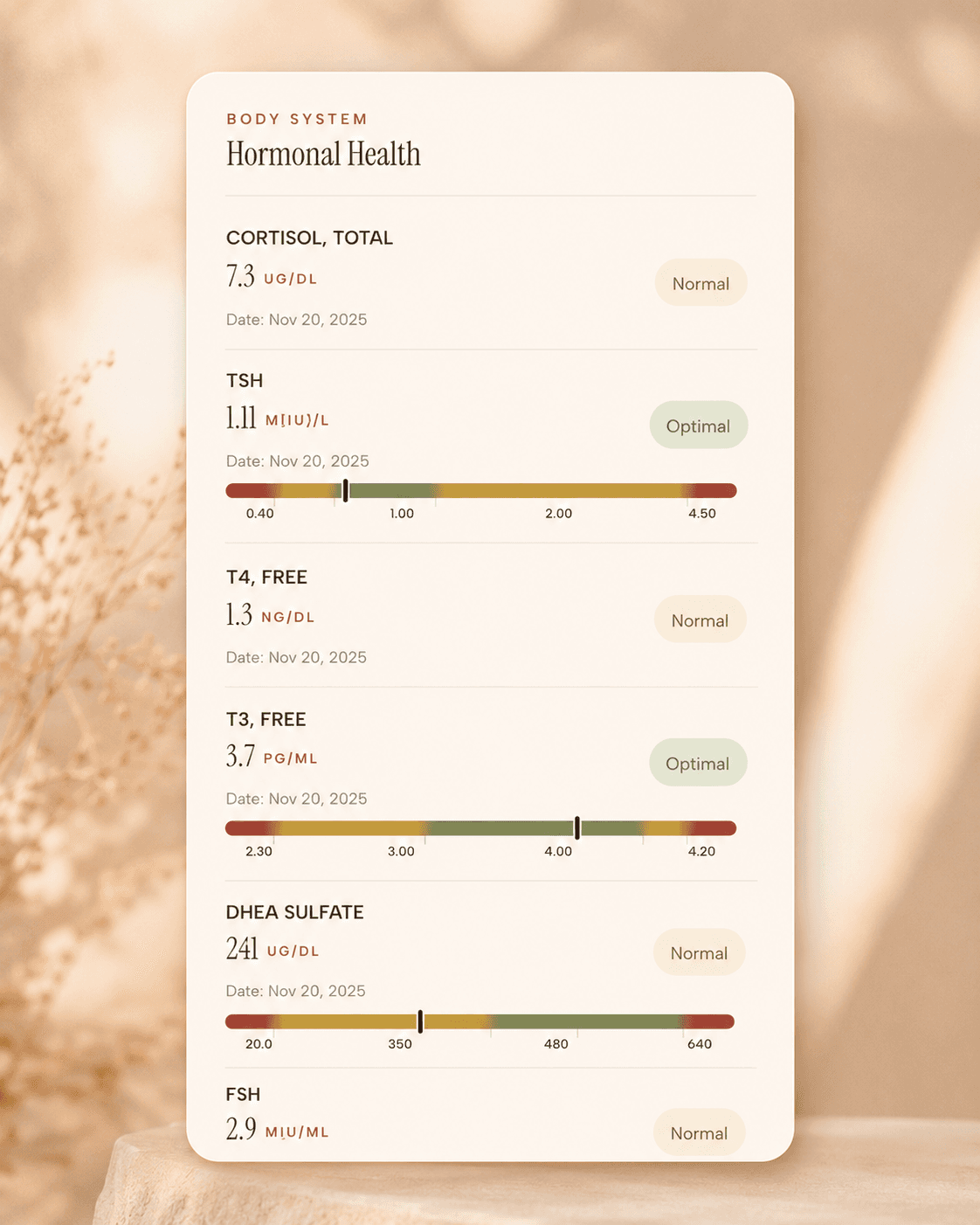
For morning night sweats, a CBC with differential can look for infection or blood-count changes, CRP can show whether inflammation is elevated, and TSH can screen for an overactive thyroid that makes you run hot. These tests do not diagnose everything, but they often tell you which direction to investigate next. If results are abnormal, follow up with a clinician to decide what additional testing is actually necessary.
When should I worry about night sweats and see a doctor urgently?
Go sooner rather than later if you have drenching sweats plus a measured fever of 100.4°F/38°C or higher, chest pain, shortness of breath, confusion, or fainting. Also book an appointment promptly if sweats persist for more than 2–3 weeks with weight loss, swollen lymph nodes, or a new persistent cough. If you can, bring one objective data point—your temperature during an episode or a photo of a rash or swollen node—because it speeds up the right workup.