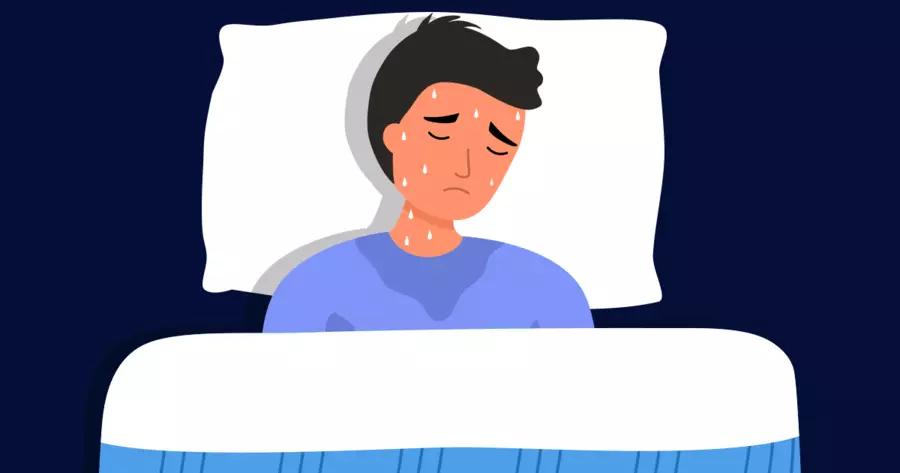
Hot Flashes in the Morning: Causes, Relief, and Lab Tests
Hot flashes in the morning often come from hormone shifts, sleep-related adrenaline surges, or thyroid overactivity. Targeted labs—no referral needed.






Hot flashes in the morning usually happen because your hormone levels are shifting (especially in perimenopause or menopause), your body is rebounding from a rough night of sleep with a surge of stress hormones, or your thyroid is running too fast. The pattern matters: waking up hot after fragmented sleep points to a different “why” than flushing after coffee or a hot shower. A few targeted blood tests can help sort out which driver fits you, so you’re not guessing. Morning hot flashes can feel unfair because the day hasn’t even started yet and you’re already sweaty, flushed, and irritable. The tricky part is that “hot flash” is a sensation, not a diagnosis, and several different body systems can create the same heat-and-sweat experience. In this guide, you’ll learn the most common causes, what tends to help specifically for wake-up episodes, and which labs are most useful. If you want help connecting your exact pattern to a plan, PocketMD can talk it through with you, and Vitals Vault labs can help you check the most relevant markers without turning this into a months-long appointment marathon.
Why morning hot flashes happen
Hormone swings at dawn
In perimenopause and menopause, falling and fluctuating estrogen can make your brain’s temperature control center (hypothalamus) react to tiny changes as if you’re overheating. Morning is a common time to notice it because your hormones and nervous system are already shifting as you wake up. If your flushes cluster around cycle changes, postpartum changes, or after stopping hormonal contraception, that timing is a clue worth writing down.
Sleep disruption and adrenaline rebound
If you wake up repeatedly, your body often answers with a burst of stress hormones that raises heart rate and opens up skin blood vessels, which can feel like a sudden wave of heat. You might notice this most after a short night, after alcohol, or when you wake up “wired” at 4–6 a.m. The takeaway is practical: improving sleep continuity often reduces morning hot flashes even when hormones are the underlying backdrop.
Thyroid running too fast
An overactive thyroid can make you feel hot, sweaty, and jittery because it speeds up your metabolism and amplifies your nervous system. Morning can be when you notice it most because you’re finally still enough to feel the internal “buzz,” and you may also have loose stools, tremor, or unintentional weight loss. If your hot flashes come with a racing heart that feels out of proportion, checking TSH and free T4 is a smart first step.
Medication or hormone therapy timing
Some medicines can trigger flushing, especially if the dose peaks overnight or first thing in the morning. Antidepressants, steroids, thyroid hormone, and some cancer-related hormone treatments can all change how your nervous system and blood vessels behave. If your hot flashes started soon after a new medication or a dose change, don’t just “push through” — ask whether switching timing, lowering dose, or choosing an alternative is possible.
Low blood sugar after overnight fast
When your blood sugar dips, your body releases adrenaline to bring it back up, and that same adrenaline can cause sweating and a hot, shaky feeling. This is more likely if you skip dinner, drink alcohol at night, or take diabetes medications, but it can also happen with long gaps between meals. A useful clue is whether a small protein-forward snack soon after waking reliably calms the episode within 10–15 minutes.
What actually helps in the morning
Build a “wake-up cooling” routine
Because morning hot flashes often hit during the transition from sleep to wake, you can lower the peak by making that transition gentler. Keep a fan or cooling towel by the bed, and choose breathable layers you can peel off fast without fully waking yourself. The goal is to cool your skin quickly so the flush ends sooner and you don’t spiral into a full stress response.
Stabilize sleep, not just temperature
If your flushes follow a broken night, treating the sleep problem is often the highest-leverage move. Try a consistent wake time, limit alcohol close to bedtime, and keep the room slightly cool so you’re less likely to wake and trigger that adrenaline rebound. If you snore, gasp, or wake with headaches, ask about sleep apnea testing because treating it can dramatically reduce morning sweats and flushing.
Time caffeine after your first hour
Caffeine can widen blood vessels and increase adrenaline, which is exactly the chemistry you don’t need when your body is already revving up. If you drink coffee immediately on waking, try delaying it 60–90 minutes and see whether the intensity drops over a week. This is especially helpful if your hot flashes come with a fluttery chest feeling or anxious energy.
Consider proven menopause treatments
If your morning hot flashes are part of the menopause transition, hormone therapy can be the most effective option for many people, and nonhormonal prescriptions can help when hormones aren’t a fit. The “right” choice depends on your age, time since menopause, symptoms, and personal cancer and clotting history, which is why it’s worth a focused conversation rather than internet guesswork. Bring a simple symptom log and ask specifically about treatment for vasomotor symptoms (hot flashes).
Use food strategically on wake-up
If you suspect low blood sugar is part of your pattern, experiment with a small breakfast that includes protein and fiber rather than just juice or toast. You’re looking for steadier energy and fewer sweaty, shaky heat surges by mid-morning. If you have diabetes or take glucose-lowering meds, confirm any changes with your clinician and consider checking a fasting glucose or using a short-term continuous glucose monitor if available.
Useful biomarkers to discuss with your clinician
Estradiol
Estradiol in men is produced from testosterone via aromatase enzyme. In functional medicine, we recognize that men need optimal estradiol levels for bone health, cognitive function, and cardiovascular protection. However, excessive estradiol can suppress testosterone production and cause feminizing effects. The testosterone-to-estradiol ratio is crucial for male health, with optimal balance supporting vitality while preventing estrogen dominance. Balanced estradiol levels in men support bone health and cognitive…
Learn moreCortisol, Total
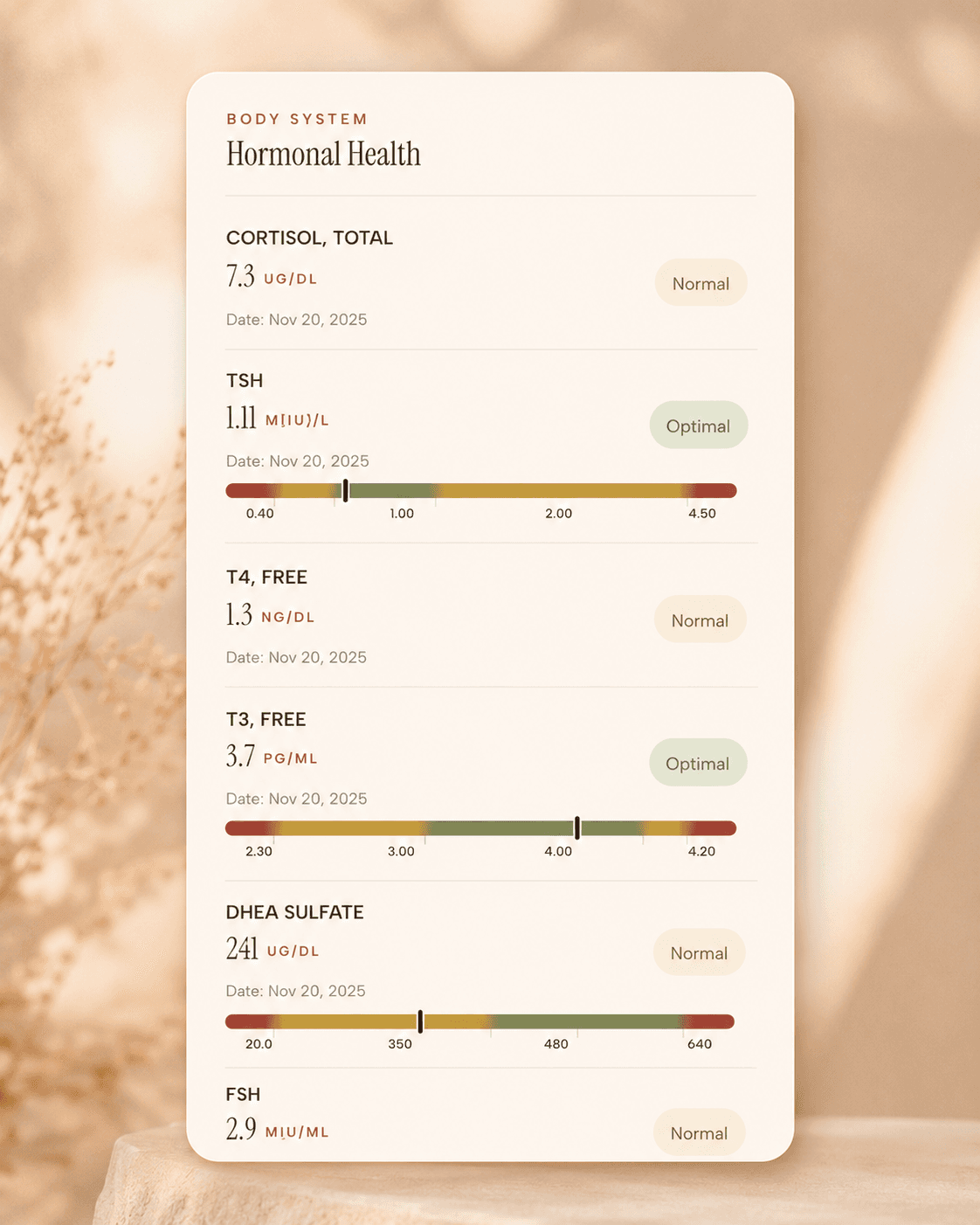
Cortisol is the primary stress hormone that regulates metabolism, immune function, and blood pressure. In functional medicine, cortisol assessment is crucial for understanding stress response and its impact on overall health. Chronic elevation suppresses testosterone production and immune function, while low cortisol indicates adrenal insufficiency. Optimal cortisol rhythm supports energy, mood stability, and hormone balance. Cortisol orchestrates the body's stress response and daily energy rhythms. Balanced cor…
Learn moreTSH
TSH is the master regulator of thyroid function, controlling the production of thyroid hormones T4 and T3. In functional medicine, we use narrower TSH ranges than conventional medicine to identify subclinical thyroid dysfunction early. Even mildly elevated TSH can indicate thyroid insufficiency, leading to fatigue, weight gain, depression, and metabolic dysfunction. TSH levels are influenced by stress, nutrient deficiencies, autoimmune conditions, and environmental toxins. Optimal TSH supports energy, metabolism…
Learn moreLab testing
Check TSH, free T4, and estradiol
starting from $99 panel with 100+ tests, one visit
No referral needed
About 1 week
Schedule online — results typically within a week
Clear next steps
Guidance included, with follow-up care available
HSA / FSA
Eligible for pre-tax health spending accounts
Pro Tips
Run a 14-day “wake-up log” where you rate each morning hot flash from 1–10 and note your last wake time, alcohol the night before, and whether you woke anxious or calm; patterns usually show up faster than you expect.
If you wake hot at the same time most days, try pre-cooling the bedroom for the last 2 hours of sleep and keep your bedding light; you’re trying to prevent the initial wake-up that triggers the adrenaline surge.
If you’re on hormone therapy or a medication that can cause flushing, test a timing change for one week (with your prescriber’s okay) because peak levels overnight can make mornings the worst part of the day.
Try a “protein first” breakfast for seven mornings in a row if you feel sweaty and shaky on waking; if the episodes fade quickly after eating, low blood sugar is more likely to be part of your story.
If your hot flashes come with palpitations, tremor, or unexplained weight loss, prioritize thyroid labs (TSH and free T4) before you assume it’s “just menopause,” because treating hyperthyroidism can be a game changer.
Frequently Asked Questions
Why do I get hot flashes right when I wake up?
Waking up is a hormone and nervous-system transition, so small shifts can trigger a flush if your brain’s thermostat is sensitive (common in perimenopause/menopause). If your sleep was fragmented, your body may also release adrenaline as you wake, which can cause heat, sweating, and a racing heart. If it happens most mornings and you also feel jittery or lose weight, ask for TSH and free T4 to rule out thyroid overactivity.
Are morning hot flashes a sign of menopause?
They can be, especially if you also notice cycle changes, new sleep problems, or hot flashes at other times of day. The mechanism is usually fluctuating or lower estrogen, which makes temperature control more reactive. A blood estradiol test can support the picture, but your symptom pattern and age matter just as much, so bring a short log to your appointment.
Can thyroid problems cause hot flashes in the morning?
Yes. Hyperthyroidism can mimic hot flashes because it increases heat production and makes your nervous system more “amped,” which can show up as sweating, palpitations, and heat intolerance. Start with TSH and free T4; a low TSH with a high or high-normal free T4 makes thyroid a much more likely explanation. If you have chest pain, fainting, or a very fast heartbeat, get urgent care.
What’s the fastest way to stop a morning hot flash?
Cooling your skin quickly usually shortens the episode because it helps your body exit the flush cycle. Keep a fan nearby, sip cool water, and use a cool cloth on your neck or wrists for 1–2 minutes while you breathe slowly to avoid feeding the adrenaline response. If episodes are frequent, the “fastest” long-term fix is identifying your driver—hormones, sleep disruption, thyroid, or medication timing.
Should I get blood tests for morning hot flashes?
If your morning hot flashes are new, frequent, or paired with palpitations, weight change, or severe sleep disruption, labs can save you months of guessing. TSH and free T4 help rule in or out thyroid-driven overheating, and estradiol can support a menopause-transition explanation when interpreted in context. Use your results alongside your symptom pattern, and ask specifically what your numbers mean for your next step.