Why Your Blood Pressure Spikes Before Eating
Blood pressure spikes before eating often come from stress hormones, low blood sugar swings, or medication timing. Targeted labs available—no referral needed.






Blood pressure spikes before eating usually happen because your “fight-or-flight” system kicks in when you’re hungry, your blood sugar dips and rebounds, or your blood pressure medicine is wearing off before the next dose. The surge can feel like pounding in your chest, a headache, or sudden anxiety, even if your blood pressure is otherwise controlled. A few targeted labs and a smart home-monitoring plan can help you figure out which pattern you’re dealing with. This symptom is frustrating because it sits right at the intersection of hormones, nerves, and routines. Hunger is a real body stressor, and some people are simply more sensitive to it, especially if they already have hypertension or are tracking numbers closely. In this guide, you’ll learn the most common reasons pre-meal spikes happen, what to do when you see a high reading, and which blood tests can rule in (or out) a few important medical causes. If you want help interpreting your pattern, PocketMD can talk it through with you, and Vitals Vault labs can help you test without a long wait.
Why your blood pressure spikes before eating
Hunger triggers adrenaline surges
When you’re hungry, your body can treat it like a mild stressor and release stress hormones that tighten blood vessels and speed up your heart. That can push your top number up quickly, especially if you’re already prone to anxiety or you’re watching the cuff like a hawk. If the spike comes with shakiness, sweating, or a “revved up” feeling, it’s a clue your nervous system is driving it, not just salt or long-term hypertension.
Low blood sugar swings
Some people dip into low blood sugar (hypoglycemia) before meals, and your body responds by dumping adrenaline to keep your brain fueled. That same adrenaline can raise blood pressure and make you feel panicky or lightheaded. A useful takeaway is to notice whether a small, balanced snack (protein plus fiber) prevents the spike better than simply waiting for a big meal.
Blood pressure meds wearing off
If your medication doesn’t last a full 24 hours, you can get a predictable rise right before the next dose or at a certain time of day, which may line up with when you usually eat. This is common with some short-acting medicines or when doses are missed by even a few hours. If your readings are consistently higher before breakfast or before dinner, write down the timing of your last dose and bring that pattern to your clinician, because a dose adjustment or different formulation can smooth it out.
Caffeine or nicotine on an empty stomach
Coffee, energy drinks, nicotine, and some pre-workout products can hit harder when you haven’t eaten, because your body absorbs them quickly and your stress response is already primed. The result can look like a “mystery” pre-meal spike, but it’s really a stimulant effect layered on top of hunger. A simple experiment is to take your first caffeine only after food for a week and see whether the pre-meal peaks shrink.
Thyroid overactivity or cortisol issues
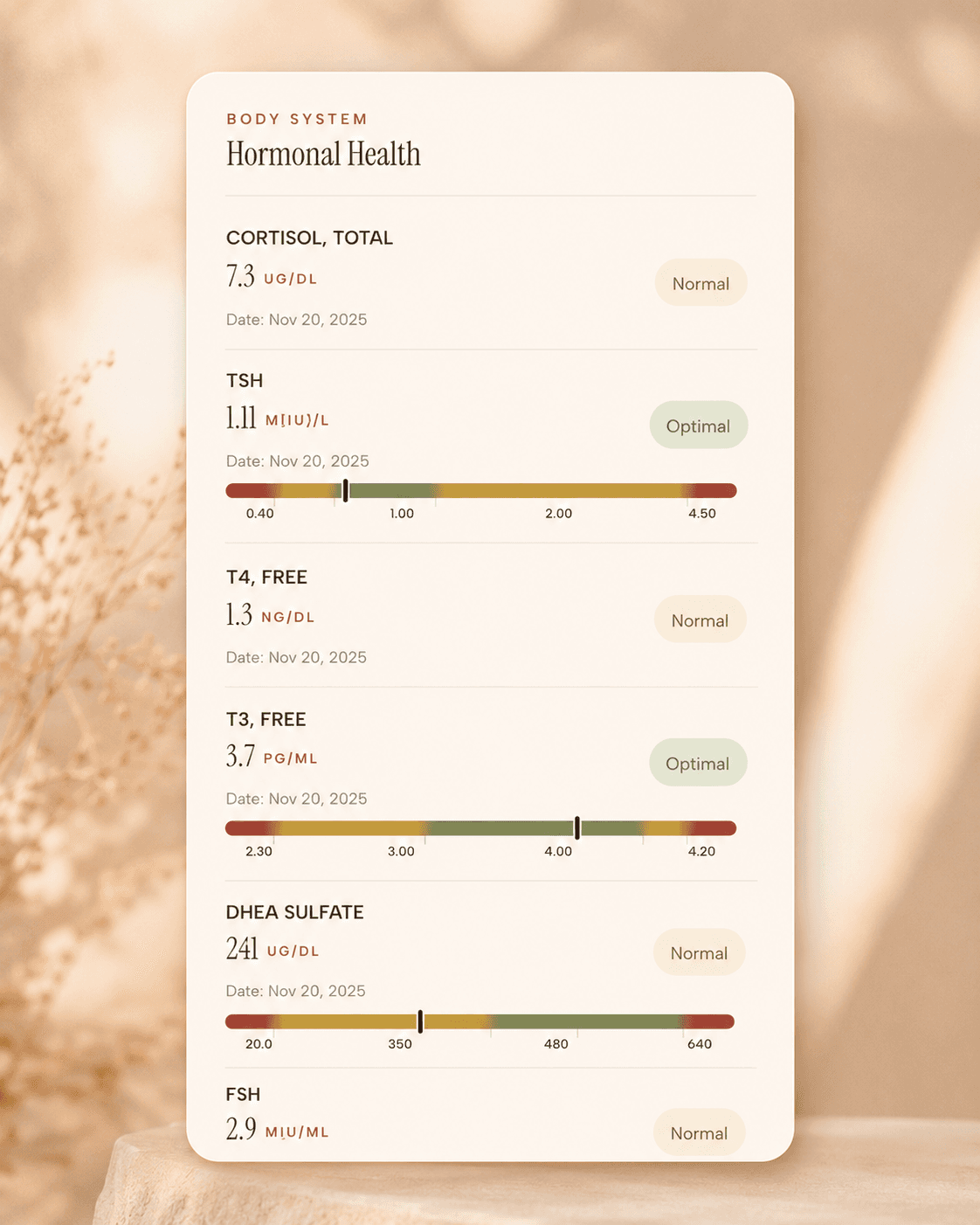
An overactive thyroid can keep your heart rate high and make blood pressure more reactive, so hunger becomes a trigger instead of a non-event. Less commonly, cortisol problems can change how your body handles fasting and stress, which can show up as morning or pre-meal surges. If you also have unexplained weight change, heat intolerance, tremor, or persistent palpitations, labs are a practical next step rather than guessing.
What actually helps in the moment
Recheck the right way first
A single high reading before a meal is often amplified by rushing, talking, or a tight cuff, so your first move is to slow the moment down. Sit with your back supported and feet flat, rest for five minutes, and then take two readings one minute apart. If the second number drops meaningfully, you’ve learned that your body settles with a pause, which is useful data, not a “false alarm.”
Use a small “bridge” snack
If hunger seems to be the trigger, try a small snack that combines protein and fiber, such as plain yogurt with nuts or a piece of cheese with an apple. The goal is not to “eat more,” but to stop the adrenaline response that comes from a steep blood sugar dip. Recheck your blood pressure 20–30 minutes later to see whether the spike resolves when your body feels safer.
Shift caffeine to after food
If you drink coffee before breakfast, move it to after you’ve eaten for a week and keep everything else the same. This isolates the stimulant effect and often reduces the sharp pre-meal rise, especially in people who are sensitive to caffeine. If you still want the ritual, decaf or half-caf before food is a gentler test than quitting abruptly.
Ask about medication timing
If your spikes cluster before a specific meal, it may be a timing issue rather than “worsening hypertension.” Bring a 7–14 day log that includes dose time, meal time, and two blood pressure readings, because that makes the conversation concrete. Your clinician may adjust timing, split a dose, or switch to a longer-acting option so you’re not riding a daily roller coaster.
Know when it’s urgent
If your blood pressure is at or above 180/120 and you also have chest pain, shortness of breath, new weakness on one side, confusion, or vision changes, treat it as an emergency and get urgent care. If the number is high but you feel okay, repeat it after resting and contact your clinician the same day for guidance, especially if the pattern is new. The combination of the number and your symptoms is what determines the risk.
Useful biomarkers to discuss with your clinician
Glucose
Fasting glucose is a fundamental marker of glucose metabolism and insulin function. In functional medicine, we recognize that even 'normal' glucose levels in the upper range may indicate early insulin resistance. Optimal fasting glucose reflects efficient glucose regulation and insulin sensitivity. Elevated fasting glucose suggests the body's inability to maintain normal glucose levels overnight, indicating hepatic insulin resistance or insufficient insulin production. This marker is essential for early detectio…
Learn moreCortisol, Total
Cortisol is the primary stress hormone that regulates metabolism, immune function, and blood pressure. In functional medicine, cortisol assessment is crucial for understanding stress response and its impact on overall health. Chronic elevation suppresses testosterone production and immune function, while low cortisol indicates adrenal insufficiency. Optimal cortisol rhythm supports energy, mood stability, and hormone balance. Cortisol orchestrates the body's stress response and daily energy rhythms. Balanced cor…
Learn moreInsulin
Insulin is a master metabolic hormone that regulates glucose uptake, fat storage, and numerous cellular processes. In functional medicine, fasting insulin levels are one of the earliest and most sensitive markers of metabolic dysfunction. Elevated insulin (hyperinsulinemia) often precedes diabetes by years or decades and is central to metabolic syndrome. High insulin levels promote fat storage, inflammation, and contribute to numerous chronic diseases including cardiovascular disease, PCOS, and certain cancers.…
Learn moreLab testing
Check fasting glucose, TSH, and morning cortisol at Quest
starting from $99 panel with 100+ tests, one visit
No referral needed
About 1 week
Schedule online — results typically within a week
Clear next steps
Guidance included, with follow-up care available
HSA / FSA
Eligible for pre-tax health spending accounts
Pro Tips
Do a 10-day “before-meal check” experiment: take your blood pressure 30 minutes before one consistent meal each day, then again 20 minutes after you’ve eaten, using the same arm and the same chair. Patterns show up faster than you think.
If you tend to spike before breakfast, try moving your evening meal a little earlier and adding a small protein-forward bedtime snack for one week. You are testing whether overnight fasting length is the trigger, not trying to overhaul your diet.
When you get a high reading, write down what your body is doing, not just the number. Noting “shaky,” “headache,” or “calm but surprised” helps separate adrenaline-driven spikes from quieter, sustained hypertension.
If you use caffeine, keep the dose stable while you troubleshoot. Changing from two coffees to none can cause withdrawal headaches and stress that muddy the blood pressure picture.
Bring your cuff to your next appointment and compare it with the clinic reading. If your home cuff runs 10–15 points high, you can stop chasing a problem that is partly a measurement mismatch.
Frequently Asked Questions
Can hunger really raise blood pressure?
Yes. When you’re hungry, your body can release stress hormones that tighten blood vessels and raise your heart rate, which can push blood pressure up temporarily. It’s more likely if you also feel shaky, sweaty, or anxious before meals. Try a small protein-and-fiber snack and recheck in 20–30 minutes to see if the number settles.
Is a blood pressure spike before eating dangerous?
A brief spike is usually less concerning than a high number that stays high, but it still matters because repeated surges can signal poor control or a trigger you can fix. If you ever see 180/120 or higher with chest pain, shortness of breath, weakness, confusion, or vision changes, get urgent care. If you feel okay, rest and repeat the reading, then contact your clinician about the pattern.
Why is my blood pressure highest right before breakfast?
Morning is a common time for higher readings because your body naturally ramps up stress hormones to wake you up, and the overnight fast can add another push. If your medication is taken in the morning, you may also be seeing the “end of dose” effect from the prior day. Logging dose time plus a pre-breakfast reading for 7–14 days gives your clinician something actionable to adjust.
Could low blood sugar cause high blood pressure?
It can. When blood sugar drops, your body releases adrenaline to bring it back up, and adrenaline can raise blood pressure while making you feel jittery or panicky. A fasting glucose test can support this story, and your symptom pattern matters just as much as the number. If this happens often, discuss it with your clinician, especially if you take diabetes medications.
What labs are most useful for blood pressure spikes before meals?
A practical starting trio is fasting glucose, TSH, and morning cortisol because they map to blood sugar swings, thyroid-driven reactivity, and stress-hormone rhythm. Abnormal results do not automatically explain everything, but they can narrow the search and prevent months of guesswork. If you test, pair the results with a simple home BP log so the numbers tell a coherent story.