Blood Pressure Spikes at Night: What They Mean and What to Do
Blood pressure spikes at night often come from sleep apnea, stress-hormone surges, or medication timing. Targeted labs available—no referral needed.





Blood pressure spikes at night usually happen because your body is getting “stress signals” while you sleep, most commonly from sleep apnea, a stress-hormone surge, or blood pressure medicine wearing off too early. They can also show up when pain, alcohol, or a full bladder keeps your nervous system on alert. Home readings plus a few targeted labs can help you figure out which pattern fits you. Nighttime blood pressure is a big deal because your arteries are supposed to get a break while you sleep. If your numbers climb instead, you can wake up with a pounding heart, headache, chest tightness, or a sense of dread that feels like anxiety even when nothing is “wrong.” The good news is that most causes are identifiable and treatable once you catch the timing and the trigger. If you want help interpreting your readings and symptoms, PocketMD can talk it through with you, and Vitals Vault labs can help check for hormone or kidney-related drivers. If you ever get chest pain, one-sided weakness, trouble speaking, severe shortness of breath, or the “worst headache of your life,” treat that as urgent and get emergency care rather than trying to troubleshoot at home.
Why your blood pressure spikes at night
Sleep apnea surges your adrenaline
If your airway narrows during sleep, your oxygen dips and your body jolts itself awake just enough to breathe again. Each of those mini “rescues” releases adrenaline, which tightens blood vessels and can spike your blood pressure in bursts. A big clue is loud snoring, gasping, morning headaches, or feeling unrefreshed even after a full night; asking about a sleep study is often the highest-yield next step.
Your meds wear off overnight
Some blood pressure medicines don’t cover a full 24 hours, and some people metabolize them faster. That can leave you protected during the day but exposed in the early morning hours, when your body naturally ramps up stress hormones to prepare to wake. If your spikes cluster in the last third of the night or right on waking, it is worth discussing dose timing or a longer-acting option with your clinician.
Stress-hormone spikes (cortisol surge)
Your body runs on a daily rhythm, and cortisol is supposed to rise gently toward morning. When that rise is exaggerated — from chronic stress, poor sleep, or sometimes steroid medications — your heart beats harder and your vessels constrict, which can feel like waking with a racing mind and a pounding pulse. The takeaway is not “relax more,” but to look for a repeatable pattern: if spikes happen after nights of short sleep, late work, or intense training, your nervous system may be the driver.
Alcohol and late-night eating
Alcohol can make you sleepy at first, but later it fragments sleep and increases sympathetic “fight-or-flight” tone, which pushes blood pressure up. A heavy or salty late meal can also pull fluid into the bloodstream and keep your heart working harder while you are trying to rest. If your spikes follow evenings with drinks or late takeout, a simple experiment of alcohol-free nights and earlier dinners for two weeks can be surprisingly diagnostic.
Kidney or fluid-balance strain
Your kidneys help set your baseline blood pressure by controlling salt and water balance and by releasing hormones that tighten blood vessels when they sense low flow. If kidney function is reduced, or if you retain fluid, nighttime can be when that pressure shows up because you are lying flat and fluid shifts back into circulation. Swollen ankles, foamy urine, or a history of diabetes or kidney disease are reasons to take this cause seriously and to check kidney-related labs.
What actually helps at night
Confirm the pattern with smart readings
Nighttime spikes are easy to misread if you only check when you feel scared. For one week, take two readings before bed and two on waking, and if you wake up, sit quietly for five minutes before measuring so you are not just capturing the “startle” response. If you can access 24-hour ambulatory monitoring, it is the cleanest way to confirm true nighttime hypertension versus anxiety-driven peaks.
Treat possible sleep apnea first
If you snore, gasp, or wake with a dry mouth, treating sleep apnea often lowers nighttime blood pressure more than any supplement ever will. CPAP, oral appliances, and weight changes can all help, but the key is getting diagnosed because untreated apnea keeps hitting your cardiovascular system hundreds of times per night. While you wait, sleeping on your side and avoiding alcohol close to bedtime can reduce airway collapse for many people.
Adjust medication timing with your clinician
If your medicine coverage is fading overnight, shifting a dose to evening or using a longer-acting medication can smooth the curve. Do not double doses on your own, because you can overshoot and cause dizziness or falls, especially when you get up to use the bathroom. Bring a simple chart of bedtime and wake-up readings to your appointment, because it makes the conversation concrete.
Build a “quiet-down” buffer before sleep
Your nervous system does not flip from high alert to deep sleep instantly, and nighttime blood pressure spikes often track with a brain that is still “on.” Try a 20-minute buffer that is the same every night: dim lights, no work messages, and slow breathing with a longer exhale than inhale. The point is to lower sympathetic tone so your baseline is calmer before you even put the cuff on.
Change the evening inputs that matter
If you suspect alcohol, salt, or late meals, run a short, structured trial instead of guessing. Pick four nights in a row with no alcohol and dinner at least three hours before bed, and keep sodium modest by avoiding packaged sauces and salty snacks. If your morning numbers drop by 5–10 mmHg, you have found a lever you can actually control.
Useful biomarkers to discuss with your clinician
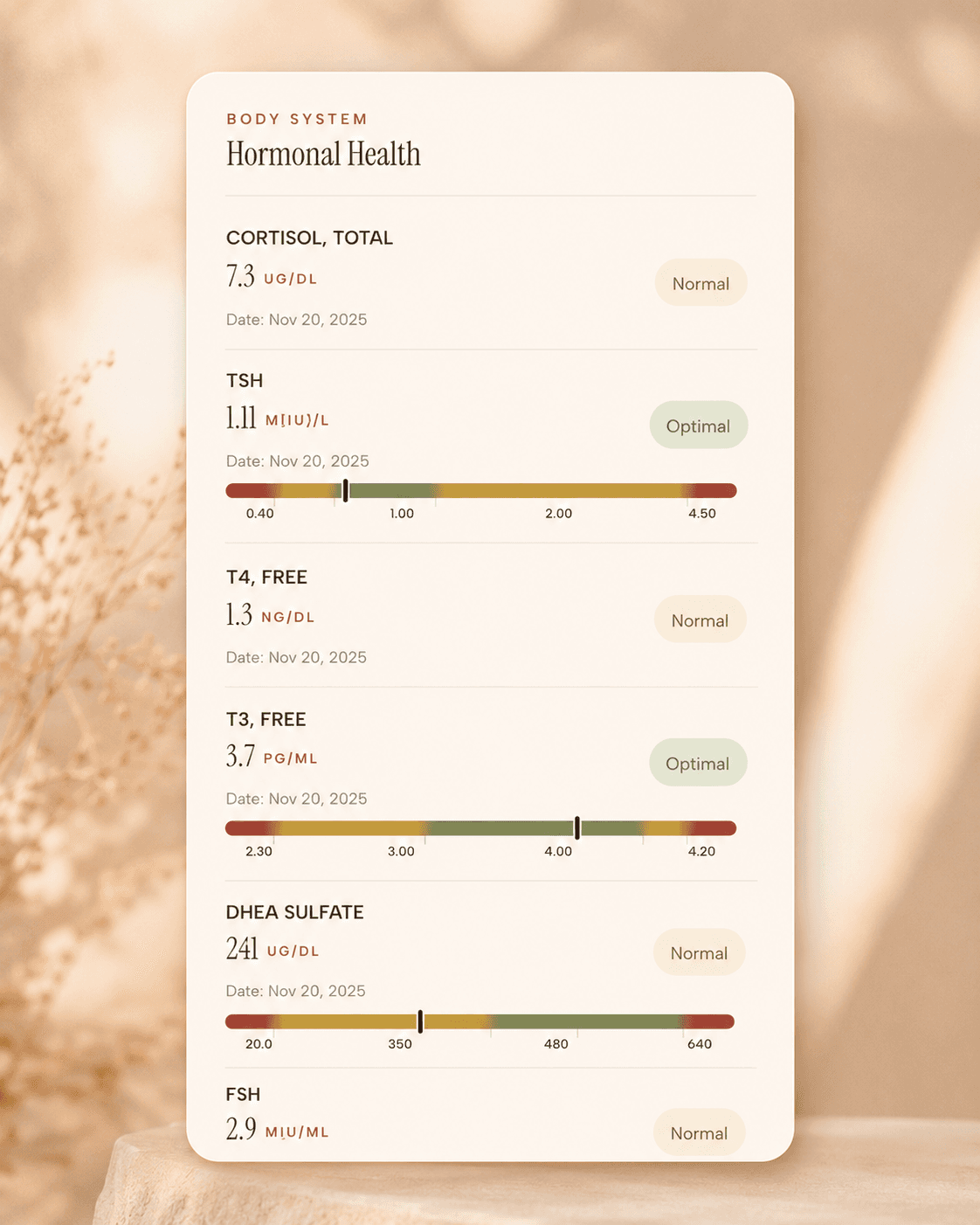
Cortisol, Total
Cortisol is the primary stress hormone that regulates metabolism, immune function, and blood pressure. In functional medicine, cortisol assessment is crucial for understanding stress response and its impact on overall health. Chronic elevation suppresses testosterone production and immune function, while low cortisol indicates adrenal insufficiency. Optimal cortisol rhythm supports energy, mood stability, and hormone balance. Cortisol orchestrates the body's stress response and daily energy rhythms. Balanced cor…
Learn moreSodium
Sodium is the primary extracellular electrolyte essential for fluid balance, nerve transmission, muscle contraction, and blood pressure regulation. In functional medicine, sodium balance reflects kidney function, adrenal health, and hydration status. Low sodium (hyponatremia) can cause neurological symptoms and may indicate SIADH, adrenal insufficiency, or excessive water intake. High sodium may indicate dehydration, diabetes insipidus, or excessive salt intake. Optimal sodium levels support cellular energy prod…
Learn moreHs Crp
High-sensitivity C-reactive protein (hs-CRP) is a key marker of systemic inflammation and cardiovascular risk. In functional medicine, we recognize hs-CRP as one of the most important predictors of heart disease, stroke, and metabolic dysfunction. Levels above 1.0 mg/L indicate increased inflammation that may be driven by poor diet, chronic infections, autoimmune conditions, or metabolic syndrome. Optimal levels below 0.5 mg/L are associated with the lowest cardiovascular risk and overall inflammatory burden. hs…
Learn moreLab testing
Check kidney strain, thyroid drive, and stress-hormone patterns
starting from $99 panel with 100+ tests, one visit
No referral needed
About 1 week
Schedule online — results typically within a week
Clear next steps
Guidance included, with follow-up care available
HSA / FSA
Eligible for pre-tax health spending accounts
Pro Tips
Use the “3-2-1” rule for home readings: take three measurements one minute apart, throw out the first, and average the last two. It cuts down false alarms from the initial cuff squeeze.
If you wake up panicky, do not measure immediately. Sit up, put both feet on the floor, and breathe slowly for five minutes first; then measure so you can tell anxiety spikes from true sustained hypertension.
Try one week of a consistent bedtime and wake time, even on weekends. Nighttime blood pressure is tightly tied to your sleep rhythm, so irregular schedules can create spikes that look mysterious.
If you suspect salt sensitivity, test it like a scientist: keep everything the same for four days, then do four days with clearly lower sodium at dinner. A meaningful change is often a 5 mmHg or greater drop in morning readings.
Write down what time you took your blood pressure medicine and what time the spike happened. When you bring that timeline to your clinician, it becomes much easier to adjust dosing safely.
Frequently Asked Questions
Is it normal for blood pressure to rise at night?
Most people “dip” at night, meaning blood pressure falls by about 10–20% during sleep. If your readings rise instead, it can signal sleep apnea, medication wearing off, or a stress-hormone pattern. Track bedtime and wake-up readings for a week and ask about ambulatory monitoring if the pattern persists.
What blood pressure number at night is dangerous?
A single high number can be scary, but danger depends on symptoms and how high it stays. If you have chest pain, shortness of breath, confusion, weakness on one side, or trouble speaking, treat it as an emergency regardless of the number. If you repeatedly see readings around 180/120 mmHg or higher even after resting quietly for five minutes, you should get urgent medical evaluation.
Can anxiety cause blood pressure spikes while sleeping?
Yes, especially if you wake up abruptly and measure right away, because the startle response can temporarily raise blood pressure. True nighttime hypertension is more likely when elevated readings are repeatable and show up on ambulatory monitoring, not just during moments of panic. If your spikes come with racing thoughts and settle after slow breathing, that points toward nervous-system arousal as a contributor.
Does sleep apnea cause high blood pressure at night?
Sleep apnea is one of the most common reasons for nighttime spikes because each breathing pause triggers an adrenaline surge that tightens blood vessels. Clues include loud snoring, gasping, morning headaches, and daytime sleepiness even after enough hours in bed. If this sounds like you, asking for a sleep study is a practical next step because treatment can lower nighttime blood pressure.
What labs help explain nighttime blood pressure spikes?
A comprehensive metabolic panel (CMP) can flag kidney strain and electrolyte patterns that affect blood pressure control. TSH helps screen for thyroid overactivity that can amplify nighttime surges and palpitations. If your blood pressure is hard to control or you have low potassium, an aldosterone-to-renin ratio (ARR) can uncover a treatable hormone driver—bring your medication list when you test so results can be interpreted correctly.
What research says about nighttime blood pressure
2017 ACC/AHA guideline for high blood pressure in adults (includes home and ambulatory monitoring guidance)
European Society of Hypertension position paper on ambulatory blood pressure monitoring and nighttime BP risk
AHA scientific statement on obstructive sleep apnea and cardiovascular disease (mechanisms include nocturnal BP surges)