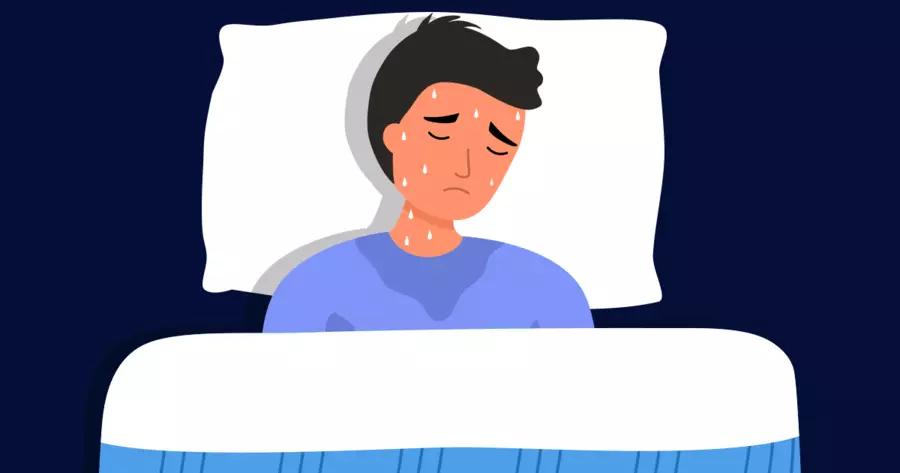
Why You Get Hot Flashes at Night (and What Helps)
Hot flashes at night usually come from menopause hormone shifts, thyroid overactivity, or medication effects. Targeted labs available—no referral needed.





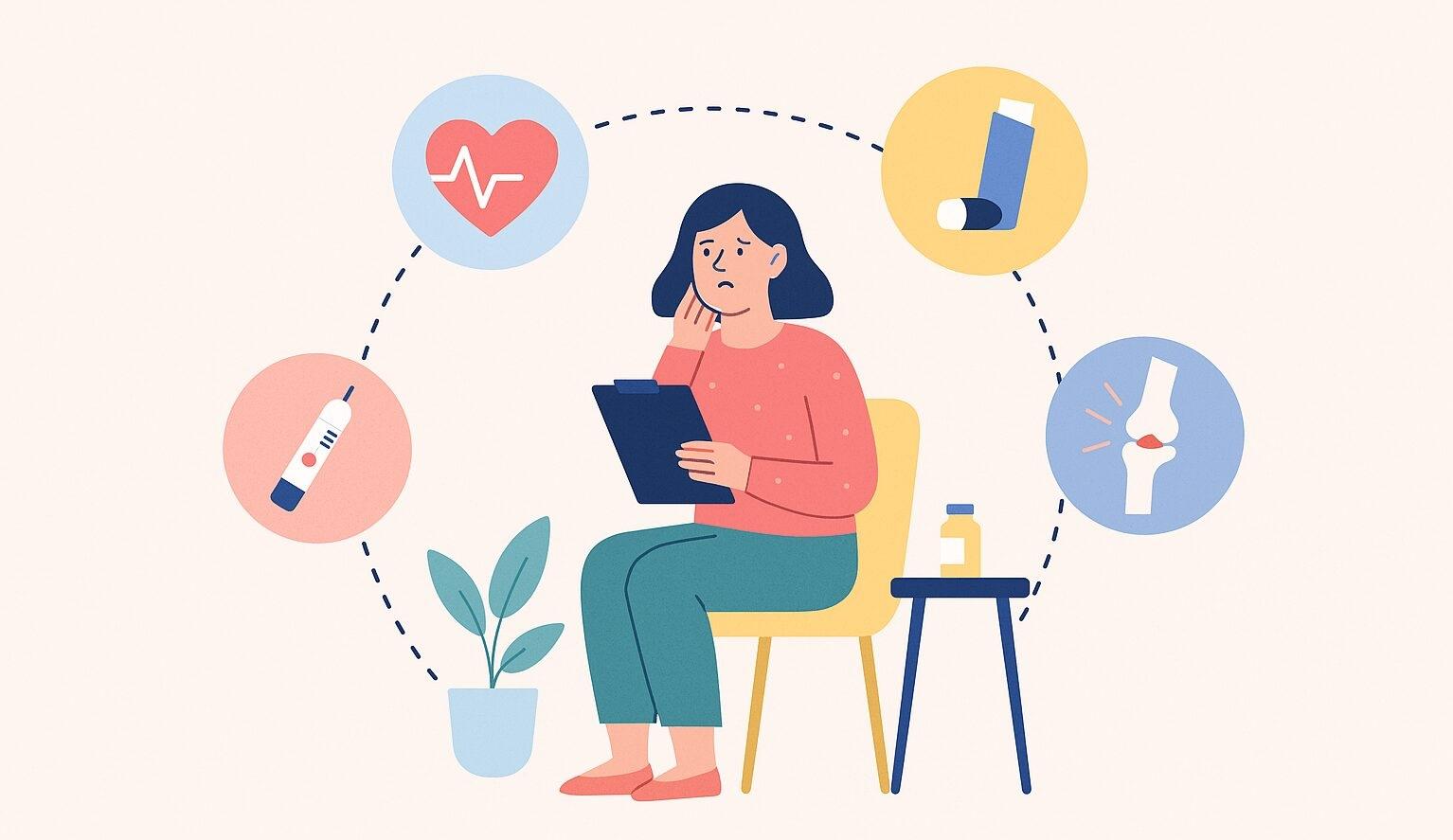
Hot flashes at night usually happen because your hormone signals are shifting (especially in perimenopause or menopause), which makes your brain’s temperature control center (hypothalamus) trigger “heat dumps” while you’re asleep. They can also be driven by an overactive thyroid, or by medication effects that change sweating and sleep depth. Blood tests can help sort out which of those is most likely in your case. Nighttime hot flashes feel extra cruel because they steal sleep, and then the next day you’re tired, irritable, and more sensitive to the next flush. You’re not imagining the pattern: sleep stages, a warmer bed microclimate, and even a small rise in core temperature can lower your “flush threshold” at night. This page walks you through the most common causes, what tends to work best specifically for nighttime episodes, and which labs are worth considering. If you want help connecting your symptoms, meds, and cycle history into a clear plan, PocketMD can talk it through with you, and Vitals Vault labs can help you confirm the physiology instead of guessing.
Why You Get Hot Flashes at Night
Menopause hormone shifts at night
As estrogen falls and fluctuates, your brain’s thermostat becomes jumpy, so tiny temperature changes can trigger a sudden widening of skin blood vessels and a surge of sweating. At night, that can feel like you wake up on fire, then swing into chills once the sweat evaporates. A useful clue is timing: if episodes cluster around skipped periods, postpartum changes, or after stopping hormones, menopause-related shifts move higher on the list.
Sleep disruption lowers your threshold
When your sleep is lighter or fragmented, your body has a harder time keeping a steady internal temperature, and you notice sensations that you might sleep through otherwise. Alcohol close to bedtime, untreated sleep apnea, and even a too-warm duvet can push you into a cycle where you wake, flush, then struggle to fall back asleep. If your hot flashes are worst on nights you sleep poorly, treating the sleep problem can reduce the flashes even before you change anything else.
Overactive thyroid (hyperthyroidism)
If your thyroid is running hot, your metabolism speeds up, which can make you feel overheated and sweaty even in a cool room. Nighttime can be when you notice it most because you’re still, the room is quiet, and the sweating wakes you up. If you also have a racing heart, tremor, frequent bowel movements, or unexplained weight loss, it’s worth prioritizing a thyroid check rather than assuming it’s “just menopause.”
Medication or hormone therapy effects
Some antidepressants, steroids, diabetes meds, and hormone treatments can change sweating, blood vessel tone, or sleep architecture, which can translate into night flushing. Breast cancer treatments that block estrogen can be especially notorious for triggering intense nighttime episodes because they create a sudden low-estrogen state. The takeaway is practical: review any new or dose-changed meds from the last 6–12 weeks and ask whether night sweats are a known side effect and whether timing or alternatives are possible.
Low blood sugar overnight
A drop in blood sugar while you sleep can trigger stress hormones like adrenaline, and your body may respond with sweating, a pounding heart, and a startled wake-up that feels like a hot flash. This is more likely if you take insulin or certain diabetes medications, but it can also happen after heavy evening alcohol or a long gap between dinner and breakfast. If you wake sweaty and shaky and feel better after a small snack, bring that pattern up with your clinician because medication timing may need adjustment.
What Actually Helps at Night
Cool the bed, not the whole house
Night hot flashes often respond best to micro-cooling, because you only need to lower the temperature around your skin by a small amount to stay under your trigger threshold. Try breathable sheets, a lighter duvet, and a fan aimed across the bed rather than directly at your face, which can feel drying. If you wake mid-flush, throwing off the covers for two minutes and then re-covering lightly can prevent the “soaked then freezing” cycle.
Time your triggers earlier
Alcohol, spicy foods, and hot showers can all raise core temperature or widen blood vessels, which makes a nighttime flush more likely even hours later. If you suspect a trigger, move it earlier in the day for a week rather than cutting it forever, and see if your nights change. This approach is less miserable and it gives you cleaner information about what your body is reacting to.
Non-hormonal prescription options
If hormones are not a good fit for you, there are non-hormonal medications that can reduce hot flash frequency and intensity, including certain SSRIs/SNRIs, gabapentin, and newer neurokinin-3 receptor blockers. The “so what” is sleep: some options are chosen specifically because they also help you stay asleep, which breaks the spiral of fatigue and more flushing. Ask your clinician which choice matches your situation, especially if you are a breast cancer survivor or you already take antidepressants.
Hormone therapy, when appropriate
For many people in early menopause without contraindications, menopausal hormone therapy can be the most effective treatment for hot flashes, including the ones that wake you up drenched. The key is tailoring: the type (patch vs pill), dose, and whether you need progesterone depend on your uterus status, clot risk, migraine history, and personal cancer history. If you’re considering it, go in with a goal like “sleep through the night most nights,” because that helps you and your clinician judge whether the benefits are worth it for you.
Treat the sleep problem underneath
If you snore loudly, wake gasping, or feel unrefreshed even after enough hours, sleep apnea can fragment sleep and amplify night sweats. Treating apnea or insomnia does not just improve daytime energy; it can reduce the number of awakenings where you perceive a flush. A simple first step is to track whether your worst nights correlate with snoring, alcohol, or sleeping on your back, and then bring that pattern to a sleep-focused visit.
Useful biomarkers to discuss with your clinician
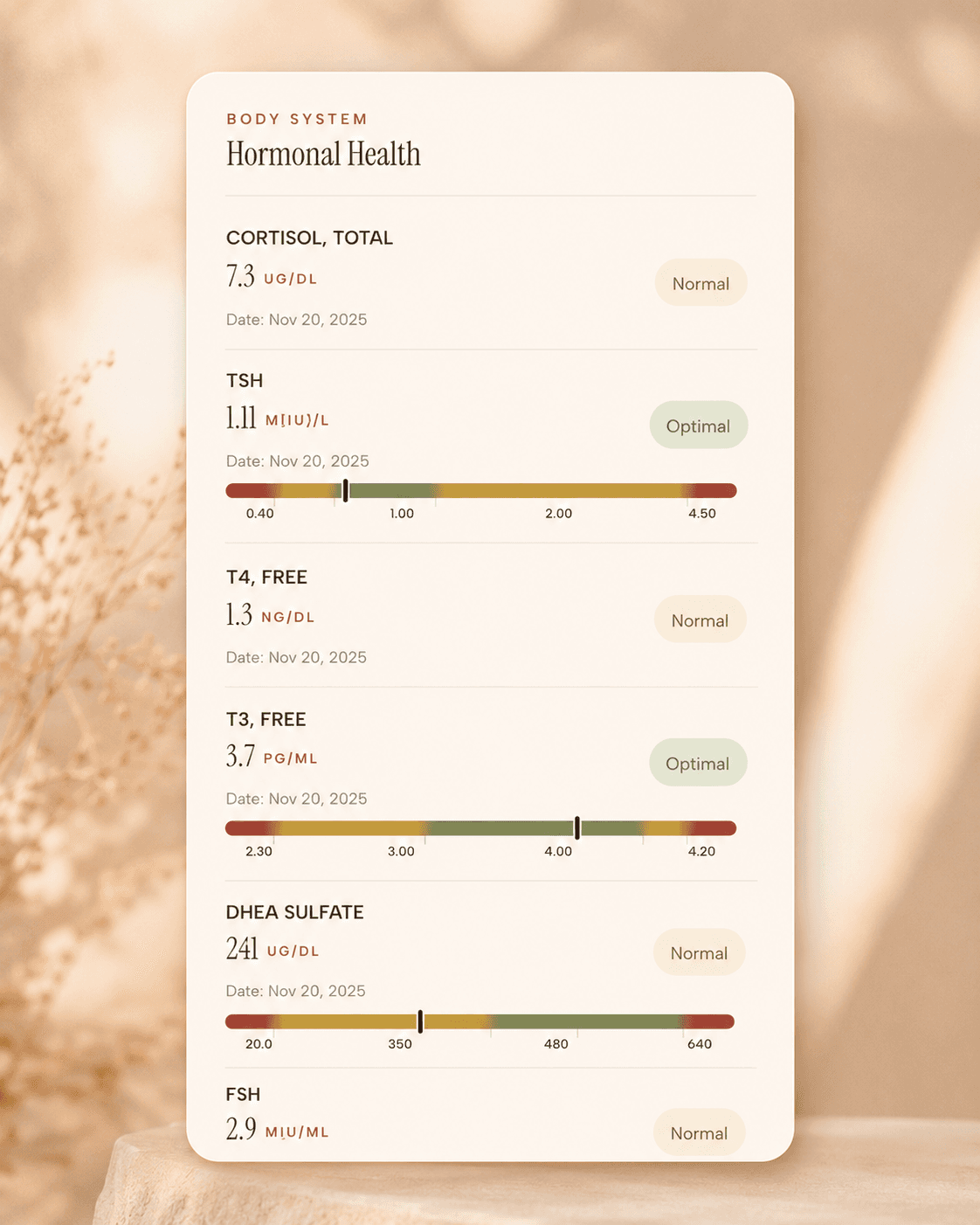
TSH
TSH is the master regulator of thyroid function, controlling the production of thyroid hormones T4 and T3. In functional medicine, we use narrower TSH ranges than conventional medicine to identify subclinical thyroid dysfunction early. Even mildly elevated TSH can indicate thyroid insufficiency, leading to fatigue, weight gain, depression, and metabolic dysfunction. TSH levels are influenced by stress, nutrient deficiencies, autoimmune conditions, and environmental toxins. Optimal TSH supports energy, metabolism…
Learn moreEstradiol
Estradiol in men is produced from testosterone via aromatase enzyme. In functional medicine, we recognize that men need optimal estradiol levels for bone health, cognitive function, and cardiovascular protection. However, excessive estradiol can suppress testosterone production and cause feminizing effects. The testosterone-to-estradiol ratio is crucial for male health, with optimal balance supporting vitality while preventing estrogen dominance. Balanced estradiol levels in men support bone health and cognitive…
Learn moreCortisol, Total
Cortisol is the primary stress hormone that regulates metabolism, immune function, and blood pressure. In functional medicine, cortisol assessment is crucial for understanding stress response and its impact on overall health. Chronic elevation suppresses testosterone production and immune function, while low cortisol indicates adrenal insufficiency. Optimal cortisol rhythm supports energy, mood stability, and hormone balance. Cortisol orchestrates the body's stress response and daily energy rhythms. Balanced cor…
Learn moreLab testing
Get TSH, free T4, and FSH checked at Quest
starting from $99 panel with 100+ tests, one visit
No referral needed
About 1 week
Schedule online — results typically within a week
Clear next steps
Guidance included, with follow-up care available
HSA / FSA
Eligible for pre-tax health spending accounts
Pro Tips
Try a “two-minute reset” when you wake up hot: sit up, throw off the covers, and breathe slowly until the wave passes, then re-cover lightly. It sounds small, but it often prevents a full sweat-soak that keeps you awake for an hour.
Do a 10-night experiment with your bedroom setup: keep the room cool, switch to breathable layers, and put a spare T-shirt by the bed so you can change quickly without fully waking up. The goal is fewer minutes awake, not perfection.
If you drink alcohol, move it earlier and cap it for a week, then compare your wake-ups. Nighttime hot flashes are one of those symptoms where timing matters more than people expect.
Keep a 2-week “flush log” that includes a 1–10 intensity score and what happened in the 60 minutes before bed (food, alcohol, shower, stress, new meds). Patterns usually show up faster than you think, and they give you something concrete to bring to an appointment.
If you’re on estrogen-blocking therapy after breast cancer, ask specifically about non-hormonal hot flash treatments and dosing at night. You deserve sleep, and there are options that do not involve estrogen.
Frequently Asked Questions
Why are my hot flashes worse at night than during the day?
At night your body naturally shifts temperature as you move through sleep stages, and your bed traps heat, so you can cross your personal “flush threshold” more easily. If your sleep is already light, you also notice the early sensations and wake up sooner, which makes the episode feel more intense. Try lowering the bed microclimate first (lighter bedding, fan across the bed) and track whether awakenings drop over 7–10 nights.
Are hot flashes at night the same thing as night sweats?
They overlap, but they are not identical. A hot flash is the sudden heat surge and flushing that can happen with or without sweating, while night sweats usually mean you are sweating enough to dampen clothes or sheets. If you are soaking the bed regularly, it is worth checking for thyroid issues (TSH and free T4) and reviewing medications, not just assuming it is menopause.
What tests should I ask for if I keep waking up drenched?
A practical starting point is thyroid testing with TSH and free T4, because thyroid overactivity can strongly mimic menopausal night sweats. If you are in the typical age range for perimenopause, FSH can help support that your symptoms match the menopause transition, especially when paired with cycle changes. If you use Vitals Vault, you can order targeted labs and then review the pattern with a clinician rather than guessing from symptoms alone.
Can antidepressants cause night sweats or hot flashes?
Yes, some antidepressants can increase sweating or change sleep depth, which can make nighttime hot flashes more noticeable. The tricky part is that certain antidepressants are also used to treat hot flashes, so the effect depends on the specific medication and dose. If your sweating started within weeks of a new prescription or dose change, ask about adjusting timing, dose, or switching options.
When should I worry that night hot flashes are something serious?
Get checked promptly if you have fevers, unintentional weight loss, swollen lymph nodes, chest pain, fainting, or drenching sweats that are new and persistent without any menopause context. Those features can point away from simple vasomotor symptoms and toward infections, thyroid disease, or other medical causes that deserve evaluation. If you are unsure, start by documenting frequency and severity for two weeks and bring that log to a visit.