Night Sweats at Night: What They Mean and What Helps
Night sweats at night often come from hormone shifts, infections with fever, or thyroid overactivity. Targeted labs are available—no referral needed.





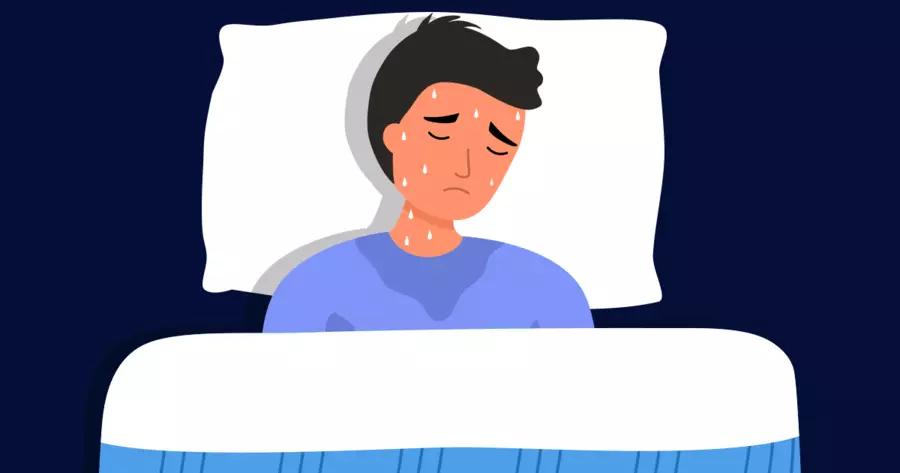
Night sweats at night usually happen because your body is generating extra heat (from hormones, thyroid overactivity, or infection) or because your brain’s temperature control is firing too easily during sleep. They can also show up when your blood sugar drops overnight or when certain medicines change how you sweat. A few targeted blood tests can help narrow down which pattern fits you. Waking up damp is annoying, but waking up drenched is genuinely disruptive, and it can make your mind jump to scary possibilities. The truth is that most night sweats are explainable and treatable once you separate “too warm bedroom” from “your body is running hot.” This guide walks you through the most common causes, the red flags that deserve prompt care, and practical ways to get relief. If you want help sorting your specific story, PocketMD can talk it through with you, and Vitals Vault labs can help you check the most relevant markers without turning this into a months-long guessing game.
Why you wake up sweating at night
Hormone shifts trigger heat surges
When estrogen or testosterone levels change, your brain’s thermostat (hypothalamus) can become jumpy, so a tiny rise in core temperature triggers a full sweat response. That is why you can fall asleep fine and then wake up suddenly hot, sweaty, and wide awake. If your sweats come with new cycle changes, vaginal dryness, lower libido, or mood shifts, it is worth discussing hormone transition and checking labs that rule out look-alikes like thyroid disease.
Infection or inflammation with fever
Some infections cause your temperature to spike at night, and sweating is your body’s way of cooling down as the fever breaks. You might notice chills before bed, body aches, or a new cough, but sometimes the only clue is waking up soaked. If you also have persistent fever, shortness of breath, painful urination, or you feel truly unwell, do not try to “wait it out” — get evaluated promptly because treatment depends on the source.
Overactive thyroid revs you up
An overactive thyroid makes your cells burn energy faster, which creates heat and can leave you sweaty even in a cool room. Nighttime can feel especially uncomfortable because your heart may race when you lie down, and you may wake up anxious or shaky. If you have unexplained weight loss, frequent bowel movements, tremor, or heat intolerance during the day too, a thyroid test is one of the highest-yield next steps.
Low blood sugar during sleep
If your blood sugar drops overnight, your body releases adrenaline and cortisol to bring it back up, and that surge can cause sweating, a pounding heart, and a sudden “wired” awakening. This can happen with diabetes medicines, but it can also happen if you drink alcohol in the evening or skip dinner and then exercise hard. A useful clue is timing: sweats that hit around 2–4 a.m. with hunger or shakiness often point toward glucose swings.
Medicines and substances change sweating
Some antidepressants, hormone therapies, steroids, and fever reducers can alter how your nervous system controls sweat, and alcohol can widen skin blood vessels so you dump heat and then rebound-sweat later. The frustrating part is that the sweating can start weeks after a dose change, so it does not always feel “connected.” If your night sweats began after a new medication or a higher dose, bring the exact name and timeline to your clinician because a switch or taper can sometimes fix the problem quickly.
What actually helps night sweats
Make your sleep setup sweat-proof
If you are waking up drenched, you need a setup that lets you cool down fast without fully waking. Try breathable layers you can peel off, a moisture-wicking shirt, and a towel or absorbent pad you can swap in 30 seconds. Keep a spare shirt and pillowcase within reach so you can change and go back to sleep instead of turning on bright lights and resetting your brain.
Use a 10-day pattern log
Night sweats feel random until you track the timing and the “30 minutes before bed” details, which is often where the answer lives. For 10 days, jot down bedtime, alcohol, spicy food, late exercise, stress level, and whether you woke with a racing heart or chills. Bring that pattern to your appointment, because it helps your clinician separate hot flashes, fever sweats, and adrenaline-type sweats much faster.
Adjust evening alcohol and meals
Alcohol can trigger sweating in two ways: it makes you feel warm early in the night, and it can also push your blood sugar down later. If you suspect it, do a simple experiment by taking a two-week break, or by moving any drink to earlier with food and stopping at least three hours before bed. If sweats improve, you have a clear lever you can control without needing a complicated workup.
Target hot flashes when they are the driver
If your night sweats are really hot flashes at night, cooling tricks help, but treating the hot flashes helps more. Depending on your situation, options can include non-hormonal prescriptions, menopausal hormone therapy, or for men, evaluation for low testosterone when symptoms fit. The key is matching the treatment to your risk profile and goals, so it is worth a focused conversation rather than guessing with supplements.
Get checked when red flags show up
Night sweats deserve faster evaluation if they are new and persistent for more than two to three weeks, especially if you also have unexplained weight loss, swollen lymph nodes, ongoing fever, or drenching sweats that soak the sheets. Those combinations do not automatically mean something serious, but they do mean you should not delay. If you can, take your temperature during an episode and write it down, because that one number changes the whole decision tree.
Useful biomarkers to discuss with your clinician
TSH
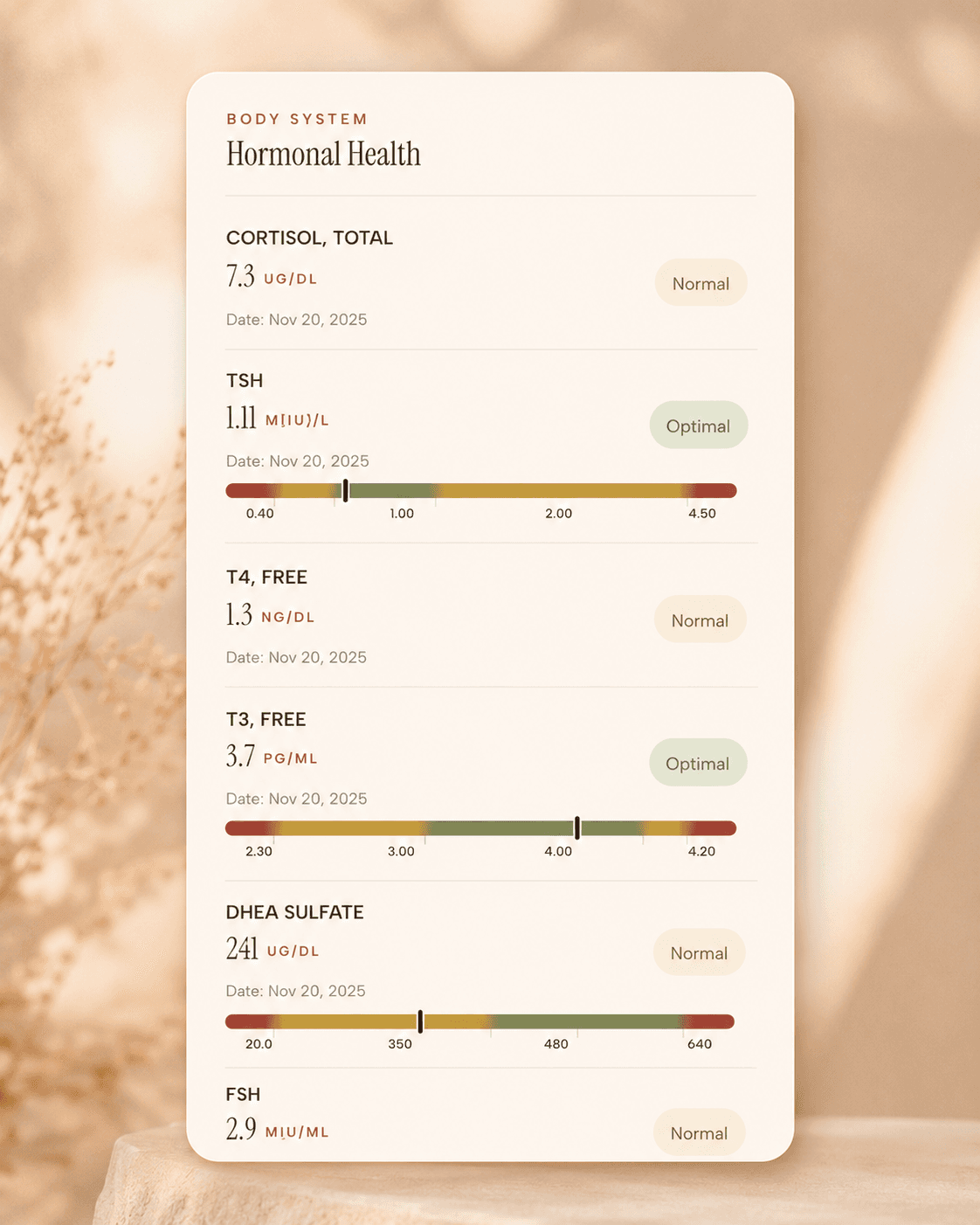
TSH is the master regulator of thyroid function, controlling the production of thyroid hormones T4 and T3. In functional medicine, we use narrower TSH ranges than conventional medicine to identify subclinical thyroid dysfunction early. Even mildly elevated TSH can indicate thyroid insufficiency, leading to fatigue, weight gain, depression, and metabolic dysfunction. TSH levels are influenced by stress, nutrient deficiencies, autoimmune conditions, and environmental toxins. Optimal TSH supports energy, metabolism…
Learn moreCortisol, Total
Cortisol is the primary stress hormone that regulates metabolism, immune function, and blood pressure. In functional medicine, cortisol assessment is crucial for understanding stress response and its impact on overall health. Chronic elevation suppresses testosterone production and immune function, while low cortisol indicates adrenal insufficiency. Optimal cortisol rhythm supports energy, mood stability, and hormone balance. Cortisol orchestrates the body's stress response and daily energy rhythms. Balanced cor…
Learn moreEstradiol
Estradiol in men is produced from testosterone via aromatase enzyme. In functional medicine, we recognize that men need optimal estradiol levels for bone health, cognitive function, and cardiovascular protection. However, excessive estradiol can suppress testosterone production and cause feminizing effects. The testosterone-to-estradiol ratio is crucial for male health, with optimal balance supporting vitality while preventing estrogen dominance. Balanced estradiol levels in men support bone health and cognitive…
Learn moreLab testing
Check thyroid, inflammation, and glucose drivers of night sweats
starting from $99 panel with 100+ tests, one visit
No referral needed
About 1 week
Schedule online — results typically within a week
Clear next steps
Guidance included, with follow-up care available
HSA / FSA
Eligible for pre-tax health spending accounts
Pro Tips
If you wake up soaked, take your temperature right then (not in the morning) and write it down, because a true fever points you toward infection or inflammation rather than “just sleeping hot.”
Try the “layer swap” setup: sleep on a towel over your fitted sheet and keep a second towel folded nearby, so you can pull the wet one off and roll onto dry fabric without remaking the bed.
If your sweats tend to hit around 2–4 a.m., experiment for one week with a balanced evening snack that includes protein and fiber, and avoid alcohol on those nights to see if adrenaline-type wakeups calm down.
Set your room cooler than you think you need, and use a light blanket plus socks; warming your feet while keeping your core cool often reduces the thermostat “overreaction” that triggers sweating.
If a medication change happened within the last two months, write down the exact start date and dose changes before your visit, because that timeline is often the clue that gets you a quick fix.
Frequently Asked Questions
Are night sweats always a sign of cancer?
No. Most night sweats come from hormones, thyroid overactivity, infections, medications, or sleep-environment issues. Cancer-related sweats are more concerning when they are drenching and persistent and come with unexplained weight loss, ongoing fever, or new swollen lymph nodes. If you have that combination, book an urgent medical evaluation rather than trying to self-treat.
What’s the difference between night sweats and hot flashes at night?
Hot flashes at night usually feel like a sudden wave of heat that starts in your chest or face, often followed by sweating and then chills as you cool down. Night sweats from fever or inflammation often come with feeling sick, body aches, or a measured temperature elevation during the episode. If you can, check your temperature when you wake sweaty and note whether you felt a “heat surge” first.
When should I worry about night sweats and see a doctor?
Get checked promptly if night sweats are new and happening most nights for more than two to three weeks, or sooner if you also have fever, shortness of breath, chest pain, fainting, unexplained weight loss, or swollen lymph nodes. Those details change what needs to be ruled out first. Bring a short log of timing, temperature readings, and any medication changes to make the visit more productive.
Can low testosterone cause night sweats in men?
Yes. Low testosterone can cause vasomotor symptoms that feel like hot flashes, especially at night, and you might also notice lower libido, fewer morning erections, fatigue, or mood changes. Testing usually starts with a morning total testosterone, and results are interpreted alongside symptoms and sometimes LH/FSH. If your symptoms fit, ask for a morning blood draw rather than testing late in the day.
What blood tests are most useful for night sweats?
High-yield starters are TSH for thyroid-driven sweating, CRP for inflammation that can go with infection, and HbA1c to screen for glucose patterns that can trigger adrenaline-type night wakeups. Abnormal results do not diagnose everything, but they help you choose the right next step instead of guessing. If your sweats are drenching or paired with fever or weight loss, ask your clinician what additional tests or imaging are appropriate.
What the research says about night sweats
North American Menopause Society position statement on hormone therapy and vasomotor symptoms (hot flashes that can present as night sweats)
Endocrine Society clinical practice guideline on testosterone therapy in men with hypogonadism (night sweats can be a vasomotor symptom in low testosterone)
American Thyroid Association guidance on hyperthyroidism and other causes of thyrotoxicosis (heat intolerance and sweating are common symptoms)