01
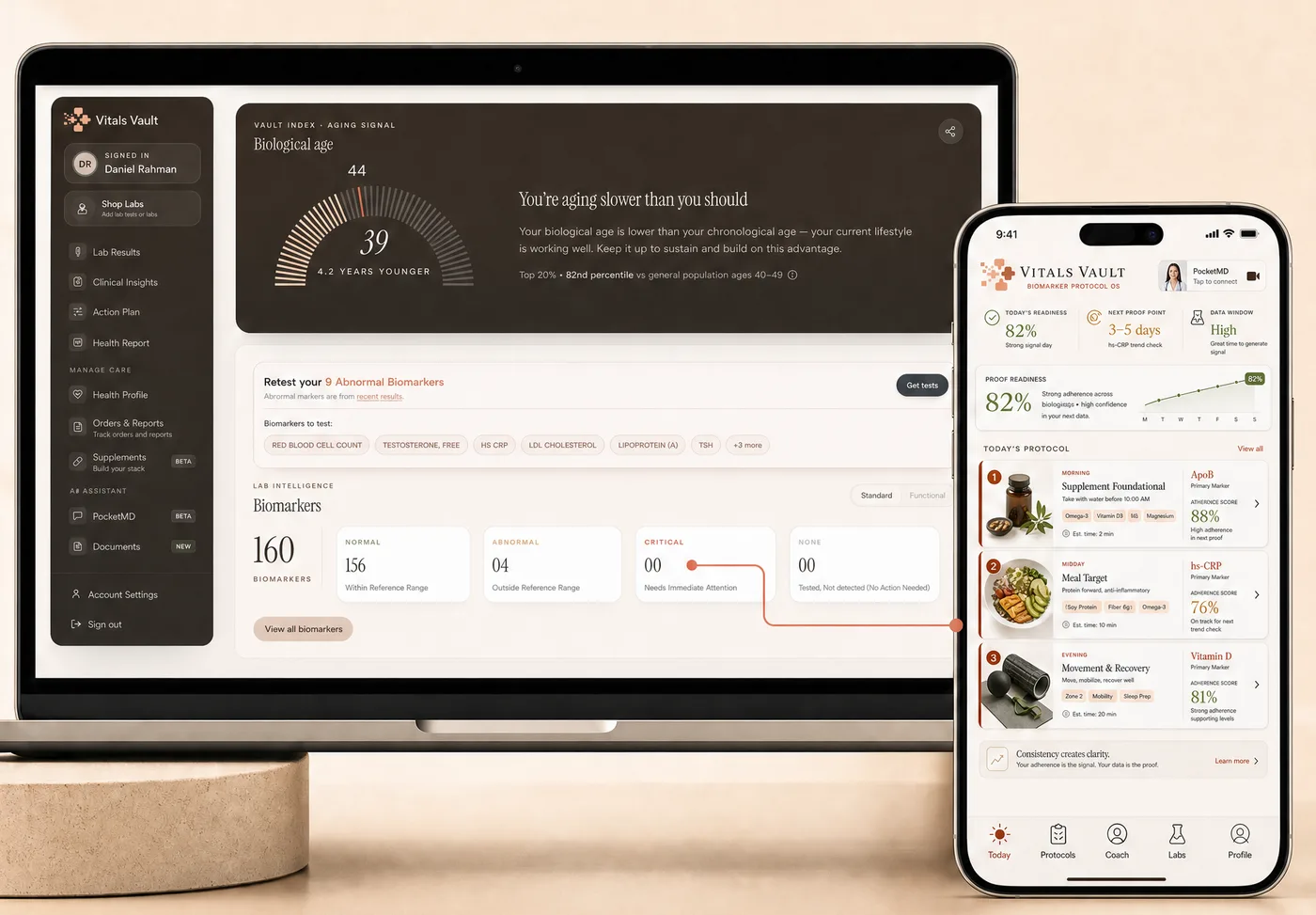
Biological age
Find out if your body is aging faster or slower than your actual age — and see how you rank against the general population.
39
Biological age
44
Actual age
4.2
Years younger
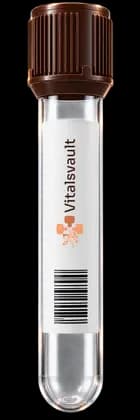
Longevity Essentials Quick Check
Results in about 1–4 days
Longevity Essentials Quick Check Panel: a focused baseline for metabolic, lipid, liver, kidney, inflammation, and blood counts. This blood test panel checks core longevity markers—lipids, glucose control, inflammation, liver/kidney function, and blood counts—to guide next steps.
This is a lab panel, meaning you get multiple results from one blood draw. The Longevity Essentials Quick Check is designed to cover the highest-signal “anchors” people use to build a baseline and track change over time—without turning your first step into an overwhelming spreadsheet.
What to expect before and at your draw.
Sample Type
Blood
Collection Method
In person at a Quest Diagnostics location
Age
18+
This order includes the lab markers used for Longevity Essentials Quick Check.
Homocysteine
Included in this Quest Diagnostics order and reported in your Vitals Vault account.
Hs Crp
Included in this Quest Diagnostics order and reported in your Vitals Vault account.
Egfr
Included in this Quest Diagnostics order and reported in your Vitals Vault account.
Glucose
Included in this Quest Diagnostics order and reported in your Vitals Vault account.
Order Longevity Essentials Quick Check online.
Visit a Quest Diagnostics location near you for your blood draw. Appointments can be scheduled after checkout.
View easy-to-read results in your Vitals Vault account, with trends and a personalized action plan.
Included with every package
Function Health shows you numbers. Vitals Vault connects them — ratios, patterns, and a personalized action plan grounded in functional medicine.
Find out if your body is aging faster or slower than your actual age — and see how you rank against the general population.
39
Biological age
44
Actual age
4.2
Years younger
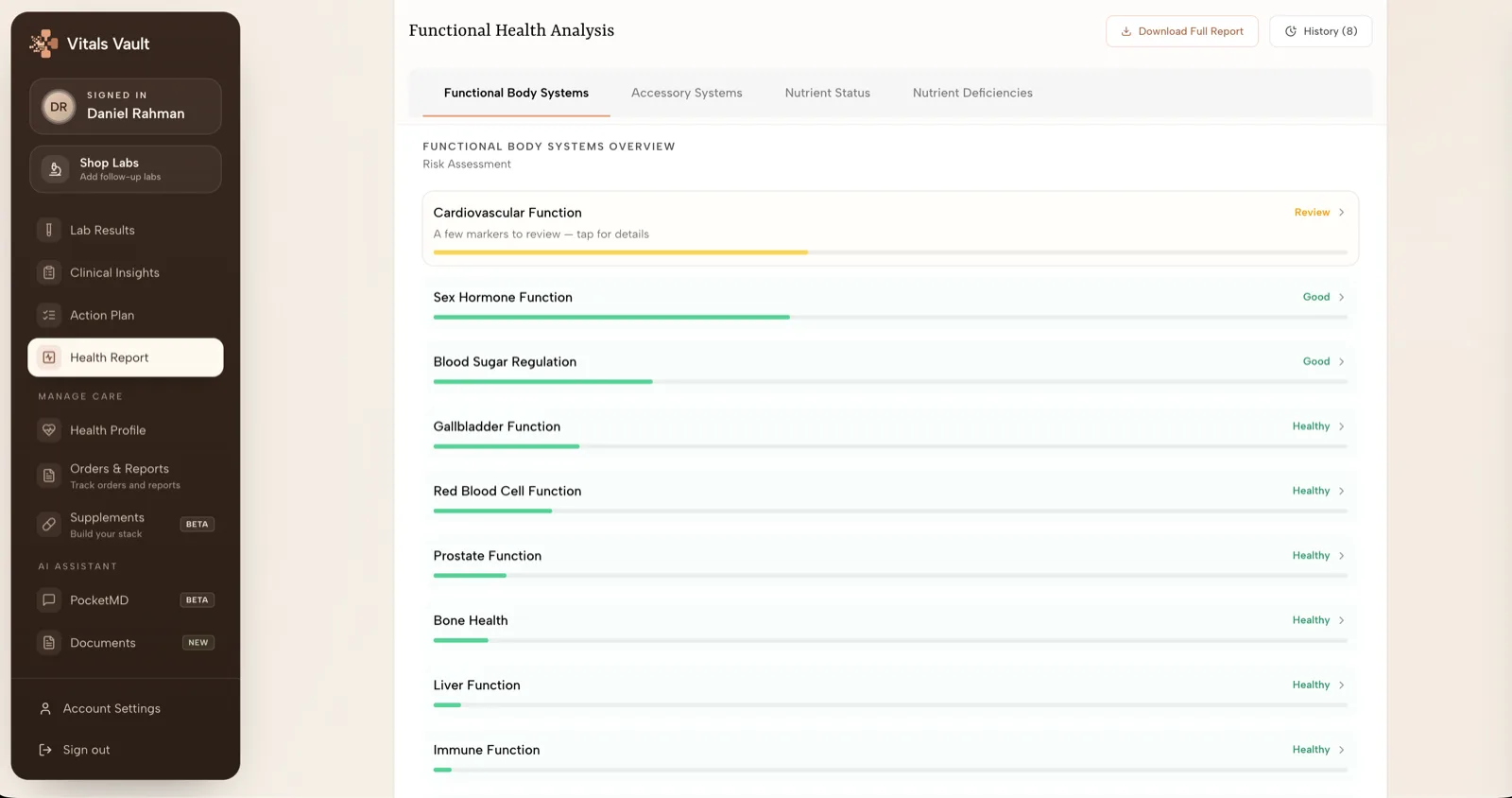
Turn lab data into what to do next—clear guidance on follow-ups, lifestyle context, and add-on testing when you need to go deeper. Make the healthy choice the obvious one.
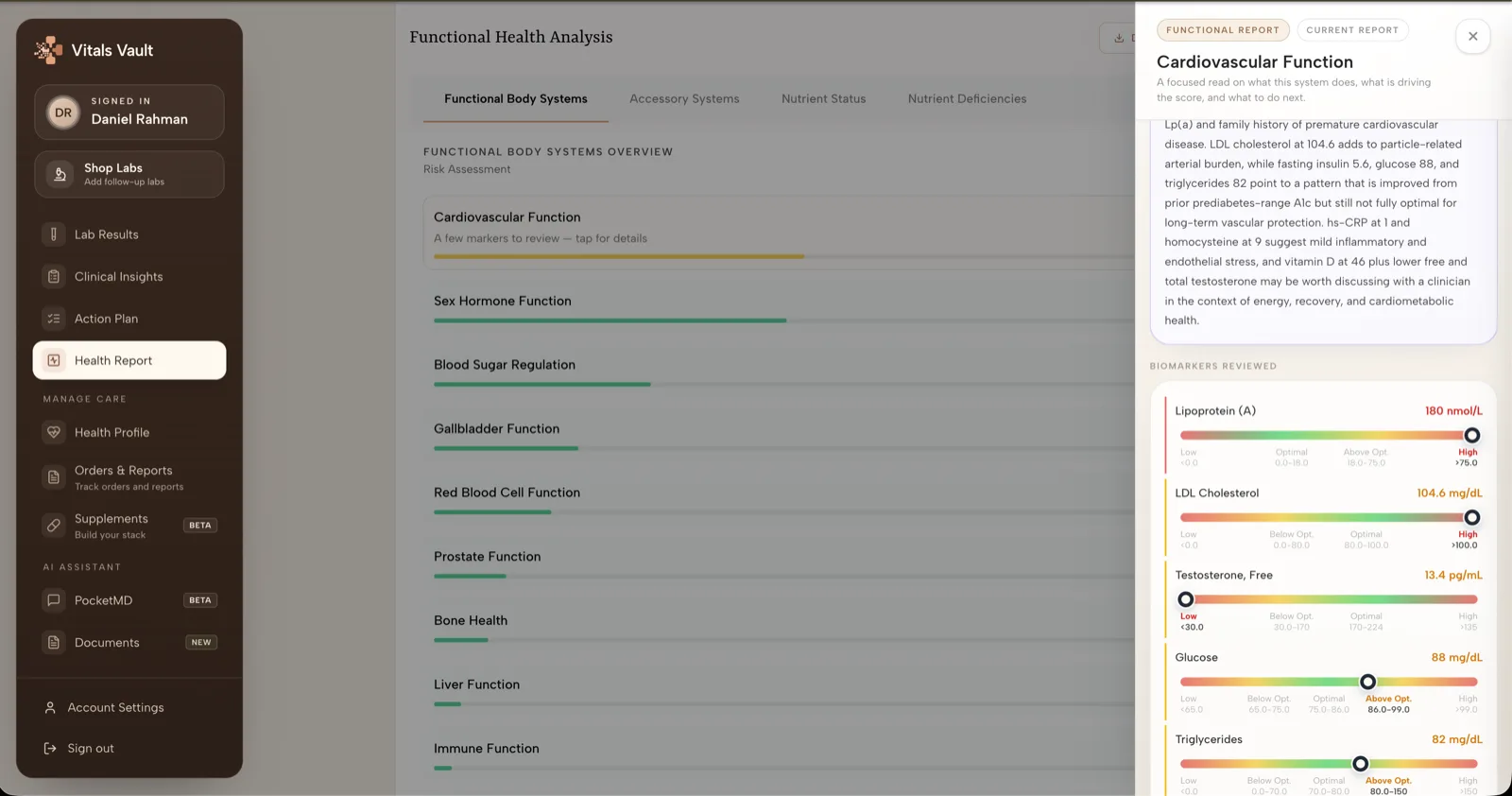
A personalized, plain-language walkthrough of your abnormal markers—reference ranges, pattern context, and what to watch next, grounded in your actual labs.
Personalized Insights
Clear Explanations
Actionable guidance
Explore your body systems with clear risk context — refresh your report, download the full PDF, and monitor hormones, heart, bone, and more in one place.
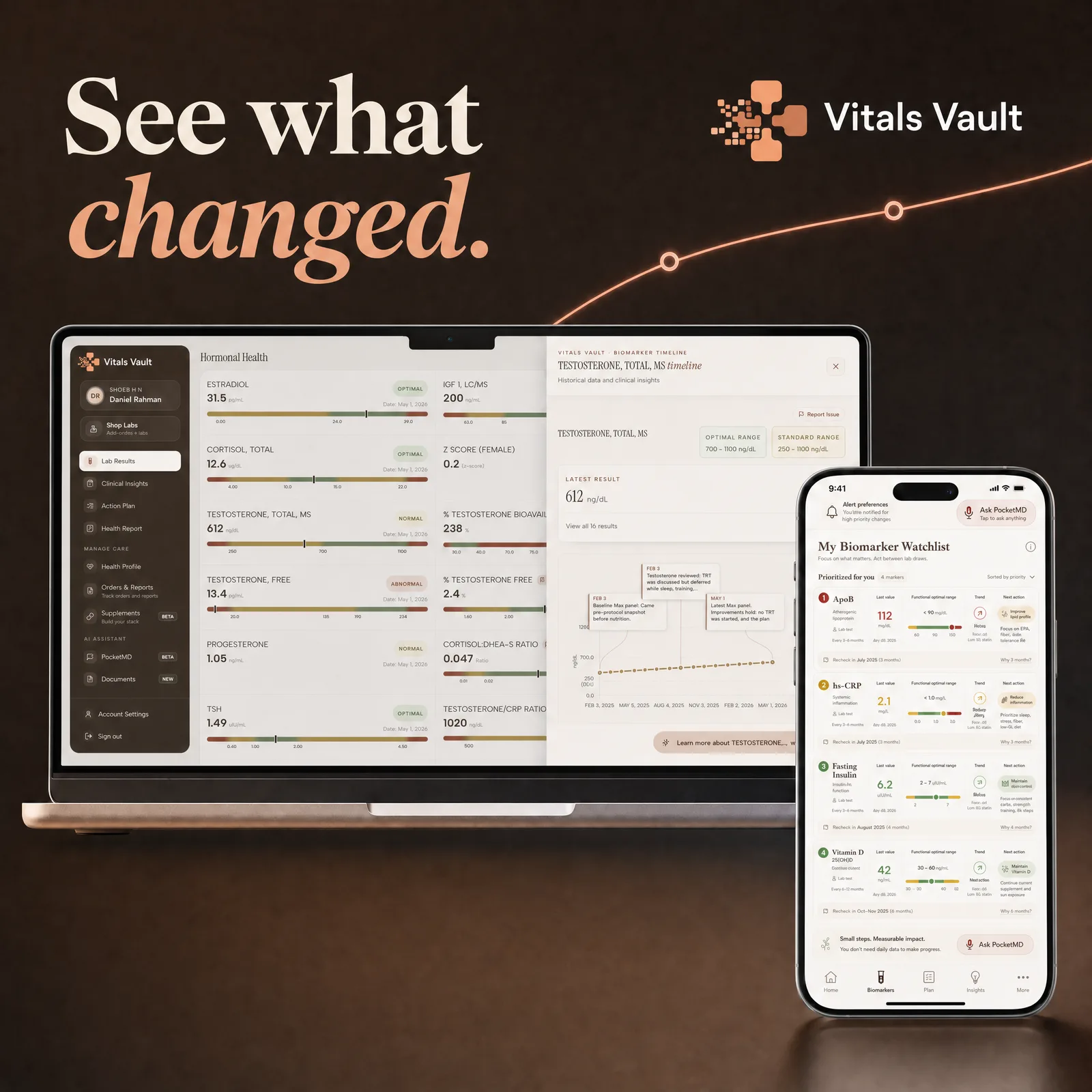
Explore hundreds of tests and panels, filter by concern, and manage your cart—member-exclusive pricing with quick checks and full-body options in one flow.
Wide test selection
300+ tests & panels available
Smart filtering
Find tests by symptoms or goals
Seamless ordering
Add to cart and manage easily
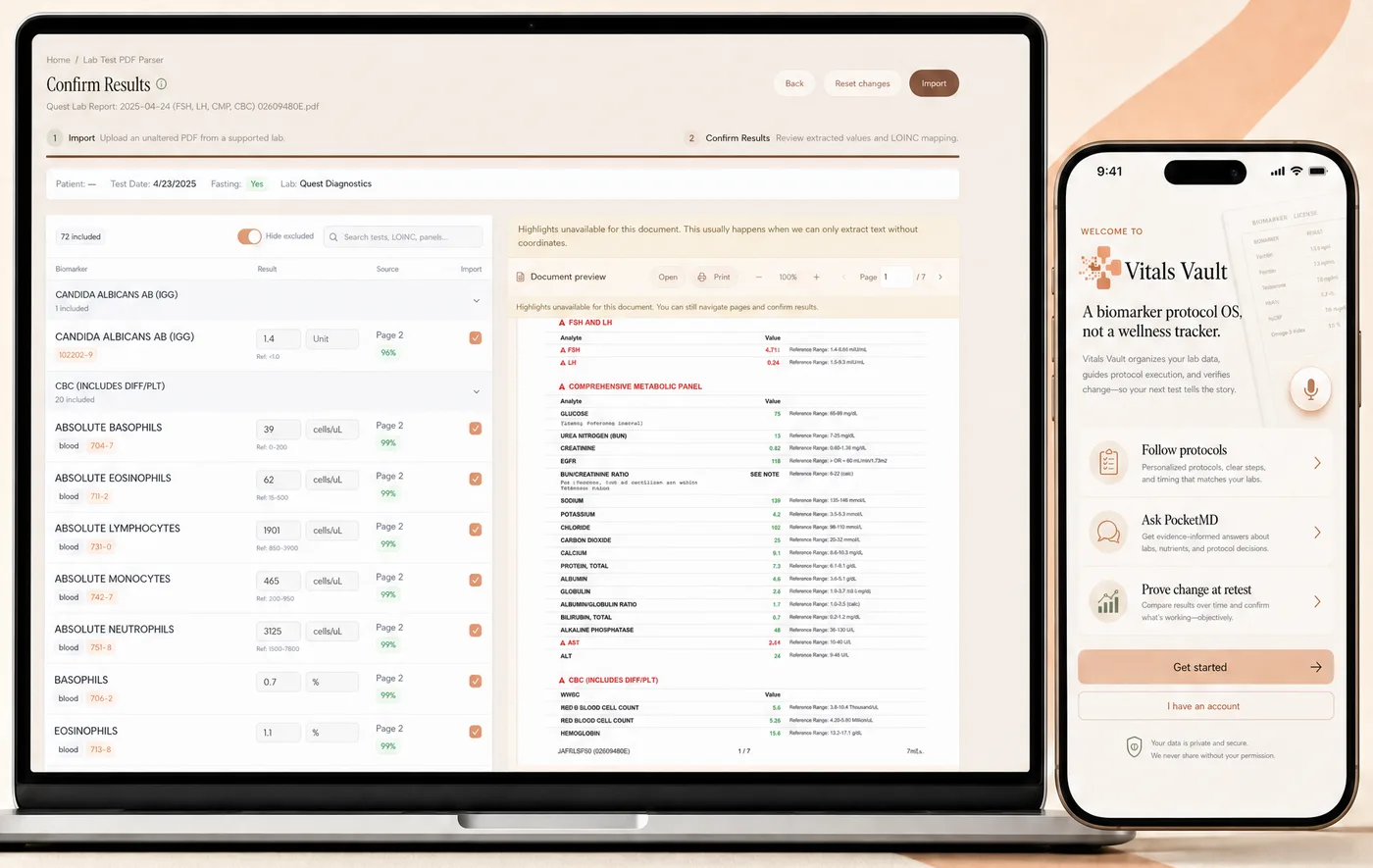
Upload past lab reports, search your documents, and keep appointments and results organized—our AI can extract biomarkers from PDFs so everything lives in one dashboard.
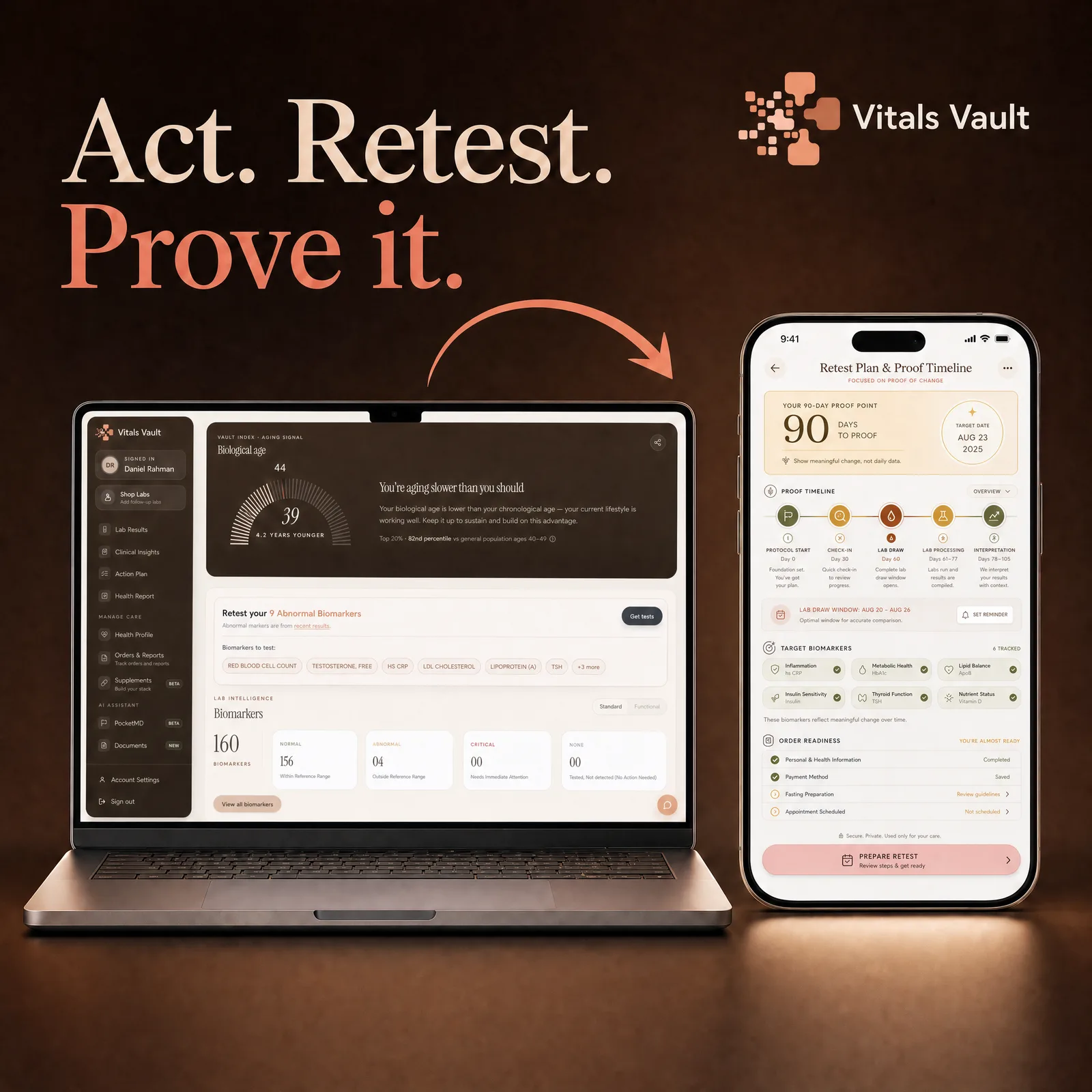
Browse longevity, nutrition, supplement, and movement protocols—structured plans you can follow with clear habits, labs, and targets tied to your profile.
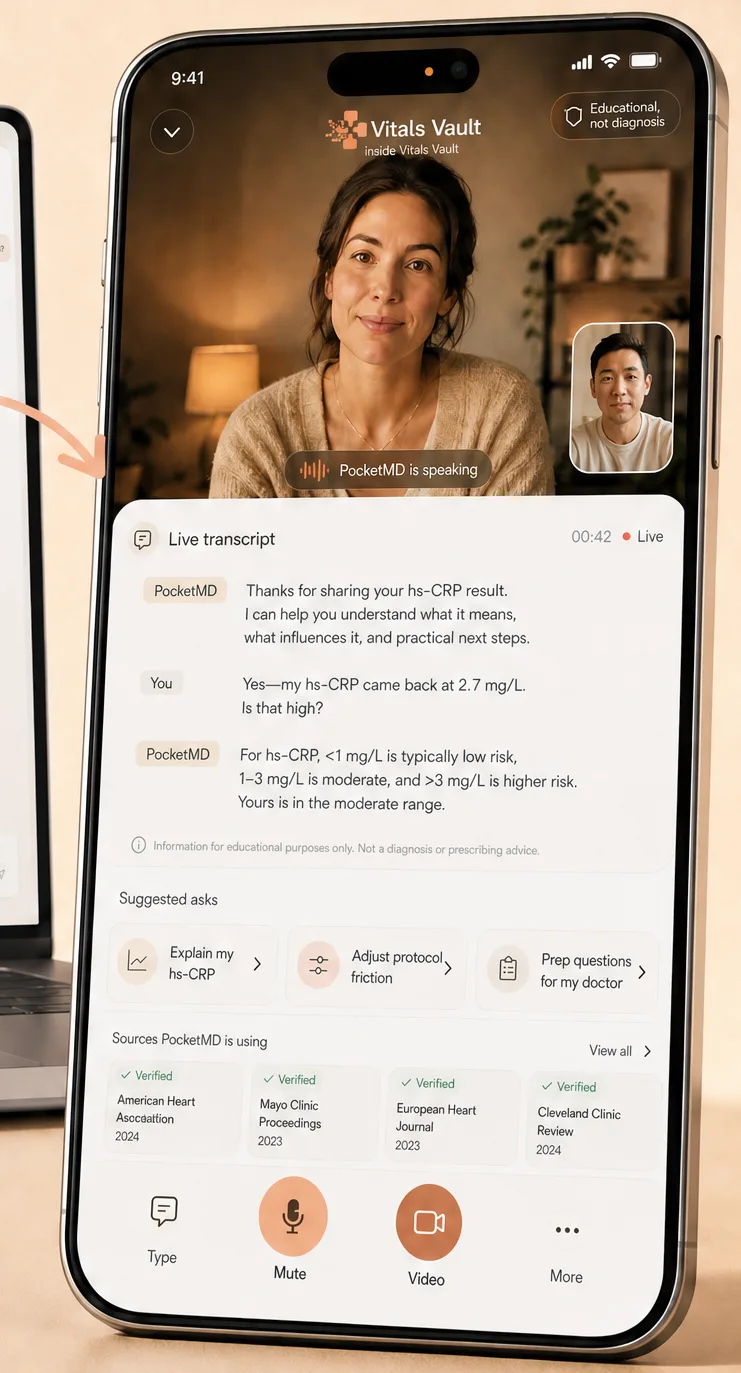
Ask for protocols, nutrition plans, supplement stacks, and education—context-aware suggestions powered by your labs and goals (beta experience).
Order online
Add Longevity Essentials Quick Check to your cart and check out. No doctor referral is required.
Visit a Quest lab
Provide your blood sample at a Quest Diagnostics location. Appointments can be scheduled after checkout.
Review in Vitals Vault
Results in about 1–4 days. They stay in your Vitals Vault account for trends and follow-up.
Fast 10–12 hours before your draw (water is fine), unless your requisition says otherwise.
This order includes the lab markers used for Longevity Essentials Quick Check and reported in your Vitals Vault account.
Results
Results in about 1–4 days
HSA/FSA
Accepted
Who takes it
Must be taken by the purchaser
Preparation
Fast for 8 hours (no food or drink, except water) before sample collection.
Urea Nitrogen (Bun)
Included in this Quest Diagnostics order and reported in your Vitals Vault account.
Creatinine
Included in this Quest Diagnostics order and reported in your Vitals Vault account.
Bun/Creatinine Ratio
Included in this Quest Diagnostics order and reported in your Vitals Vault account.
Sodium
Included in this Quest Diagnostics order and reported in your Vitals Vault account.
Potassium
Included in this Quest Diagnostics order and reported in your Vitals Vault account.
Chloride
Included in this Quest Diagnostics order and reported in your Vitals Vault account.
Carbon Dioxide
Included in this Quest Diagnostics order and reported in your Vitals Vault account.
Calcium
Included in this Quest Diagnostics order and reported in your Vitals Vault account.
This blood test panel checks core longevity markers—lipids, glucose control, inflammation, liver/kidney function, and blood counts—to guide next steps.





This is a lab panel, meaning you get multiple results from one blood draw. The Longevity Essentials Quick Check is designed to cover the highest-signal “anchors” people use to build a baseline and track change over time—without turning your first step into an overwhelming spreadsheet.
You may want this panel if you are trying to build a long-term baseline and you are not sure which labs are worth repeating. A focused panel can be a better starting point than ordering dozens of niche markers, especially if your goal is to track trends year over year.
This panel is also useful if you want a reality check on cardiometabolic risk factors that often change quietly: cholesterol patterns, glucose control, inflammation, and organ function markers that can shift with sleep, stress, training load, alcohol, medications, or weight change.
You might prioritize this panel if you have a family history of heart disease, type 2 diabetes, fatty liver disease, kidney disease, or if you are making a major lifestyle change (nutrition plan, strength training, weight loss, alcohol reduction) and want objective feedback.
Your results are most helpful when you review them in context—your symptoms, medications and supplements, recent illness, and your prior labs. This panel supports clinician-directed care and shared decision-making; it is not meant to diagnose conditions on its own.
This panel combines standard clinical chemistry and hematology tests; reference ranges and optimal targets can vary by lab, age, sex, and clinical context.
from $58.47 at Quest Diagnostics
Results in days
Clear next steps
HSA / FSA
Vitals Vault makes it straightforward to order a longevity-focused lab panel and get a clean, organized set of results you can trend over time. You can use this panel as a starting baseline, then decide—based on what shows up—whether you should go deeper with a more advanced panel.
After your blood draw, you can review your results in one place and use PocketMD to ask questions like which results matter most, what patterns suggest insulin resistance versus a temporary spike, and what to repeat first when you are tracking change.
If you are trying to avoid “panel overload,” this bundle is intentionally practical: it covers the common high-signal categories that influence long-term risk and day-to-day performance, without requiring you to interpret a long list of specialty hormones or advanced lipid fractions on your first pass.
The Longevity Essentials Quick Check is a bundled blood test panel that measures a curated set of markers commonly used to track long-term health risk and short-term physiology. Instead of focusing on one analyte, it gives you a multi-system snapshot—how you are handling glucose, what your lipid pattern looks like, whether inflammation is elevated, and whether basic liver, kidney, and blood-count markers look stable.
A “quick check” panel is most valuable when you treat it like a dashboard. One result rarely tells the whole story, but patterns across categories can be very informative. For example, a mildly elevated fasting glucose means something different when A1c is normal and triglycerides are low than when A1c is rising and triglycerides are high.
This panel is often used for three practical goals: (1) establishing a baseline you can compare against in the future, (2) checking whether lifestyle changes are moving the right markers in the right direction, and (3) deciding when it is worth stepping up to a deeper longevity or performance panel.
Because many of these markers respond to recent behavior (sleep, alcohol, illness, training, diet), the most useful interpretation includes timing and context: whether you were fasting, whether you were sick recently, your hydration status, and any medications or supplements that can shift results.
“Low” in this panel often shows up in blood counts or proteins rather than in cholesterol or glucose. Examples include low hemoglobin/hematocrit (possible anemia patterns), low white blood cells (sometimes benign, sometimes medication- or illness-related), or low albumin/total protein (which can reflect nutrition status, inflammation, or liver/kidney issues depending on the broader picture). Low HDL cholesterol can also be a meaningful pattern when paired with high triglycerides or rising glucose markers, suggesting reduced metabolic resilience. If you see multiple low values, the next step is usually to look for a unifying explanation (dietary intake, heavy training, recent infection, medications, menstrual blood loss) and confirm with repeat testing or targeted add-ons rather than reacting to a single number.
An “optimal” pattern is less about every result being perfectly mid-range and more about coherence across systems: stable kidney markers, liver enzymes that are not trending upward, low inflammation (such as low hs-CRP), and a lipid pattern that fits your overall risk profile (often lower triglycerides, reasonable non-HDL cholesterol, and HDL that is not suppressed). For glucose control, the most reassuring pattern is fasting glucose and A1c that are both stable over time, especially when triglycerides are not elevated. If your results are broadly consistent, this panel becomes a powerful trend tool—repeat it on a predictable schedule and use changes (not just single values) to guide your next move.
Higher results can cluster into a few common longevity-relevant patterns. A cardiometabolic pattern may include higher triglycerides, lower HDL, and rising fasting glucose or A1c—often pointing toward insulin resistance, especially if it is persistent across repeats. An inflammation pattern may include elevated hs-CRP or higher white blood cells, which can be temporary (infection, injury, hard training) or chronic (ongoing inflammatory drivers). An organ-stress pattern may include rising ALT/AST (liver enzymes) or higher creatinine/BUN (kidney-related markers), which can be influenced by alcohol, medications, dehydration, high-protein intake, supplements like creatine, or intense exercise. The most useful question is whether the highs form a consistent story across multiple markers and whether they persist when you retest under similar conditions.
Because this is a multi-marker panel, many everyday variables can move results in different directions at once. Fasting status can change glucose and triglycerides; recent alcohol can raise triglycerides and liver enzymes; dehydration can concentrate blood values and affect kidney markers; and hard training can transiently shift liver enzymes and inflammatory markers. Medications and supplements matter too (for example, statins and other lipid-lowering therapies, hormone therapies, creatine, high-dose biotin, or anti-inflammatory drugs). Recent illness, poor sleep, and acute stress can elevate inflammation and sometimes glucose. For clean trend data, try to repeat the panel under similar conditions (time of day, fasting window, training/rest day, and hydration) and interpret changes as patterns rather than isolated flags.
Fasting is often recommended because triglycerides and glucose are more interpretable when you have not eaten for about 8–12 hours. If you cannot fast, you can still test, but note it in your interpretation and consider repeating fasting for trend accuracy.
Many people repeat a baseline panel every 6–12 months. If you are actively changing weight, nutrition, alcohol intake, or medications, repeating in 8–16 weeks can show whether key markers (A1c trend, triglycerides, liver enzymes, hs-CRP) are moving in the right direction.
A single flagged value is often less important than a consistent pattern across related markers. Look for context (fasting status, recent illness, training, dehydration, medications) and whether the value is mildly out of range or clearly abnormal. When in doubt, confirm with a repeat test under similar conditions or add a targeted follow-up test rather than assuming it represents a chronic issue.
This panel is a strong starting point when you want signal over noise. If it shows concerning patterns (for example, rising A1c, high triglycerides, elevated hs-CRP, or persistent liver enzyme elevation), or if you have higher baseline risk due to family history, you may benefit from stepping up to a deeper panel that adds advanced cardiometabolic markers and more granular risk stratification.
A panel bundles multiple related tests into one order and one blood draw, which makes it easier to interpret results as a connected story. Ordering individual tests can be useful for targeted follow-ups, but it is easy to miss context if you only measure one marker at a time.
Yes. Intense exercise can temporarily affect inflammation markers and some enzymes, dehydration can concentrate lab values, and supplements (such as creatine) can influence creatinine. Alcohol, high-carb meals, and poor sleep can also shift glucose, triglycerides, and inflammation. For the cleanest trend, test when you are well, hydrated, and following a consistent routine.
Purchase online through Vitals Vault. A licensed clinician reviews and approves your order, then you receive a digital requisition for a Quest Diagnostics blood draw.
Samples are collected in person at Quest Diagnostics locations nationwide. After checkout you can schedule your visit at a convenient site.
Most results in 3–5 business days. You can view them securely in your Vitals Vault account.
No separate referral appointment is required. Clinician review is included in the online order flow.
Yes. Eligible HSA/FSA cards can be used at checkout for qualifying lab orders.
Results are available in your secure Vitals Vault account. You control who you share them with, subject to applicable law.
Blood glucose shows the amount of sugar in your blood at a single moment. A1c (hemoglobin A1c) estimates your average blood sugar over roughly the past 8–12 weeks. Comparing them helps explain whether your long-term average lines up with your fasting glucose on draw day.
It helps you understand how this marker fits into your broader metabolic picture, with results tracked in your Vitals Vault account.
Elevated values can signal higher metabolic risk. Many people start with nutrition, activity, sleep, and weight management, then retest and review results with a clinician. This test is educational and does not replace medical advice or diagnosis.
Your sample is processed at CLIA-certified Quest Diagnostics laboratories. Results should still be interpreted with a qualified clinician alongside your history, symptoms, and other labs.
Consumer-initiated testing through Vitals Vault is limited to adults 18+ so ordering and interpretation stay aligned with clinical best practices for this channel.