01
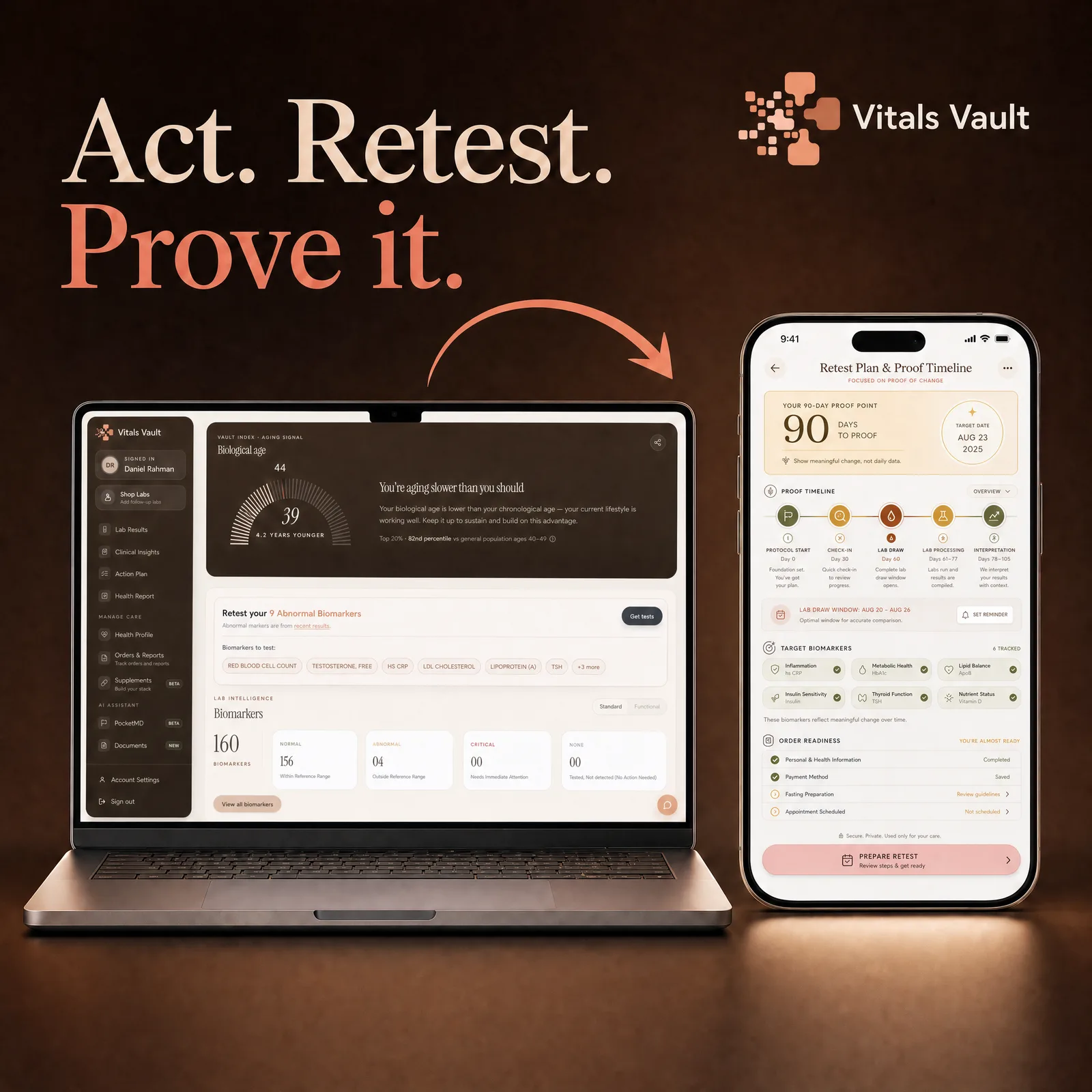
Biological age
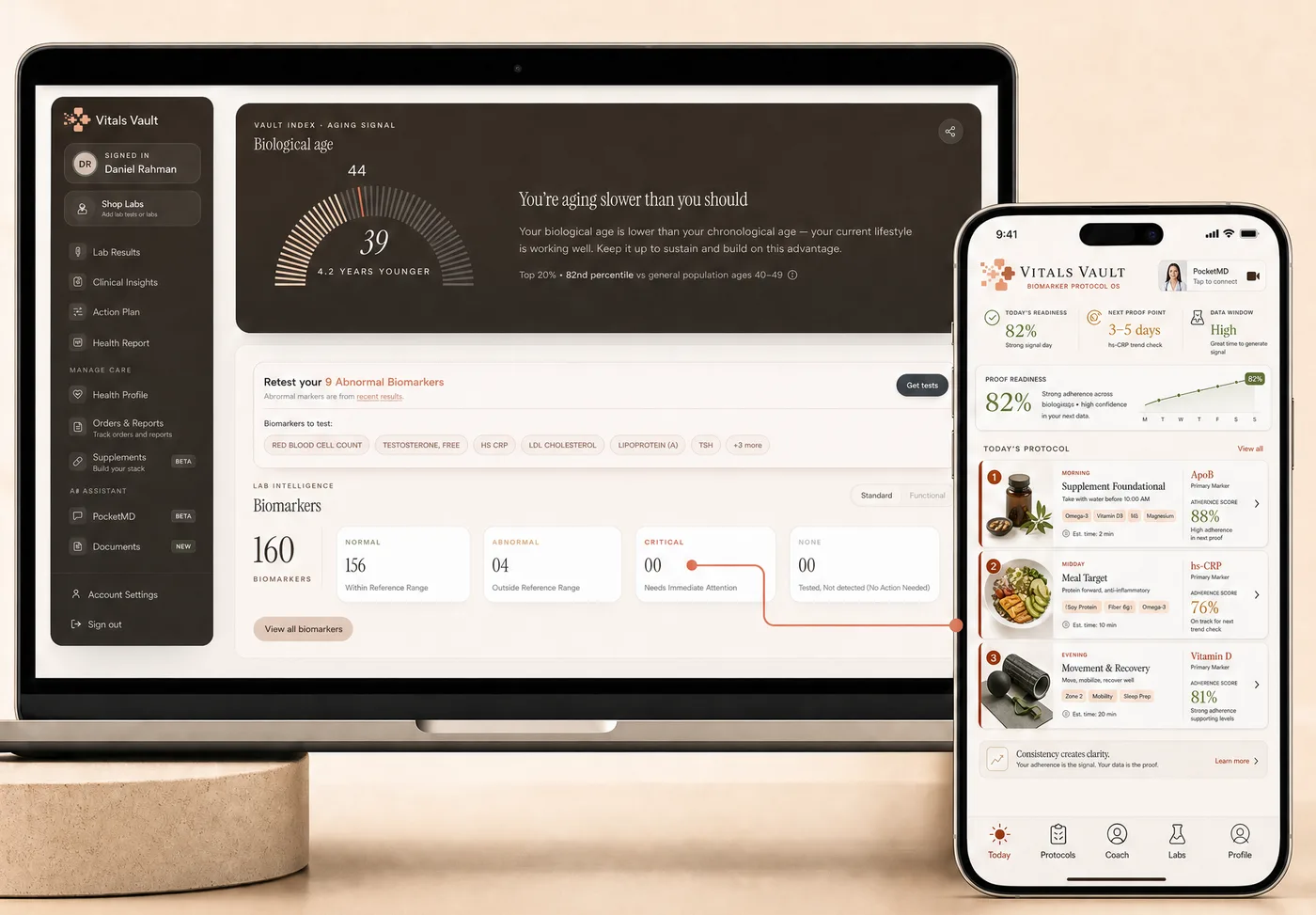
Find out if your body is aging faster or slower than your actual age — and see how you rank against the general population.
39
Biological age
44
Actual age
4.2
Years younger
Inflammation Lab Panel
Results in about 6 days
Inflammation Lab Panel: a multi-marker blood test panel for inflammation and immune activity. This inflammation blood test panel combines CRP, ESR, complement, immunoglobulins, and CBC patterns to help you interpret immune activity in context.
Inflammation is not one lab value. It is a pattern that can show up as a high CRP (C-reactive protein), a fast ESR (erythrocyte sedimentation rate), shifts in your white blood cell differential, changes in complement proteins, or elevated immunoglobulins (antibodies). This lab panel pulls several of those signals into one blood draw so you can see whether your results point toward acute infection, chronic inflammatory stress, autoimmune activity, or a non-inflammatory explanation for how you feel. Because many inflammatory markers are nonspecific, this panel is most useful when you interpret the results together and in the context of your symptoms, medications, and recent illnesses—not as a standalone diagnosis.
What to expect before and at your draw.
Sample Type
Blood
Collection Method
In person at a Quest Diagnostics location
Age
18+
This order includes the lab markers used for Inflammation Lab Panel.
Homocysteine
Included in this Quest Diagnostics order and reported in your Vitals Vault account.
Uric Acid
Included in this Quest Diagnostics order and reported in your Vitals Vault account.
C-Reactive Protein
Included in this Quest Diagnostics order and reported in your Vitals Vault account.
Sed Rate By Modified Westergren
Included in this Quest Diagnostics order and reported in your Vitals Vault account.
Order Inflammation Lab Panel online.
Visit a Quest Diagnostics location near you for your blood draw. Appointments can be scheduled after checkout.
View easy-to-read results in your Vitals Vault account, with trends and a personalized action plan.
Included with every package
Function Health shows you numbers. Vitals Vault connects them — ratios, patterns, and a personalized action plan grounded in functional medicine.
Find out if your body is aging faster or slower than your actual age — and see how you rank against the general population.
39
Biological age
44
Actual age
4.2
Years younger
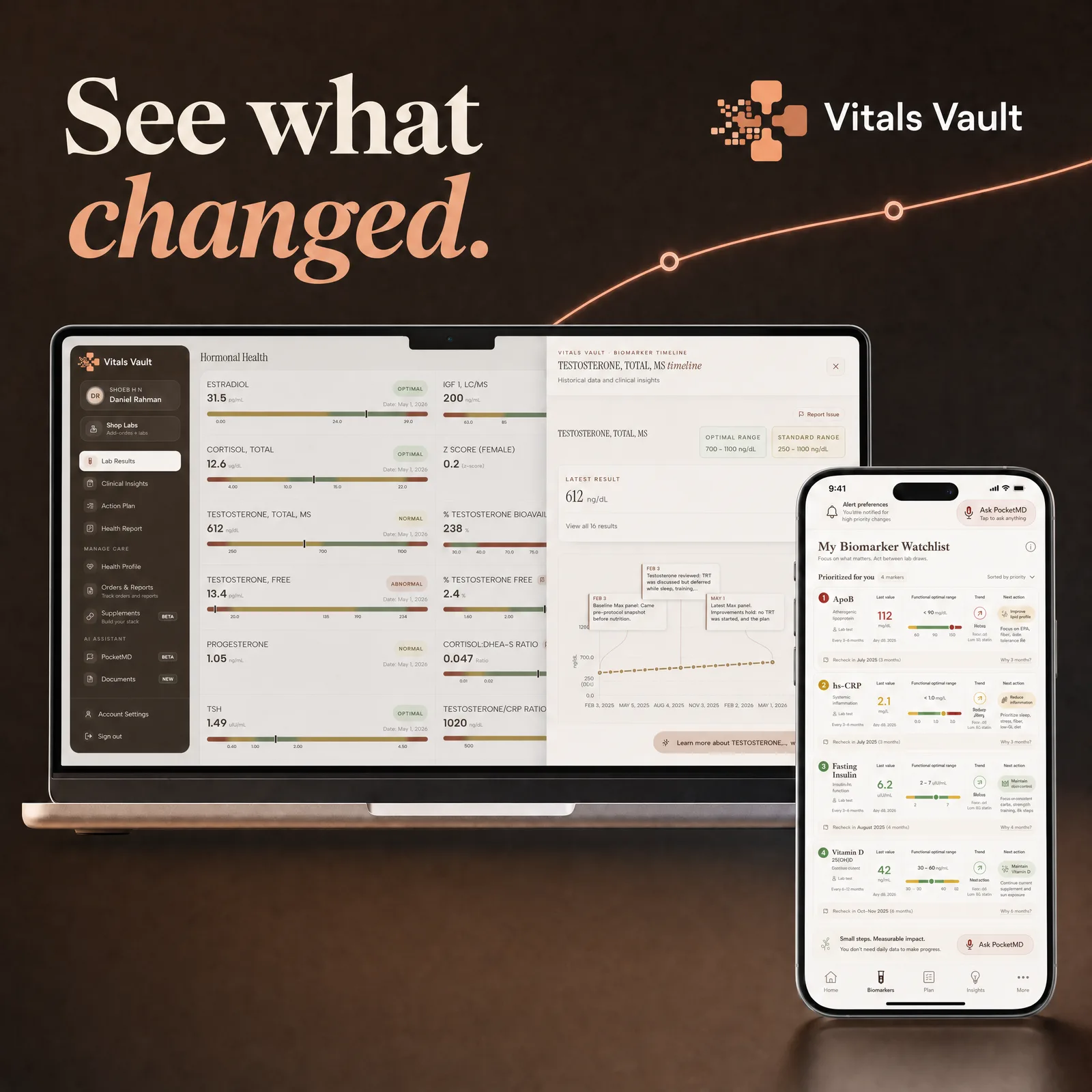
Turn lab data into what to do next—clear guidance on follow-ups, lifestyle context, and add-on testing when you need to go deeper. Make the healthy choice the obvious one.
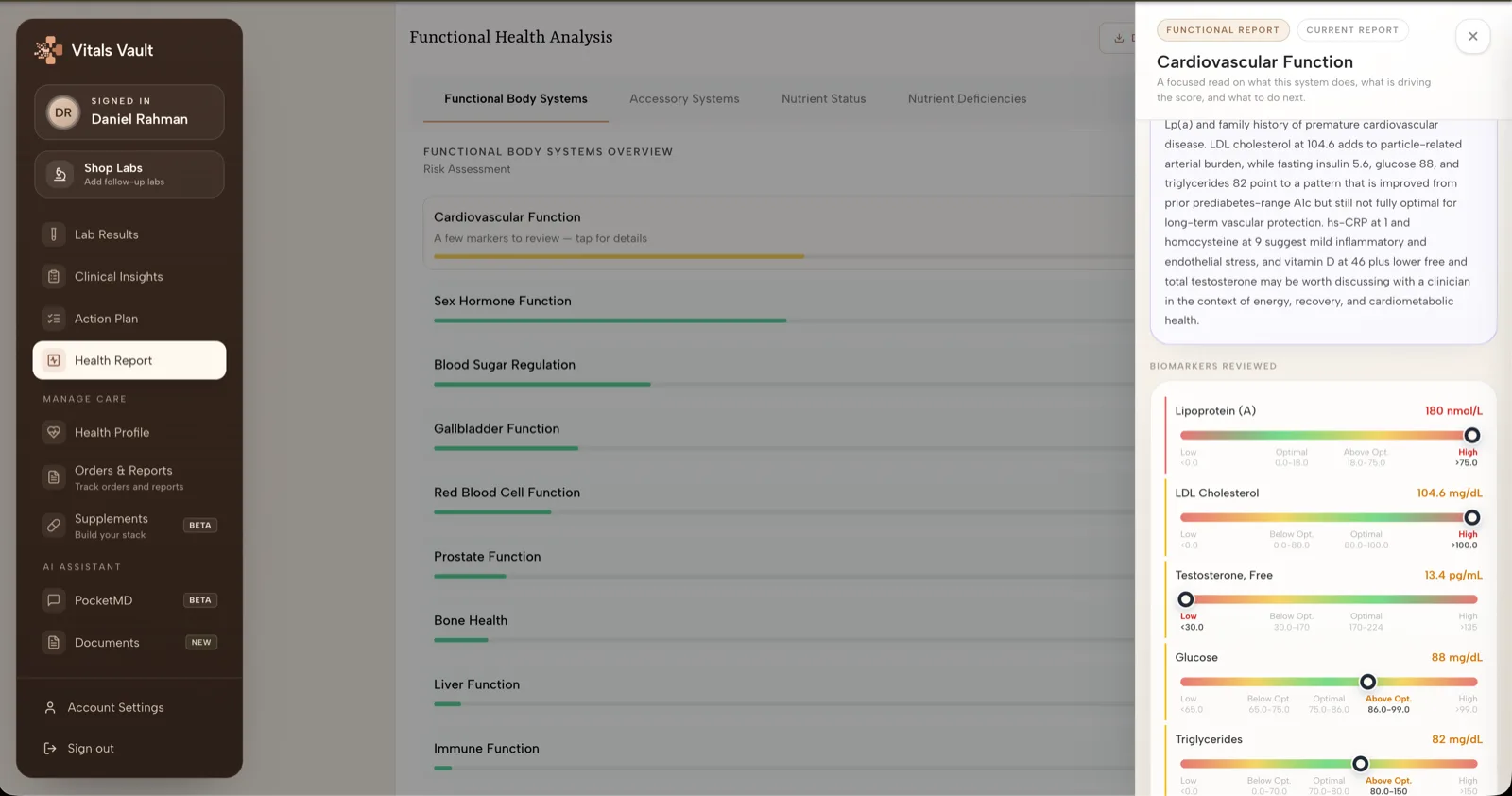
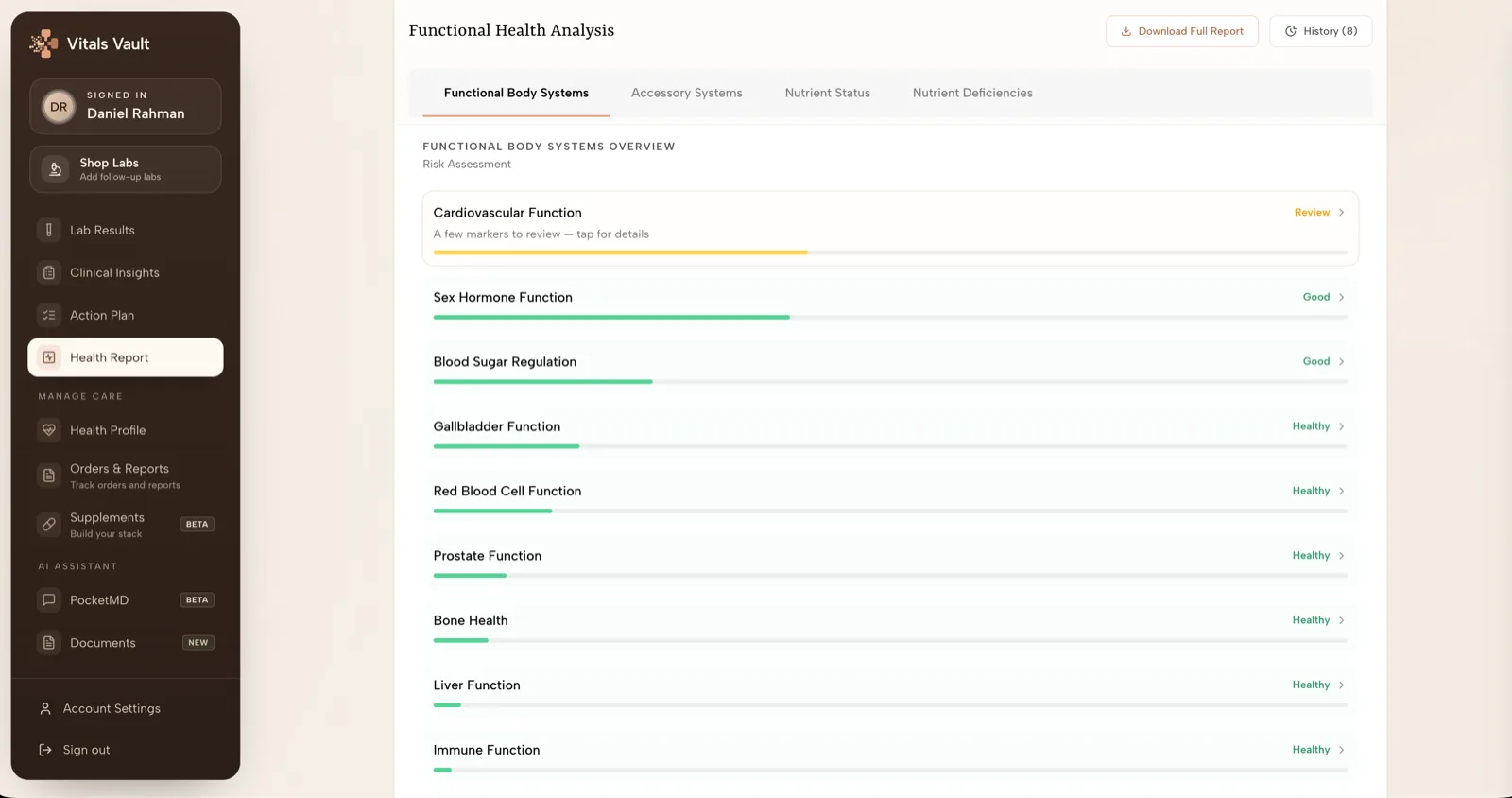
A personalized, plain-language walkthrough of your abnormal markers—reference ranges, pattern context, and what to watch next, grounded in your actual labs.
Personalized Insights
Clear Explanations
Actionable guidance
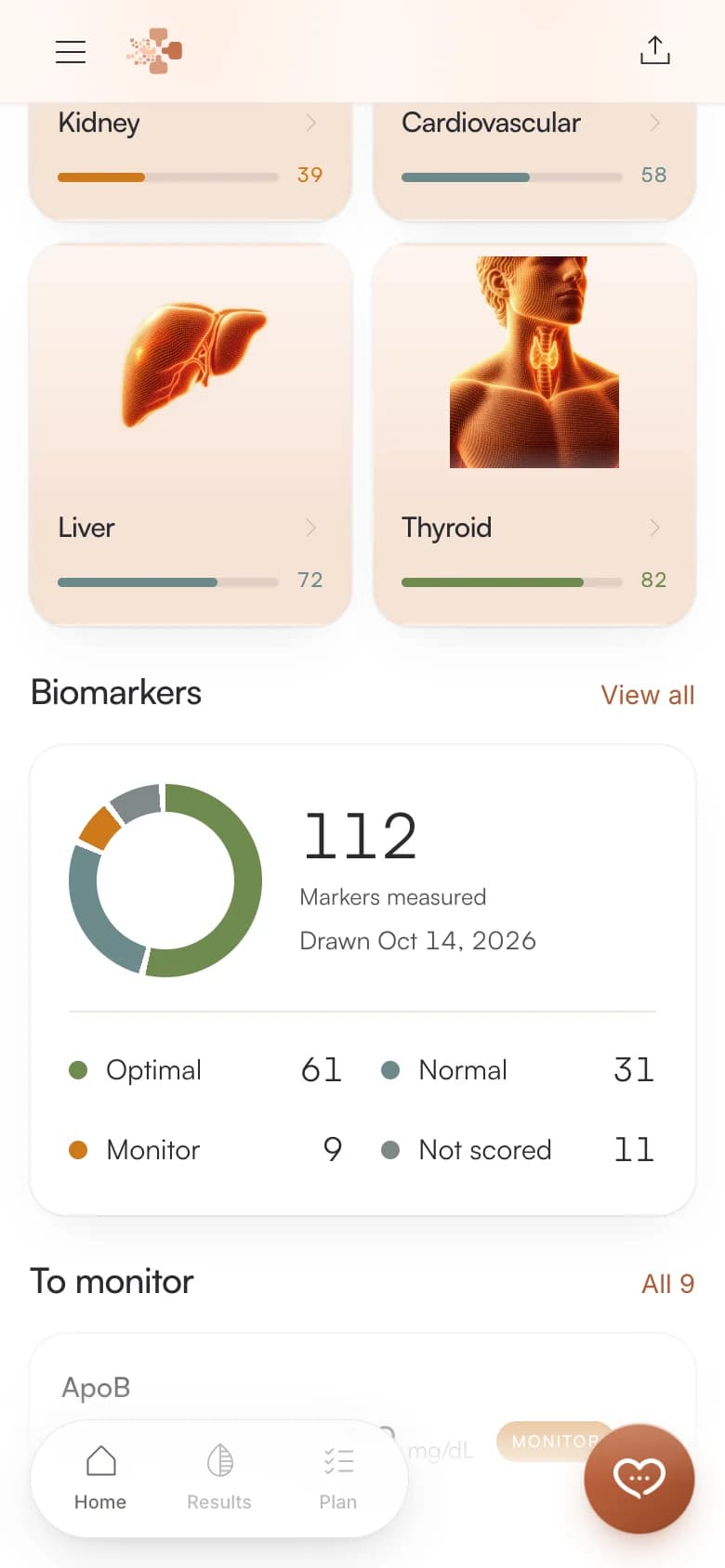
Explore your body systems with clear risk context — refresh your report, download the full PDF, and monitor hormones, heart, bone, and more in one place.
Explore hundreds of tests and panels, filter by concern, and manage your cart—member-exclusive pricing with quick checks and full-body options in one flow.
Wide test selection
300+ tests & panels available
Smart filtering
Find tests by symptoms or goals
Seamless ordering
Add to cart and manage easily
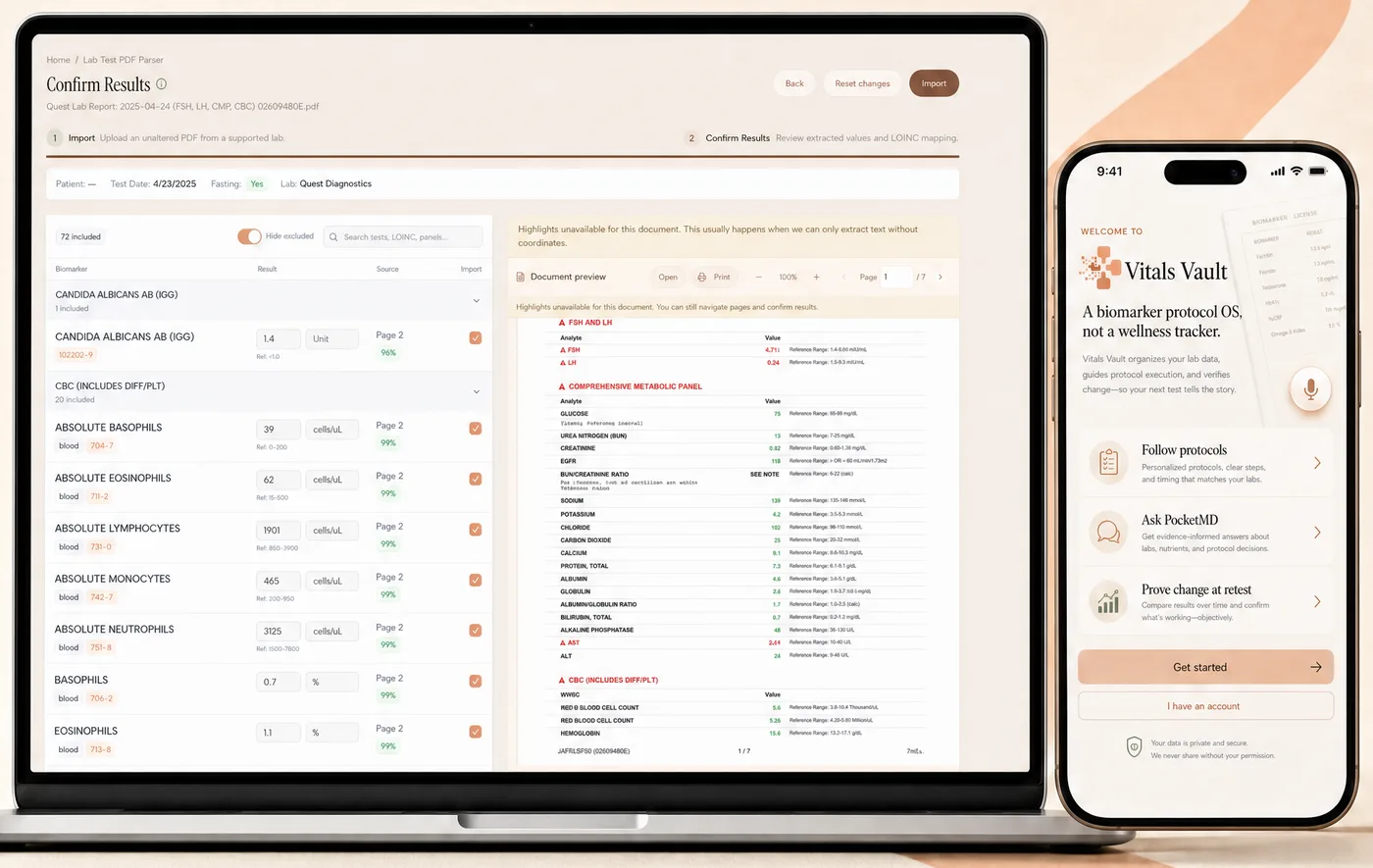
Upload past lab reports, search your documents, and keep appointments and results organized—our AI can extract biomarkers from PDFs so everything lives in one dashboard.
Browse longevity, nutrition, supplement, and movement protocols—structured plans you can follow with clear habits, labs, and targets tied to your profile.
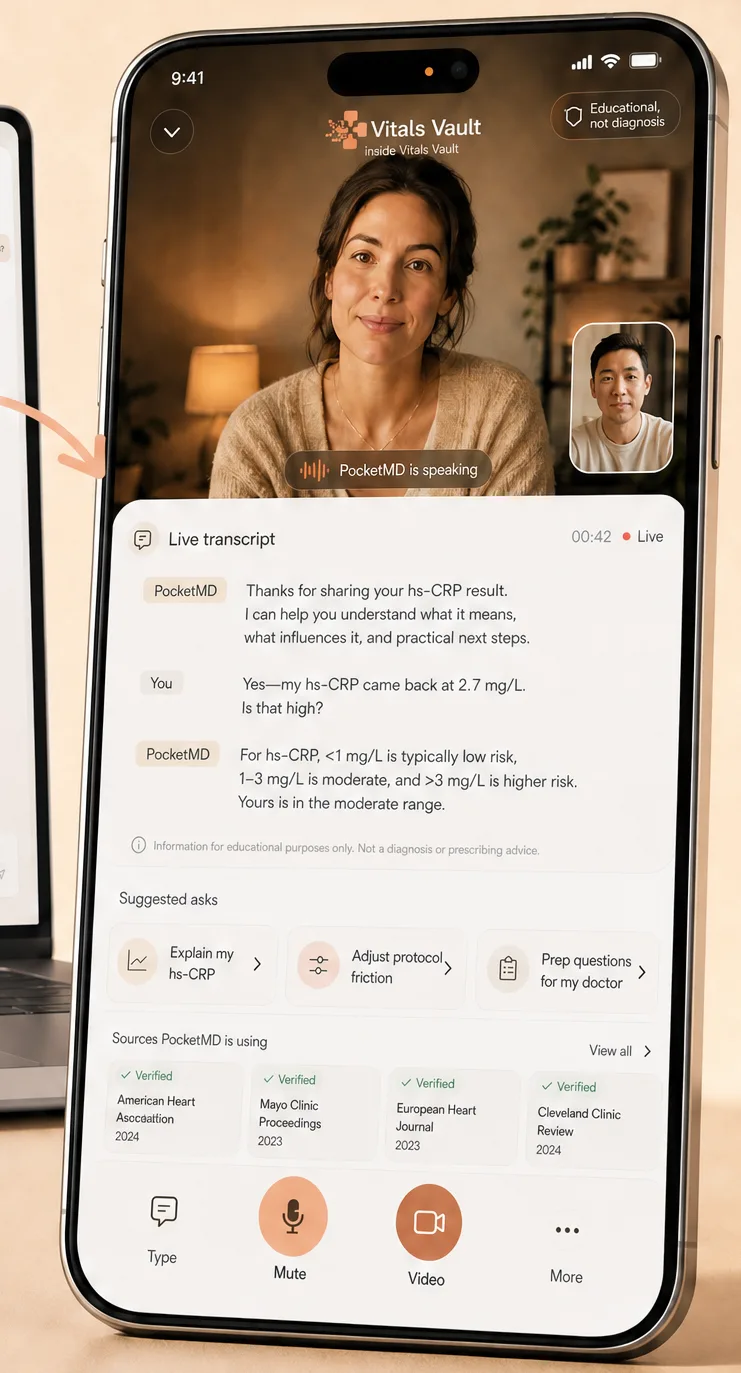
Ask for protocols, nutrition plans, supplement stacks, and education—context-aware suggestions powered by your labs and goals (beta experience).
Order online
Add Inflammation Lab Panel to your cart and check out. No doctor referral is required.
Visit a Quest lab
Provide your blood sample at a Quest Diagnostics location. Appointments can be scheduled after checkout.
Review in Vitals Vault
Results in about 6 days. They stay in your Vitals Vault account for trends and follow-up.
No special preparation is usually needed unless noted at checkout.
This order includes the lab markers used for Inflammation Lab Panel and reported in your Vitals Vault account.
Results
Results in about 6 days
HSA/FSA
Accepted
Who takes it
Must be taken by the purchaser
Preparation
No special preparation needed unless noted at checkout.
Ana Screen, Ifa
Included in this Quest Diagnostics order and reported in your Vitals Vault account.
Creatine Kinase, Total
Included in this Quest Diagnostics order and reported in your Vitals Vault account.
Sed Rate By Modified Westergren, Manual
Included in this Quest Diagnostics order and reported in your Vitals Vault account.
This inflammation blood test panel combines CRP, ESR, complement, immunoglobulins, and CBC patterns to help you interpret immune activity in context.





Inflammation is not one lab value. It is a pattern that can show up as a high CRP (C-reactive protein), a fast ESR (erythrocyte sedimentation rate), shifts in your white blood cell differential, changes in complement proteins, or elevated immunoglobulins (antibodies). This lab panel pulls several of those signals into one blood draw so you can see whether your results point toward acute infection, chronic inflammatory stress, autoimmune activity, or a non-inflammatory explanation for how you feel.
Because many inflammatory markers are nonspecific, this panel is most useful when you interpret the results together and in the context of your symptoms, medications, and recent illnesses—not as a standalone diagnosis.
You might consider an inflammation lab panel if you have ongoing symptoms that could reflect immune activation—such as persistent fatigue, body aches, joint pain or stiffness, unexplained fevers, swollen glands, recurrent infections, or flares of a known autoimmune condition. This panel can also be helpful when you have a concerning single result (for example, a high hs-CRP) and you want to see whether other markers support a true inflammatory pattern.
This panel is commonly used when you are trying to sort out questions like: “Is this inflammation real or a one-off?” “Is it more consistent with an acute infection versus chronic inflammation?” or “Do my immune proteins look depleted or overactive?” It can also help you and your clinician decide whether you need more targeted testing (such as autoimmune antibody panels, imaging, stool testing, or infectious workups).
If you recently had a cold, dental work, a vaccine, a hard training block, or an injury, your inflammatory markers can rise temporarily. In that situation, this panel can still be useful, but timing matters—sometimes the most informative choice is to test after you have been stable for a couple of weeks.
This panel supports clinician-directed care and shared decision-making. It can help you ask better questions, but it is not meant for self-diagnosis.
This panel combines multiple blood-based assays; reference ranges and clinical interpretation can vary by lab method and by your age, sex, and medical context.
from $87.49 at Quest Diagnostics
Results in days
Clear next steps
HSA / FSA
Vitals Vault makes it straightforward to order an inflammation-focused lab panel and review the results in a way that accounts for the fact that inflammation is multi-factorial. You get a single order for a bundled set of markers, collected in one blood draw, so you are not piecing together separate tests across different dates.
After your results are available, you can use PocketMD to walk through the pattern across markers—what looks like acute inflammation versus chronic inflammation, what could be medication-related, and which follow-up questions are reasonable. This is especially helpful when you are staring at unfamiliar terms like “complement,” “globulins,” or “neutrophil-to-lymphocyte ratio” and you want a calm, structured interpretation.
If you are tracking a chronic condition or lifestyle changes, repeating the same panel over time can be more informative than chasing a single marker. Trend-based interpretation helps you separate short-lived spikes from persistent elevation.
Vitals Vault is designed to help you move from “I have symptoms and scattered labs” to “I have a coherent picture and a plan for what to do next.”
The Inflammation Lab Panel is a bundled set of blood tests that look for signs your immune system is activated and your body is producing inflammatory proteins. Instead of relying on a single marker, the panel combines several categories of information:
1) Inflammatory proteins and acute-phase reactants. These are proteins that rise when your liver and immune system respond to infection, injury, or inflammatory signaling. hs-CRP (high-sensitivity C-reactive protein) is a common example. Others, like fibrinogen and ferritin, can also behave as acute-phase reactants.
2) Inflammation over time (ESR). ESR (also called “sed rate”) is an indirect measure of inflammation that tends to change more slowly than CRP. It can be helpful when symptoms are chronic or fluctuating.
3) Blood cell patterns (CBC with differential). A complete blood count (CBC) and differential show your red blood cells, platelets, and white blood cell subtypes (neutrophils, lymphocytes, monocytes, eosinophils, basophils). These patterns can suggest infection, inflammation, allergic activity, bone marrow stress, anemia patterns that mimic fatigue, or medication effects.
4) Immune proteins (immunoglobulins and complement). Immunoglobulins (IgG, IgA, IgM) reflect antibody production. Complement proteins (often C3 and C4) are part of innate immunity and can be consumed (lowered) in some autoimmune processes or elevated as part of inflammation.
No single combination of results “proves” a specific diagnosis. The value of a panel is that it helps you see whether multiple independent signals point in the same direction, and it can guide what targeted testing makes sense next.
If hs-CRP and ESR are low/quiet and your CBC with differential looks stable, the panel is not showing an active systemic inflammatory pattern at the time of the draw. That can be reassuring if you are worried about autoimmune inflammation, but it does not rule out localized inflammation (for example, in a joint), intermittent flares, or non-inflammatory causes of symptoms (sleep disruption, thyroid issues, anemia, medication side effects, mood disorders, or overtraining). “Low” can also show up in immune-protein sections: low immunoglobulins or certain CBC patterns can suggest reduced immune reserves or medication-related suppression, which is a different question than inflammation and may warrant follow-up.
An “optimal” pattern usually means inflammatory proteins (like hs-CRP) are low, ESR is not elevated, and the CBC/differential does not show stress signals such as high neutrophils with low lymphocytes. Complement and immunoglobulins are typically within the lab’s reference range and consistent with your history. In this situation, the panel is most useful as a baseline: if you later develop symptoms or a flare, you have a personal reference point to compare against rather than relying only on population ranges.
A stronger inflammatory pattern is when multiple categories move together—for example, elevated hs-CRP and/or ESR plus CBC shifts (such as neutrophilia, thrombocytosis, or anemia of inflammation), and sometimes higher fibrinogen or ferritin. This does not automatically mean autoimmune disease; infection, tissue injury, metabolic inflammation, smoking, obesity, untreated sleep apnea, and chronic dental or gum disease can all raise inflammatory markers. If complement is low (suggesting consumption) or immunoglobulins are unusually high or low, that can add immune-system context and may support more targeted next steps (such as autoimmune antibody testing, immunology evaluation, or infection-focused workup) depending on your symptoms.
Inflammation markers are sensitive to timing and context. Recent infections, vaccines, surgery, injuries, intense exercise, and even poor sleep can raise hs-CRP and shift your white blood cell differential for days to weeks. Many medications can change results, including corticosteroids, NSAIDs, immunosuppressants/biologics, statins, and hormone therapies. Iron status and liver health can influence ferritin, while hydration and anemia patterns can influence ESR. Complement and immunoglobulins can vary with autoimmune activity, chronic infections, protein loss (kidney or gut), and inherited immune differences. The most reliable interpretation comes from looking at the whole panel, your symptom timeline, and whether the pattern persists on repeat testing.
Fasting is not always required for core inflammation markers like hs-CRP and ESR, but some bundled panels include tests that are easier to interpret when you are fasting. If your order includes metabolic markers or you are pairing this with another panel, a 8–12 hour fast (water is fine) is often recommended. Follow the collection instructions on your order, and keep your routine consistent if you are retesting for trends.
hs-CRP is an acute-phase protein that can rise and fall relatively quickly with inflammation, infection, injury, or recovery. ESR is an indirect measure that often changes more slowly and can stay elevated longer. When both are elevated, it strengthens the case for systemic inflammation; when they disagree, timing, anemia, medications, and the type of inflammatory process can explain the mismatch.
A single out-of-range result is common and often reflects timing or a confounder rather than a major disease process. For example, hs-CRP can spike after a recent infection or hard workout, and ESR can be influenced by anemia. The point of a panel is to see whether multiple independent markers support the same story. If only one marker is high, it is often reasonable to repeat the panel when you are well and compare trends, especially if you do not have red-flag symptoms.
Complement proteins (C3 and C4) are part of innate immunity and can rise with inflammation or drop when they are being consumed in certain immune-complex conditions. Immunoglobulins (IgG, IgA, IgM) reflect antibody production; they can be elevated in chronic immune stimulation or low in some immunodeficiency patterns or protein-loss states. These markers do not diagnose a specific condition on their own, but they can add important context when you are evaluating autoimmune concerns or recurrent infections.
It can be a helpful starting point because it looks for systemic inflammation and includes immune-protein context (like complement). However, autoimmune diagnoses typically require targeted antibody testing (such as ANA with reflex antibodies), clinical criteria, and sometimes imaging or organ-specific labs. If your symptoms or history raise concern, this panel can help guide what to test next rather than serving as a definitive answer.
Yes. Trending the same panel over time is often more informative than a single snapshot, especially for chronic inflammatory conditions. The most useful approach is to compare results to your baseline, note symptom timing, and keep pre-test conditions similar (recent illness, exercise, alcohol, and medication changes can all affect results).
hs-CRP alone can be a good screening marker, but it does not tell you why it is elevated. A panel adds context—ESR for timing, CBC patterns for immune-cell clues, and immune proteins for broader immune activity. If you already have an elevated marker or complex symptoms, a panel is often the more efficient next step because it reduces the chance that you will need multiple follow-up blood draws.
Purchase online through Vitals Vault. A licensed clinician reviews and approves your order, then you receive a digital requisition for a Quest Diagnostics blood draw.
Samples are collected in person at Quest Diagnostics locations nationwide. After checkout you can schedule your visit at a convenient site.
Most results in 3–5 business days. You can view them securely in your Vitals Vault account.
No separate referral appointment is required. Clinician review is included in the online order flow.
Yes. Eligible HSA/FSA cards can be used at checkout for qualifying lab orders.
Results are available in your secure Vitals Vault account. You control who you share them with, subject to applicable law.
Blood glucose shows the amount of sugar in your blood at a single moment. A1c (hemoglobin A1c) estimates your average blood sugar over roughly the past 8–12 weeks. Comparing them helps explain whether your long-term average lines up with your fasting glucose on draw day.
It helps you understand how this marker fits into your broader metabolic picture, with results tracked in your Vitals Vault account.
Elevated values can signal higher metabolic risk. Many people start with nutrition, activity, sleep, and weight management, then retest and review results with a clinician. This test is educational and does not replace medical advice or diagnosis.
Your sample is processed at CLIA-certified Quest Diagnostics laboratories. Results should still be interpreted with a qualified clinician alongside your history, symptoms, and other labs.
Consumer-initiated testing through Vitals Vault is limited to adults 18+ so ordering and interpretation stay aligned with clinical best practices for this channel.