01
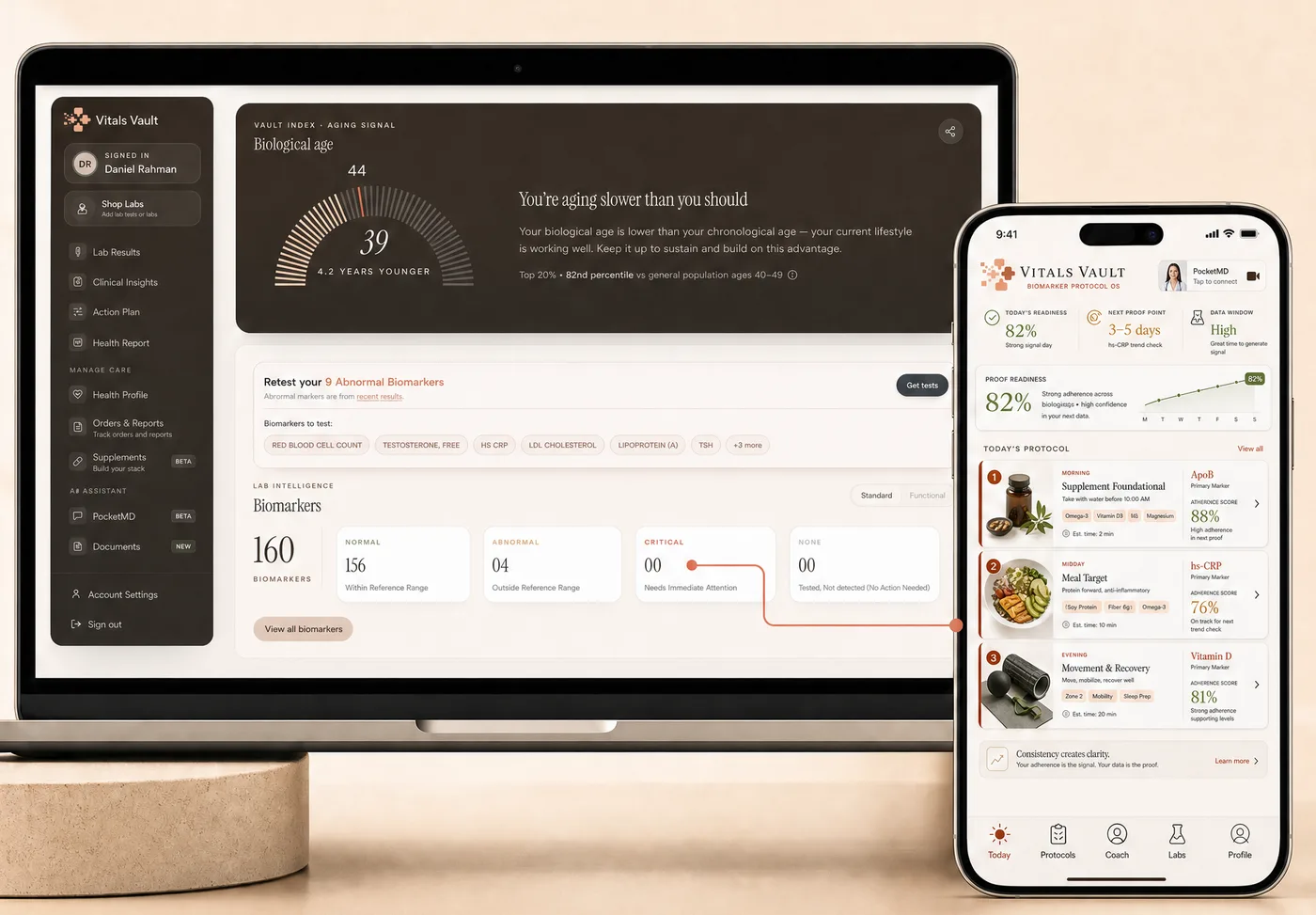
Biological age
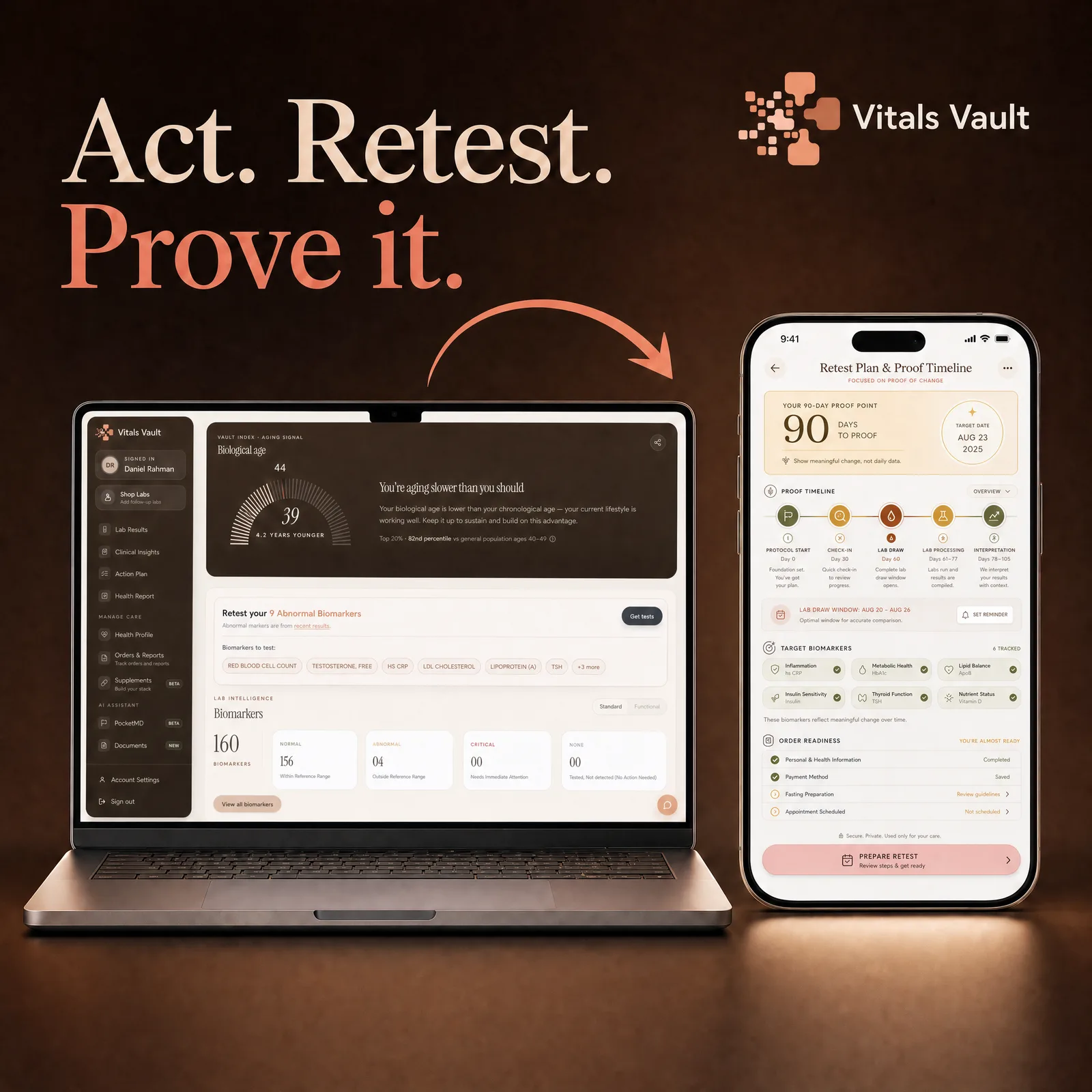
Find out if your body is aging faster or slower than your actual age — and see how you rank against the general population.
39
Biological age
44
Actual age
4.2
Years younger
Full Monty Micronutrient Panel (with Uric Acid)
Results in about 8 days
Full Monty Panel With Uric Acid: Comprehensive Baseline Blood Test Panel. A broad baseline blood test panel including uric acid plus key heart, metabolic, kidney, liver, thyroid, and blood-count markers for context.
This is a bundled lab panel, not a single lab value. The Full Monty Panel With Uric Acid is designed to give you a wide, first-pass baseline across major systems—metabolism, cardiovascular risk, kidney and liver function, thyroid signaling, inflammation, and blood counts—plus uric acid for gout and cardiometabolic context. Because it measures many markers at once, the most useful way to read this panel is by looking for patterns (for example: blood sugar + triglycerides + liver enzymes moving together) rather than fixating on one “flagged” result. Your results can help you decide what to repeat, what to ignore, and what deserves a focused follow-up panel.
What to expect before and at your draw.
Sample Type
Blood
Collection Method
In person at a Quest Diagnostics location
Age
18+
This order includes the lab markers used for Full Monty Micronutrient Panel (with Uric Acid).
Ceruloplasmin
Included in this Quest Diagnostics order and reported in your Vitals Vault account.
Copper
Included in this Quest Diagnostics order and reported in your Vitals Vault account.
Ferritin
Included in this Quest Diagnostics order and reported in your Vitals Vault account.
Hemoglobin
Included in this Quest Diagnostics order and reported in your Vitals Vault account.
Order Full Monty Micronutrient Panel (with Uric Acid) online.
Visit a Quest Diagnostics location near you for your blood draw. Appointments can be scheduled after checkout.
View easy-to-read results in your Vitals Vault account, with trends and a personalized action plan.
Included with every package
Function Health shows you numbers. Vitals Vault connects them — ratios, patterns, and a personalized action plan grounded in functional medicine.
Find out if your body is aging faster or slower than your actual age — and see how you rank against the general population.
39
Biological age
44
Actual age
4.2
Years younger
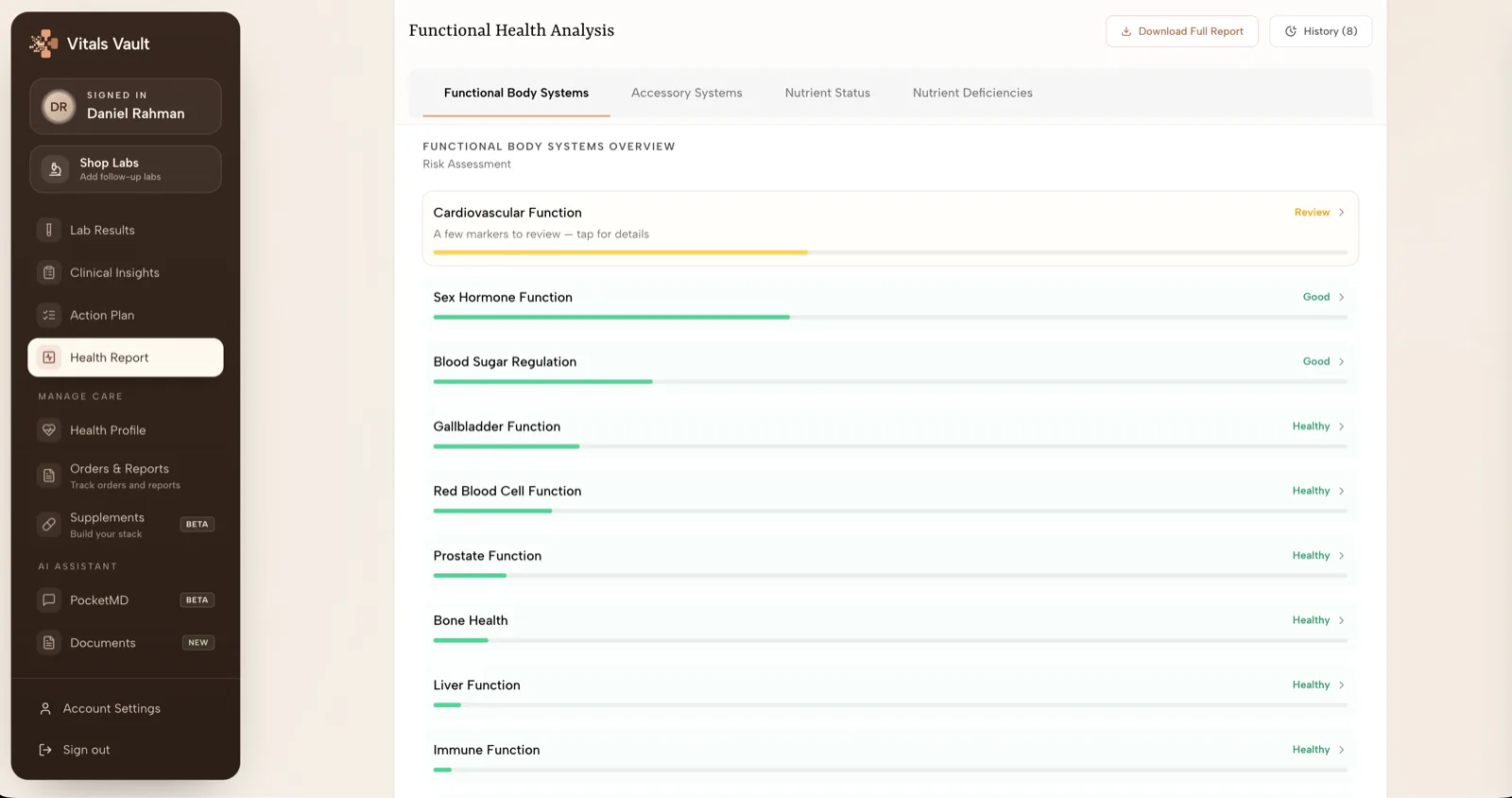
Turn lab data into what to do next—clear guidance on follow-ups, lifestyle context, and add-on testing when you need to go deeper. Make the healthy choice the obvious one.
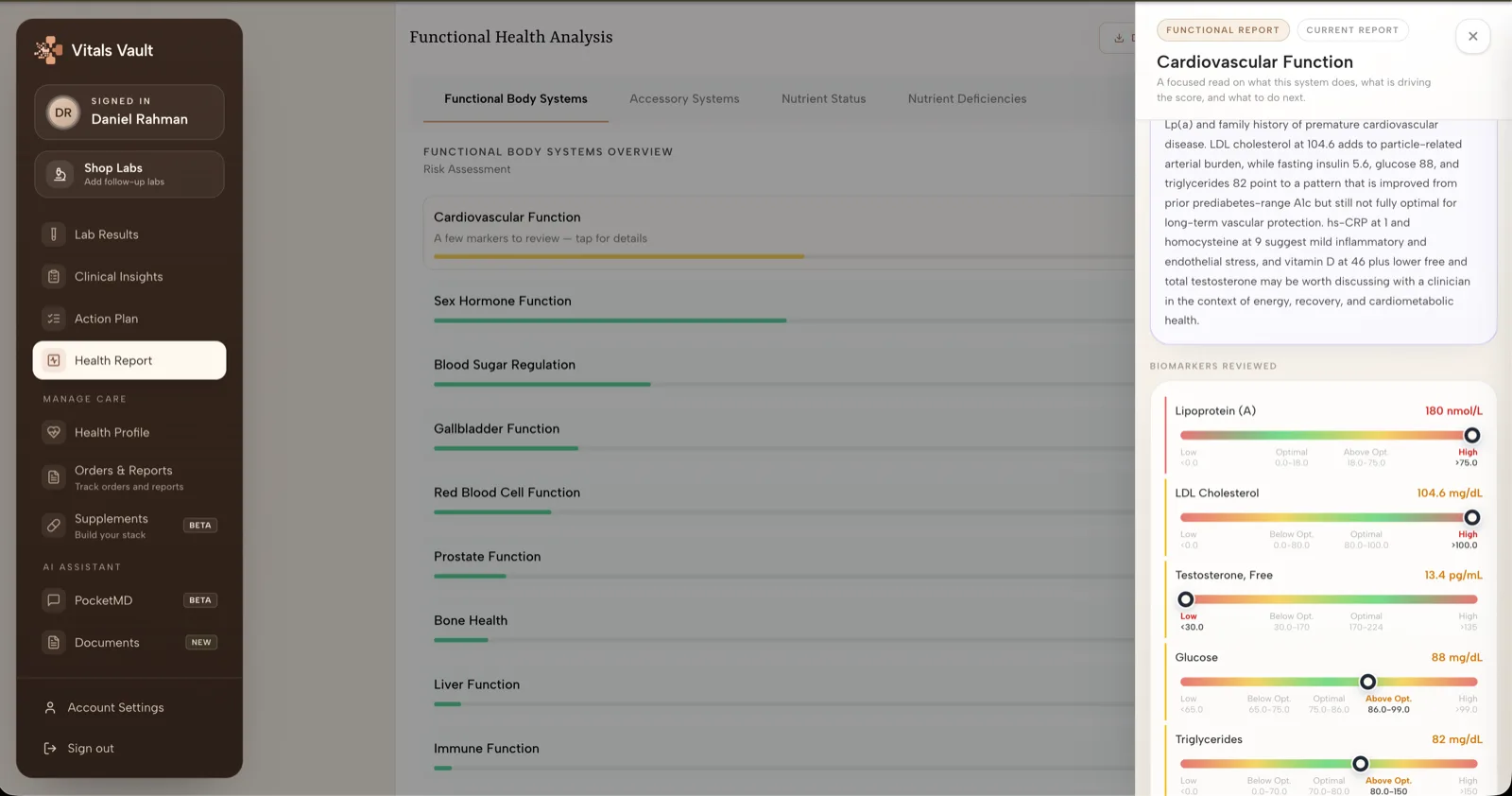
A personalized, plain-language walkthrough of your abnormal markers—reference ranges, pattern context, and what to watch next, grounded in your actual labs.
Personalized Insights
Clear Explanations
Actionable guidance
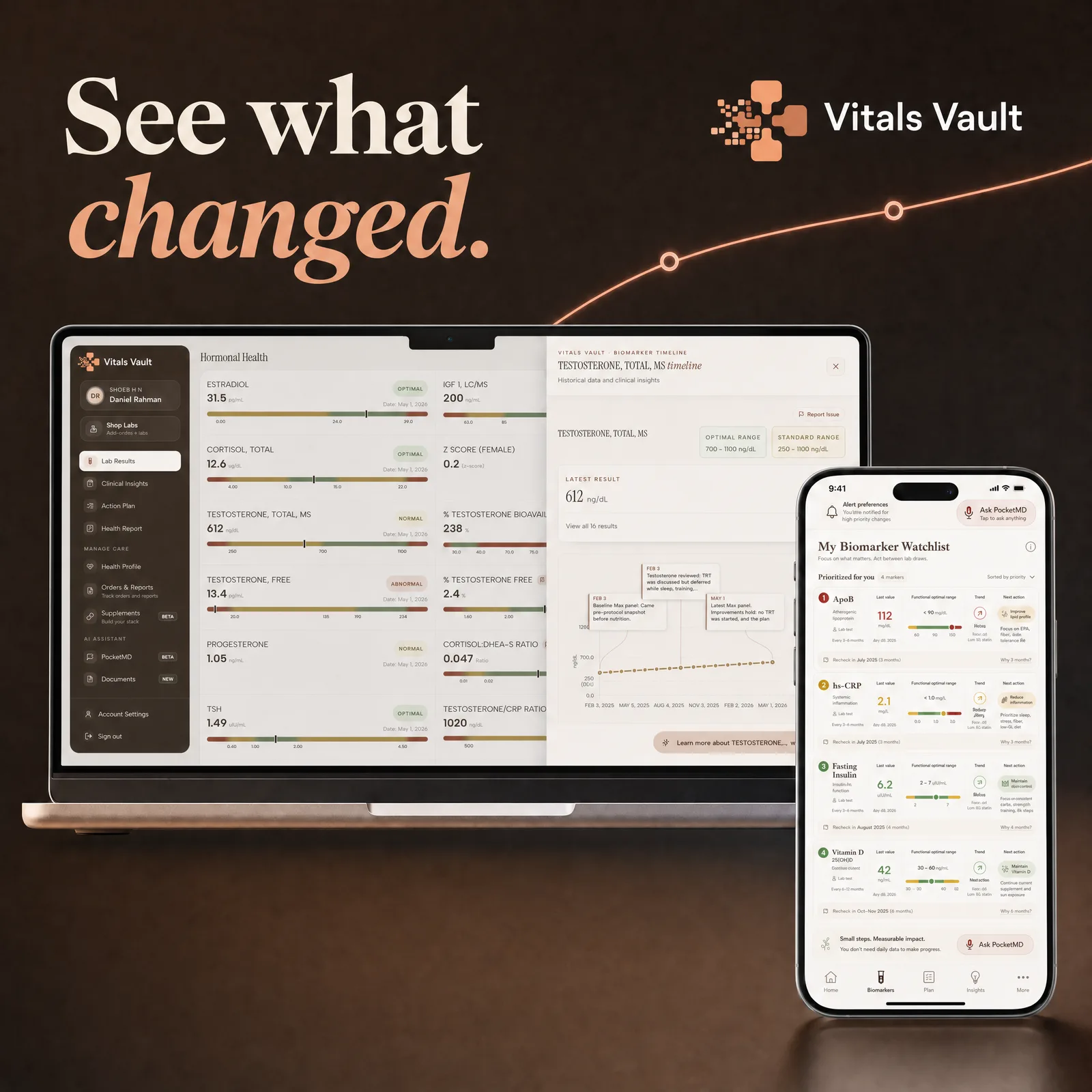
Explore your body systems with clear risk context — refresh your report, download the full PDF, and monitor hormones, heart, bone, and more in one place.
Explore hundreds of tests and panels, filter by concern, and manage your cart—member-exclusive pricing with quick checks and full-body options in one flow.
Wide test selection
300+ tests & panels available
Smart filtering
Find tests by symptoms or goals
Seamless ordering
Add to cart and manage easily
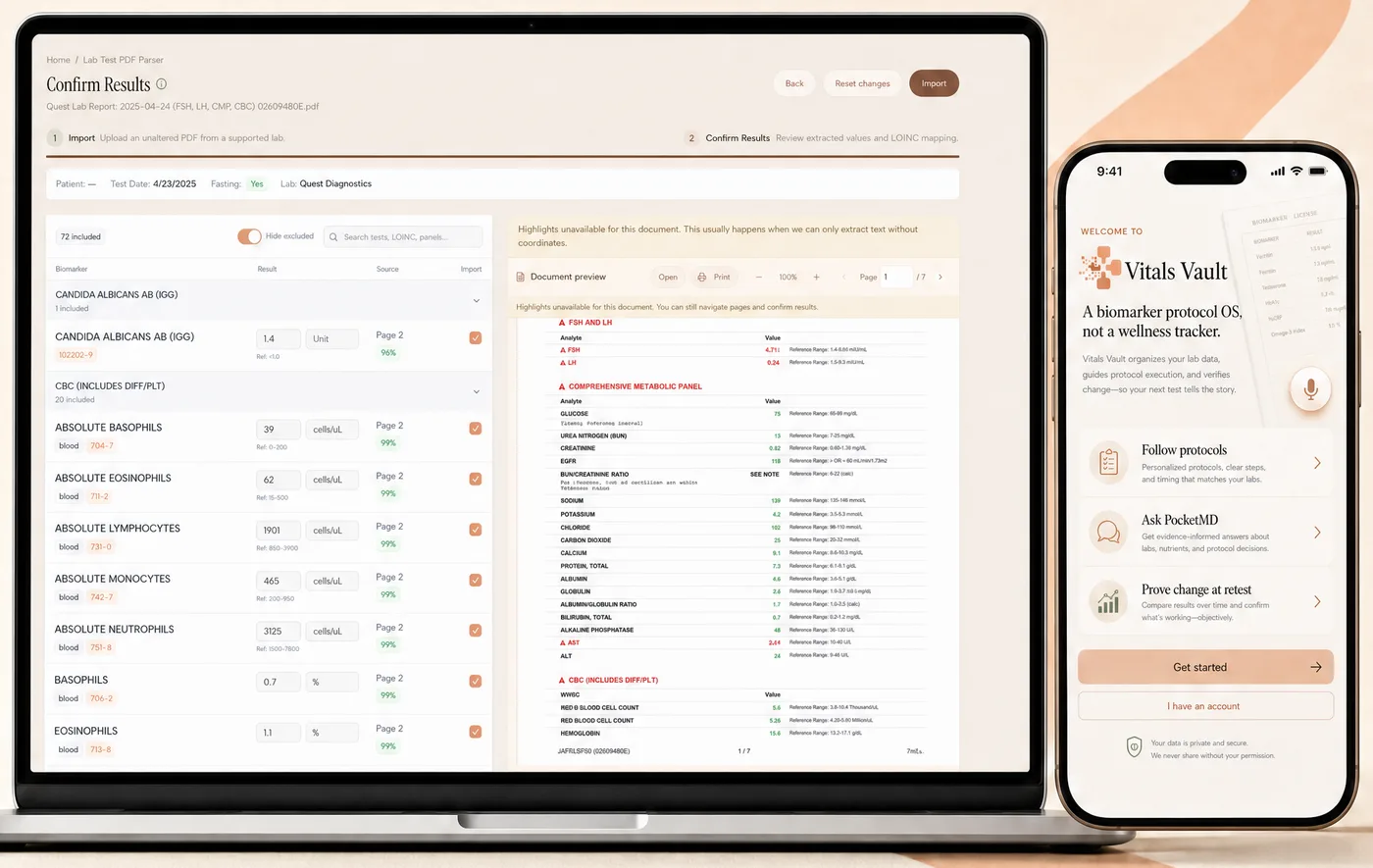
Upload past lab reports, search your documents, and keep appointments and results organized—our AI can extract biomarkers from PDFs so everything lives in one dashboard.
Browse longevity, nutrition, supplement, and movement protocols—structured plans you can follow with clear habits, labs, and targets tied to your profile.
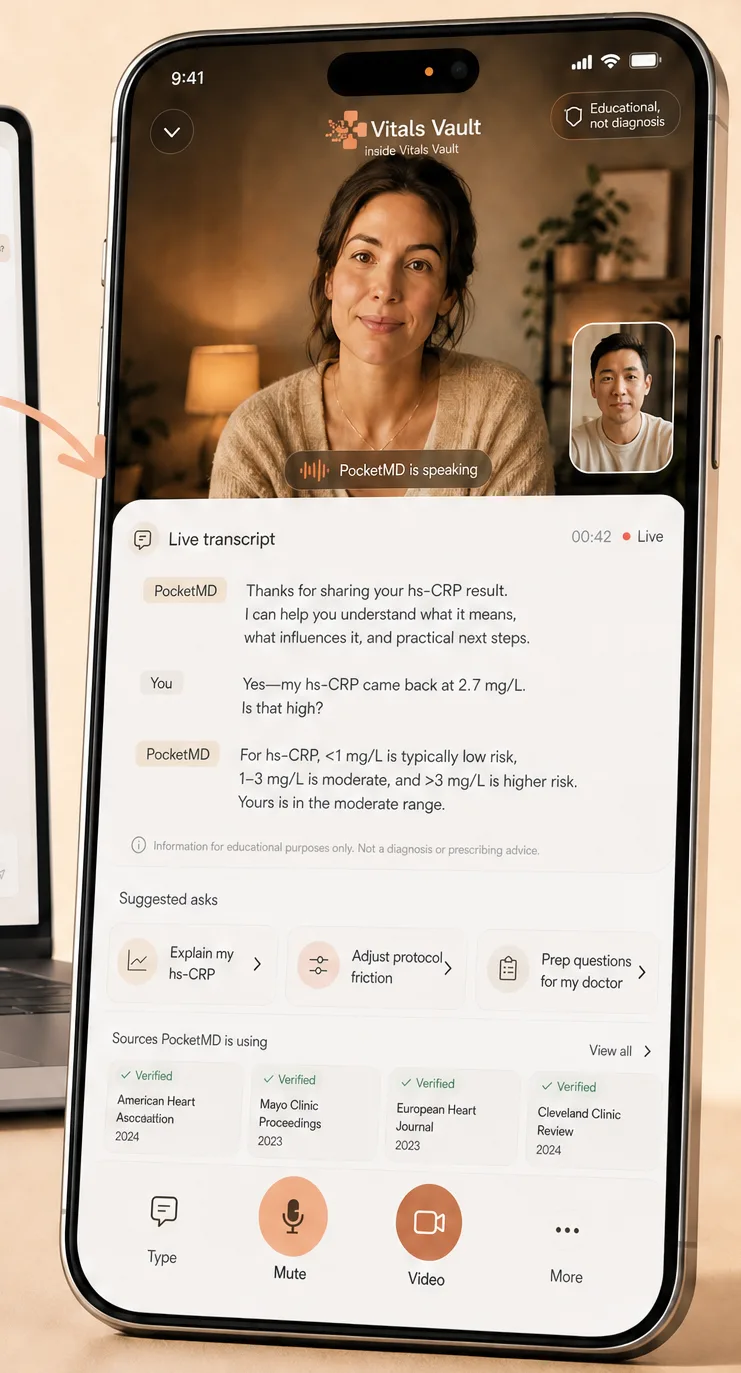
Ask for protocols, nutrition plans, supplement stacks, and education—context-aware suggestions powered by your labs and goals (beta experience).
Order online
Add Full Monty Micronutrient Panel (with Uric Acid) to your cart and check out. No doctor referral is required.
Visit a Quest lab
Provide your blood sample at a Quest Diagnostics location. Appointments can be scheduled after checkout.
Review in Vitals Vault
Results in about 8 days. They stay in your Vitals Vault account for trends and follow-up.
No special preparation is usually needed unless noted at checkout.
This order includes the lab markers used for Full Monty Micronutrient Panel (with Uric Acid) and reported in your Vitals Vault account.
Results
Results in about 8 days
HSA/FSA
Accepted
Who takes it
Must be taken by the purchaser
Preparation
No special preparation needed unless noted at checkout.
Iron Binding Capacity
Included in this Quest Diagnostics order and reported in your Vitals Vault account.
Iron, Total
Included in this Quest Diagnostics order and reported in your Vitals Vault account.
Magnesium, Rbc
Included in this Quest Diagnostics order and reported in your Vitals Vault account.
% Saturation
Included in this Quest Diagnostics order and reported in your Vitals Vault account.
Transferrin
Included in this Quest Diagnostics order and reported in your Vitals Vault account.
Uric Acid
Included in this Quest Diagnostics order and reported in your Vitals Vault account.
Vitamin A (Retinol)
Included in this Quest Diagnostics order and reported in your Vitals Vault account.
Vitamin D, 25-Oh, D2
Included in this Quest Diagnostics order and reported in your Vitals Vault account.
A broad baseline blood test panel including uric acid plus key heart, metabolic, kidney, liver, thyroid, and blood-count markers for context.


This is a bundled lab panel, not a single lab value. The Full Monty Panel With Uric Acid is designed to give you a wide, first-pass baseline across major systems—metabolism, cardiovascular risk, kidney and liver function, thyroid signaling, inflammation, and blood counts—plus uric acid for gout and cardiometabolic context.
Because it measures many markers at once, the most useful way to read this panel is by looking for patterns (for example: blood sugar + triglycerides + liver enzymes moving together) rather than fixating on one “flagged” result. Your results can help you decide what to repeat, what to ignore, and what deserves a focused follow-up panel.
You might consider this lab panel if you want a comprehensive baseline and you do not want to guess which individual tests to order. It is also a practical choice if you have symptoms that can come from multiple systems—fatigue, brain fog, weight change, frequent thirst or urination, headaches, muscle cramps, changes in exercise tolerance, or recurring joint pain—and you want a broad screen that can point you toward the most likely category.
This panel can be especially helpful when you have been told your labs are “normal” but you still do not feel like yourself. Sometimes the issue is not one extreme abnormality; it is a cluster of borderline results (for example, mildly elevated fasting glucose with high triglycerides and low HDL, or a slightly high TSH with low-normal free T4) that becomes meaningful only when you see the full picture.
You may also want this panel if you are building an annual routine, starting or changing a nutrition or fitness plan, or tracking a known condition such as prediabetes, high cholesterol, fatty liver risk, kidney stone history, or gout. Uric acid adds value when you have joint flares, a family history of gout, kidney stones, or metabolic syndrome features.
This panel is educational and supports clinician-directed care; it is not meant for self-diagnosis. If you have severe symptoms (chest pain, shortness of breath, one-sided weakness, severe abdominal pain, or a hot swollen joint with fever), seek urgent medical care rather than relying on outpatient lab screening.
Reference ranges and optimal targets can vary by lab and by your age, sex, medications, and goals; interpret this panel as a pattern and confirm next steps with a clinician.
from $235.67 at Quest Diagnostics
Results in days
Clear next steps
HSA / FSA
Vitals Vault makes it straightforward to order a comprehensive lab panel and then turn the results into an action list. You can use this panel to establish your baseline, identify the few markers that matter most for you, and decide what to repeat on a sensible schedule.
After you get results, PocketMD can help you organize what changed, what is likely noise, and what deserves follow-up—especially when multiple markers interact (like insulin resistance patterns, kidney filtration plus uric acid, or thyroid markers alongside lipids). If you are already working with a clinician, your panel results can also make that visit more efficient by providing a structured snapshot across systems.
If your results point to a specific direction, you can retest this same profile to track trends or add a more focused panel (for example, deeper heart health, insulin signaling, or performance-focused labs) once your goals sharpen.
The Full Monty Panel With Uric Acid is a comprehensive lab panel that bundles many common blood tests into a single baseline screen. Instead of ordering one biomarker at a time, you get a set of markers that work best when interpreted together.
In practical terms, this panel is built around a few core domains:
• Metabolic health: markers that reflect blood sugar control and cardiometabolic risk (such as fasting glucose and hemoglobin A1c).
• Lipids: cholesterol and triglyceride markers that help estimate cardiovascular risk and often mirror insulin resistance patterns.
• Kidney function and hydration/electrolytes: creatinine, estimated filtration (eGFR), and key electrolytes that can shift with diet, medications, dehydration, or kidney disease.
• Liver function: enzymes and proteins that can reflect fatty liver risk, alcohol effects, medication effects, or bile flow issues.
• Thyroid signaling: thyroid-stimulating hormone (TSH) and thyroid hormones that influence energy, weight regulation, and lipid metabolism.
• Blood counts: red blood cells, white blood cells, and platelets, which can point toward anemia patterns, inflammation, infection, or bone marrow stress.
• Uric acid: a breakdown product of purines that is linked to gout risk and can rise with dehydration, high fructose intake, kidney impairment, and metabolic syndrome.
Because the panel spans multiple systems, it is normal for one or two markers to be slightly outside the reference range without indicating disease. The goal is to identify consistent patterns, confirm anything that looks clinically significant, and decide what to monitor over time.
“Low” results in a broad panel usually matter most when they form a coherent pattern. Examples include anemia patterns (low hemoglobin/hematocrit with changes in red blood cell indices), low total protein or albumin (which can relate to nutrition, inflammation, or liver/kidney issues), or low thyroid hormone patterns (free T4 or free T3 low with an inappropriately normal or low TSH in some situations). Low lipids can be normal for some people, but unexpectedly low cholesterol alongside other findings can warrant context. If uric acid is low, it is often less clinically urgent than high uric acid, but it can be seen with certain medications or dietary patterns; it is best interpreted alongside kidney function, liver markers, and your overall nutrition.
An “optimal” panel is less about every marker being perfectly centered and more about consistency: glucose and A1c in a healthy range, triglycerides not elevated, liver enzymes not trending high, kidney filtration and electrolytes stable, and blood counts without anemia or abnormal white cell patterns. Uric acid in a mid-range zone (not chronically high) generally supports lower gout risk, especially when kidney markers and hydration-related electrolytes look stable. If most domains look steady and you feel well, the most valuable next step is often choosing a repeat interval (commonly yearly for a baseline, sooner if you are actively changing diet, weight, training, or medications) and tracking trends rather than chasing tiny fluctuations.
High results become meaningful when they cluster. A common example is an insulin-resistance pattern: fasting glucose and/or A1c trending high, triglycerides elevated, HDL low, and liver enzymes (especially ALT) mildly elevated—together suggesting higher cardiometabolic risk than any single marker alone. Kidney-related concerns can show up as creatinine rising, eGFR falling, or electrolyte shifts; in that setting, high uric acid may be partly driven by reduced clearance. Liver patterns may include elevated ALT/AST, alkaline phosphatase, or bilirubin, which should be interpreted with symptoms, alcohol intake, medications/supplements, and follow-up testing when appropriate. High white blood cells can reflect infection, inflammation, stress, or medication effects. If uric acid is high and you also have joint flares, kidney stones, or reduced kidney function markers, that combination is more actionable than an isolated mild elevation.
A panel can shift for reasons that are not “disease,” so context matters. Fasting status can change glucose and triglycerides. Dehydration can concentrate several markers and raise uric acid and creatinine. Recent intense exercise can affect liver enzymes (AST/ALT), creatinine, and inflammatory signals. Alcohol intake can raise triglycerides and liver enzymes. High-protein diets, creatine supplements, and some medications can influence creatinine and uric acid. Thyroid markers can shift with pregnancy, acute illness, and certain medications. Even timing and lab-to-lab variation can move results slightly. The most reliable approach is to compare your results to your prior baseline, look for consistent patterns across related markers, and confirm unexpected findings with a repeat test or a focused follow-up panel.
Fasting is often recommended because triglycerides and fasting glucose are easier to interpret when you have not eaten for about 8–12 hours. Water is typically fine, and staying hydrated can improve interpretability for kidney markers and uric acid. If you cannot fast, you can still test, but tell your clinician (or note it for yourself) so triglycerides and glucose are interpreted appropriately.
Start by grouping related markers. A single mild out-of-range value is often less important than a consistent pattern across a domain (metabolic, lipids, liver, kidney, thyroid, blood counts). Then look for plausible explanations like fasting status, dehydration, recent hard exercise, alcohol, or medications. If a result is unexpected or clinically significant, repeating it (or confirming with a focused follow-up test) is often the cleanest next step.
Uric acid helps contextualize gout risk and can also reflect how your body is handling purine metabolism and kidney clearance. It can rise with dehydration, high fructose intake, alcohol, certain medications, reduced kidney function, and metabolic syndrome patterns. Seeing uric acid alongside kidney markers, glucose/A1c, and lipids makes it easier to decide whether it is an isolated finding or part of a broader cardiometabolic picture.
It overlaps with many common “annual labs” (like CBC, CMP, lipids, and A1c), but the exact contents of annual physical testing vary by clinician and insurance. This panel is designed as a broad baseline and may include additional markers (such as hs-CRP, ApoB, thyroid antibodies, or nutrient markers) that are not always included in routine screening.
If you are establishing a baseline and you feel well, repeating yearly is common. If you are actively changing weight, training, diet, or medications—or if you are following up on an abnormal pattern—retesting in about 8–16 weeks is often used to see whether the trend is real and whether interventions are working. Your best interval depends on which markers were abnormal and what you are doing about them.
Choose this panel if you want a broad first look or you are not sure which system is driving your symptoms or risk. Choose a focused panel if you already know your priority (for example, deeper cardiovascular risk, insulin signaling, or fitness/performance markers). Many people start with a comprehensive baseline and then use a focused panel for targeted follow-up.
Purchase online through Vitals Vault. A licensed clinician reviews and approves your order, then you receive a digital requisition for a Quest Diagnostics blood draw.
Samples are collected in person at Quest Diagnostics locations nationwide. After checkout you can schedule your visit at a convenient site.
Most results in 3–5 business days. You can view them securely in your Vitals Vault account.
No separate referral appointment is required. Clinician review is included in the online order flow.
Yes. Eligible HSA/FSA cards can be used at checkout for qualifying lab orders.
Results are available in your secure Vitals Vault account. You control who you share them with, subject to applicable law.
Blood glucose shows the amount of sugar in your blood at a single moment. A1c (hemoglobin A1c) estimates your average blood sugar over roughly the past 8–12 weeks. Comparing them helps explain whether your long-term average lines up with your fasting glucose on draw day.
It helps you understand how this marker fits into your broader metabolic picture, with results tracked in your Vitals Vault account.
Elevated values can signal higher metabolic risk. Many people start with nutrition, activity, sleep, and weight management, then retest and review results with a clinician. This test is educational and does not replace medical advice or diagnosis.
Your sample is processed at CLIA-certified Quest Diagnostics laboratories. Results should still be interpreted with a qualified clinician alongside your history, symptoms, and other labs.
Consumer-initiated testing through Vitals Vault is limited to adults 18+ so ordering and interpretation stay aligned with clinical best practices for this channel.